







Introduction:Jamaican Blue Mountain coffee is world-renowned for its delicate and balanced flavor profile. To brew a cup at home that approaches the quality of the origin, it’s essential to understand its regional characteristics, rigorous grading system, and appropriate brewing methods. This article will delve into the background of Jamaican Blue Mountain No. 1 coffee and provide practical pour over parameters along with a three-step pouring technique to help you master the brewing essentials of this premium coffee.
Blue Mountain coffee has long been hailed as one of the finest coffees in the world, celebrated for its rich body and layered taste. It has captivated coffee enthusiasts globally. If you wish to brew an authentic cup of Jamaican Blue Mountain coffee at home, start by understanding its origin, processing method, and strict grading standards. Then, pair it with suitable brewing parameters and techniques to fully showcase its classic flavors of dark chocolate, nuts, and caramel.
The Jamaican Blue Mountain coffee growing region is located in the Blue Mountains of eastern Jamaica, an island nation in the Caribbean. This area not only boasts breathtaking natural landscapes, but also derives its name from the unique blue haze that envelops the mountains when sunlight reflects off the surrounding deep blue ocean. The region sits mostly above 1,000 meters in elevation, with the highest peak reaching 2,256 meters. The climate is cool, with significant day-night temperature variations, fertile volcanic soils, and abundant rainfall — all of which create an ideal environment for coffee cultivation. Especially at high altitudes, coffee cherries have more time to develop flavor compounds, resulting in the distinctive aroma and depth of Blue Mountain coffee.
Only beans grown between 910 and 1,700 meters above sea level and cultivated from the Typica variety can be officially called “Jamaican Blue Mountain coffee.” The main producing regions include the four parishes of St. Andrew, St. Thomas, Portland, and St. Mary. The Blue Mountain No. 1 coffee introduced in this article comes from the renowned Clifton Estate in Jamaica, is processed using the washed method, and represents the top grade of Blue Mountain coffee.
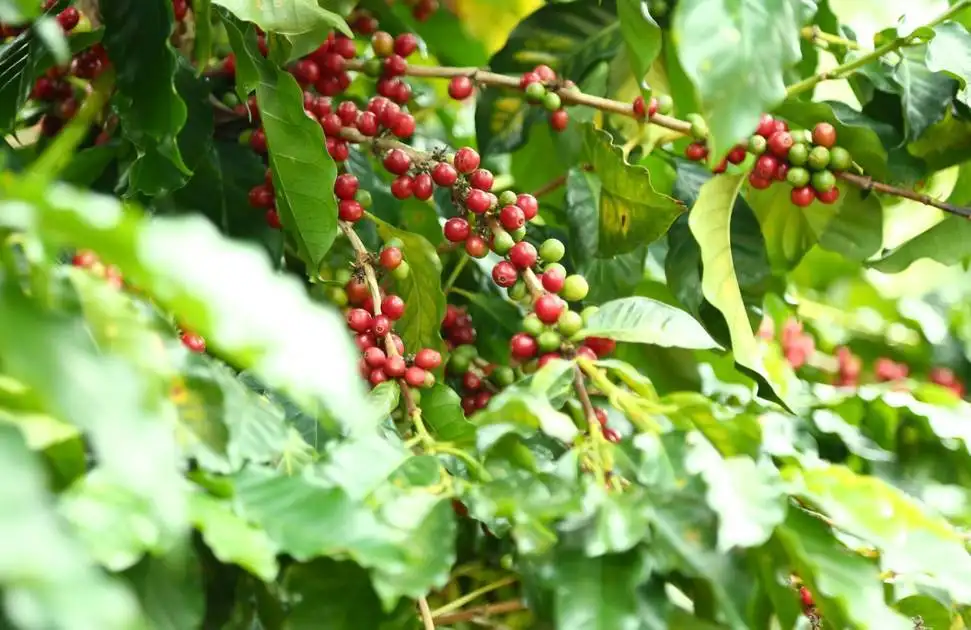
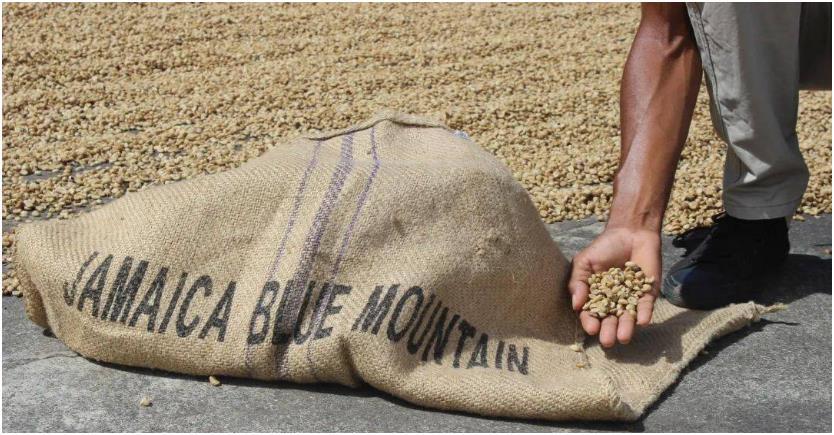
The washed processing method for Blue Mountain coffee is highly meticulous: ripe red cherries are first hand-picked, then floated to remove unripe or defective beans. After depulping, the mucilage-covered beans are placed in fermentation tanks for 12 to 18 hours. Once fermentation is complete, the remaining mucilage is removed through friction with water and bean agitation. The beans are then spread out to dry in the sun until their moisture content drops to 12–14%, after which they are stored. This entire process not only effectively reduces defect rates, but also helps Blue Mountain coffee retain a purer and clearer flavor profile.
Before export, Blue Mountain green coffee beans must also pass the rigorous grading inspection conducted by the Jamaica Coffee Industry Board (CIB). Evaluation criteria include bean size, color uniformity, defect ratio, and overall flavor potential. For Blue Mountain No. 1 coffee, the defect rate must not exceed 3%, and bean size must be 17 mesh or larger, with moisture content typically ranging between 10% and 12.5%. Cupping results show that this coffee offers an excellent balance of acidity, sweetness, bitterness, body, and aroma, making it a classic representation of the Blue Mountain flavor.
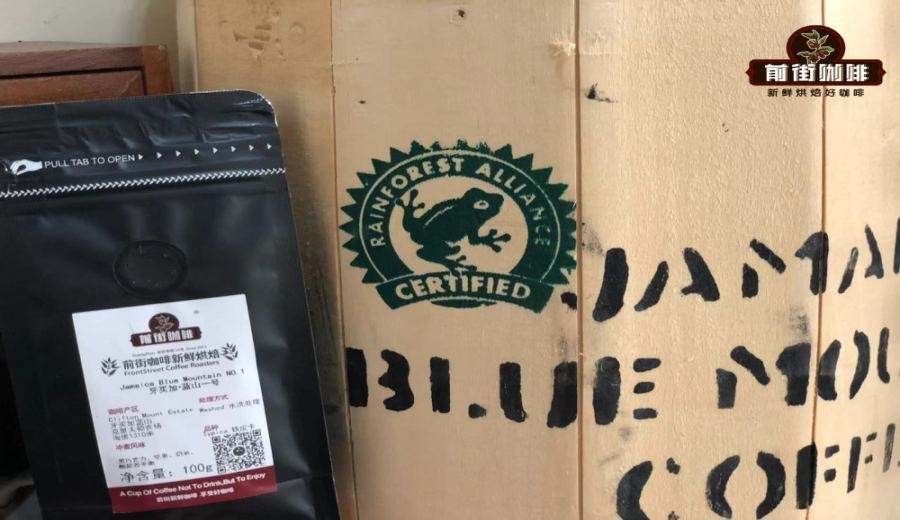
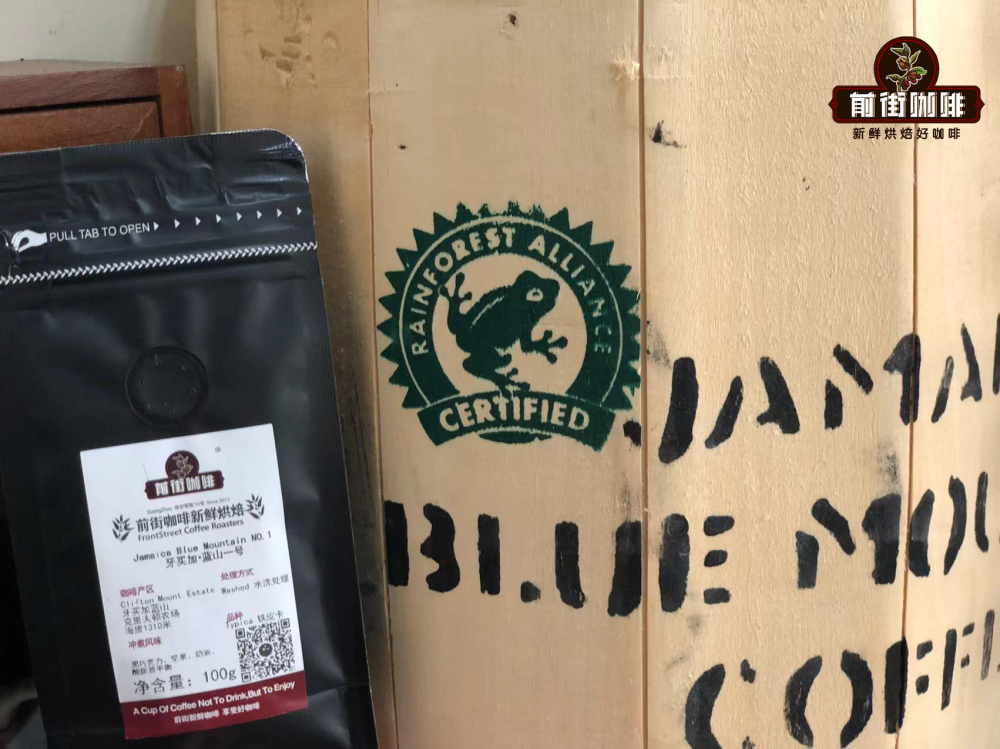
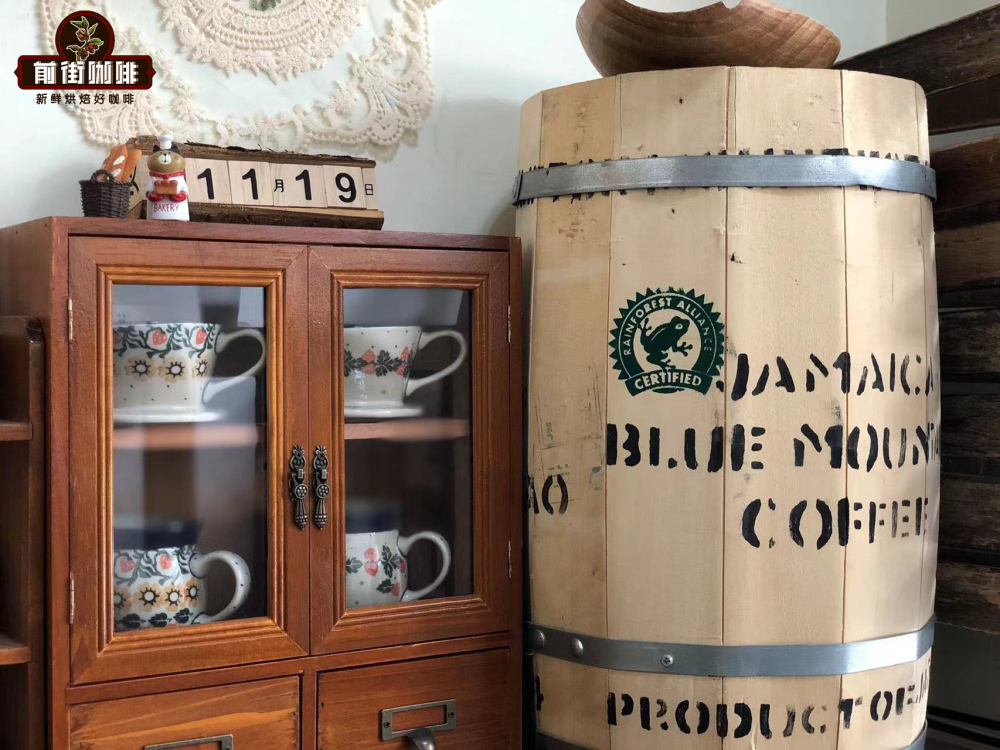
Notably, Blue Mountain beans that pass inspection are packaged and shipped in handmade oak barrels. This practice not only helps control moisture content but also minimizes aroma loss during transport, serving as one of the key identifiers of authentic product. The CIB also recommends medium to dark roasting to highlight the traditional flavor profile of Blue Mountain coffee. With appropriate roasting, Blue Mountain No. 1 coffee typically exhibits a harmonious blend of dark chocolate, nuts, caramel, cream, and toffee notes.
If you want to brew Blue Mountain No. 1 coffee at home, it is recommended to first master the appropriate brewing parameters to fully showcase its delicate flavor layers. Here are some practical pour over suggestions:
[Preparation] Freshly roasted coffee beans, pour over kettle, server, grinder, filter cone, filter paper, thermometer, and scale. It is recommended to use beans roasted within 5 days and allow them to degas for 4 to 7 days to achieve optimal flavor expression.
[Brewing Parameters]
• Coffee dose: 15 grams
• Coffee-to-water ratio: 1:15 (can be fine-tuned to 1:13~1:17 based on taste preference)
• Water temperature: 87–88°C (lower temperature recommended for medium-dark roasts to avoid over-extraction)
• Grind size: Medium, approximately 75% passing through a #20 sieve (adjustable according to actual conditions)
• Filter cone: KONO filter cone
• Brewing method: Three-step pouring
[Pour Over Steps]
1. Wet the filter paper and attach it tightly to the filter cone. Discard excess water, then add 15 grams of coffee grounds.
2. Bloom with 30 grams of 88°C hot water for about 30 seconds to release gases and awaken aromas.
3. Then pour in a circular motion with a small stream of water up to 125 grams. When the coffee bed descends to the middle of the cone, continue pouring to 225 grams. Total brew time should be around 2 minutes.
4. Gently swirl the coffee slurry and pour into your cup. It is recommended to enjoy while hot to experience the evolving flavor layers with temperature change.
In addition to pour over, Blue Mountain No. 1 coffee is also well-suited for brewing with other devices such as siphon pots, French presses, mocha pots, or AeroPresses. Each method can highlight different flavor profiles. Coffee enthusiasts are encouraged to experiment and find the brewing style that best suits their palate.
The above content is compiled by CoffeeHunters, a coffee news website.


