







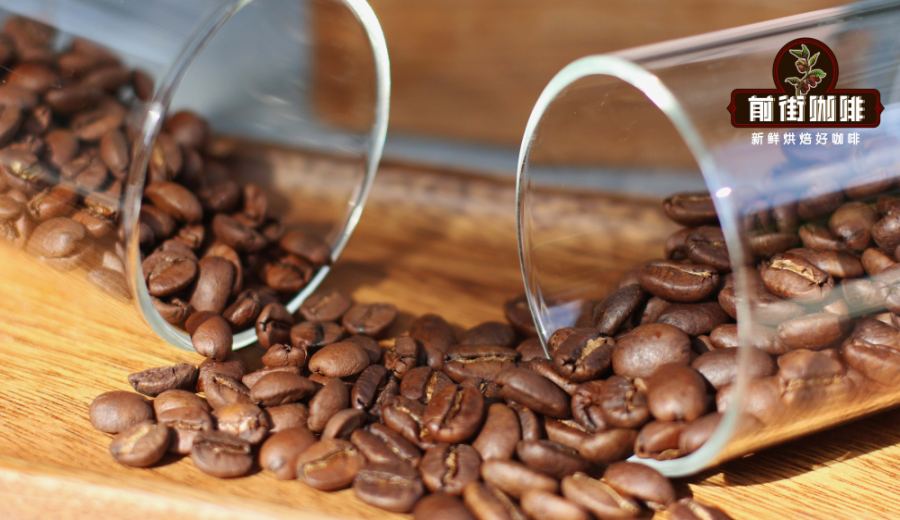
Introduction:The Mamba Blend is a classic espresso combination, expertly crafted from Indonesian Mandheling and Brazilian Red Bourbon beans. This article delves into the regional characteristics, processing methods, and unique flavors of these two coffee beans, and explores how the wet-hulled method and semi-washed process influence coffee taste. It also provides detailed extraction parameters and a latte-making guide. Whether you're a coffee novice or an advanced enthusiast, you'll gain key insights for crafting a rich and satisfying Mamba Latte.
Among the many espresso blends, the Mamba Blend has long been favored for its rich and balanced flavor profile. This blend primarily consists of Mandheling from Indonesia and Red Bourbon from Brazil—two beans that complement each other to create a bold and layered cup. This article will take you through the region, processing techniques, and flavor notes to uncover the secrets of this classic blend, along with practical extraction and latte preparation tips.
Indonesia’s Lintong Mandheling: Intense Flavors from Volcanic Soil
Indonesia’s coffee-growing history dates back to the 17th century, when Dutch traders introduced coffee plants. Today, Indonesia is the world’s fourth-largest coffee producer, exporting around 300,000 metric tons annually—approximately 75,000 of which are Arabica, mostly grown by smallholder farmers on plots rarely exceeding one hectare. Sumatra, one of Indonesia’s most renowned coffee regions, is celebrated for the distinctive flavor of its Mandheling beans.
Lintong Mandheling grows at elevations between 1,000 and 1,500 meters in mountainous terrain characterized by abundant volcanic landforms and lakes—especially around Lake Lawar, a key coffee-growing area. The soil is brown, weathered volcanic ash known as andosol, rich in organic matter. Combined with a tropical rainforest climate featuring consistent year-round rainfall, it provides ideal growing conditions for coffee.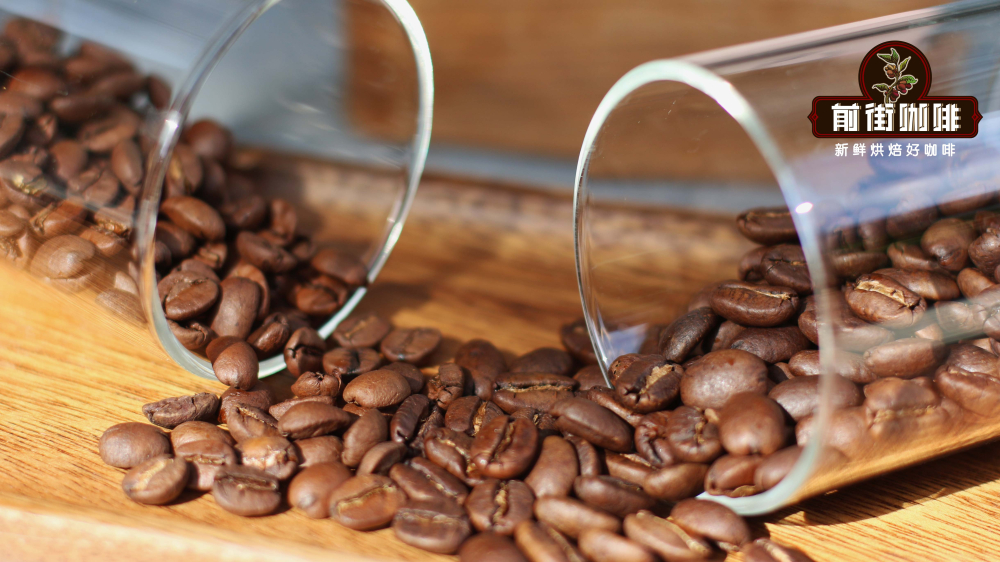
The intense and layered flavors of Mandheling are largely due to thewet-hulled methodused in its processing. This technique differs from traditional washed processing: after removing the fruit skin and pulp, farmers ferment the beans briefly with their parchment and mucilage intact, wash off the mucilage, then sun-dry the beans still in their parchment for 2–3 days until moisture content drops to 20–24%. Finally, the outer parchment layer is removed and drying is completed. Given Indonesia’s year-round humidity levels of 70–90%, the wet-hulled method significantly shortens drying time and boosts efficiency, though it can leave slight indentations on the bean surface, known as "elephant foot" marks—a normal occurrence, not a defect.
The flavor of Lintong Mandheling typically showcasessweet herbal and cinnamon-like spice notes, along with a rich sweetness from citrus-peel-like fruitiness and creamy walnut-chocolate tones. As the cup cools, the herbal and spice aromas become more pronounced, delivering a bold yet balanced mouthfeel.
Brazil Red Bourbon: Low-Acidity Balance and Smooth Body
The Brazilian Red Bourbon we use comes from the hilly regions of South Minas, at altitudes between 700 and 1,200 meters. As a major global coffee producer, Brazil’s landscape is dominated by plateaus and plains, with common varieties including Yellow Bourbon, Red Bourbon, and Santos. Compared to other regions, Brazilian coffee is typically known for itslow acidity, full body, and nutty character. While it may not stand out in the specialty coffee scene, it plays an indispensable role in espresso blends.
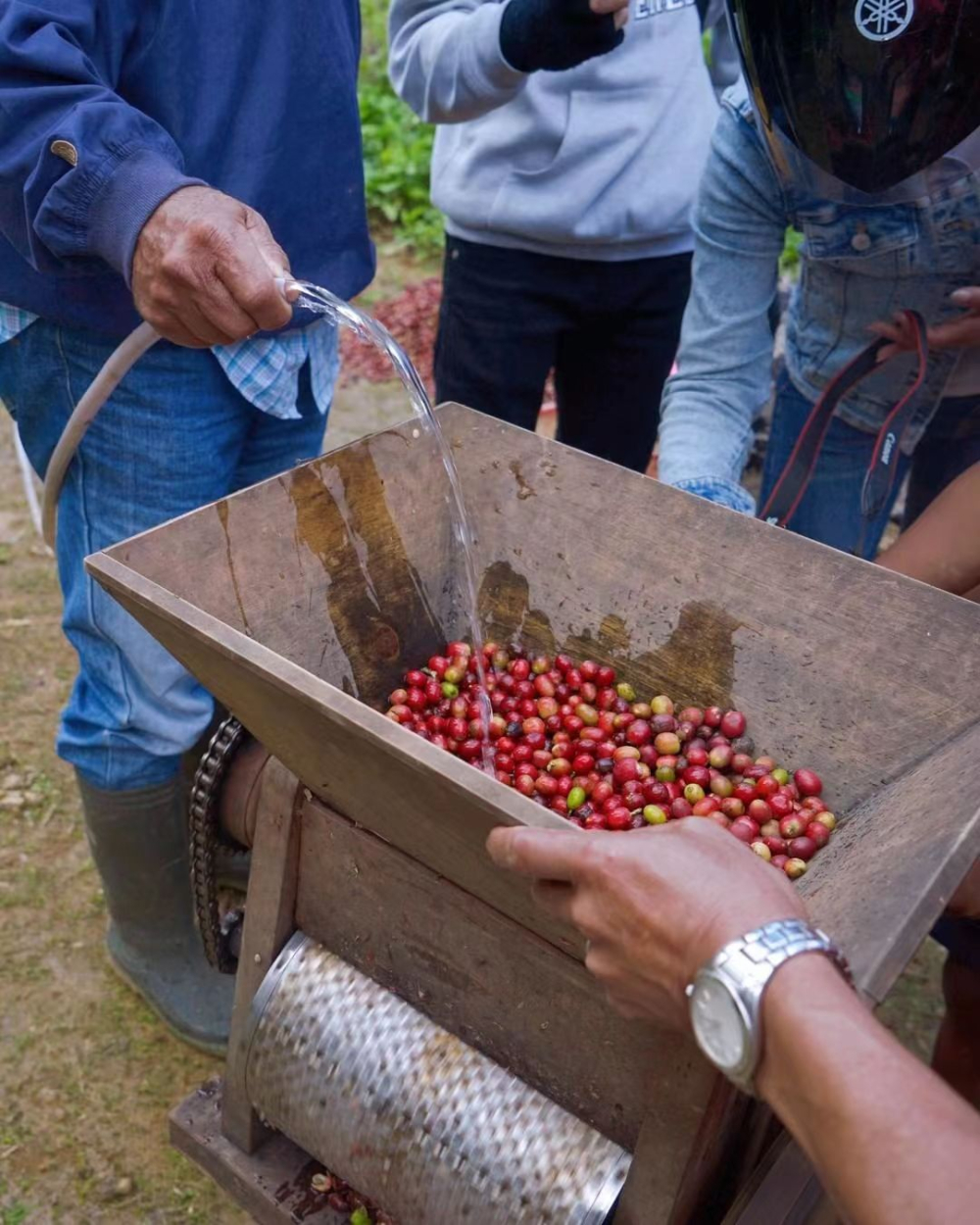
This Red Bourbon is processed using thesemi-washed (pulped natural) method, where the skin and some pulp are first removed, followed by mucilage removal via a demucilager, and then sun drying. This approach reduces drying time and minimizes risks of fermentation or mold in hot, humid conditions—making it especially suitable for parts of Brazil’s climate.
The flavor profile of Brazilian Red Bourbon is dominated byhigh sweetness, cleanliness, smoothness, and low acidity, making it an excellent balancing base when paired with beans from other origins.
Mamba Blend Composition and Extraction Recommendations
The Mamba Blend is typically a 1:1 mix of Lintong Mandheling and Brazilian Red Bourbon, roasted to a medium-dark level to highlight caramel, dark chocolate, and nutty notes. Some recipes may include a small portion of Robusta beans to enhance crema and latte art performance.
For espresso extraction, use 20 grams of coffee grounds and aim for a 40-gram yield, with an extraction time of26 to 32 seconds. Grind setting can be referenced at Galileo 2.0, but adjust based on bean freshness and daily environmental factors. Before extraction, ensure the portafilter basket is dry, the coffee is evenly distributed, and properly tamped to achieve consistent results.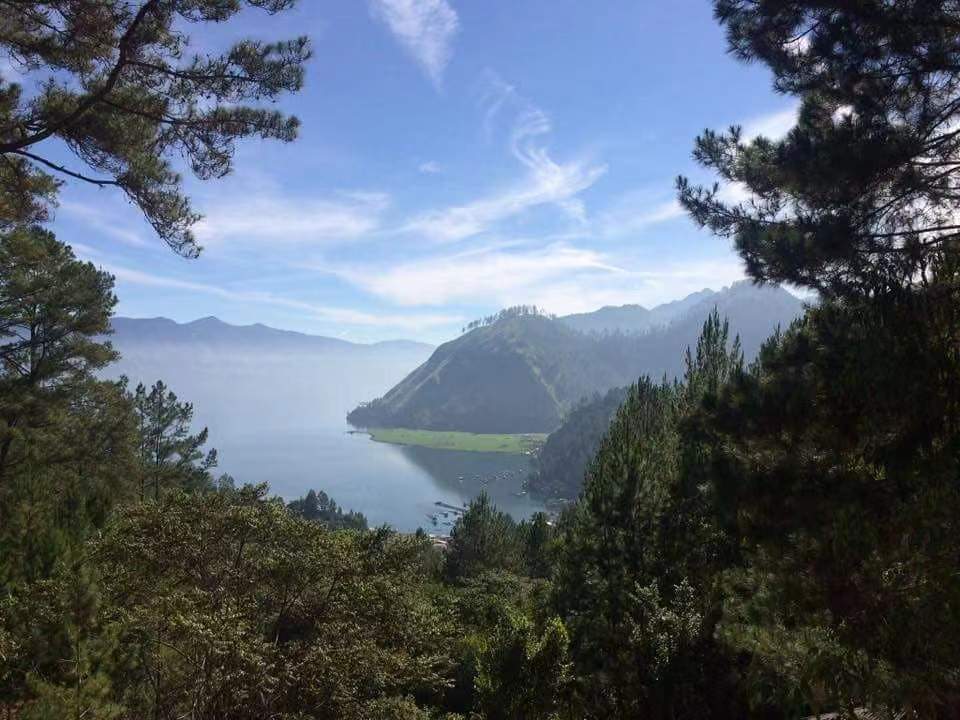
Begin with a 1–2 second pre-infusion to saturate the coffee bed, then start the full extraction. Monitor flow rate and total output; stop when you reach 40 grams at around 30 seconds. Note that ambient humidity and bean condition may require parameter adjustments.
How to Make a Mamba Latte
Using a double shot of espresso (around 40 grams) as the base, combine with 240 ml of freshly steamed milk heated to about 60°C and textured with 0.5 cm of microfoam. Gently integrate the milk for a smooth pour and attractive latte art. The resulting Mamba Latte delivers a rich, velvety cup with aromas of chocolate, cream, and cookies, a smooth mouthfeel, and a sweet lingering finish—ideal for those who enjoy bold, full-bodied coffee.
Lattes offer great flexibility—you can customize with toppings like caramel, vanilla, or cinnamon powder to add extra layers. With its high milk ratio, lattes are more forgiving of coffee bean flaws, making them a great entry point for exploring blended espresso.
Freshness and Storage Tips
After roasting, coffee beans continue releasing carbon dioxide, with peak flavor typically occurring within50 days post-roast. For the best taste experience, choose freshly roasted beans. Store them away from light, moisture, and oxygen—use airtight containers or specialty coffee bags to extend shelf life.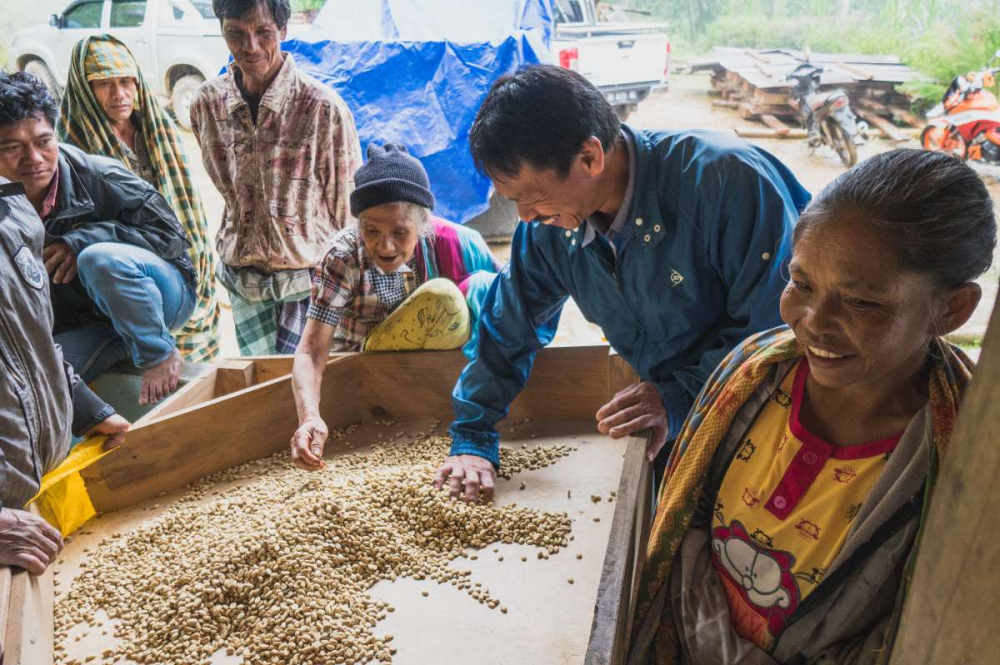
In summary, the Mamba Blend combines the boldness of Indonesian Mandheling with the balanced richness of Brazilian Red Bourbon to create a classic espresso suitable for various brewing methods. Whether you’re looking to understand blending principles or recreate a smooth, velvety Mamba Latte at home, this guide offers practical tips and actionable advice.
The above content is compiled by CoffeeHunters, a coffee news website.


