








Introduction:Want to understand pour over coffee better? You can get a preliminary sense of variety traits just by looking at the beans' appearance. This article provides a detailed breakdown of seven common Arabica varieties — Typica, Bourbon, Geisha, Caturra, Catuai, SL28 and SL34, as well as Ethiopian Heirloom — covering bean shape, particle characteristics, and flavor profiles. It helps you build a foundation for variety identification and grasp the unique charm of each bean, giving you more direction whether you're selecting coffee beans or adjusting your brewing.
The world of coffee is rich and diverse. Different varieties not only vary in flavor expression, but their bean shapes also hide many clues. Learning to observe the "appearance" of coffee beans is the basis for further understanding their characteristics and suitable brewing methods. Below, we’ll start with bean shape features and introduce the seven major mainstream coffee varieties — Typica, Bourbon, Geisha, Caturra, Catuai, SL28 and SL34, as well as Ethiopian Heirloom — one by one. You’ll also learn about their respective flavor directions, helping you become more discerning when selecting or tasting coffee.

The appearance of coffee beans often reveals clues about their variety. Next, we’ll start with the most basic step — “looking at the beans” — and gradually distinguish the unique features of these common varieties, as well as the flavor profiles they present.
Typica (Typica)
Typica is one of the oldest varieties within the Arabica species, originating from Ethiopia and southeastern Sudan. Its growing tip exhibits a distinctive reddish-copper color, hence it’s also called “red-tipped coffee.” The genes of most current Arabica varieties can be traced back to Typica. The coffee beans of this variety are relatively slender and oval, with an elegant and plump appearance. When brewed, the flavors are typically clean and clear, with an elegant and pure tone, making it suitable for drinkers who prefer a delicate mouthfeel.
Bean shape reminder: Slender and oval, elegant in appearance, with a reddish-copper growing tip.
Bourbon (Bourbon)
Bourbon is a natural mutation of Typica, with the most significant change being in bean shape — shifting from the original slender form to short and round. This variety was first planted on Réunion Island (known as Bourbon Island before 1789) in Brazil, hence its name. Bourbon beans are thicker and have an overall short and round appearance, usually offering outstanding sweetness and smooth mouthfeel, making them a classic flavor representative beloved by many coffee enthusiasts.
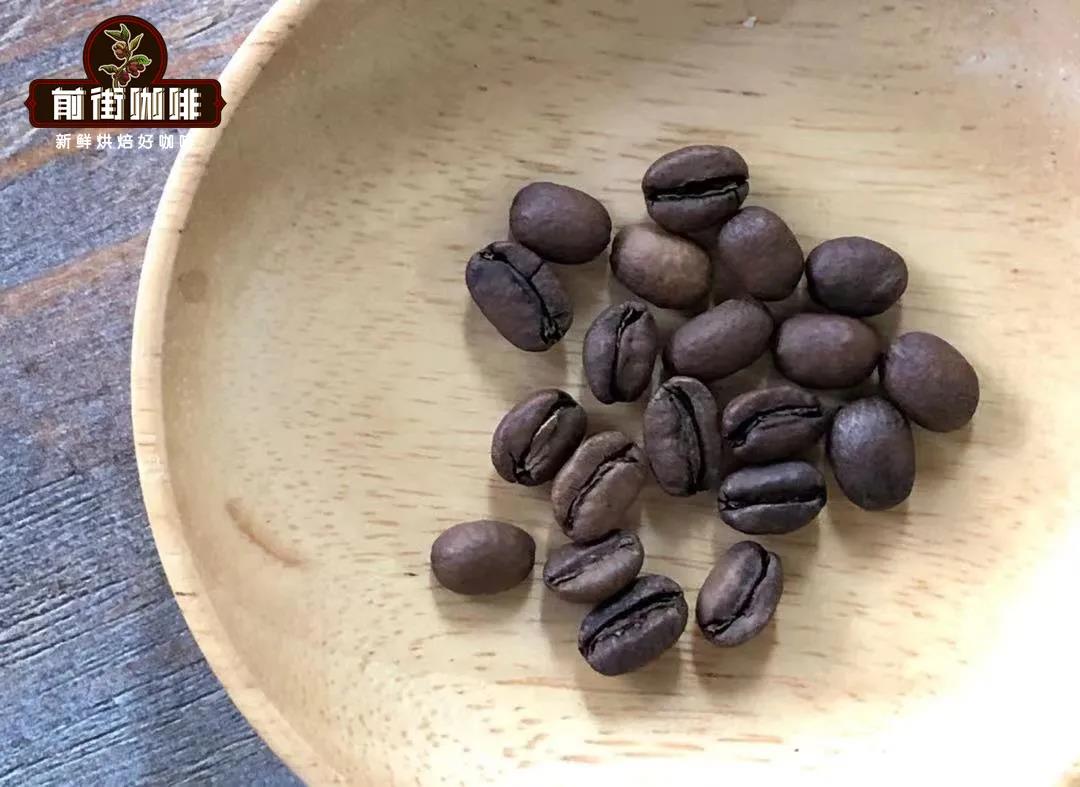
Bean shape reminder: Short, round, and plump, with thick beans, and distinctly sweet flavors.
Geisha (Geisha)
Geisha originates from the Gesha Forest in Ethiopia and is renowned for its extremely low yield and unique aromatic expression. Compared to other varieties, Geisha plants have longer internodes between branches, with fewer flowers and fruits, making cultivation more challenging. The beans are slender with pointed ends and a rounded middle, making them highly recognizable. To bring out Geisha’s delicate floral and citrus notes, it requires high altitude, large diurnal temperature variation, and a favorable growing environment to accumulate sufficient flavor compounds.
Bean shape reminder: Slender with pointed ends, rounded in the middle, and rare in yield.
Caturra (Caturra)
Caturra is a natural mutation of Bourbon, characterized primarily by shorter internodes and a more compact plant structure. Although individual fruits are smaller, it achieves higher yields per unit area. Its bean shape is slightly long with a round base and a slightly curved tail, often delivering bright acidity and a clean mouthfeel, along with notable sweetness. It’s suitable for brewers seeking vibrant flavors.
Bean shape reminder: Round yet slightly elongated with a slight curve, high-yielding, and featuring fresh and bright flavors.
Catuai (Catuai)
Catuai is a hybrid offspring of Caturra and the Mundo Novo variety, combining the strengths of both: high yield and disease resistance from Mundo Novo, as well as the small fruit size and good sun-drying suitability of Caturra. The plants are shorter and can be grown at double density, improving efficiency per unit area. The beans are oval and somewhat flat with a slender tail, offering soft acidity and a wealth of fruity aromas, with a clean and refreshing mouthfeel.
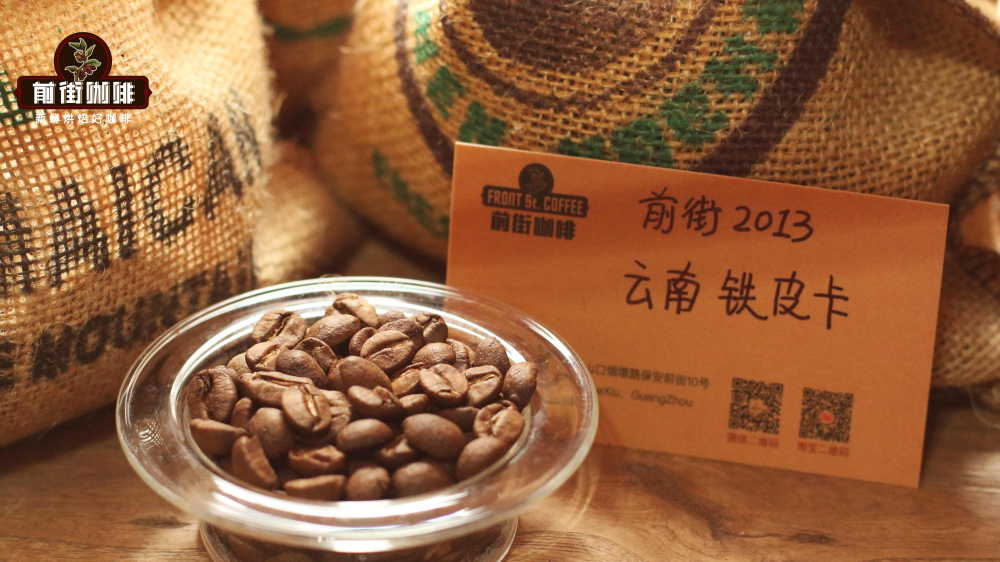
Bean shape reminder: Oval and somewhat flat, with a slender tail, and rich in fruity tones.
SL28 and SL34
These two varieties originated between 1935 and 1939, selected and cultivated by the Scott Laboratories (Scott Laboratories) from among numerous varieties. The lab prefixed the series with “SL,” eventually choosing SL28 and SL34 as two classics. SL28 has a Bourbon genetic background, with short, round beans that are thick-bodied, featuring pronounced acidity and high sweetness; SL34 carries Typica genetics, with slightly oval beans that appear flatter from the side, offering balanced acidity and sweetness, with a caramel-like richness often present in the aftertaste.
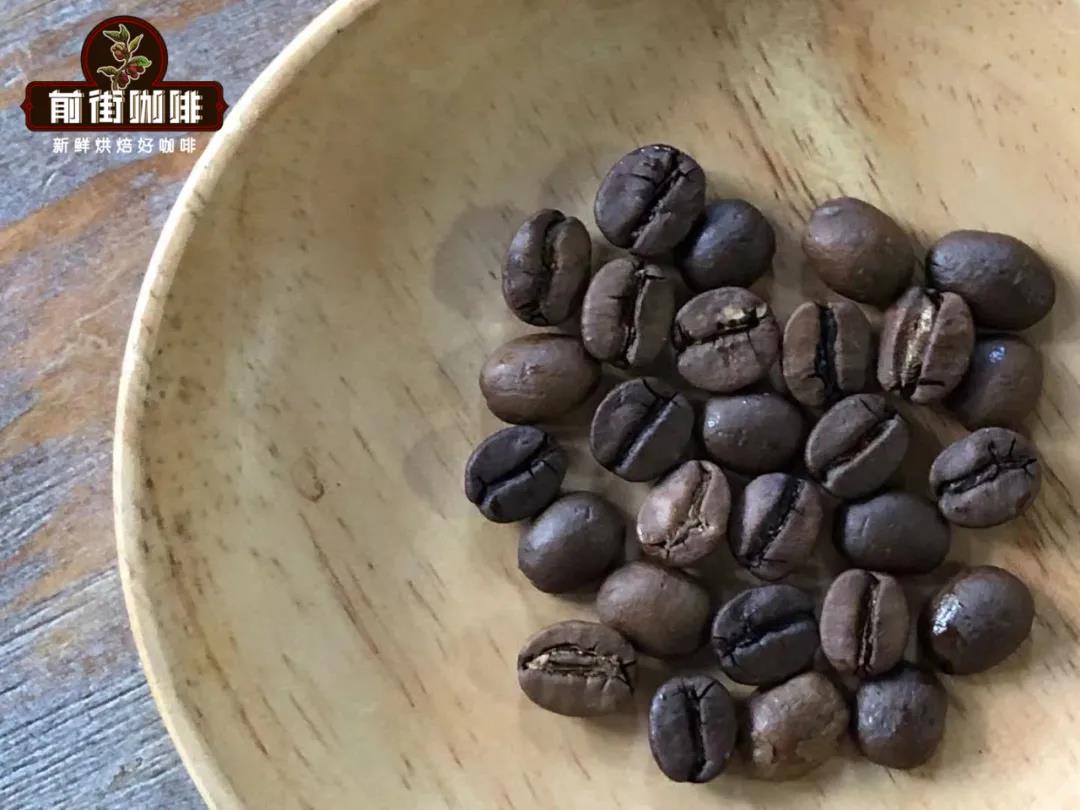
Bean shape reminder: SL28 is short, round, and thick-bodied; SL34 is oval and somewhat flat, with richly layered flavors.
Ethiopian Heirloom (Heirloom)
Ethiopia possesses the world’s richest coffee gene pool. Due to the large number of local varieties, classification difficulties, and the government’s intent to protect varietal diversity, most unnamed varieties are collectively referred to as “Ethiopian Heirloom.” These beans are usually mixed in planting and harvesting, resulting in inconsistent sizes and irregular appearances. Flavor-wise, they often feature floral notes, fruitiness, and distinct citrus acidity, making them a unique flavor source sought after by many specialty coffee enthusiasts.
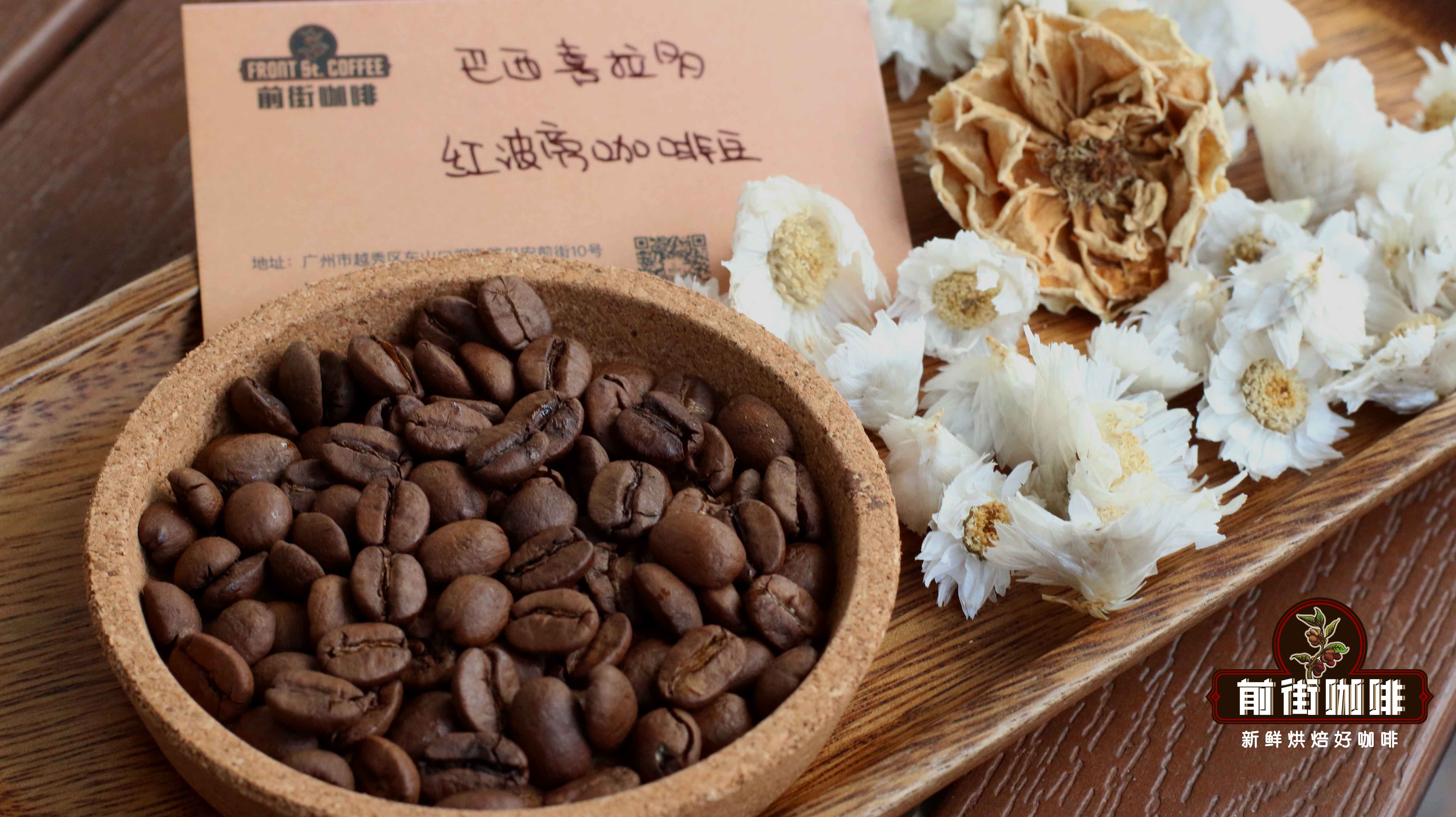
Bean shape reminder: Varying in size, irregular in appearance, with prominent floral and fruity flavors.
In summary, understanding the appearance and flavor characteristics of coffee varieties can help you make more informed choices when selecting beans and allow you to adjust brewing parameters such as water temperature, grind size, and technique based on variety traits, thereby further bringing out the beans’ potential. Whether you’re just starting out or already have some experience, this variety identification guide can be a practical tool for exploring the world of coffee.
The above content is compiled by CoffeeHunters, a coffee news website.


