







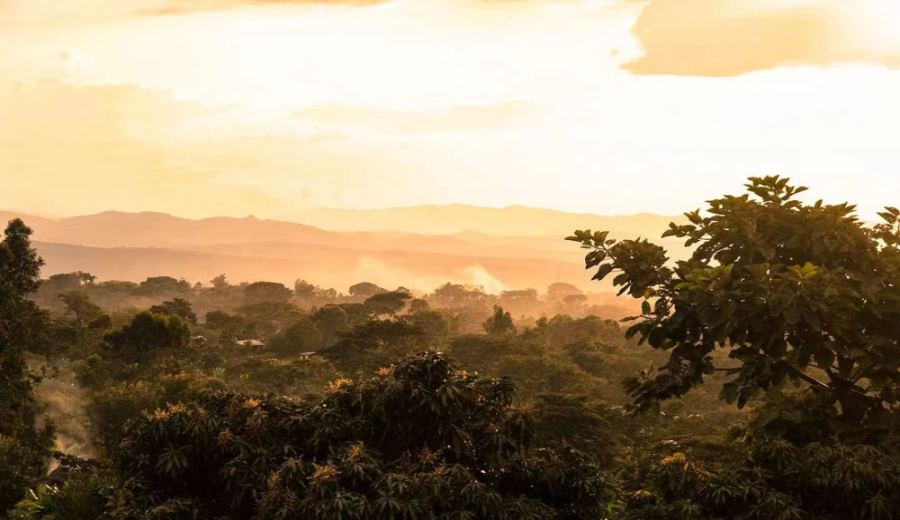
Introduction:Ethiopia is hailed as the cradle of coffee, boasting the world’s richest coffee gene pool, with its nine major specialty coffee regions each offering distinct flavor profiles. This article delves into the altitude, processing differences, and typical cupping flavors of regions such as Yirgacheffe, Sidamo, and Harrar, while also providing practical pour over recommendations and parameter settings to help coffee enthusiasts find their ideal Ethiopian beans.
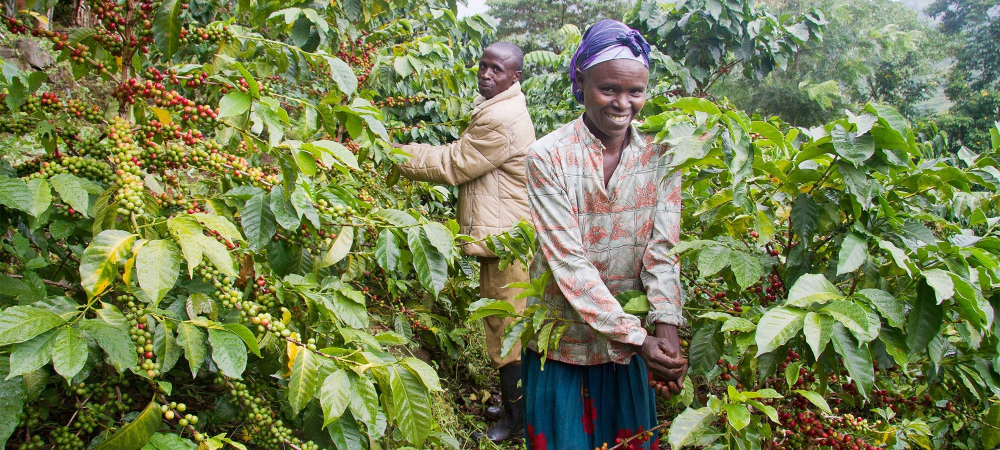
Ethiopia is not only the birthplace of coffee but also a global genetic treasure trove of coffee varieties. Local coffee cultivation can be divided into four types: forest coffee, semi-forest coffee, garden coffee, and plantation coffee, with the first three accounting for over 90% of national production. This diverse cultivation model has given rise to Ethiopia’s unparalleled flavor diversity and regional characteristics.
The country’s nine major coffee regions are: Jimma, Sidamo, Yirgacheffe, Harrar, Limu, Illubabor, Gimbi (Lekempti), Teppi, and Bebeka. Each region, influenced by terrain, altitude, and processing methods, exhibits unique flavor profiles, ranging from bright fruity notes to rich and bold profiles, each with its own charm.
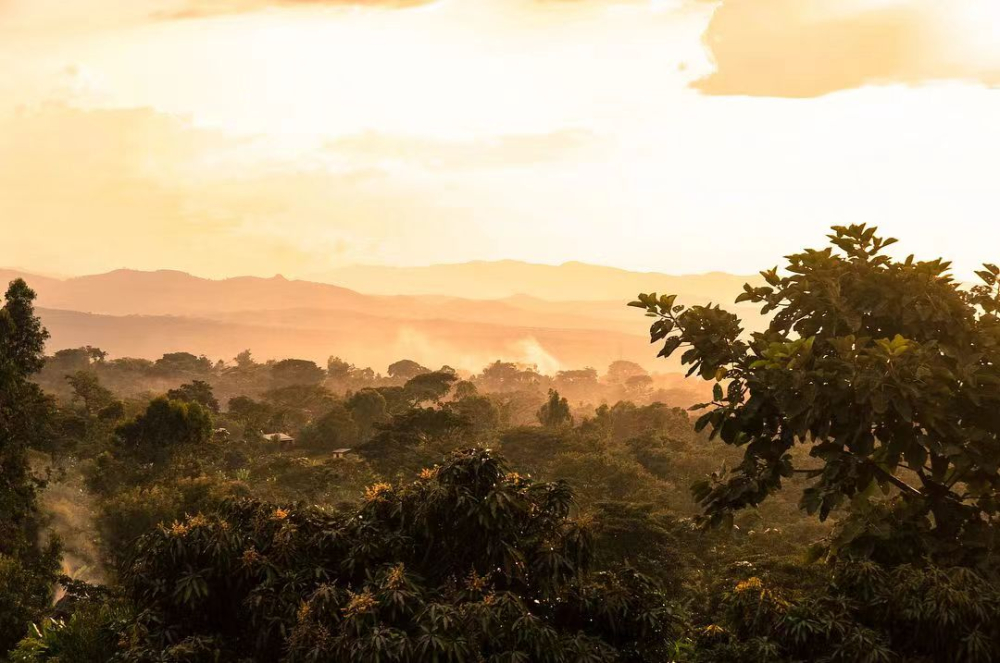
Among these regions, garden coffee is the most common cultivation form. Smallholder farmers often intercrop coffee trees with other crops, especially favoring planting under false banana trees, which not only provide shade but also create Ethiopia’s distinctive agricultural landscape. Forest and semi-forest systems rely on natural shade and ecological balance, often yielding coffee with richer complexity. In contrast, plantation coffee, while produced at scale, is less commonly found among high-quality specialty coffees.
In terms of flavor performance, western regions such as Teppi, Bebeka, Illubabor, and the northwestern Lake Tana area typically produce larger coffee beans with a pronounced wild character, but with more restrained acidity. Central and south-central regions, especially Limu, Yirgacheffe, and Sidamo, are renowned for their clear floral and fruity notes, bright acidity, and rich aromatic layers, making them the most favored by specialty coffee enthusiasts. As for eastern Harrar, it combines wildness with fruity notes, though quality can be inconsistent and careful selection is required.
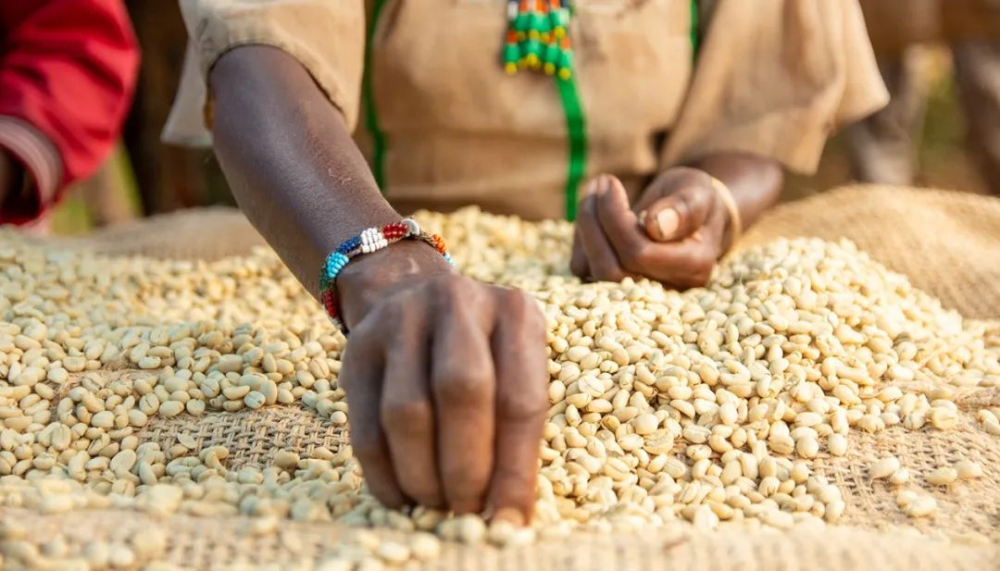
Another standout feature of Ethiopian coffee lies in its ancient variety genetics and diverse post-harvest processing methods. Most of the locally grown coffee consists of heirloom varieties with extremely high genetic diversity, combined with various processing methods such as washed, natural, and even semi-washed, resulting in each batch potentially exhibiting vastly different flavor profiles—truly the “flavor of kings” in the coffee world.
Below is a detailed breakdown of Ethiopia’s nine major specialty coffee regions:
Yirgacheffe: Located at altitudes between 1700 and 2400 meters, it primarily uses the garden coffee system and was originally part of Sidamo before gaining independence due to its unique flavors. This region includes not only the town of Yirgacheffe but also sub-regions such as Wenago, Kochere, Gelena, and Abaya. Under the new grading system, Yirgacheffe Grade A beans are usually priced higher than those of the same name in Grade B. In addition to traditional washed and natural processes, there have been many impressive semi-washed processed beans in recent years.
Typical flavor profiles include bright citrus acidity, delicate white floral notes, and almond and tea-like finishes. One coffee brand’s “Yirgacheffe Guddu Cooperative” is a representative of washed processing, sourced from altitudes of 1900–2300 meters, with Ethiopian heirloom varieties. Its flavors include citrus, black tea, caramel, almond, and green tea, suitable for those who enjoy bright fruit acidity and tea-like notes. Another product, “Yirgacheffe Red Cherry,” uses a natural process, produced by the Aletreng washing station at an altitude of 2300 meters, featuring intense citrus, berries, fermentation aromas, and a creamy mouthfeel.
Sidamo: With altitudes ranging from 1400 to 2200 meters, it also mainly features garden coffee, with flavors similar to Yirgacheffe but generally greater body. Common varieties in this region include Kurmie, Wolisho, and Deiga, with Deiga—due to its medium and stable tree form—often used in premium natural series such as Biloya and Aricha. One coffee brand’s “Sidamo Huakui” comes from the Buku Able washing station in the Hambela area, at altitudes of 2250–2350 meters, processed naturally. Its flavors include citrus, strawberry, passionfruit, fermentation notes, and black tea undertones, with a rich and layered mouthfeel.
Limu: At altitudes between 1200 and 2000 meters, it has a smaller output and is mainly exported to European and American markets, making it less commonly available in Taiwan. Processing methods include washed, natural, and semi-washed. Its flavors do not emphasize floral and citrus notes as prominently as Yirgacheffe or Sidamo, but it offers unique grassy and black sugar aromas, with bright acidity, suitable for coffee enthusiasts who enjoy distinctive profiles.
Harrar: Situated at altitudes between 1500 and 2400 meters, it is an ancient region in eastern Ethiopia, known for its natural processing. The coffee here does not come from the city of Harrar itself but from the Hararghe Highlands. With annual rainfall of only about 1000 mm, Harrar coffee is almost entirely processed naturally, yielding flavors with intense spice and berry notes, considered one of the representatives of ancient flavor profiles. However, quality has been inconsistent in recent years, so it is advisable to sample or cup thoroughly before purchasing.
Jimma: At altitudes between 1350 and 1850 meters, it is Ethiopia’s largest-producing region, primarily using forest and semi-forest systems. Jimma coffee is mostly commercial grade, and while not as refined as Yirgacheffe or Sidamo, premium washed Jimma beans still exhibit clean and bright flavor profiles, suitable for use as blend components or everyday drinking.
Illubabor: Located in western Ethiopia, bordering Sudan, its beans are noticeably larger than those of Yirgacheffe and Sidamo, with lower acidity but a balanced and full-bodied profile. Most are blended in Jimma, and it is rare to find them sold independently.
Gimbi (Lekempti): At altitudes between 1500 and 1800 meters, it offers both natural and washed processing. The beans are similar in shape to those of Harrar, and some premium beans have received positive feedback in European and American markets, with bright flavors and are referred to as the “poor man’s Harrar.”
Teppi and Bebeka: These two adjacent regions range from 500 to 1900 meters in altitude and feature both corporate-managed plantation farming and the promotion of garden systems. The coffee here has low acidity, making it suitable for blends, with processing methods including natural and washed.
Lake Tana: At an altitude of 1840 meters, its production is extremely limited. The coffee produced by surrounding monasteries and forests carries a mysterious allure, reputed to be the most “divinely flavored” coffee. Though not a major producing region, it garners much attention due to its unique background.
In terms of processing technology, Ethiopia introduced the South American washed method in 1959, significantly improving coffee cleanliness and flavor consistency. Starting in 2006, some processing stations also began using raised African beds to prevent coffee from contacting the ground, further enhancing the quality and purity of natural beans.
For pour over enthusiasts, it is recommended to use light roasting for beans with prominent fruity and floral profiles, such as Yirgacheffe, paired with water at 92°C and a fine grind with 80% passing through a #20 sieve, using a V60 filter cone for a three-stage extraction to fully highlight acidity and aroma layers. Suggested parameters include: 15 grams of coffee, a 1:15 coffee-to-water ratio, total extraction time of about 2 minutes, starting with a 30-second bloom of 30 grams of water, followed by 95-gram and 100-gram increments for staged extraction.
The above content is compiled by CoffeeHunters, a coffee news website.


