







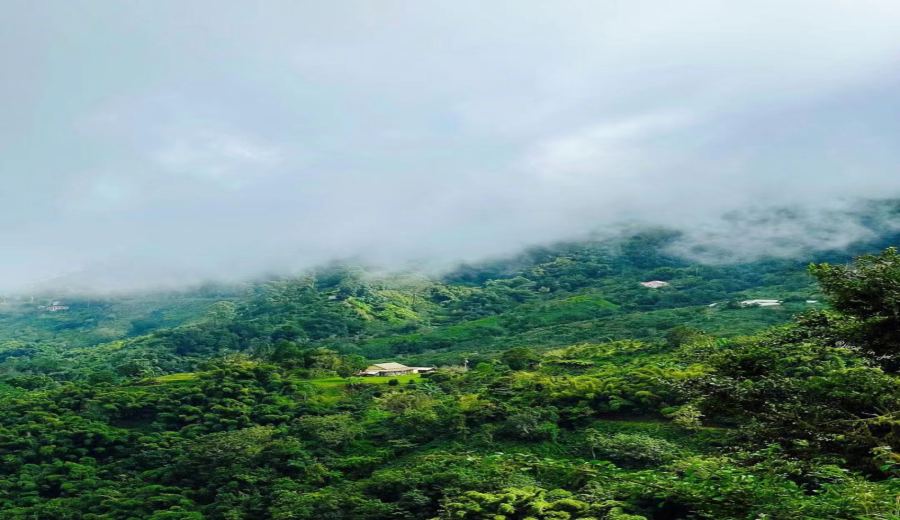
Introduction:Jamaica Blue Mountain coffee has long been regarded as synonymous with premium coffee, yet many coffee enthusiasts still have only a vague understanding of its growing regions, grading system, and varietal characteristics. This article delves into the legally defined cultivation area of Blue Mountain coffee, the heritage and traits of the Typica variety, introduces the CIB’s strict quality control standards and the tradition of barrel packaging, and explains the origins of Japan’s priority purchasing rights. It also provides practical tips on how to identify genuine Blue Mountain coffee through certificates and packaging, helping you avoid common counterfeits on the market.
When it comes to specialty coffee, Jamaica Blue Mountain is undoubtedly a legend in the minds of many. But beyond the impressions of “high price” and “great taste,” how many people truly understand its regional restrictions, grading system, and the story behind its varietals? This article will take you from the origins of Jamaica’s coffee industry to an in-depth exploration of Blue Mountain coffee’s cultivation regulations, the uniqueness of the Typica variety, and how to distinguish real from fake Blue Mountain on the market.
The history of Blue Mountain coffee dates back to the 18th century, but it wasn’t until 1953 that it truly began to make its mark on the international market. This was largely due to the efforts of the Jamaica Coffee Industry Board (CIB), established in 1948. The association clearly defined the geographical boundaries of the coffee-growing regions within the Blue Mountains, ensuring that only coffee produced in specific areas could be called “Blue Mountain coffee.” Jamaica is a small country with limited areas suitable for coffee cultivation, mostly concentrated around the Blue Mountains, which is why Blue Mountain coffee has always had relatively low production—even at its peak in 1932, output did not exceed 10,000 tons.
To improve the overall standard of the coffee industry, the Jamaican government began dispatching professionals to major producing areas as early as 1891 to guide planting and green bean processing techniques, though the results were not significant. It wasn’t until 1944 that the government established the Central Coffee Clearing House, mandating that all exported green beans undergo quality assessment and grading. In 1948, the Coffee Industry Regulation Act was officially enacted, clearly defining the now-familiar Blue Mountain coffee growing regions.
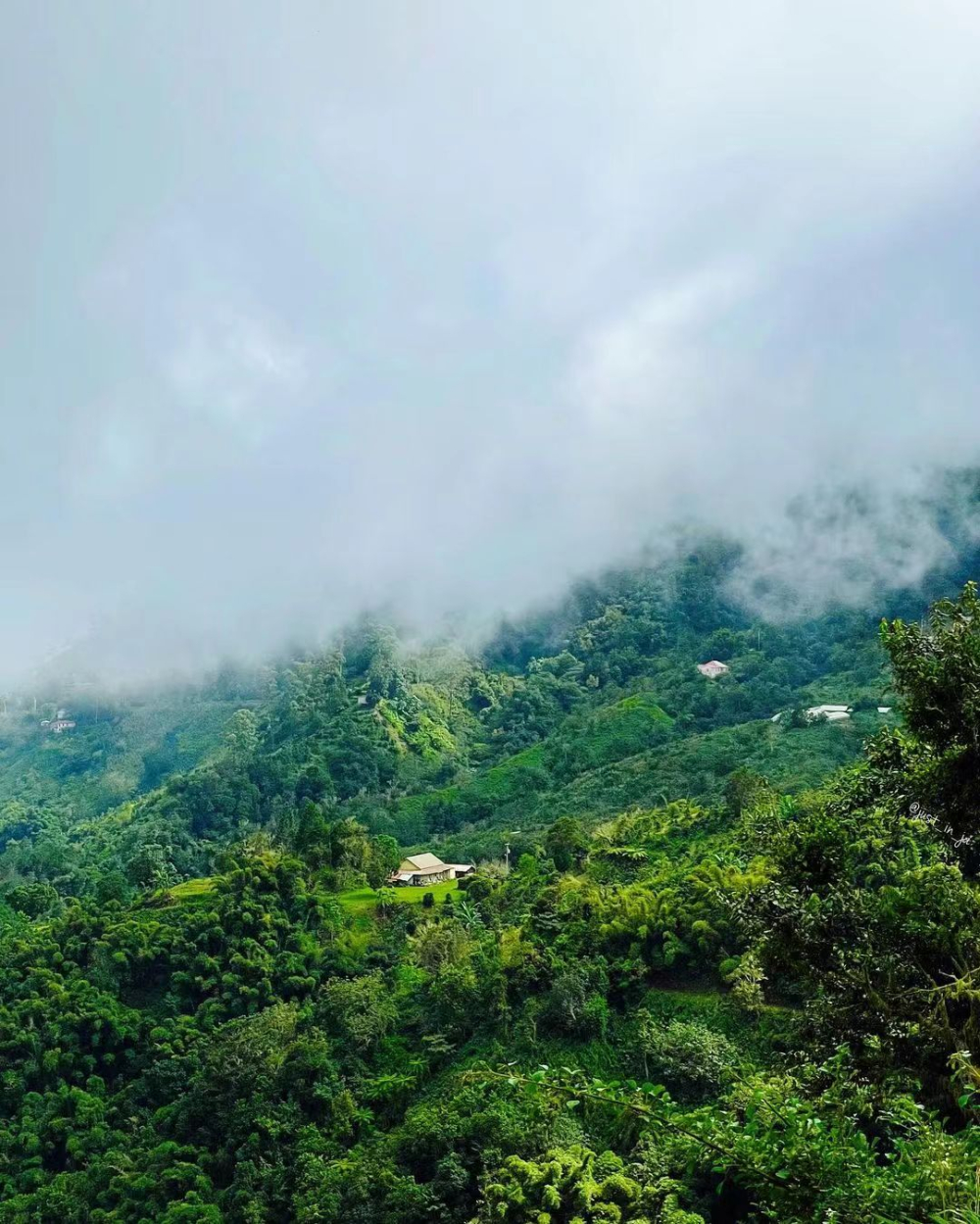
According to regulations, only Typica variety coffee grown at elevations between 3,000 feet (approximately 915 meters) and 5,500 feet (approximately 1,700 meters) within the four administrative regions of St. Andrew, St. Thomas, Portland, and St. Mary qualifies as Jamaica Blue Mountain coffee. This strict standard laid the foundation for the high quality of Blue Mountain coffee.
In 1950, the Jamaica Coffee Industry Board (CIB) was officially established to oversee and maintain the quality and reputation of Jamaica’s coffee. The organization introduced the Certificate of Authenticity and, under the Jamaican Agricultural Produce Act, required all businesses involved in coffee processing, roasting, and sales to hold relevant licenses. Additionally, the CIB not only established a clear grading system but also mandated the distinctive Blue Mountain barrel packaging, while registering the name “Blue Mountain coffee” as a trademark and strictly controlling export product naming rights through an authorization mechanism.
From a cultivation perspective, early coffee-growing techniques in Jamaica were largely inherited from the British, and for three hundred years, the focus has consistently remained on the high-quality Arabica Typica variety. The region has accumulated over two hundred years of coffee-growing experience, and as long as managed properly, producing high-quality coffee is not difficult. Especially in terms of quality control, Jamaica is arguably one of the strictest in the world. For example, for Blue Mountain No. 1, the official standard requires beans to be screened to a size of 17 or larger, with a defect rate not exceeding 3%. Many importers find that upon receiving the green beans, the beans are plump and uniform in size, vibrant green in color, and almost entirely free of visible defects.
Blue Mountain No. 1, No. 2, No. 3, and Blue Mountain Peaberry are among the few coffees in the world that are still exported in wooden barrels. Packaging specifications include 70 kg, 30 kg, and 15 kg. This packaging method not only highlights the unique status of Blue Mountain coffee but also reflects its rigorous quality control process. The Blue Mountain barrel has thus become one of the key indicators for distinguishing authenticity.
It’s worth mentioning that the historical connection between Japan and Jamaica is also a significant chapter in the history of Blue Mountain coffee distribution. In 1969, Japan provided a loan to Jamaica to assist in developing its coffee industry and subsequently purchased large quantities of Blue Mountain coffee over the following years, helping it through economic difficulties. This explains why even today, nearly 90% of Blue Mountain coffee is still sold to Japan. Before the year 2000, Blue Mountain coffee enjoyed a level of fame that was almost comparable to that of civet coffee.
The flavor profile of Blue Mountain coffee is equally unforgettable. During the medium-dark roasting era, Blue Mountain coffee often exhibited a balanced profile of acidity, sweetness, and bitterness, with gentle nutty and chocolatey notes, and a clean, lingering aftertaste. It not only represented the pinnacle of coffee quality at that time but is still regarded by many coffee enthusiasts as the “king of coffees.”
So, how can you identify genuine Blue Mountain coffee? Common products on the market labeled as “Blue Mountain blends” or “Blue Mountain-flavored” coffee are actually unrelated to authentic Blue Mountain. These products are typically created by roasters using dark roasting to blend various beans in an attempt to mimic the flavor of Blue Mountain. Therefore, when purchasing, be sure to check whether the seller provides the following three certificates: a quality certificate issued by the Jamaica Coffee Board, an authorized sales certificate from the Blue Mountain coffee producer, and a certificate of origin. Additionally, Blue Mountain coffee is only exported in wooden barrels, which is another key factor in determining authenticity.
According to official CIB data, mainland China first officially imported Blue Mountain coffee in 2011, when the Hangzhou Coffee and Western Food Association brought in 1,000 barrels (each 70 kg). This also means that starting in 2011, Chinese consumers were able to purchase genuine Blue Mountain coffee through formal channels, finally breaking Japan’s long-standing monopoly.
In summary, the reason Blue Mountain coffee is so precious lies not only in its rare production and unique flavor, but also in its rigorous grading system, varietal heritage, and quality control standards. Understanding this knowledge not only helps you appreciate Blue Mountain coffee more deeply but also enables you to make wiser purchasing decisions.
The above content is compiled by CoffeeHunters, a coffee news website.


