







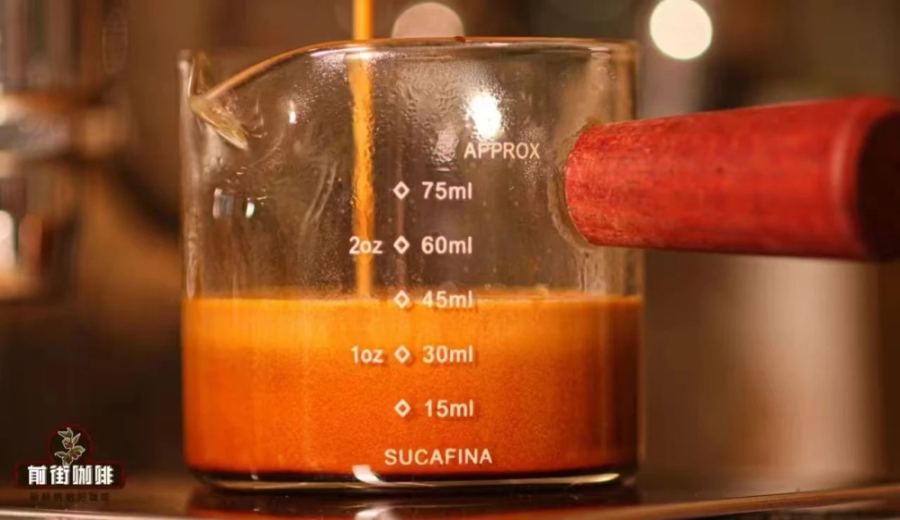
Introduction:Mandheling-Brazil (Mandha-Bah) coffee is a classic blend of Mandheling from Indonesia and Brazilian beans, renowned for its rich, bold flavor and well-balanced, smooth profile. It has become a favorite recipe among many coffee enthusiasts and espresso professionals. This article delves into the origin background, processing methods, and flavor characteristics of Indonesia’s Lintong Mandheling and Brazil’s Red Bourbon, while also providing practical extraction suggestions for a 1:1 blend and techniques for making lattes. It helps readers grasp the essence of this classic blend and explores its pricing positioning along with little tips to enhance crema.
When it comes to classic coffee blends, “Mandheling-Brazil coffee” definitely earns a spot on the list. This combination of Indonesian Mandheling and Brazilian beans, with its full-bodied and layered taste, has long held a solid place in the world of espresso. This article will introduce in detail the two stars of this blend—Lintong Mandheling and Brazil Red Bourbon—breaking down everything from their growing environments and processing techniques to their flavor profiles. It also provides practical 1:1 blending recommendations and extraction parameters, allowing you to better understand the charm of this classic flavor.
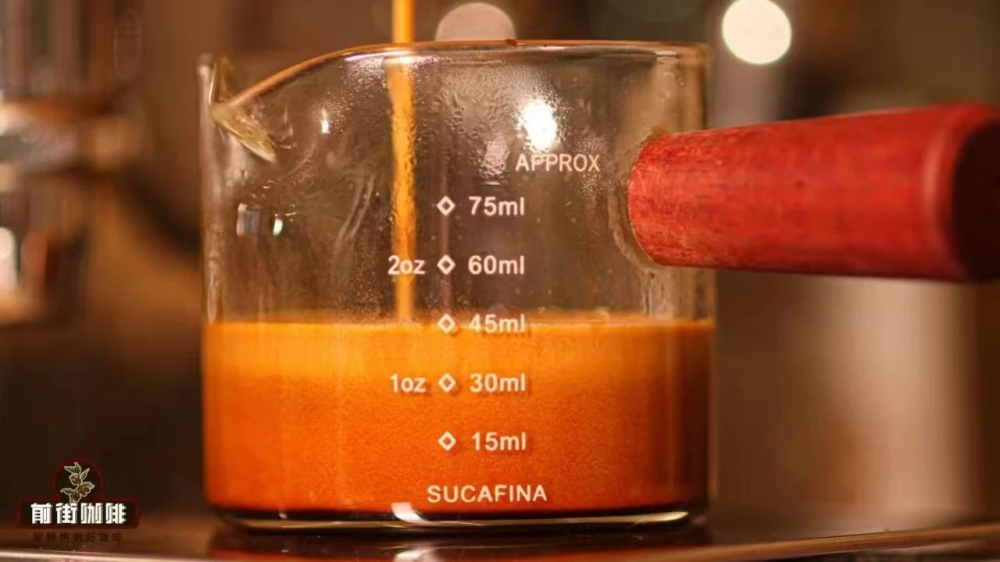
The so-called “Mandheling-Brazil coffee,” as the name suggests, is a blend of Indonesia’s “Mandheling” and Brazilian beans. The reason this combination has stood the test of time lies in the complementary flavors of the two beans: Mandheling offers a bold, rich body and unique spicy notes, while Brazilian beans contribute sweetness, body, and a stable base. When blended together, they produce a full yet balanced flavor, making it highly suitable for making espresso or lattes.
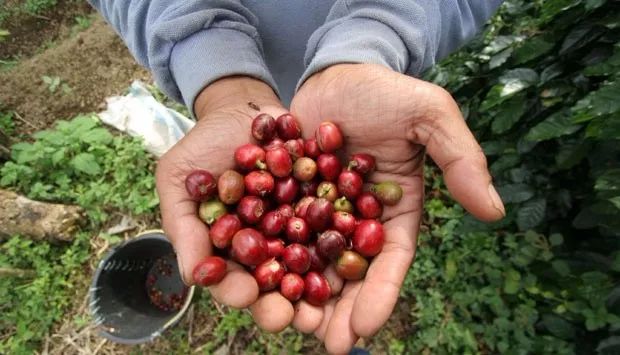
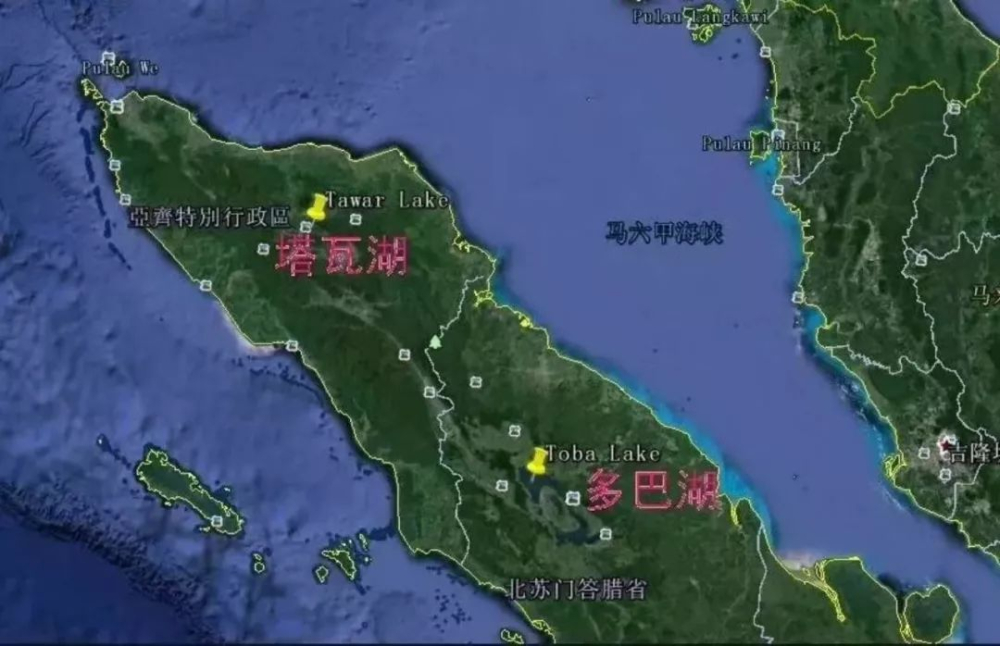
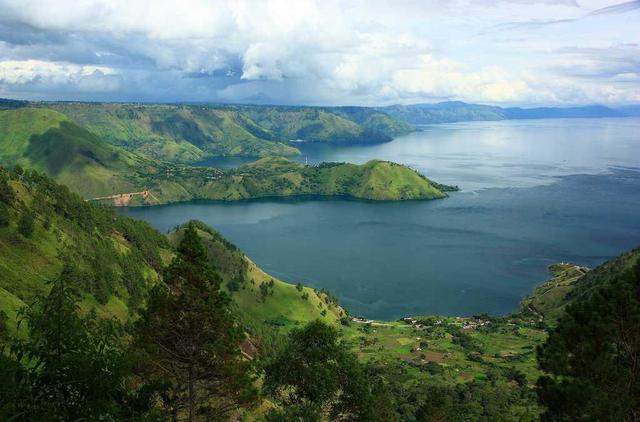
Lintong Mandhelinghas a history that dates back to the mid-17th century, when the Dutch introduced coffee trees to Indonesia. Today, Indonesia is the world’s fourth-largest coffee producer, with an annual export volume of 300,000 tons, of which about 75,000 tons are Arabica varieties. These coffees are mostly grown by smallholder farmers, with each farming household typically cultivating no more than one hectare of land. Sumatra is the main producing region for Mandheling, especially around Lake Toba in the north and Lake Toba in the central area—commonly referred to as the “two lakes, two Mandhelings.” Lintong is located south of Lake Toba and is one of the important producing areas in North Sumatra. Due to its unique altitude and microclimate, it produces Mandheling with distinctive flavors.
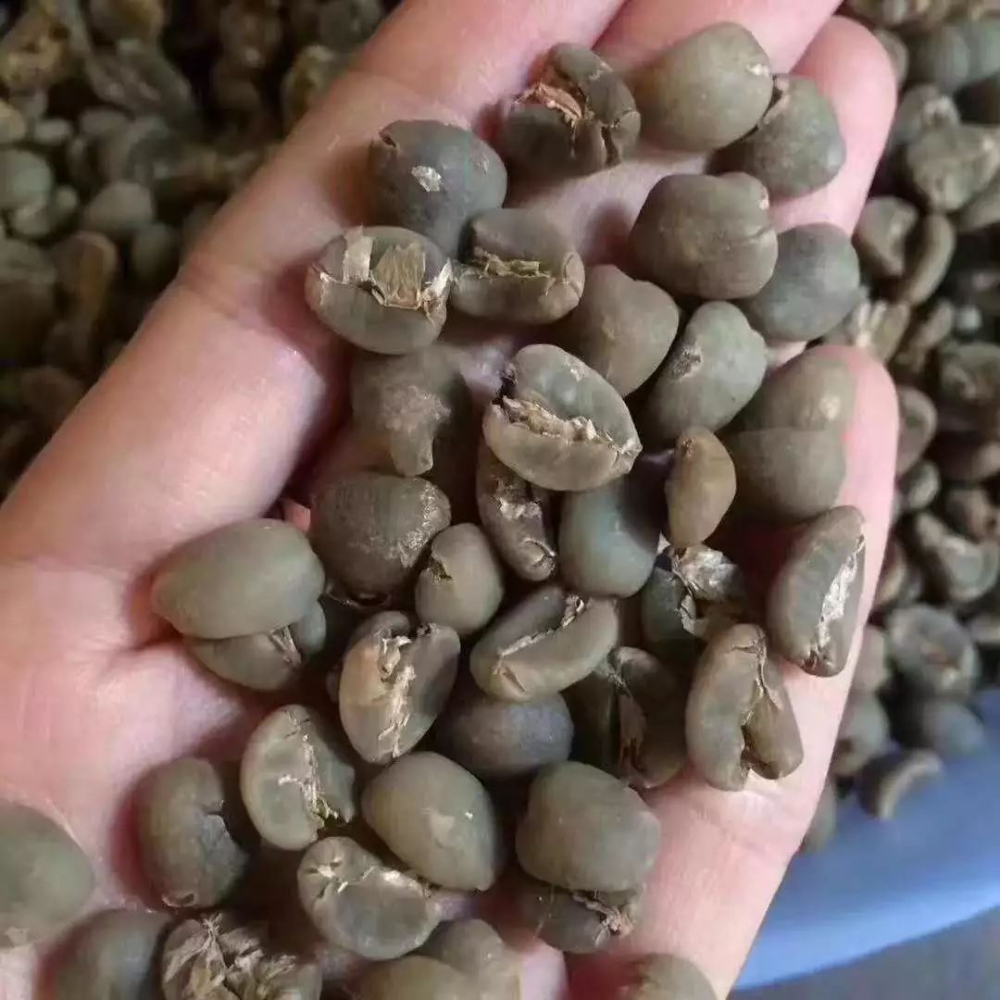
Lintong Mandheling is usually grown at high altitudes between 1,000 and 1,500 meters in plateau mountainous regions, surrounded by volcanoes and lakes. The soil is volcanic ash, rich in minerals, and combined with a tropical rainforest climate with abundant rainfall throughout the year, it creates ideal growing conditions. However, due to the high local humidity and frequent rainfall, traditional washed processing is not easy, so the uniquewet hulling methodis commonly used. This method involves first removing the skin and pulp, retaining the parchment and mucilage for short fermentation, then washing off the mucilage, and drying the beans with the parchment for 2 to 3 days in the sun until the moisture content drops to 20%-24%. Afterward, the parchment is removed for final drying. Although this process speeds up drying, it can easily leave pressure marks on the bean surface, forming the characteristic “elephant ear” beans, which are normal and not defects.
In terms of flavor, Lintong Mandheling exhibits sweet herbal notes, cinnamon-like spices, and citrus peel aromas. The overall taste is rich and sweet, with a finish often featuring notes of cream, walnuts, and chocolate. The acidity is soft and restrained, and as the temperature drops, the herbal and spice aromas become more pronounced, with sustained sweetness and a rich layering.
The other star—Brazil Red Bourbon—comes from the hills of Minas Gerais in southern Brazil, grown at altitudes of about 700 to 1,200 meters. Brazil’s coffee-growing regions are mainly divided into highlands (above 500 meters) and plains (below 200 meters), and Bourbon varieties (including Yellow Bourbon and Red Bourbon) are the mainstream cultivars there. Brazilian coffee is generally known for its low acidity, full body, balance, and nutty notes. While it may not necessarily stand out in specialty coffee competitions, its stability and compatibility make it widely used in various espresso blends, and it is also often used as a base to simulate the flavor of Blue Mountain.
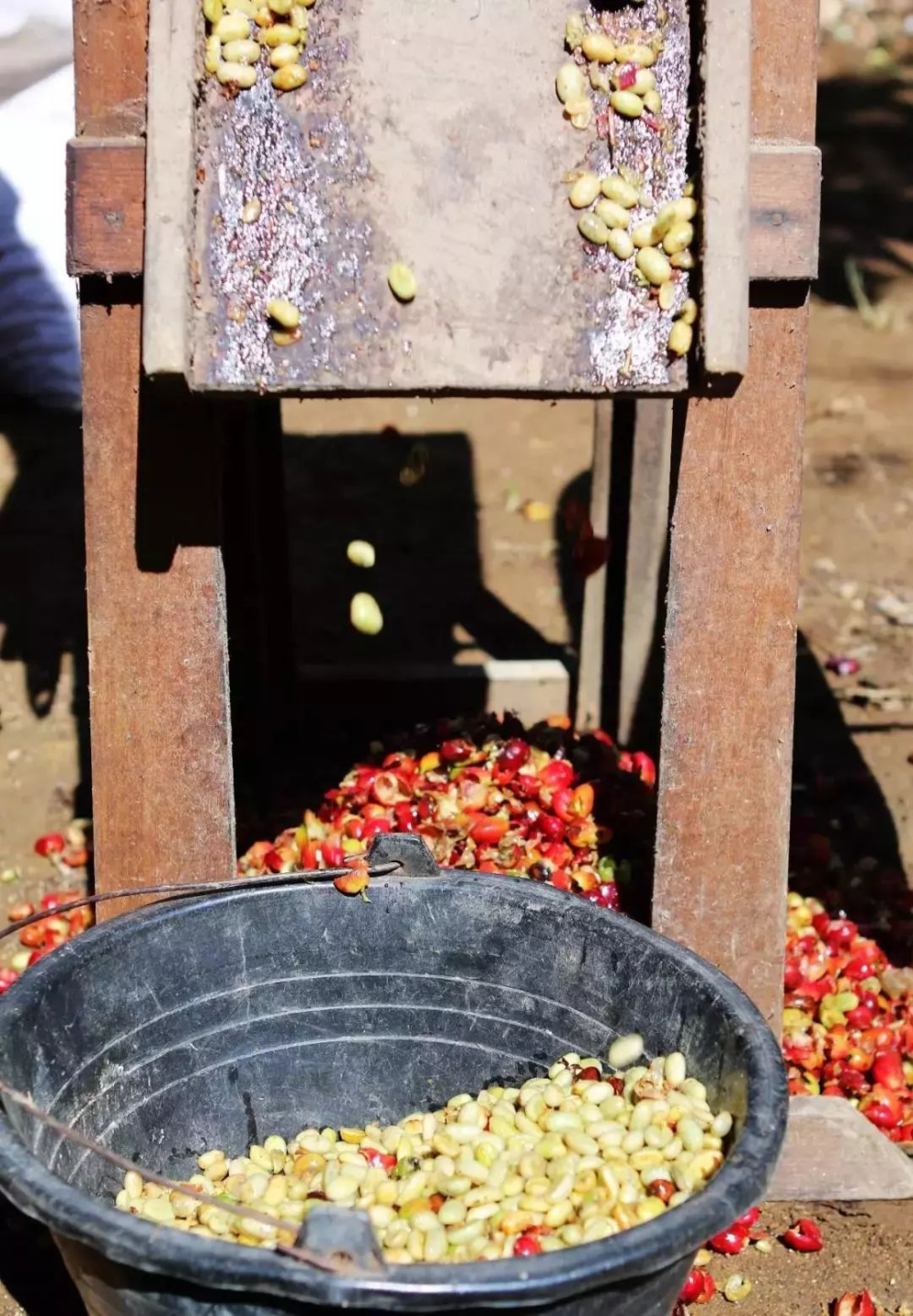
This particular Brazil Red Bourbon is processed usingsemi-washed (pulped natural) method, which includes removing unripe cherries in a water tank, stripping the outer skin and part of the pulp, then using a mucilage remover to take off the mucilage, followed by sun drying. This method shortens the drying time and reduces fermentation risks, making it particularly suitable for regions with humid climates or unstable rainfall. Semi-washed Brazilian beans typically exhibit distinct sweetness, a clean and smooth profile, low acidity, and tropical fruit aromas, bringing balance and roundness to the overall blend.
Blending Lintong Mandheling and Brazil Red Bourbon in a1:1 ratioand using medium-dark roasting can combine the strengths of both, delivering rich notes of caramel, dark chocolate, and nuts. It is well-suited for espresso and various milk-based coffee preparations.
For practical extraction, it is recommended to use a double-shot basket, with about 20 grams of coffee grounds to extract 40 grams of espresso, maintaining a 1:2 coffee-to-water ratio, and controlling the extraction time between 26 and 32 seconds. The grind size can refer to the Galileo 2.0 setting. Before extraction, ensure the portafilter is dry, distribute the grounds evenly after grinding, and tamp firmly to ensure stable flow rate. You may start the extraction by pouring water for 1 to 2 seconds to wet the coffee bed, which helps improve extraction consistency. During extraction, monitor the liquid weight and time changes, and fine-tune the parameters according to weather and bean condition to achieve the best flavor performance.
If you want to experience the bold characteristics of the Mandheling-Brazil blend, you can combine this espresso with fresh milk to make a Mandheling latte. Using a double shot (about 40 grams) as the base, pair it with 240 milliliters of milk steamed to slightly warm (around 60-65°C) with about 0.5 cm of microfoam. After uniform integration and latte art, the result will showcase rich chocolate, cream, and cookie aromas, with a velvety, full-bodied texture and a long-lasting caramel sweetness in the aftertaste. It is very suitable for those who enjoy strong coffee flavors. Additionally, you can add spices or syrups according to personal taste to create more layered variations.
It is worth mentioning that many coffee shops will add about 10% dark roasted Robusta beans to the basic Mandheling-Brazil blend to enhance the crema richness and aroma intensity of the espresso, making the golden Crema more plump. This not only improves visual appeal but also aids in latte art presentation. This adjustment method is quite common in commercial recipes aiming for a balance of crema and aroma, and it is also one of the secrets behind many classic espresso blends.
The above content is compiled by CoffeeHunters, a coffee news website.


