







Introduction:Dive deep into Indonesia’s most iconic Sumatran coffee—Mandheling. Explore the origins of its unique name, the secrets of the wet-hulling process, and the flavor profiles of five classic Mandheling beans, along with their actual brewing performance. This article will help you grasp Mandheling’s aromatic traits, suitable brewing methods, and debunk the common myth of “whether Mandheling is too bitter for espresso.” Whether you’re a beginner or a coffee connoisseur, you’ll find your own Mandheling flavor map here.
When it comes to Sumatran coffee, many coffee enthusiasts’ first thought is “Mandheling.” This classic bean from Indonesia is renowned for its rich, full-bodied, low-acid, and sweet-aftertaste profile, making it a representative of dark-roasted coffee for many. Mandheling not only boasts strong herbal and earthy notes but also reveals sweet undertones of dark chocolate and nuts, especially prominent in medium to dark roasts. Whether used as a single-origin pour over or blended into an espresso mix, it delivers a profound and captivating coffee experience.
However, “Mandheling” is neither a coffee-growing region nor a coffee variety. It actually stems from an interesting misunderstanding during World War II. A Japanese soldier once drank an exceptionally aromatic coffee at an Indonesian café and asked the shop owner about its origin, mistakenly believing the name referred to the place. In reality, he had heard “Mandailing”—the phonetic rendering of the Mandailing ethnic group in Indonesia. After the war, the soldier introduced this coffee to Japan, sparking a trend, and the name “Mandheling” spread. Later, this coffee became closely associated with Sumatra’s wet-hulling process, gradually evolving into a classic among global dark roast aficionados.
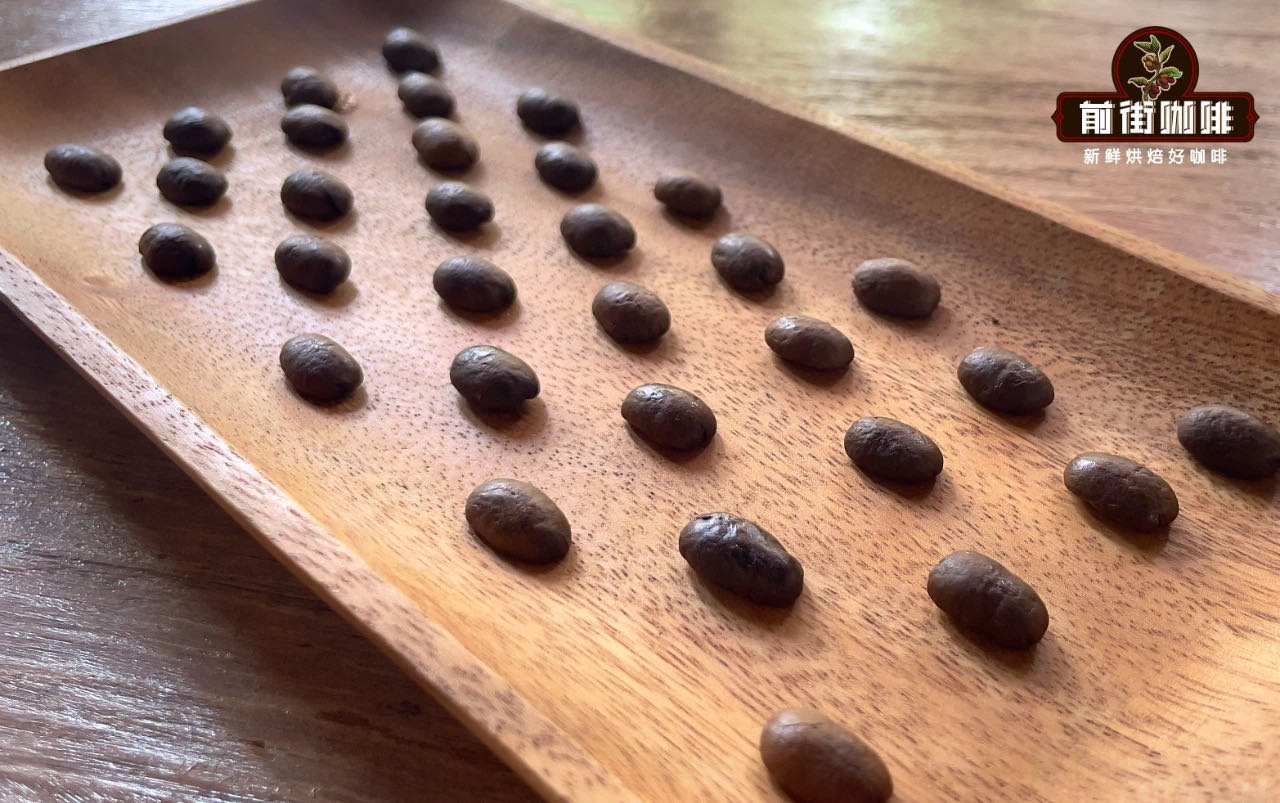
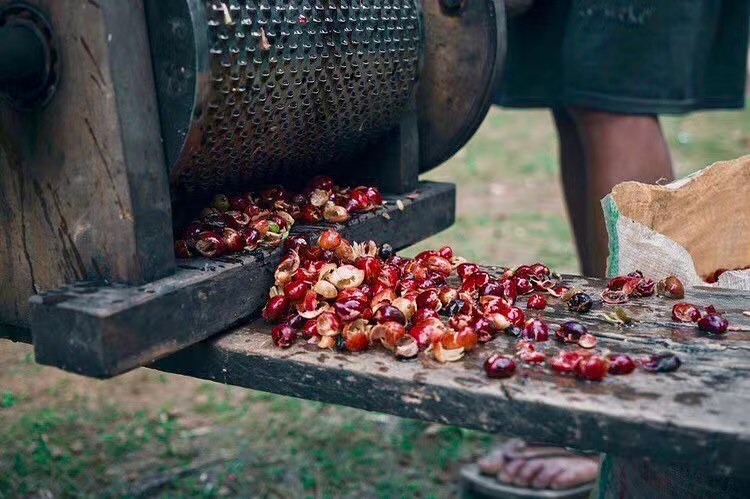
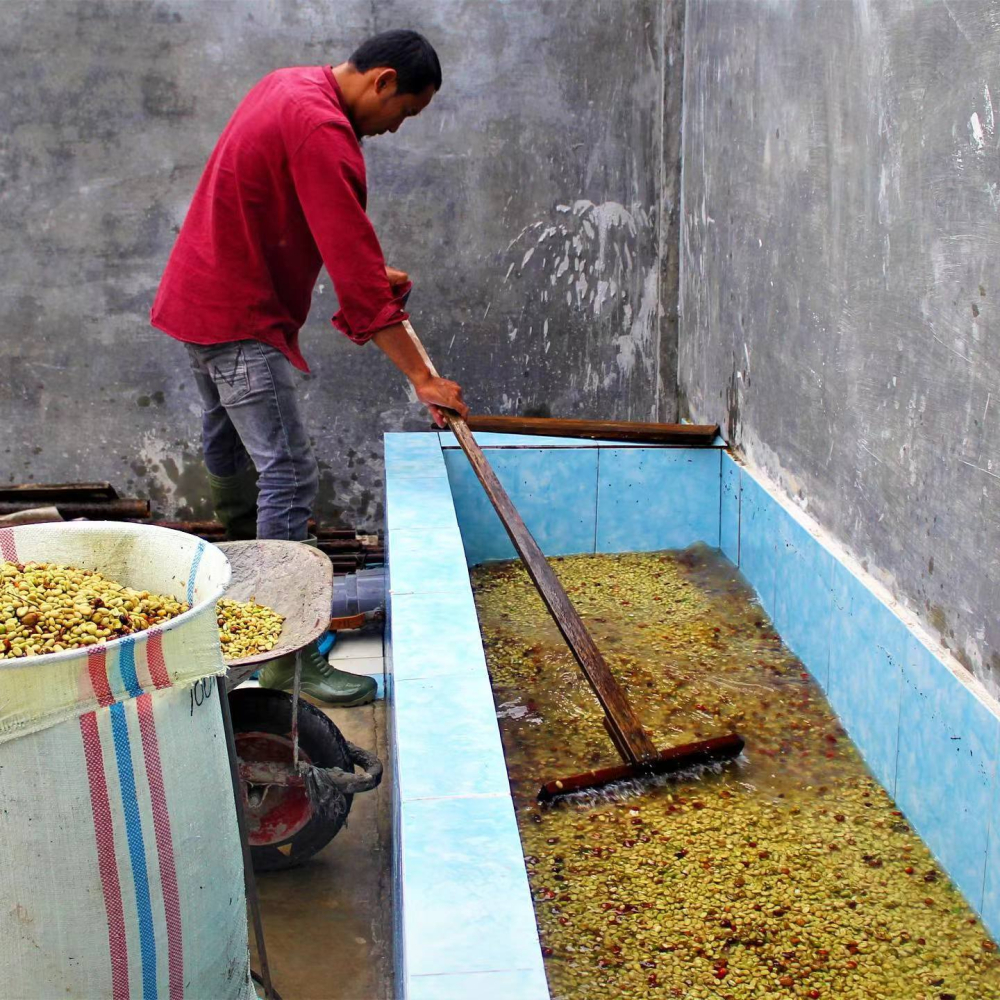
The widespread popularity of Mandheling is inseparable from its unique processing technique. The Sumatran region of Indonesia has a humid, rainy climate, making traditional sun-drying and washed processing difficult to control. As a result, the area developed its distinctive wet-hulling method. This approach involves removing the coffee fruit’s skin and part of the pulp, allowing brief fermentation, then drying the beans to a semi-dry state (with around 30%-50% moisture content), followed by scraping off the outer mucilage and parchment layer, and finally continuing to dry until the moisture level reaches 12%-13%. This processing method not only speeds up the drying process but also gives Mandheling its bold, full-bodied, and low-acid character.
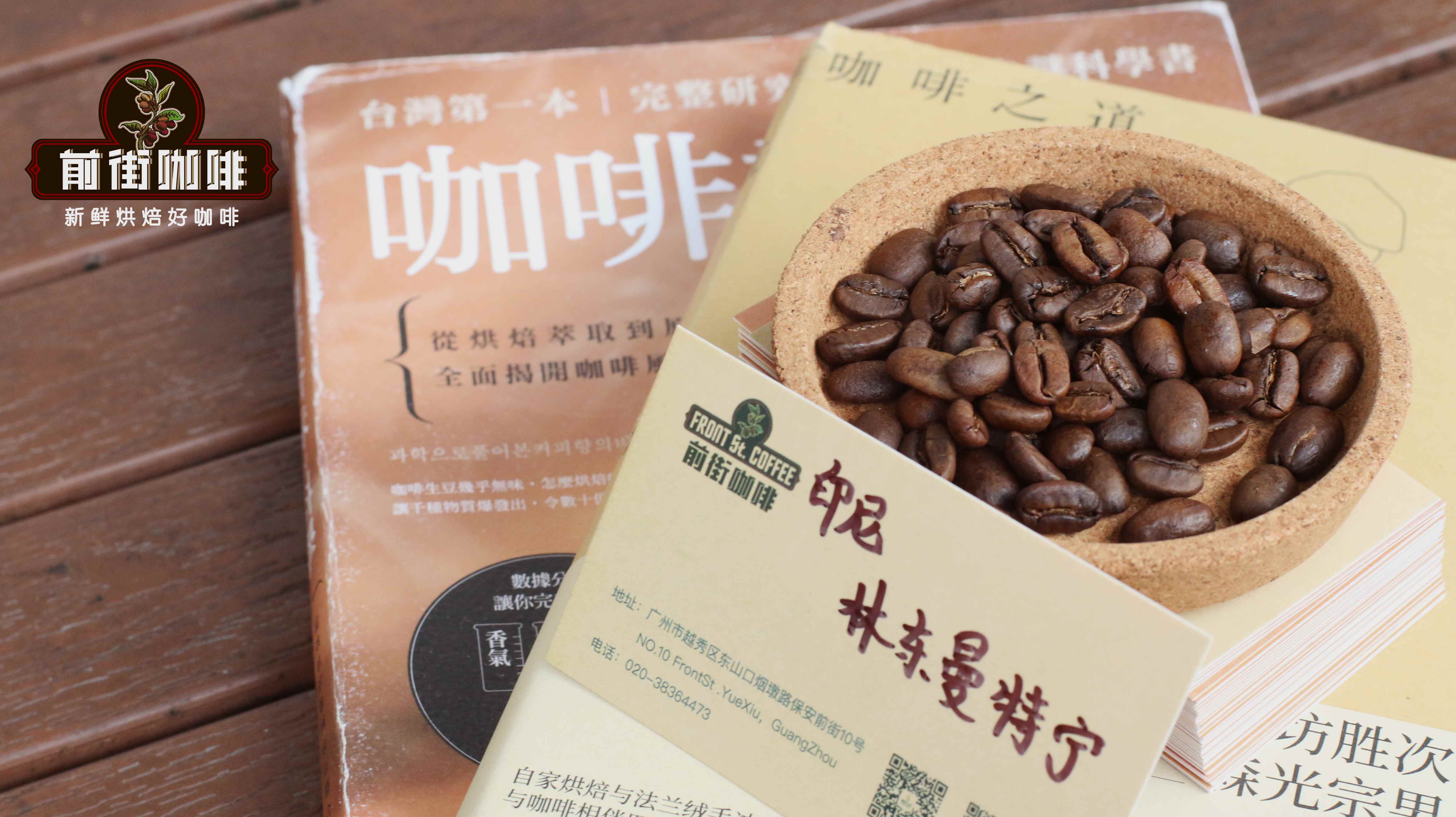
It’s worth mentioning that during the wet-hulling process, as the beans are still semi-dry when mechanically scraped, it can easily lead to the formation of so-called “elephant ear beans”—beans with edges compressed and deformed, resembling the shape of an elephant’s hoof. This is a common physical characteristic of Mandheling and not a defect; in fact, it is often regarded as one of its artisanal features.
In addition to the standard wet-hulling process, there is also an advanced version called “aged wet-hulled.” These beans undergo initial wet-hulling, then are stored in cool, ventilated warehouses for 2 to 3 years, regularly turned to prevent mold. Over this extended maturation period, acidity gradually transforms into sweetness, the color shifts from light to dark, developing unique hues like yellow-brown or dark brown. The flavors become more rounded and profound—this is the much-lauded “Aged Mandheling” on the market.
Currently, we offer five classic Mandheling beans from Sumatra, each showcasing different facets of the wet-hulling craft, as well as subtle variations in altitude, variety, and processing details. Below is a detailed breakdown of the characteristics and recommended brewing methods for these five beans.
1. Lintong Mandheling
Region: Lintong, Sumatra (Altitude: 1100–1600m)
Variety: Typica, Catimor
Process: Wet-hulled
Flavor Profile: Toasted bread, nuts, caramel, pine, herbs
Lintong Mandheling is representative of the central-northern mountainous areas of Sumatra. Processed using the conventional wet-hulling method, its flavor profile is dominated by low acidity and a full body, often featuring pronounced herbal and woody notes. Although the selection isn’t as stringent as with premium beans—and “elephant ear beans” may occasionally appear—the overall aroma is rich, making it suitable for those who enjoy a robust mouthfeel.
2. PWN Golden Mandheling
Region: Sumatra (Altitude: 1100–1600m)
Variety: Typica (19 mesh)
Process: Wet-hulled
Flavor Profile: Nuts, spices, herbs, licorice, chocolate, caramel
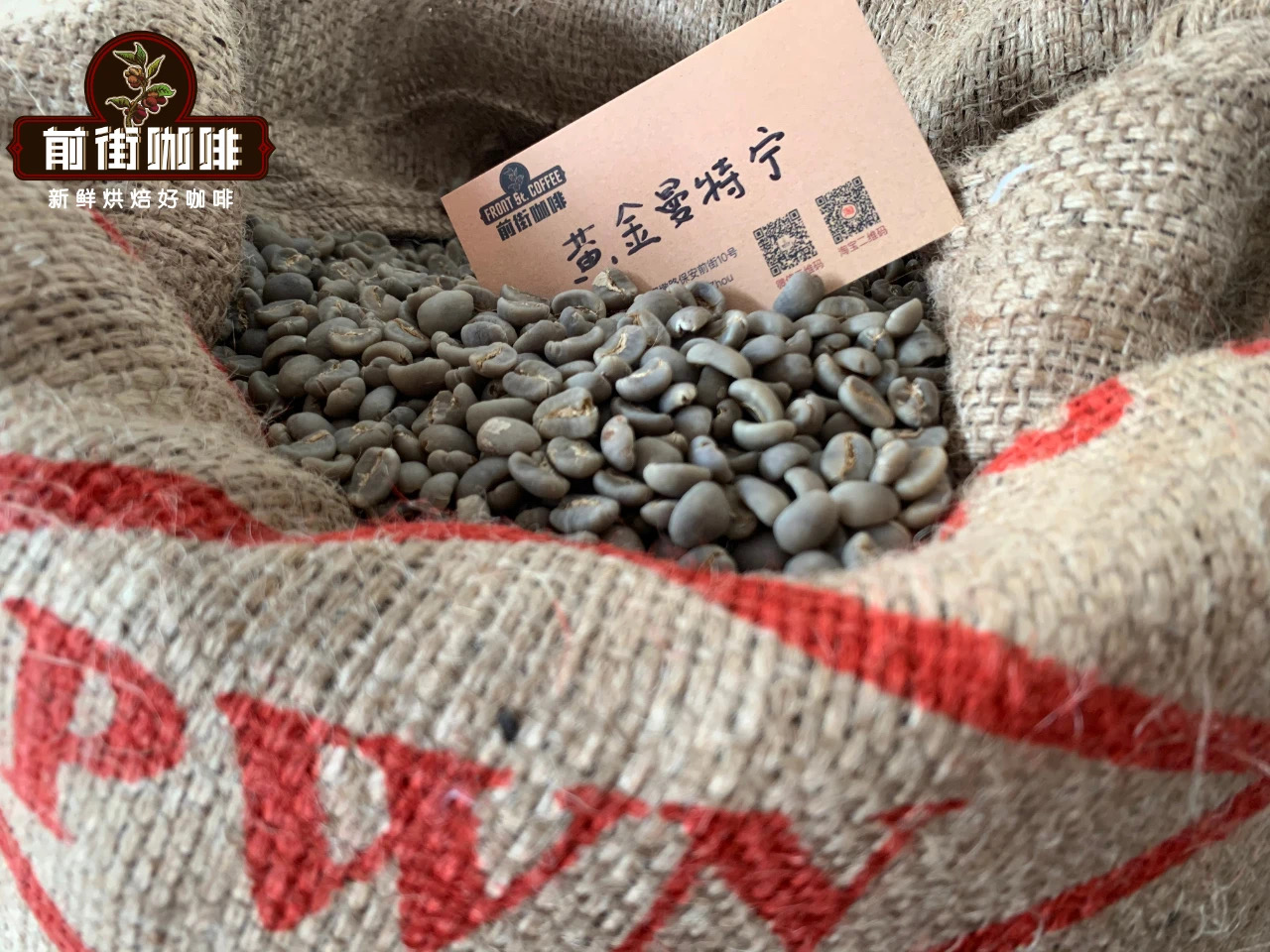
PWN Golden Mandheling is a top-tier wet-hulled Mandheling that undergoes four rounds of manual selection and high-spec screening, using only G1 grade beans that are 18 mesh and above with fewer than 3 defects. Its beans are intact and dark green, not only with minimal off-flavors but also exhibiting outstanding cleanliness and balanced sweetness. The fame of Golden Mandheling originates from the Japanese market. Though its name resembles the Japanese trademark “Gold Top Mandheling,” it is actually a classic masterpiece from Indonesia’s PWN company.
3. Harimau Mandheling (Tiger Mandheling)
Region: Sumatra (Altitude: 1500m)
Variety: Catimor, Typica, Sidikalang
Process: Wet-hulled
Flavor Profile: Cream, dark chocolate, nuts, balanced taste
Tiger Mandheling is carefully selected from AA-grade and above (19 mesh and up) premium beans, known for its balanced and full-bodied profile. Its name is said to derive from the rarity and strength of the Sumatran tiger, symbolizing the coffee’s preciousness and bold character. The flavor blends creaminess with chocolatey notes, making it ideal for coffee lovers seeking stable taste profiles.
4. Aged Mandheling
Region: Sumatra (Altitude: 1500m)
Variety: Catimor, Catuai
Process: Wet-hulled + long-term aging
Flavor Profile: Aged pu-erh, caramel, herbs, chocolate
Aged Mandheling is not simply “coffee that has been left sitting”; it undergoes strict wet-hulling, then is sealed and aged for 2 to 3 years. During this time, temperature, humidity, and turning frequency are controlled to transform acidity into deeper sweetness and woody notes. Its flavor is as mellow and restrained as aged pu-erh tea, making it an excellent choice for dark roast and single-origin enthusiasts.
5. Wahana Natural Mandheling
Region: Wahana Estate, Sumatra
Variety: Not specifically indicated
Process: Natural (sun-dried)
Flavor Profile: Tropical fruit acidity and sweetness, fermented aroma, smooth mouthfeel
Compared to traditional wet-hulling, this natural-process Mandheling showcases a completely different personality. Through full sun-drying, the beans develop a bolder flavor, with distinct tropical fruit notes and fermented aromas, suitable for those who prefer bright acidity and fruity layers.
For these five Mandheling beans, we conducted pour over tests using consistent extraction parameters. The recommended setup: use a Kono filter, water temperature at 86°C, 15g coffee, 1:15 coffee-to-water ratio, grind size approximately 70-75% passing through a Chinese standard No. 20 sieve (equivalent to BG#6K). The Kono filter extends contact time between water and coffee grounds, enhancing body—especially suitable for medium to dark roasted Mandheling. Suggested brewing steps: 30g bloom for 30 seconds, then pour in small circles to 125g, followed by a final pour to 225g, with total extraction time kept around 2 minutes to fully bring out Mandheling’s aroma and complexity.
As for whether Mandheling is suitable for espresso? The answer is yes, but the key lies in the blend recipe and extraction parameters. Due to the high temperature and pressure of espresso machines, flavors are concentrated and intense. If using a single-origin Mandheling, attention must be paid to roast level and coffee-to-water ratio to avoid over-extraction leading to bitterness. It is recommended to blend Mandheling with other varieties such as Brazilian or Guatemalan beans to balance acidity, sweetness, and body, creating a well-rounded and rich espresso shot.
In summary, Mandheling is more than just a type of coffee—it is a reflection of Sumatra’s land and culture. From the wet-hulling process to diverse processing methods, and through the five classic flavor profiles, every cup tells a different story and offers unique layers. Whether you’re just starting out or a seasoned coffee enthusiast, you’ll find your own coffee joy within the world of Mandheling.
The above content is compiled by CoffeeHunters, a coffee news website.


