







Introduction:Mandheling coffee is renowned for its rich, full-bodied profile and low, steady acidity, with Golden Mandheling from the Gayo Highlands of Sumatra being a classic representative. This article delves into the differences between PWN Golden Mandheling and Gayo Golden Mandheling, covering aspects such as origin environment, variety selection, processing methods, roasting, and pour over parameters, along with detailed flavor descriptions and brewing recommendations to help coffee enthusiasts better appreciate the unique charm of these two classic Mandhelings.
Mandheling coffee originates from Sumatra, Indonesia, with Golden Mandheling from the Gayo Highlands being particularly notable. This coffee is widely appreciated for its rich, full body and low, delicate acidity, but beans that also claim the title of "Golden Mandheling" can vary significantly in quality, flavor, and processing details. This article will focus on PWN Golden Mandheling and Gayo Golden Mandheling, analyzing their uniqueness in terms of origin background, variety selection standards, processing methods, roasting profiles, and optimal brewing methods, while also providing practical pour over parameters and flavor guidance.
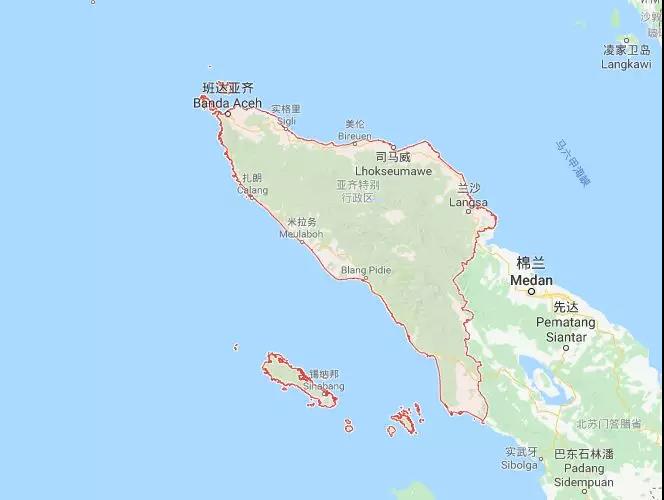
The Gayo Highlands are located in Indonesia’s Aceh region at the northernmost tip of Sumatra, near Lake Tawar in the Takengon area. This region sits at an elevation between 1100 and 1600 meters, with most farms being smallholder operations shaded by trees and commonly employing the wet-hulled (Giling Basah) processing method. Due to the multiple rounds of rigorous screening most beans undergo, Mandheling from this region generally offers a cleaner taste and more pronounced sweetness, setting it apart from the earthy or heavy off-notes often found in typical Sumatran Mandheling.
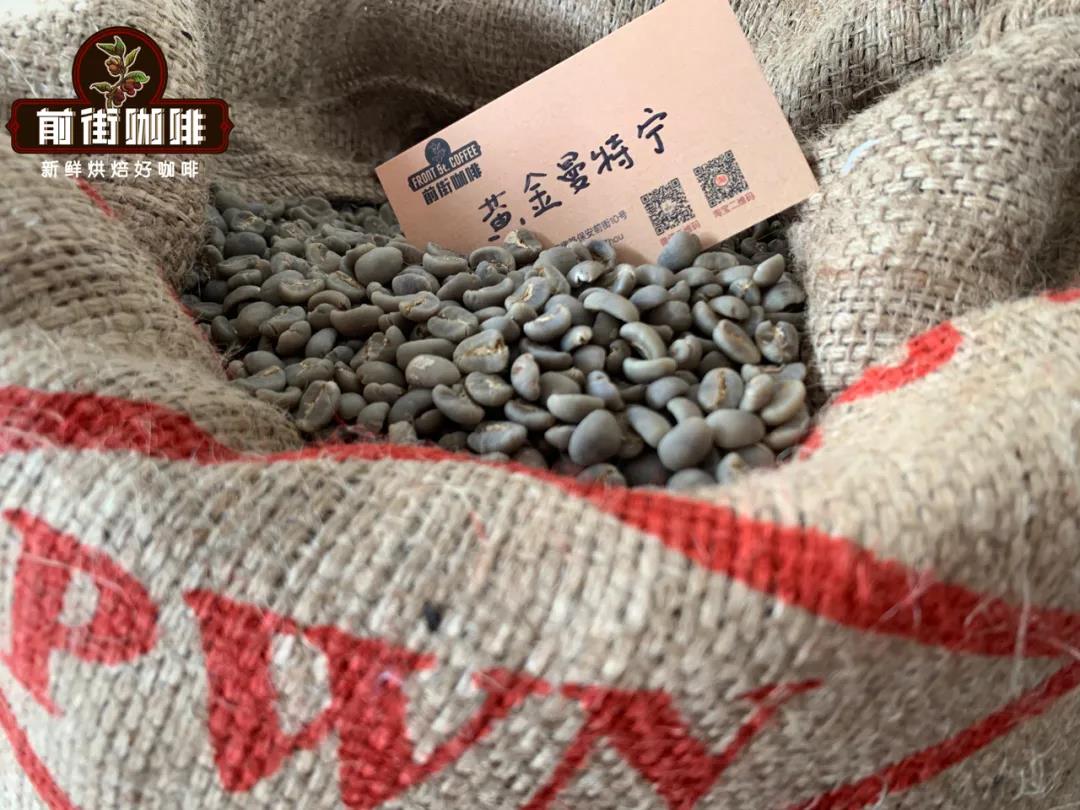
Although both PWN Golden Mandheling and Gayo Golden Mandheling come from the Gayo Highlands and use the wet-hulled process, they differ greatly in variety, selection process, and final flavor profile. First, let’s look at PWN Golden Mandheling — the “PWN” in its name comes from PT. Perkebunan Nusantara, a well-known Indonesian coffee exporter, and it is recognized as the original and authentic source of “Golden Mandheling” in the market. These beans are clearly labeled with the PWN logo on the packaging and come with official certificates for verification. PWN Golden Mandheling undergoes a strict selection process that includes three manual screenings and one mechanical screening, totaling four rounds of selection, using only top-grade beans that are 18 mesh or larger and have fewer than three defects per 300 grams of green beans, qualifying as G1 grade, the highest level. It uses the Ateng variety (a hybrid of Timor and Arabica), which has a cleaner and crisper flavor compared to pure Timor varieties. The beans are dark green, flat, and uniformly shaped. Overall, it lacks the earthy notes typically associated with Mandheling, instead showcasing bright sweetness and a rich layered profile.
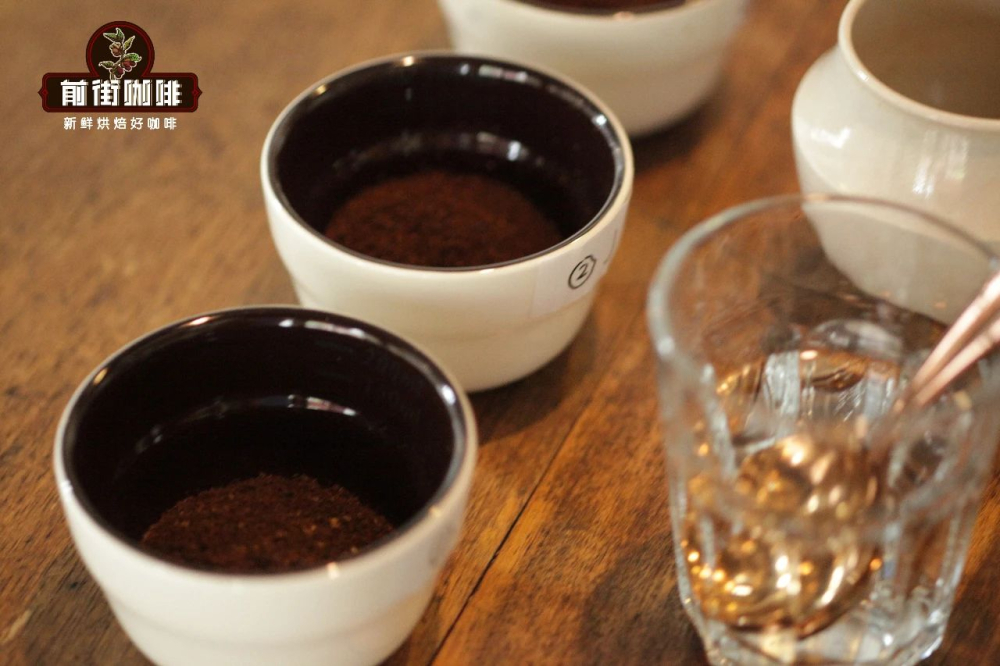
In contrast, Gayo Golden Mandheling also comes from the Gayo Highlands and undergoes three rounds of manual selection, but it uses the Timor variety (commonly called timtim), a natural hybrid of Arabica and Robusta. Although it also achieves G1 grade after selection, due to its genetic background, its flavor retains some of the intensity and heaviness characteristic of Robusta, and even though the taste is relatively clean, it is hard to match the extreme cleanliness and sweetness of PWN Golden Mandheling. Additionally, Gayo Golden Mandheling may not come with an official PWN certificate or original jute sack. If you have concerns about authenticity when purchasing, it is recommended to request relevant documentation from the supplier to confirm the origin.
Both beans employ Indonesia’s traditional wet-hulled processing method, which plays a crucial role in shaping the unique low acidity, full body, and herbal characteristics of Mandheling. The wet-hulled process mainly consists of two stages: first, a wooden pulper is used to remove the skin and pulp, followed by about 3 hours of fermentation and initial drying to reduce the moisture content to a semi-dry state of 30–50%; then the mucilage and parchment layers are removed, and the beans are further dried for 2 to 4 days until the moisture content stabilizes at 12–13%. This process effectively enhances the body and aroma intensity of the coffee, making the flavor profile of Mandheling sharper and more distinctive — one of the key reasons for its high international recognition.
In terms of roasting, both PWN Golden Mandheling and Gayo Golden Mandheling are medium-dark roasted to fully bring out their rich body and sweetness. Taking the Yangjia 800N roaster as an example, the roasting curve for PWN Golden Mandheling is as follows: the charge temperature is 200°C, with the air damper at 3; after 1 minute, the heat is adjusted to 160°C, keeping the air damper unchanged; at 5 minutes and 40 seconds, when the bean surface turns yellow and grassy notes disappear — at around 148°C, indicating dehydration is complete — the heat is then adjusted to 140°C and the air damper to 4; at 9 minutes and 40 seconds, the bean surface begins to show wrinkles and black spots, and the coffee aroma shifts to a roasted bread tone, signaling that first crack is approaching; at 9 minutes and 54 seconds, first crack begins, the heat is reduced to 60°C and the air damper is set to 5, with the final drop at 204.5°C. Gayo Golden Mandheling enters first crack slightly earlier: around 8 minutes, first crack begins, the heat is adjusted to 80°C and the air damper to 5, with the final drop at 202°C. These subtle differences in roasting are directly reflected in the flavor release and balance during subsequent brewing.
For brewing recommendations, the KONO filter is suggested to mimic the rich extraction effect of a cloth filter, suitable for medium-dark roasted Mandheling. Use a medium-coarse grind (approximately 70% through a #20 sieve), a 1:13 coffee-to-water ratio, 20 grams of coffee, and water temperature controlled at 87°C. The brewing steps are as follows: first, evenly spread the coffee grounds in the filter without shaking them vigorously; the first stage involves pouring 40 grams of water for a 30-second bloom, observing the coffee bed expand into a “hamburger” shape; the second stage is pouring 120 grams of water in gentle circular motions from the center outward, avoiding excessive agitation; the final stage is pouring 100 grams of water, and once the dripping from the filter has completely finished, the brew is done, with a total extraction time of about 2 minutes. These parameters help enhance the rich body of Mandheling while balancing its herbal and sweet spice notes.
In terms of flavor, PWN Golden Mandheling displays distinct sweet herbs, cinnamon-like spices, and orange peel aromas. It has a rich, full-bodied mouthfeel with prominent sweetness, featuring layers of cream, walnuts, and chocolate, with a finish that transitions into a mild melon and herbal tone. As the temperature drops, the herbal and spice aromas become even more pronounced, resulting in a very balanced and layered overall profile. Gayo Golden Mandheling, on the other hand, centers around spicy and herbal notes, with soft acidity, a noticeable cocoa and nutty finish, clear sweetness, and high body. Though not as clean and bright as the PWN version, it still possesses the bold and captivating traditional Mandheling character.
The above content is compiled by CoffeeHunters, a coffee news website.


