







Introduction:In recent years, more and more cafés have started offering an “SOE swap” option, allowing customers to experience the unique flavors of single-origin coffee beans. From Ethiopia’s Huila Huipangul to Yirgacheffe, these highly distinctive SOE coffees differ in both price and brewing methods. This article takes an in-depth look at the differences between SOE and regular blended espresso, and shows you how to use Huila Huipangul SOE coffee beans—with precise espresso extraction parameters—to brew balanced and delicious Americanos and lattes, whether at home or in a café.
Nowadays, many cafés have added an “SOE swappable” option to their menus. Whether it's Huila Huipangul, Geisha, or Yirgacheffe, these single-origin espressos often feature more pronounced fruity, floral, or sweet notes, and are priced slightly higher than standard espresso blends. But you might be wondering—what exactly is SOE? And how is it different from the common blended espresso? This article uses Huila Huipangul SOE as an example, taking you through bean selection, extraction, and the making of both Americano and latte to help you fully grasp the brewing secrets of SOE.
What is SOE?Simply put, SOE (Single Origin Espresso) is espresso made using coffee beans from a single origin. Here, “single origin” can refer to a country, a region, or even a specific farm or processing facility. As long as the espresso is made from a single batch of beans harvested from the same origin, it can be called SOE. Compared to blended beans—which typically combine beans from multiple origins to achieve flavor balance—SOE emphasizes the unique characteristics of its origin, allowing you to clearly taste the distinct regional flavors.
For example, Huila Huipangul coffee beans come from Ethiopia and exhibit distinct berry and citrus notes. When used for SOE, these flavor traits are more directly expressed in the espresso. Traditional blended espresso, on the other hand, is usually medium to dark roasted to create a rich and balanced taste, commonly used in milk-based drinks like lattes. But if you want to savor the nuanced expression of a single origin, SOE is your best choice.
However, extracting SOE is not necessarily easier than blending. To bring out the clear flavor profile of a single-origin coffee bean, besides choosing the right beans, you also need to precisely control grind size, dose, water temperature, and extraction time. Only when all parameters are well-coordinated can you achieve a balanced and layered SOE espresso.
So, which coffee beans are suitable for making SOE? For beginners or home users, it’s recommended to start with medium to dark roasted beans or those with distinct flavor profiles. For instance, medium to dark roasted Brazilian beans often have chocolate, caramel, and nutty notes, making them ideal for those who prefer a bold taste; while Costa Rica’s Mozart beans showcase bright tropical fruit and dried fruit flavors. If you prefer a fresh berry acidity, Huila Huipangul SOE coffee beans are a great entry-level choice, with a moderate roast level that balances the richness of espresso and the smoothness when milk is added.
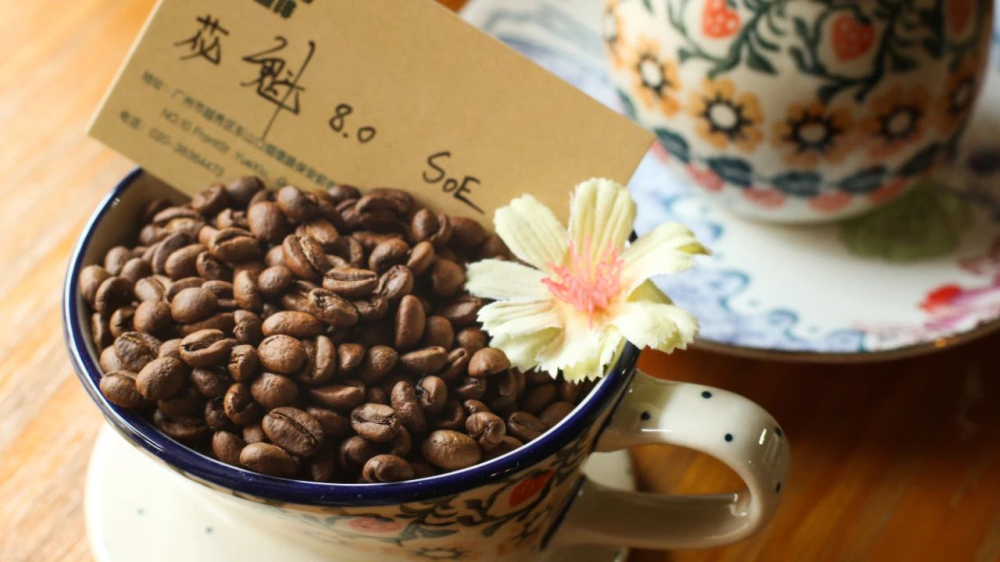
Next, let’s take Ethiopia’s Huila Huipangul 8.0 as an example to illustrate itsespresso extraction parameters:
- Coffee beans: Ethiopia · Huila Huipangul 8.0
- Coffee dose: 20g
- Yield: 40g
- Ratio: 1:2
- Extraction time: 26–32 seconds
- Grind setting: Galileo 2.0 (can be fine-tuned as needed)
This set of parameters works for most double-shot portafilters. First, distribute the 20g of ground coffee evenly in the portafilter basket—using a distribution tool to level the coffee bed is recommended—then tamp firmly with a tamper to ensure a compact puck and stable water flow. Before starting extraction, run 1–2 seconds of water through the group head to pre-wet it, which helps improve extraction uniformity. Then, lock the portafilter into the group head, begin extraction, and monitor the flow rate and time. When you’ve reached 40g of yield within 26 to 32 seconds, stop the extraction.
Note that daily humidity, bean freshness, and grinder condition can all affect extraction results. If the coffee flows out too quickly, try a finer grind or increase the dose; if the flow is too slow, you can slightly adjust the grind setting or reduce the dose to perfect the extraction.
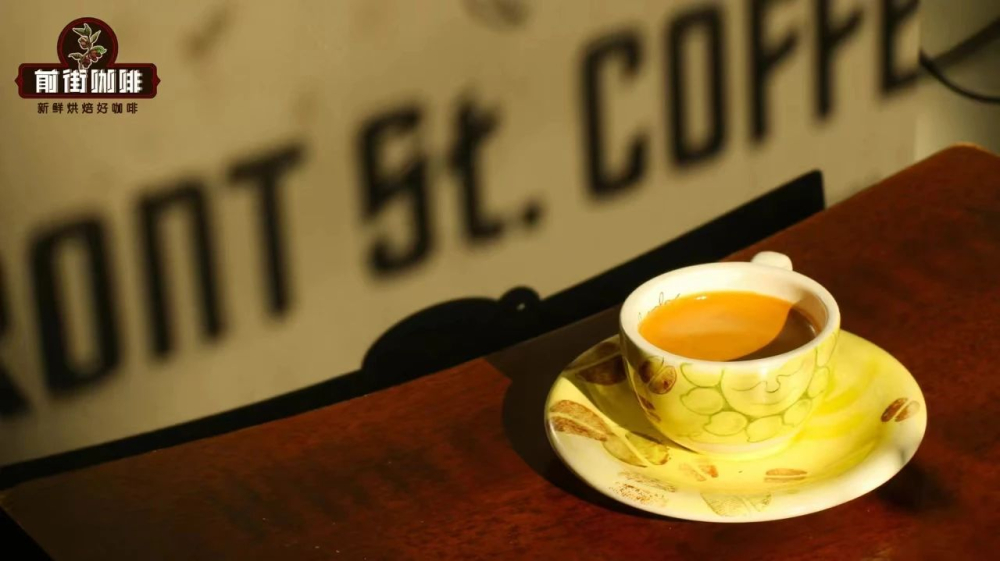
Freshly extracted Huila Huipangul SOE boasts rich tropical fruit aroma and a delicate crema layer. It’s recommended to rinse your mouth with water before tasting to better perceive its layers of berry, citrus, and honey notes. For a lighter, refreshing coffee, mix with about 160g of cold or ice water at a 1:4 ratio to make a Huila Huipangul SOE Americano, bright and layered with balanced acidity and sweetness. If you prefer the combination of milk and coffee, add 240g of freshly steamed milk at a 1:6 ratio to create a smooth and mellow Huila Huipangul SOE latte, perfect for everyday enjoyment.
Lastly, no matter which coffee beans you use,freshness is key. Coffee beans more than a month past roast not only show a significant decline in aroma but may also develop woody or cardboard-like flavors. Therefore, it’s recommended to choose beans roasted within 5 days to fully experience the delicate vibrancy of SOE coffee. If you’re buying or roasting beans yourself, store them properly to avoid moisture or excessive oxidation, ensuring an ideal flavor every time you brew.
The above content is compiled by CoffeeHunters, a coffee news website.


