







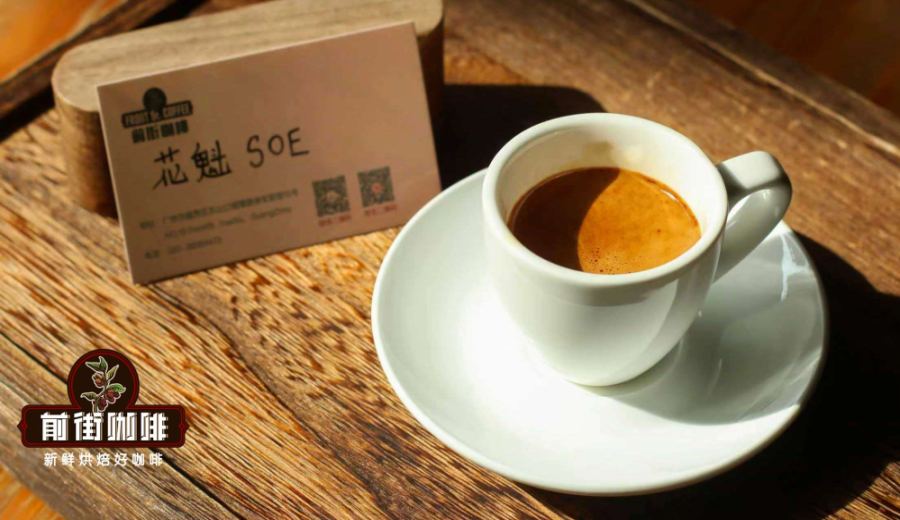
Introduction:Many people wonder: is SOE (Single Origin Espresso) really better than common blends? In fact, both have their pros and cons, depending on personal taste preferences and brewing techniques. This article delves into the differences between SOE and blends, analyzes the key parameters and adjustment logic for SOE extraction, and uses three tested single-origin coffee beans as examples — covering everything from flavor profiles to suitable espresso-based drinks — to help you find the most suitable SOE option.
SOE (Single Origin Espresso), or single-origin espresso, has gradually gained attention in the specialty coffee scene in recent years. This type of coffee bean is used exclusively from a single origin to make espresso, in contrast to common blends (which combine beans from multiple origins). Many coffee enthusiasts wonder whether SOE can truly deliver a superior flavor experience. The truth is, the answer isn’t absolute — it depends on factors such as bean variety characteristics, roast level, and brewing method.
The term “single-origin coffee” generally refers to coffee beans sourced from a single origin, such as Yirgacheffe in Ethiopia, Huila in Colombia, or certain micro-regions in Costa Rica. It’s important to clarify that here, “single-origin” emphasizes traceability to a specific place, not a single variety, since many regions grow multiple coffee species. For example, the well-known Yirgacheffe is famed for its citrus and floral notes, while Kenyan beans often exhibit pronounced berry acidity. When these distinctly regional single-origin beans are used to make espresso, the result is what we call SOE.
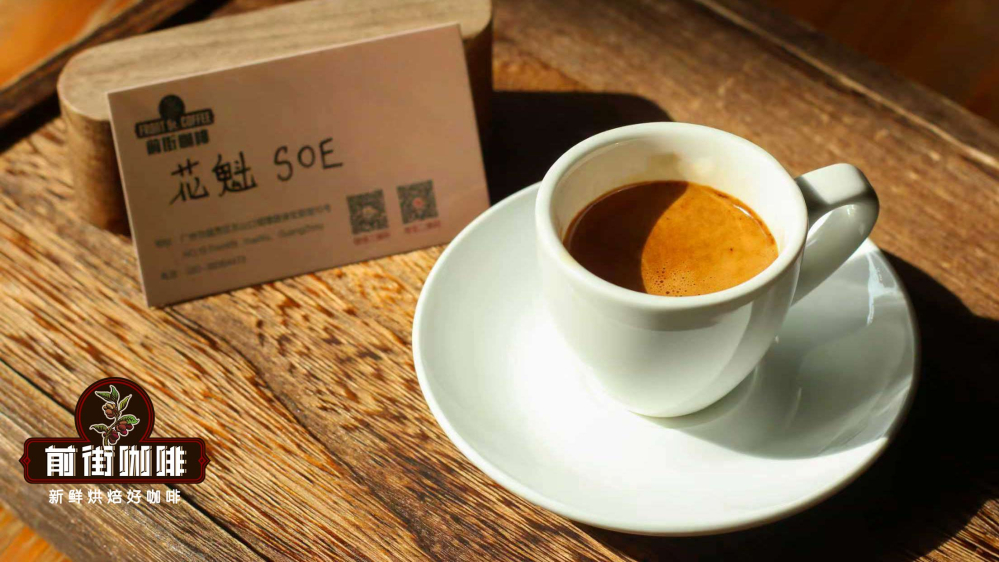
Compared to regular espresso blends, the biggest difference with SOE is that it uses beans from a single origin and adjusts the roast level according to its inherent flavor characteristics. Traditional espresso blends often use dark roasts and combine beans from different regions, aiming for stable flavor and a rich mouthfeel, suitable for mass production and standardized output. However, this approach often makes espresso taste rather uniform, dominated by intense bitter-sweetness and strong cocoa or nutty notes.
In contrast, SOE tends to favor light to medium roasts, preserving more of the coffee bean’s original flavor characteristics, such as fruity acidity, floral notes, or fruitiness. These flavors were less common in traditional espresso because most consumers were accustomed to bold, heavy profiles. However, with the rise of the specialty coffee movement, more and more coffee lovers are seeking espresso experiences that showcase regional character and delicate flavors — and SOE has gradually come into the spotlight.
But here’s the question: is SOE necessarily more delicious than blends? The answer varies from person to person. From the perspective of the third wave of coffee, SOE emphasizes transparent sourcing, clear flavor profiles, and lighter roasting, which helps bring out more details and layers — especially when extracted properly, it can deliver surprising fruit acidity and aroma. However, not all single-origin beans are suitable for SOE. As an agricultural product, coffee flavor fluctuates yearly due to differences in climate, soil, and processing methods. Some beans that perform excellently in pour over with bright, refreshing acidity may turn out sharp, thin, or even lack body under high-pressure extraction.
Furthermore, one of the original intentions behind designing blends is to combine beans from different regions to complement each other’s strengths and weaknesses, ensuring stable and balanced flavor output across different harvest seasons and bean conditions. Therefore, blends are often dark roasted — sacrificing some delicacy in exchange for broader palatability and stability, and also offering more affordable pricing.
So, how should SOE be extracted to bring out its best flavors? This is actually very nuanced and requires adjusting grind size, brew ratio, and extraction time individually based on each bean’s roast level, density, and processing method. Generally speaking,the recommended coffee-to-water ratio is around 1:2, with total extraction time controlled between 25–35 seconds,but the exact values still need fine-tuning based on actual flow rate.
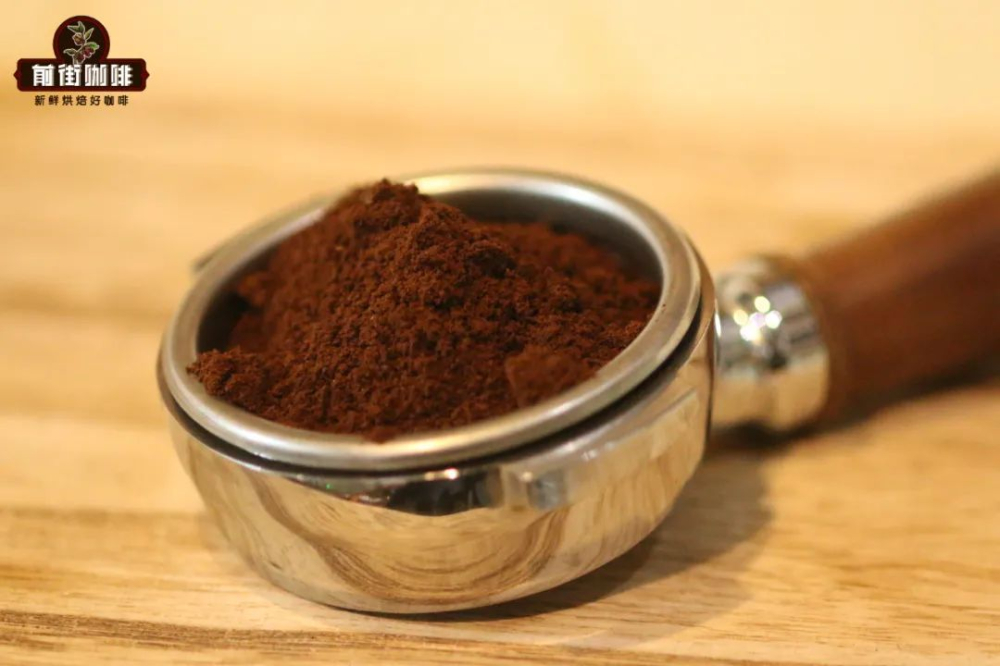
For example, if using 20 grams of coffee grounds with a target yield of 40 grams of espresso, an extraction time under 25 seconds usually indicates the grind is too coarse and should be adjusted finer; if extraction finishes around 30 seconds, it means the grind size is roughly appropriate. Additionally, since SOE is often used to make milk-based drinks like lattes, americano, or flat white, the final beverage’s flavor profile should also be considered during extraction — you may tweak the dose slightly if needed to enhance aroma expression.
For instance, take a medium-light roasted Ethiopian Huila HUAKAI SOE: its flavors are dominated by florals, berries, and bright acidity. If extracted directly, it might produce a thinner crema and less focused aroma. It is recommended to slightly increase the dose to 20.5 grams and extend the extraction time to 31 seconds. This approach not only enhances the concentrate’s aromatic intensity but also results in a more balanced and layered cup when paired with milk.
Below are three top-performing SOE single-origin coffee beans that have been tested, each with its own unique flavor profile and ideal usage scenario:
First up is the “Ethiopia Yirgacheffe Red Cherry Natural Coffee Bean,” a light roast. The resulting espresso has a pale yellow crema, with aromas of distinct berries and sweetness. The flavor is soft and sweet with balanced acidity, and a caramel-like aftertaste — perfect for those who enjoy a refreshing fruity profile. Recommended for use in americano or with a light layer of milk foam.
The second is the “Costa Rica Mozart Coffee Bean,” medium roasted. Its espresso has a delicate, elegant crema with flavors highlighted by raisin and fruit fermentation notes. The acidity and sweetness are vivid and layered, making it ideal for those who appreciate brewed-style flavor elements. It performs well in lattes or caramel-flavored lattes.
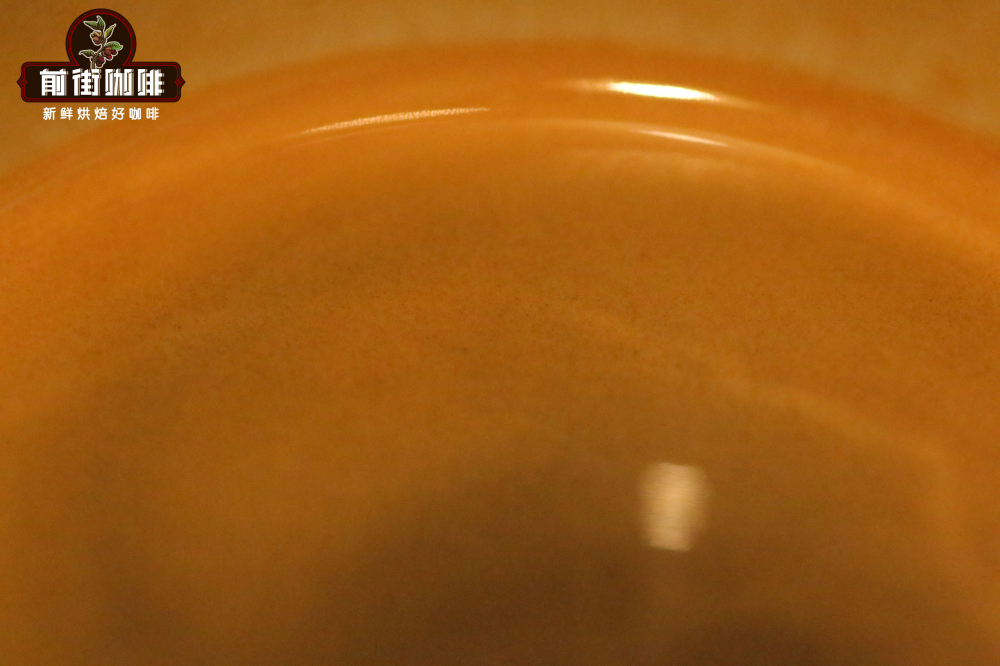
Finally, we recommend the “Colombia Geisha Coffee Bean” from the Boundary Line Estate in the Huila region, grown at about 1,700 meters above sea level and processed with double anaerobic natural fermentation. At a medium roast level, this bean showcases rich notes of grape, passionfruit, and citrus. The resulting SOE espresso has an explosive aroma, making it particularly suitable for iced americano or cold brew-style drinks. The flavors are fresh and lingering, offering a juice-like layered experience.
The above content is compiled by CoffeeHunters, a coffee news website.


