








Introduction:Selecting specialty coffee beans suitable for pour over often begins with understanding regional characteristics. This article systematically outlines the terroir features of the three major coffee-producing regions—Asia, Africa, and Latin America—and provides detailed insights into the growing environments, processing methods, and flavor profiles of representative beans such as Indonesian Mandheling, Ethiopian Yirgacheffe, and Colombian Sidra. It also includes recommendations on altitude, variety, and roast levels to help you precisely match coffee beans according to your taste preferences.
To enjoy a high-quality pour over coffee at home, the first step is choosing the right beans. The terroir conditions of different regions shape distinct flavor profiles, and grasping these differences can significantly reduce the difficulty of selection. Focusing on the three classic regions—Asia, Africa, and Latin America—this article recommends representative specialty coffee beans and provides an in-depth analysis of their growing backgrounds, processing techniques, and flavor traits, helping you easily find the one that suits your personal taste.
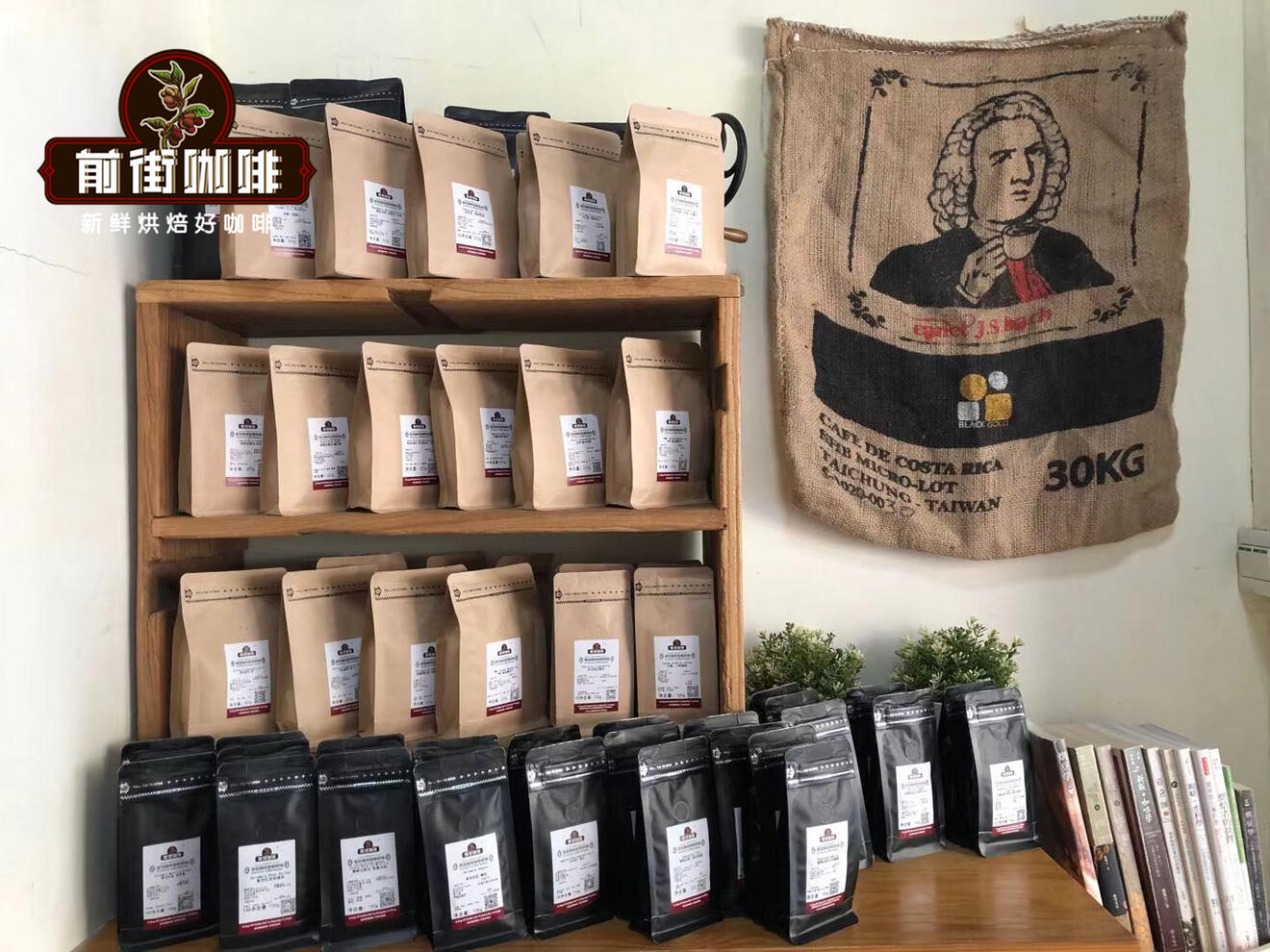
The essence of specialty coffee lies in “single-origin” and “traceability.” Consumers can understand the planting story behind each coffee through variety, altitude, and processing method. The world’s major coffee-producing countries are concentrated in Asia, Africa, and Latin America. Due to differences in climate, altitude, and soil, these three continents endow coffee beans with distinctly different flavor profiles: Asian beans generally present a rich body with spicy and herbal notes; African beans are known for their bright acidity and floral-fruity aromas; Latin American beans fall between the two, offering a balanced profile with the warmth of nuts and chocolate.
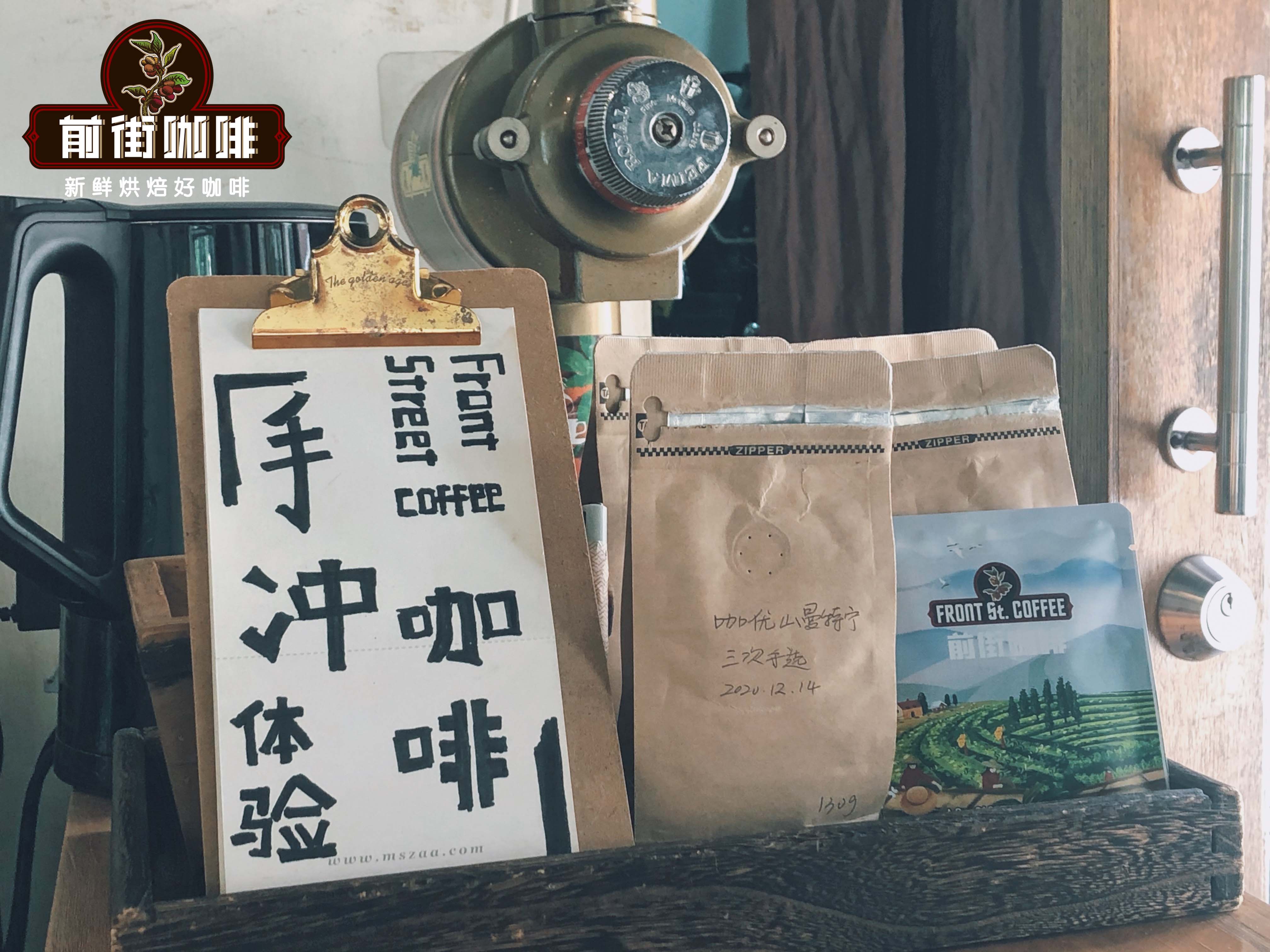
Asian Region: Representative of Rich and Herbal Profiles
Asia is the world’s second-largest coffee-producing region, with Indonesia and Yunnan being the most representative. A common characteristic of coffee beans from this region is their high body and relatively low acidity, often accompanied by woody, herbal, or spicy notes, making them suitable for drinkers who prefer a bold flavor.

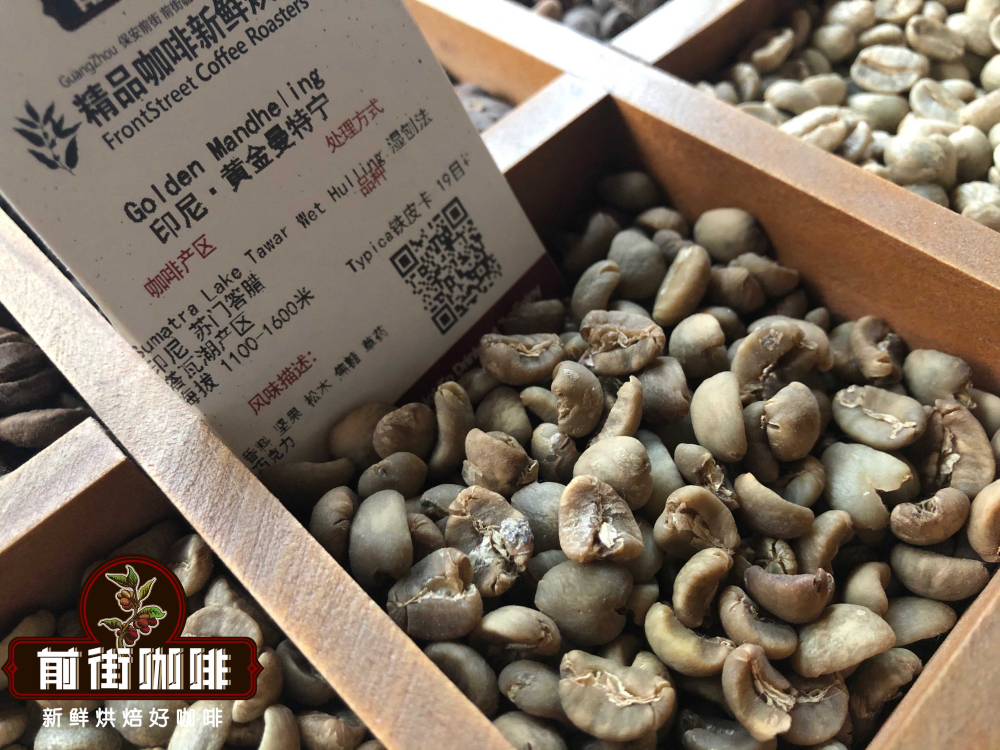
Indonesian Golden Mandheling (Gayo Mountain, Sumatra)Processed using the unique wet-hulled method, grown at altitudes of 1100-1600 meters, with the Ateng variety. This bean features flavors of roasted toast, nuts, and caramel, with a pronounced herbal character. Compared to traditional Mandheling, it is cleaner and brighter, with a defect rate below 3% (based on a 300g green bean standard), and is classified as G1 premium grade.
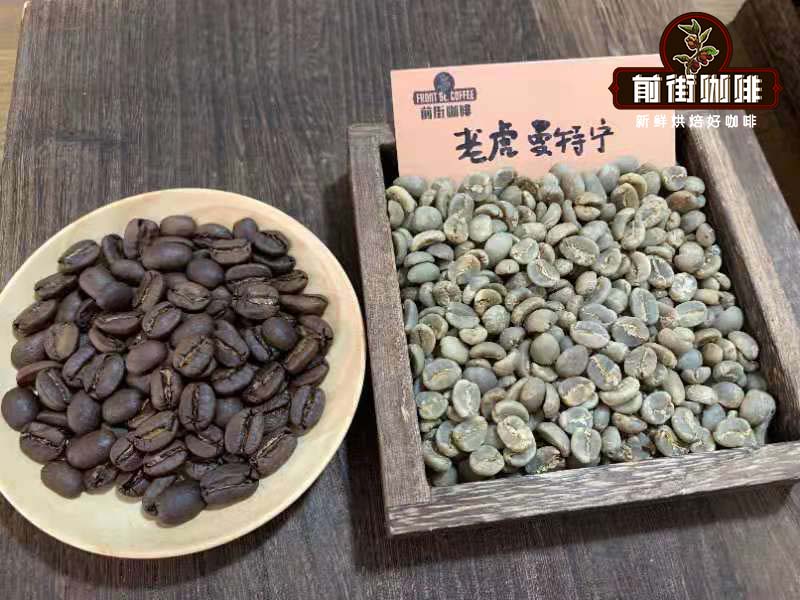
Indonesian Tiger MandhelingAlso from Sumatra, grown at 1500 meters altitude, a blend of Catu, Typica, and Sidikalong varieties. The wet-hulled method gives it a balanced profile of cream, dark chocolate, and nuts, with beans larger than seventeen mesh and a defect rate below 4%. The overall flavor is highly harmonious.
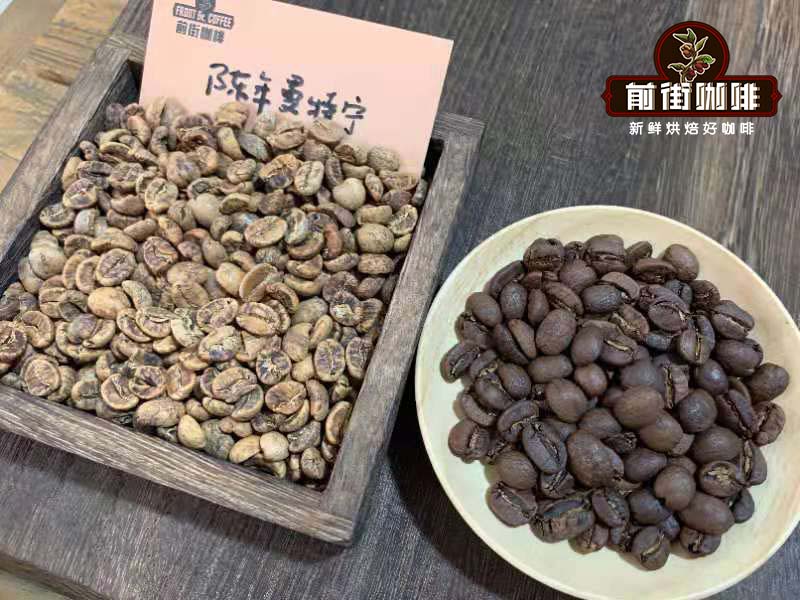
Aged MandhelingAfter 2-3 years of storage in cool and ventilated conditions, the acidity significantly decreases, developing layers of ripe pu-erh, caramel, and chocolate. However, improper storage can easily lead to off-flavors.
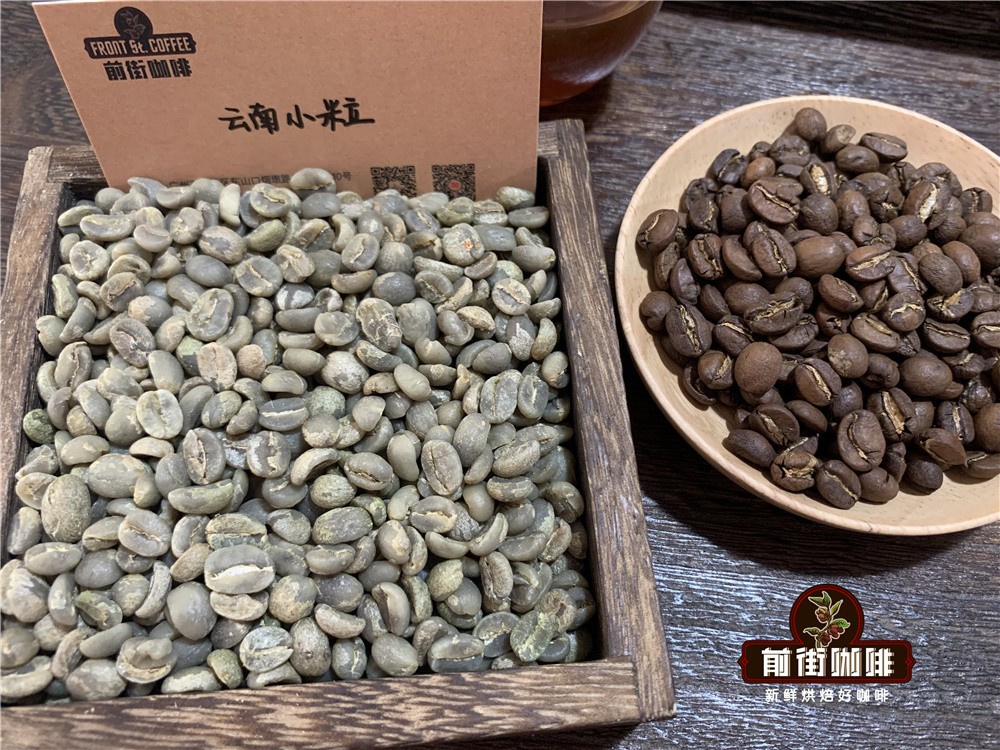
The Yunnan region has seen accelerated progress in specialty coffee development in recent years,Typica variety (Baoshan, 1450-1550 meters)After washed processing, it exhibits flavors of citrus, plum, and black tea;Catimor natural beans (1450-1550 meters)With Robusta genetic influence, they feature flavors of caramel, dried fruit, and dark chocolate, suitable for users who enjoy rich sweetness.
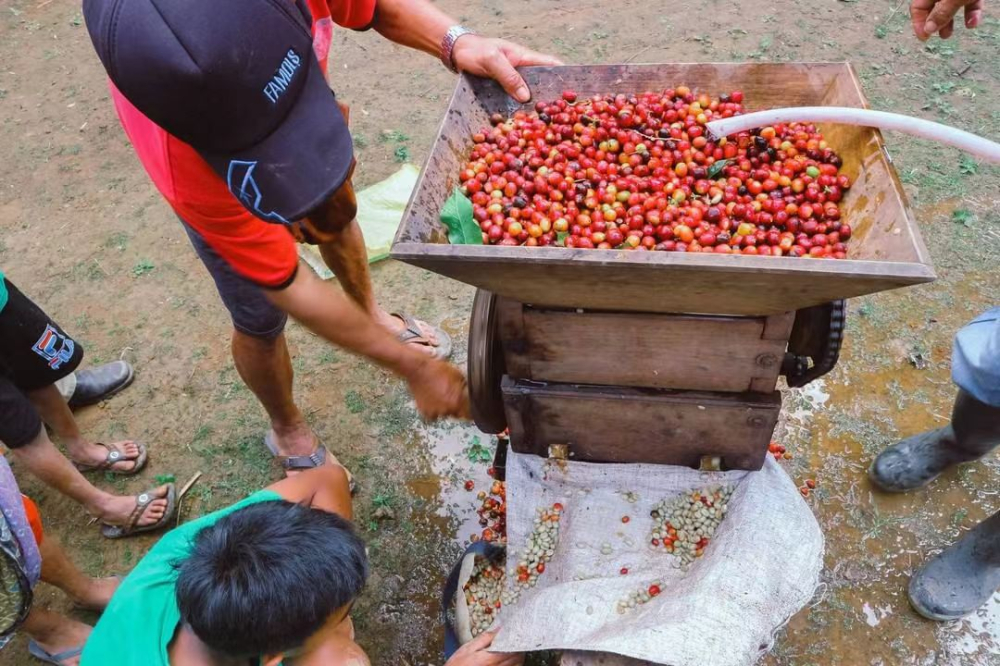
African Region: Exemplar of Bright Acidity and Floral-Fruity Aromas
As the birthplace of coffee, Africa boasts a rich gene pool of native varieties. Its coffee is renowned for high acidity, vibrant fruitiness, and floral notes, though it generally has a lighter body.

Ethiopian Yirgacheffe Natural Red CherryGrown at an altitude of 2300 meters, using local native varieties and natural processing, its flavors highlight berries, lemon, and fermented wine notes. It is a classic choice for experiencing the bright acidity of African beans. This batch comes from the “Red Cherry Project,” with strictly selected fully ripe red fruits and hand-picking.
Sidamo Huakui (2250-2350 meters)A natural variety processed via natural drying, once winning the TOH green bean competition championship. It is characterized by strawberry, honey, and black tea aromas, with balanced sweet and sour notes and rich layers.
Kenya’sAthieli Coffee (1550-1750 meters)Uses SL28 and SL34 varieties, paired with a unique 72-hour low-temperature washed process, developing bright acidity with flavors of cherry tomato, smoked plum, and brown sugar. The taste is vibrant with a clean finish.
Latin American Region: Balanced and Rich in Diverse Expressions
Latin American coffee is known for its stable balance, often featuring base notes of nuts, chocolate, and caramel, suitable for drinkers seeking a mild flavor profile.
Brazilian Queen Estate Yellow Bourbon (1400-1950 meters)Processed using the honey method, the Bourbon variety gives it creamy peanut, cane sugar, and fermented fruit sweetness. Hand-picking ensures consistent fruit ripeness.
Costa Rica’sMusician Series Mozart (Tarrazú, 1800 meters)Uses the raisin honey processing method. The Catu and Catuaí varieties deliver flavors of berries, raisins, and flowers, with plum acidity and candied sweetness emerging in the mid-to-late stages.
Colombia’sBoundary Estate Sidra (Huila, 1800 meters)An experimental variety processed via double anaerobic natural drying. Sidra is known for its passion fruit, apricot, and tropical fruit flavors, suitable for consumers who enjoy complex sweet and sour profiles.
When selecting pour over beans, it is also recommended to consider grind size (usually medium-fine), water temperature (88-94°C), and brewing technique. For Asian beans, you may slightly extend extraction time to enhance body; for African beans, shorten contact time to avoid excessive acidity; and for Latin American beans, maintain a steady flow rate to preserve balance. By understanding regional characteristics and processing methods, you will be able to more precisely explore the diverse charm of coffee.

The above content is compiled by CoffeeHunters, a coffee news website.


