







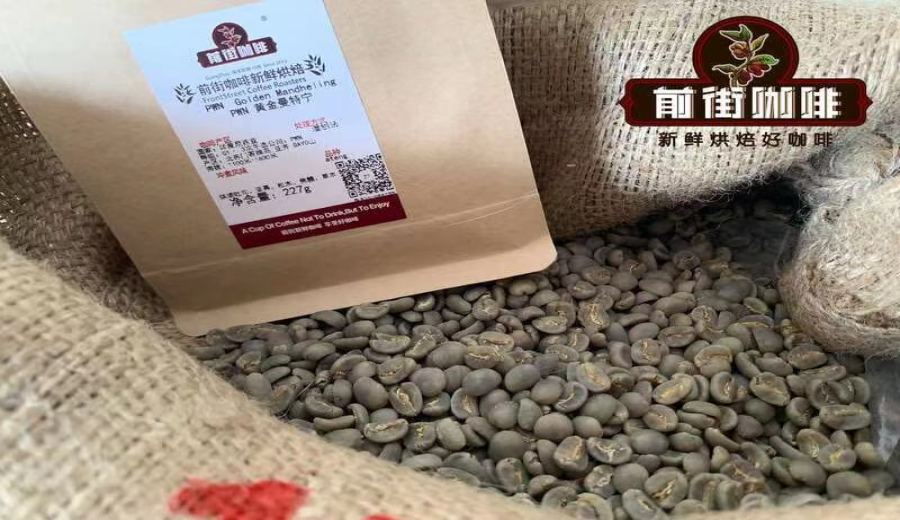
Introduction:Coffee beginners are often overwhelmed by the vast array of coffee bean varieties available on the market, with differences in price, packaging, and naming that can be dizzying. This article provides an easy-to-understand breakdown of the three main types of coffee beans—single origin, SOE, and espresso blend—explaining their differences in regional flavor profiles, roast levels, and ideal brewing scenarios. It also analyzes the price ranges of each type and offers practical purchasing advice to help you find the coffee beans that best suit your brewing method and budget.
Many coffee enthusiasts who are just starting out often feel confused by the overwhelming range of options when making a purchase: coffee bean prices can vary from tens to hundreds of yuan, packaging comes in sizes ranging from 100 grams to 1 kilogram, and there are various technical terms that sound quite professional. In reality, the coffee beans on the market can generally be divided into two main categories: espresso beans designed specifically for espresso machines, and single origin coffee beans that highlight regional characteristics. This article will provide a detailed introduction to the subcategories within these two main types, including SOE and pour over single origin beans, and analyze the differences between them, their roast characteristics, price ranges, and practical purchasing advice.
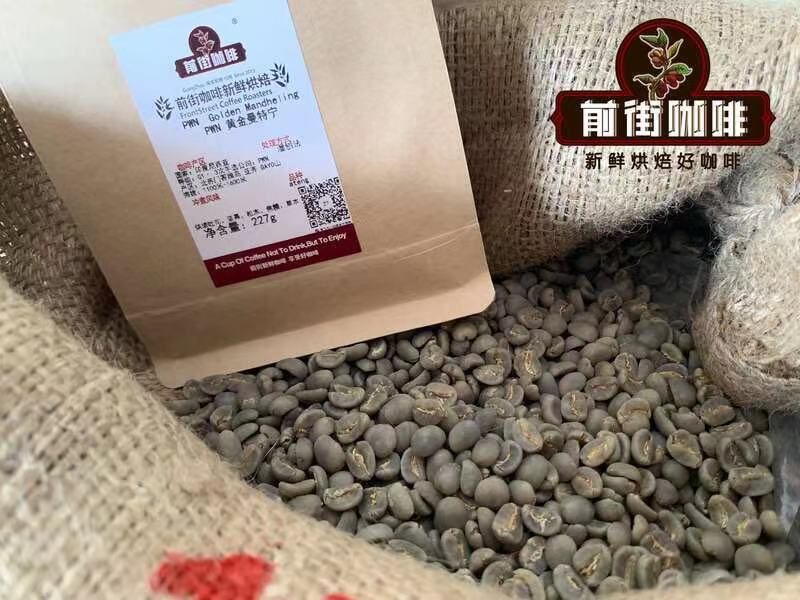
Let’s start with single origin coffee beans, also commonly referred to as specialty coffee beans. The most distinctive feature of these beans is their ability to showcase the unique terroir conditions of a specific region, such as altitude, climate, and processing methods, which means each variety often has distinct regional flavor characteristics. Single origin beans usually clearly indicate origin information on the packaging, such as Ethiopia’s Yirgacheffe, Guatemala’s Antigua, or Brazil’s Cerrado. In terms of packaging specifications, single origin beans typically come in 100 gram, 227 gram, or 340 gram sizes, with larger sizes being less common. They are very well suited for brewing methods such as pour over, French press, AeroPress, siphon, or cold brew.
If you prefer filtration-based brewing methods, then single origin coffee beans are definitely your best choice. For those who are new to pour over brewing, you might want to start with representative beans like Mandheling, Yirgacheffe, Brazilian natural, Colombian washed, Costa Rican Blackberry, or Panamanian Geisha. When selecting, you can begin by looking at the flavor descriptions on the packaging, such as floral, citrus, nutty, or caramel notes, and choose beans from regions that match your preferred taste profile.
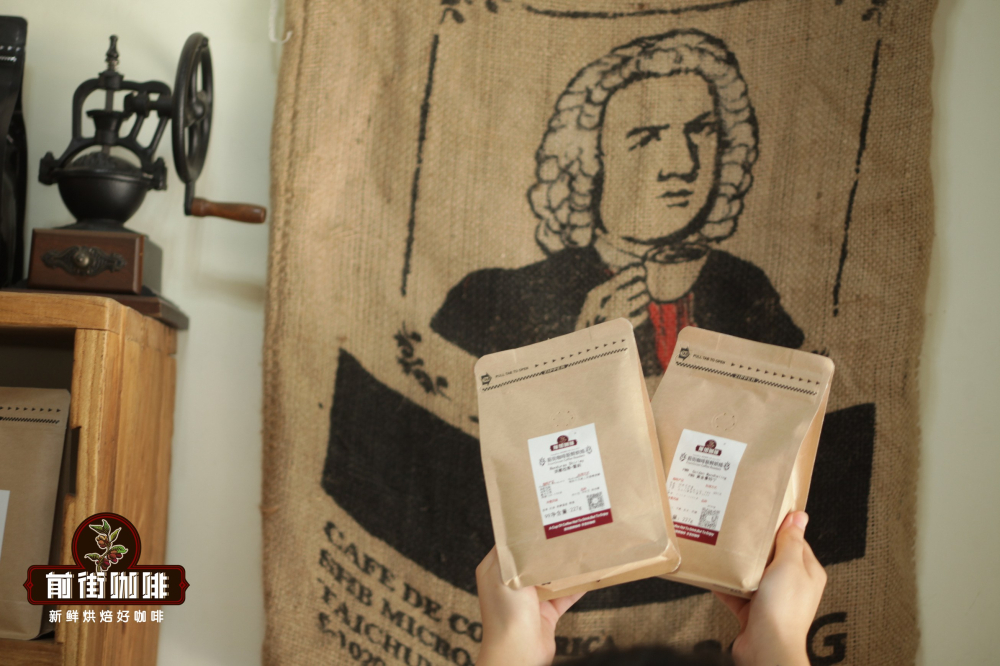
The other major category is espresso beans, which are specifically designed for use in espresso machines. The most notable characteristic of these beans is that they are usually roasted to a darker level, close to medium-dark or dark roast, in order to produce a rich flavor and abundant crema under high-pressure extraction. Due to differences in roast styles, many single origin beans that are otherwise suitable for pour over may not perform optimally in an espresso machine and can sometimes end up tasting overly bitter or one-dimensional.
Within the realm of espresso beans, there are two main subtypes: SOE (Single Origin Espresso) and blends. Let’s start with SOE. It is essentially the “espresso version” of single origin beans—that is, it uses coffee beans from a single origin but is roasted to a darker level than typical pour over single origin beans to better suit the high-pressure environment of an espresso machine. SOE also emphasizes regional characteristics; for example, a brand’s Red Cherry Yirgacheffe SOE is known for its bright berry and floral notes, while Mozart SOE showcases a rich tropical fruit sweetness, and PNG Paradise Bird is popular for its balanced nutty and chocolatey profile. However, because SOE beans make up a relatively small portion of the market, be sure to check whether the packaging clearly indicates that it is SOE or specifically for espresso to avoid mistakenly buying beans that are better suited for pour over.
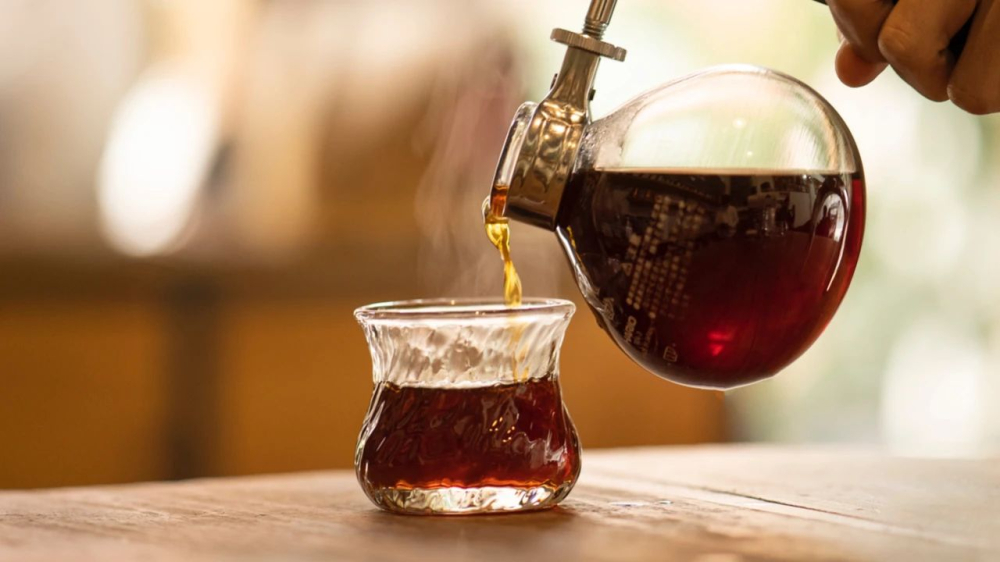
As for espresso blends, they are the most common and widely used type in espresso coffee. The reason espresso blends are so popular is that they can achieve a balance of flavors, stability, and cost control through the combination of beans from different regions. However, these three aspects often form what is known as the “impossible triangle,” making it difficult to achieve all three at once, so trade-offs need to be made based on usage goals. For café owners or those new to espresso, understanding the design philosophy behind blends can help you make more suitable choices.
For example, a brand’s premium blend is composed of beans from Colombia and Brazil—two countries with stable annual production and consistent quality. The Brazilian beans provide a rich base and balance, while the Colombian beans add a moderate level of fruitiness and complexity, resulting in an overall flavor that is bold with a nutty profile, making it ideal for specialty coffee shops that prioritize flavor consistency. On the other hand, a brand’s Dark Cocoa blend is cost-performance oriented, using a mix of Yunnan and Brazilian beans. While keeping costs down, it still maintains the boldness and stability expected from espresso, making it a great everyday or budget-friendly option for small cafés.
Additionally, a brand’s commercial blend incorporates a small amount of Robusta beans (from Vietnam). Although the proportion is low, the distinctive bold crema and high caffeine content of Robusta beans can enhance the overall richness of the espresso, especially when milk is added, bringing out intense caramel and chocolate flavors. This blend is a favorite among many specialty espresso shops. Finally, a brand’s Strawberry Sugar espresso is a flavor-oriented blend made from three single origin beans from different regions. It highlights sweetness and fruity notes, featuring prominent rose floral aromas, and when brewed as an americano or latte, it reveals complex flavors such as grapes, dried blueberries, sweet orange, and fruit candy—making it a hit with consumers who enjoy unique taste profiles.
In summary, when choosing coffee beans, it’s recommended to first clarify your brewing method (such as pour over or espresso), your budget range, and your preferred flavor profile. If you’re a pour over or filtration brewing enthusiast, single origin coffee beans can deliver the purest regional flavor experience. If you’re using an espresso machine, you can opt for stable and balanced blends, flavor-forward SOEs, or bold commercial blends depending on your needs. By understanding these basic categories and characteristics, you’ll be able to select the coffee beans that best suit you more precisely and enjoy the pleasure of every brew.
The above content is compiled by CoffeeHunters, a coffee news website.


