








Introduction:Gain an in-depth understanding of the key roasting stages from green bean intake to roast finish, and master how temperature changes shape the flavor profile. This article uses actual color values and stage-by-stage cupping examples to guide you from light to dark roasts, clarifying the flavor characteristics at each turning point, while also interpreting the correlation between Agtron color values to help you accurately choose your preferred roast level.
The charm of a cup of coffee often stems from the subtle interplay of temperature and time during roasting. From the moment the beans enter the drum, dehydration, first crack, and oil release all quietly determine the direction of the final flavor. This article will delve into the temperature changes at each stage of the coffee roasting process, and through color value assessment criteria, help you understand the differences in aroma, acidity-sweetness balance, and mouthfeel among light, medium, and medium-dark roasts.
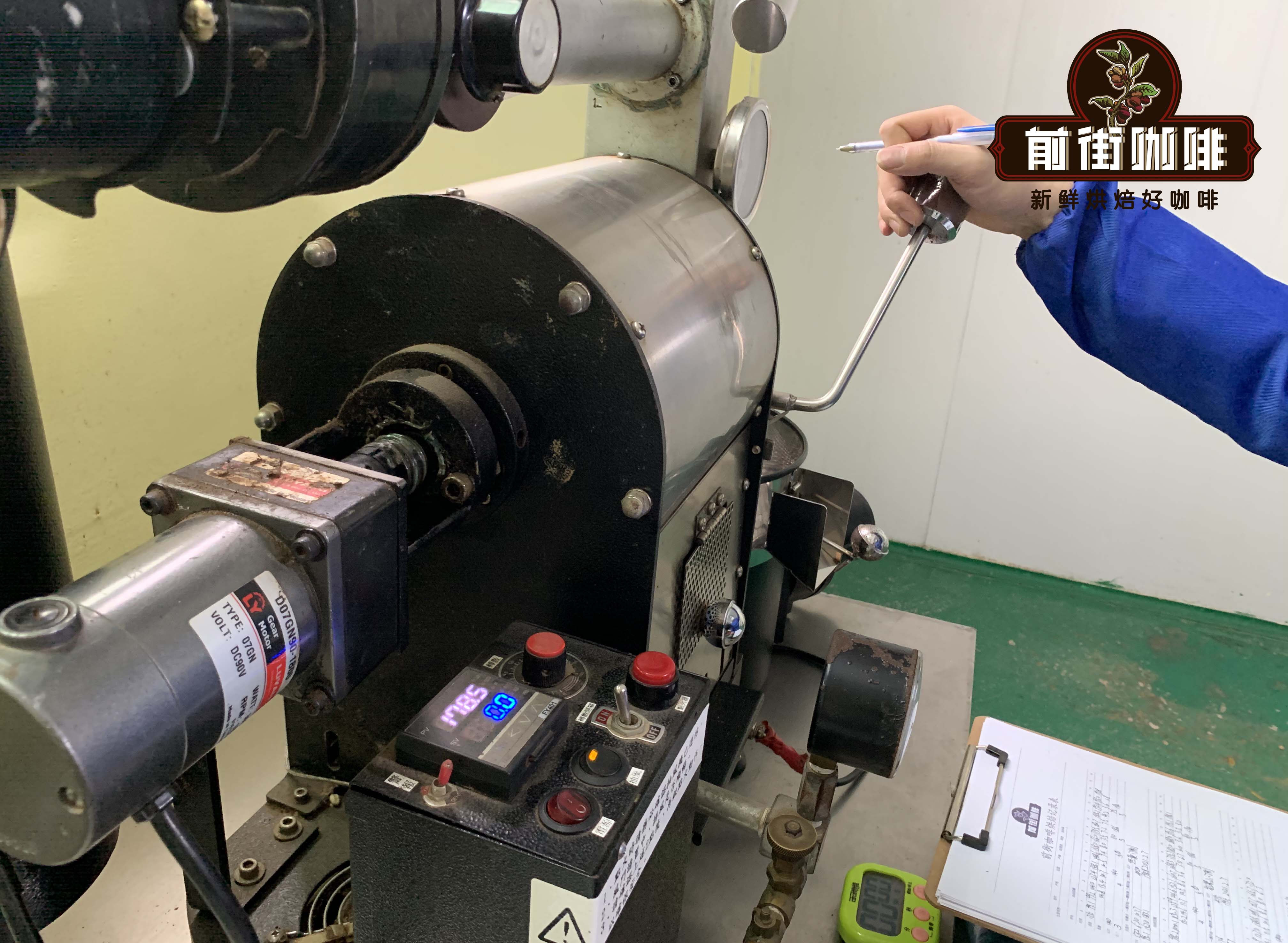
Roasting is not just about heating the beans, but also about triggering a series of physical and chemical reactions. Only with a well-controlled temperature curve can the most captivating layers of the coffee beans be released. Below, we will break down how temperature changes affect the final cup flavor at each roasting stage.
Coffee roasting can generally be divided into several main stages: bean intake, dehydration phase, yellowing point, first crack, second crack, and roast finish. Before bean intake, the roaster must be preheated to stabilize the drum temperature at 180–200°C, which is conducive to even heat absorption by the beans. After the beans are loaded, the drum temperature usually drops to around 100°C, then enters the warming-up phase, where the temperature begins to rise again. This turning point is called the turnaround point and is also an important indicator for assessing initial heat absorption.
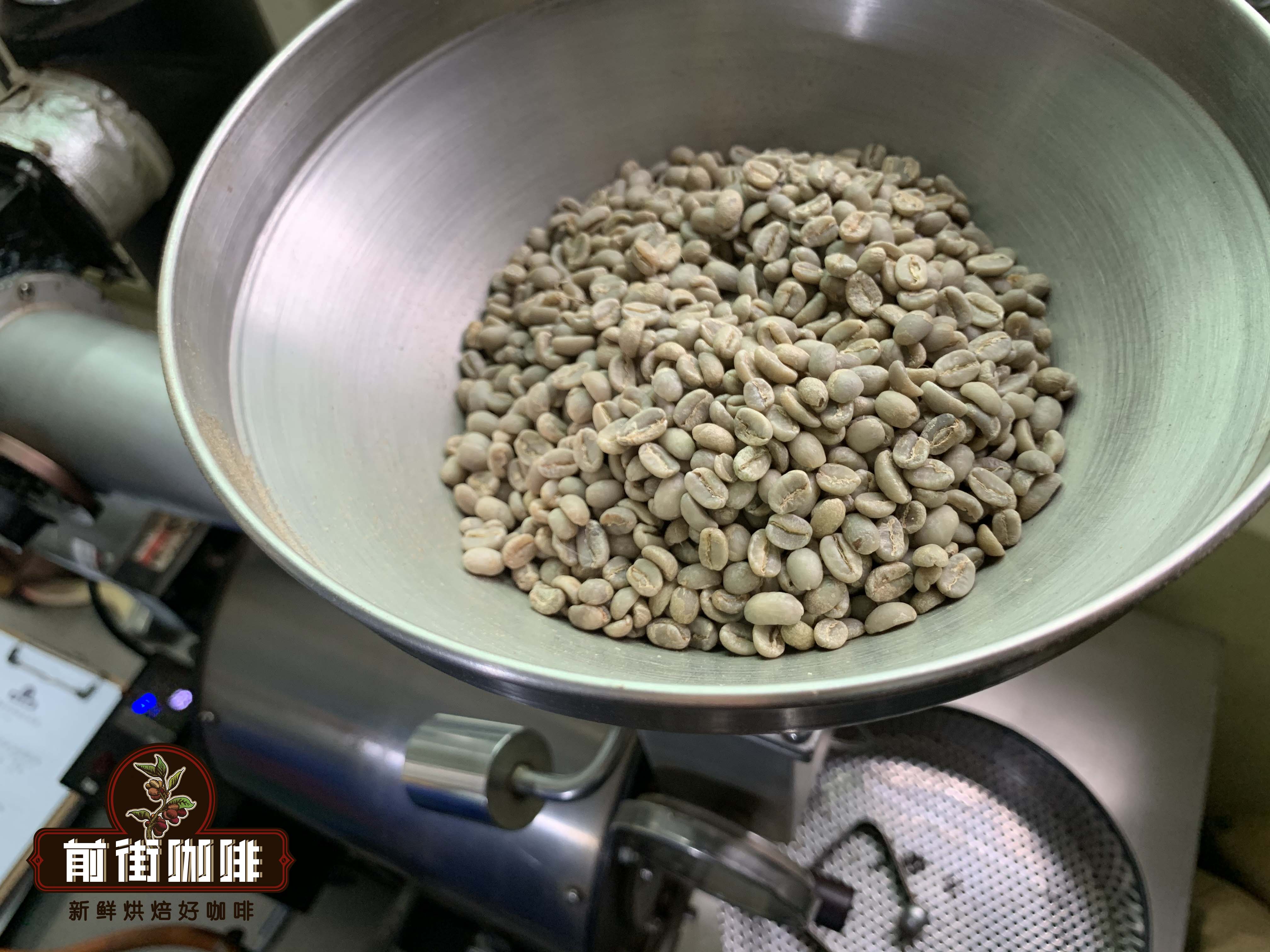
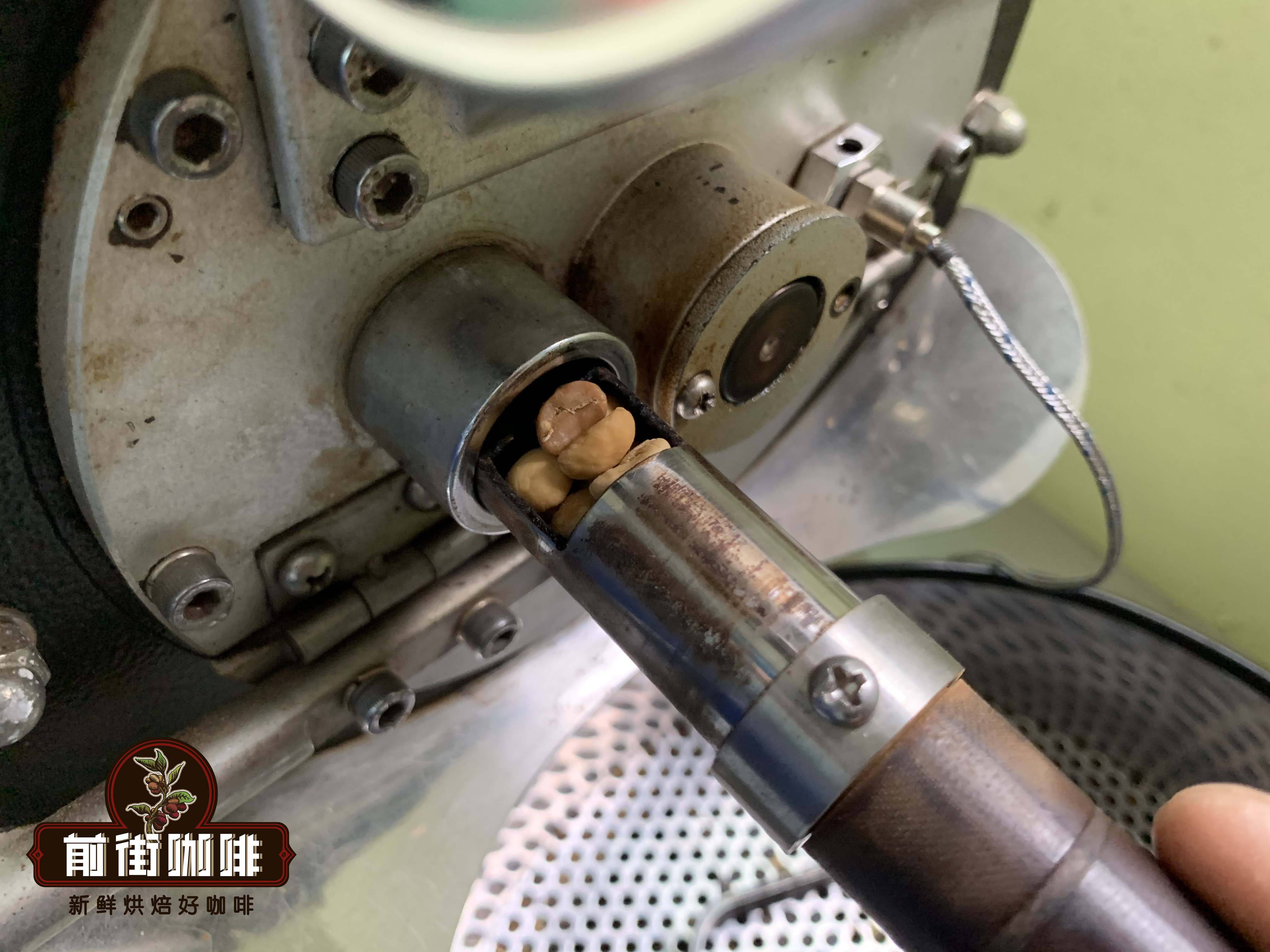
Around the 5-minute mark of roasting, the beans begin to turn from green to yellow, emitting an aroma similar to toasted bread. This stage is called the yellowing point. At this point, the internal fibers of the beans begin to expand, heat is steadily transferred, laying the foundation for the subsequent cracking reactions.
The first crack is a crucial turning point in coffee roasting. When the pressure generated by the evaporation of internal moisture breaks through the cell walls, a continuous “crackling” sound is emitted, marking the beginning of the exothermic reaction. The first crack is generally divided into an initial sparse cracking phase and a subsequent dense cracking phase, lasting about 9 to 12 minutes in total. The duration of first crack development significantly influences the final flavor of the coffee.
Immediately following the first crack, if heating continues, the beans will enter the second crack stage. At this point, the wooden fibers break due to renewed heat absorption, and although the cracking sounds are not as loud as during the first crack, oils begin to seep out to the surface, giving the beans a glossy shine. The beans can be dropped at any stage between the first and second cracks, but must be quickly cooled to prevent over-roasting and flavor degradation. The drum temperature at drop time is usually maintained above 180°C.
In addition to observing time points, the roast level of coffee beans can also be scientifically assessed using the Agtron color value system. Taking naturally processed Yirgacheffe as an example, under the same bean variety, different drop times will yield distinctly different flavor profiles.
The light roast sample was dropped at 5’00’’ after the yellowing point, with first crack starting at 8’30’’ (temperature 185.8°C), and dropped after 1’30’’ of post-first crack development, at a drop temperature of 196.3°C. Cupping notes showed fruity, creamy, and citrusy wet aromas, with bright acidity and sweetness in the sip flavors including blueberry, citrus, berry, and tropical fruits.
The medium roast sample had a yellowing point at 5’00’’, first crack starting at 8’32’’ (temperature 186.9°C), and was dropped after 2’30’’ of post-first crack development, at a drop temperature of 197°C. Its wet aroma carried notes of spice, berries, and fermentation, while the sip flavors presented a balanced profile of peach, plum, lemon, cream, and floral notes.
The medium-dark roast sample had a slightly later yellowing point at 5’20’’, first crack starting at 8’42’’ (temperature 185.4°C), and was dropped after 3’30’’ of post-first crack development, at a drop temperature of 198°C. Cupping notes revealed spicy, smoky, and cocoa-like wet aromas, with sip flavors showcasing a rich profile of nuts, dark chocolate, cream, and herbs.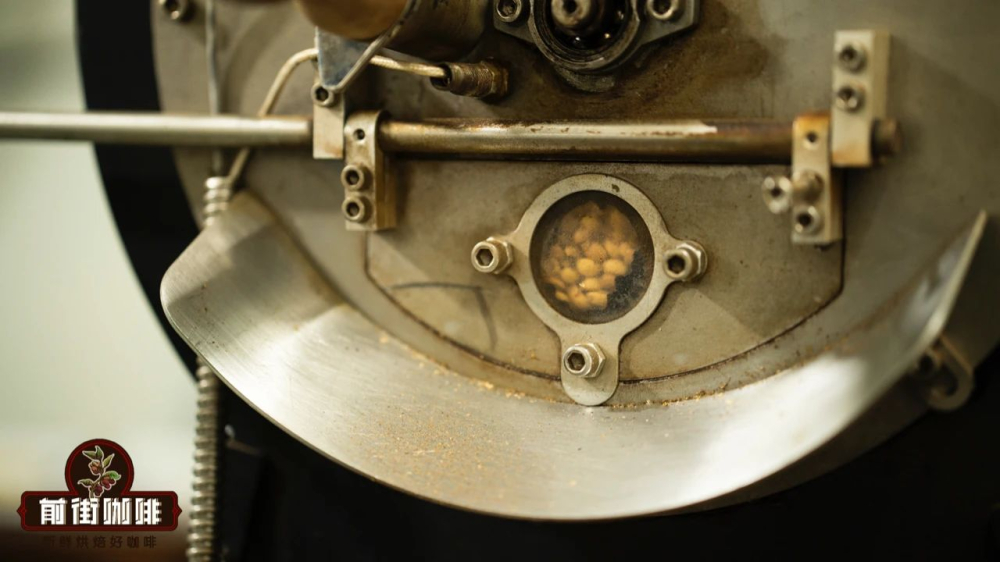
To more precisely define roast levels, the industry commonly adopts the Agtron color value system. For light roasts such as Agtron #95 (Light Roast), beans are typically dropped right after the dense phase of the first crack ends; Agtron #85 (Cinnamon Roast) is dropped around or just after the first crack finishes. Moving into the medium roast range, Agtron #75 (Medium Roast) is often dropped after the first crack finishes; Agtron #65 (High Roast) is dropped during the quiet period between the first and second cracks.
For medium-dark roasts, Agtron #55 (City Roast) is usually dropped at the start of the second crack; Agtron #45 (Full City Roast) is dropped just before the dense phase of the second crack. Progressing further to dark roasts, Agtron #35 (French Roast) is dropped during the dense phase of the second crack; Agtron #25 (Italian Roast) is completed when oils begin to emerge on the bean surface.
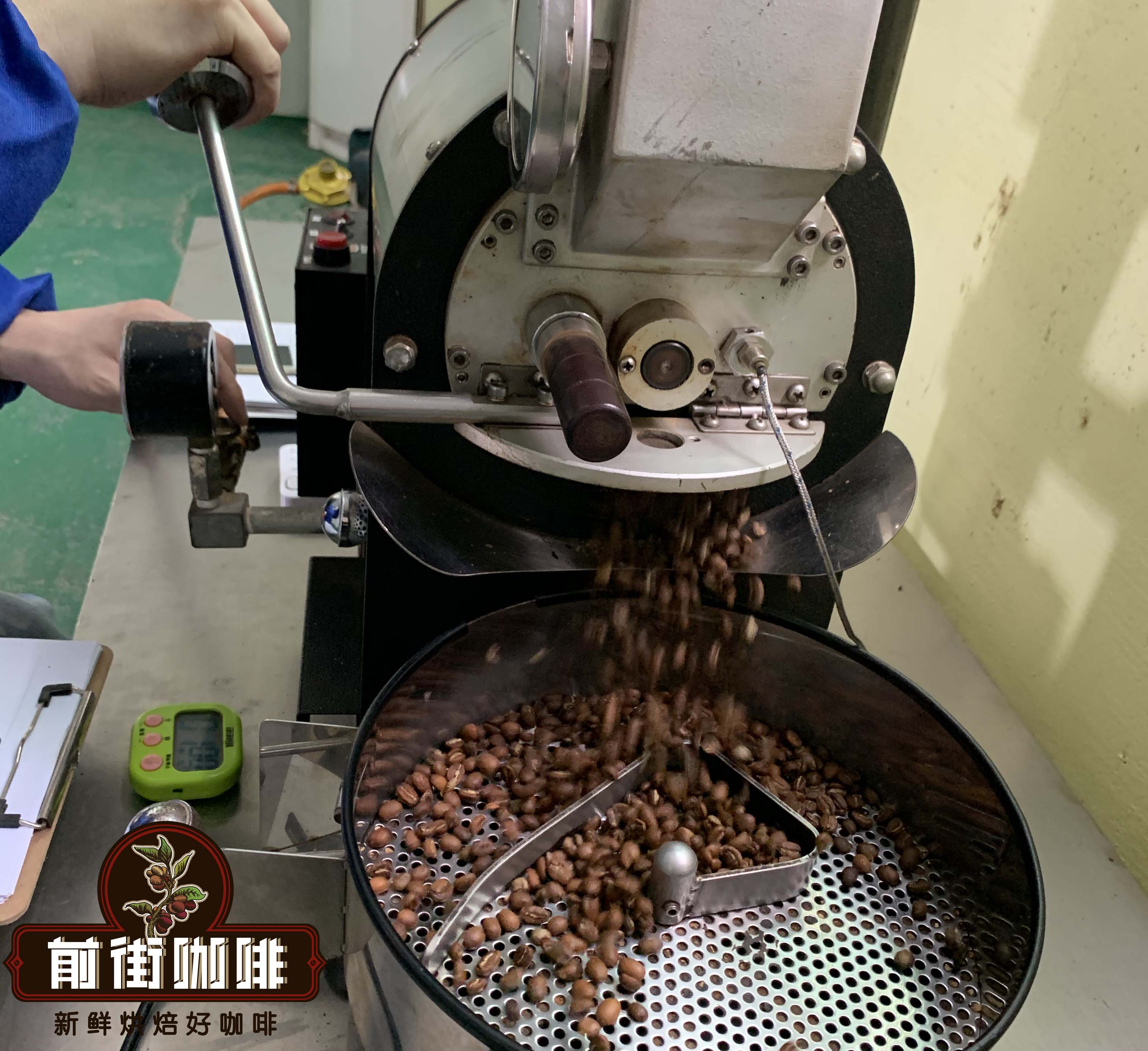
With an understanding of these roasting stages and their corresponding color values, consumers can choose the roast level that best suits their personal taste preferences. Whether you prefer the bright fruit acidity of a light roast or the bold richness of a dark roast, mastering these key parameters can help you find your own coffee flavor map.
The above content is compiled by CoffeeHunters, a coffee news website.


