







Introduction:The appropriate coffee grind size is key to influencing flavor extraction and brewing efficiency. This article provides a detailed breakdown of the ideal grind sizes for three mainstream brewing methods—pour over, espresso, and moka pot—including a practical 0.85mm sieve test method, common misconceptions, along with water temperature recommendations and bean selection tips to help you master the details of each brewing style.
Among the many variables in coffee preparation, grind size plays a pivotal role. Coffee grounds that are too coarse lead to under-extraction, resulting in a flat and uninspired cup; too fine, and you risk over-extraction, releasing excessive bitter and astringent compounds that disrupt the overall balance. Many coffee enthusiasts have heard the saying: “The return on investment in a grinder far outweighs that of an espresso machine,” which underscores the critical impact of grind size on the final flavor.
This article will take you deep into the medium-fine and medium-coarse grind standards for pour over coffee, the extremely fine grind required for espresso, and the ideal particle size range for moka pot brewing that falls between the two. In addition to offering a practical powder sifting test method, it also includes industry-recommended water temperature and bean pairing advice accumulated through hands-on practice, helping you get closer to the ideal flavor with every brew.
There are numerous factors that influence the flavor of a cup of coffee, from coffee-to-water ratio and water temperature to grind size—each element can affect the final taste. Among these, grind size is often the most overlooked yet extremely crucial factor. There’s an industry saying: “You can compromise on the coffee machine, but you must choose the right grinder,” and this is absolutely not without reason. The right grind size not only affects extraction efficiency, but also directly determines the proportion of flavor compounds released.
When coffee grounds are too coarse, water passes through too quickly, and flavor compounds don’t have enough time to dissolve, resulting in a drink as weak as water. Conversely, when the grounds are too fine, the excessive surface area leads to the over-release of bitter and astringent substances, creating an imbalanced taste. Therefore, selecting the right grind size for different brewing methods is a fundamental skill every coffee enthusiast should master.
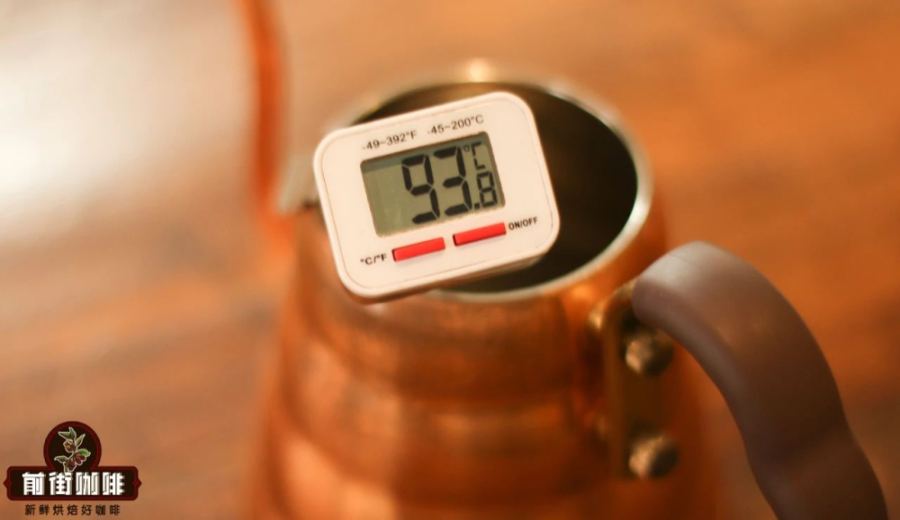
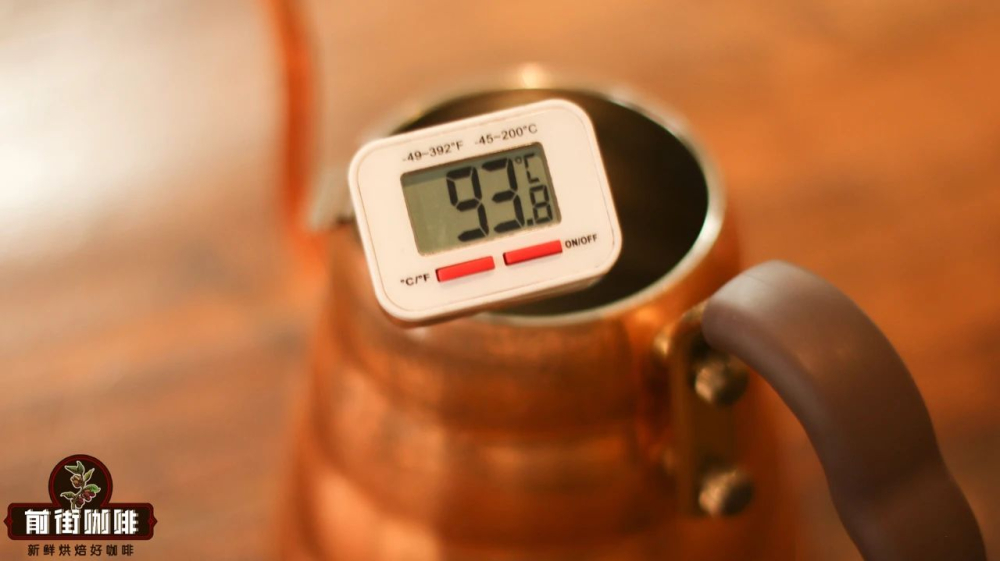
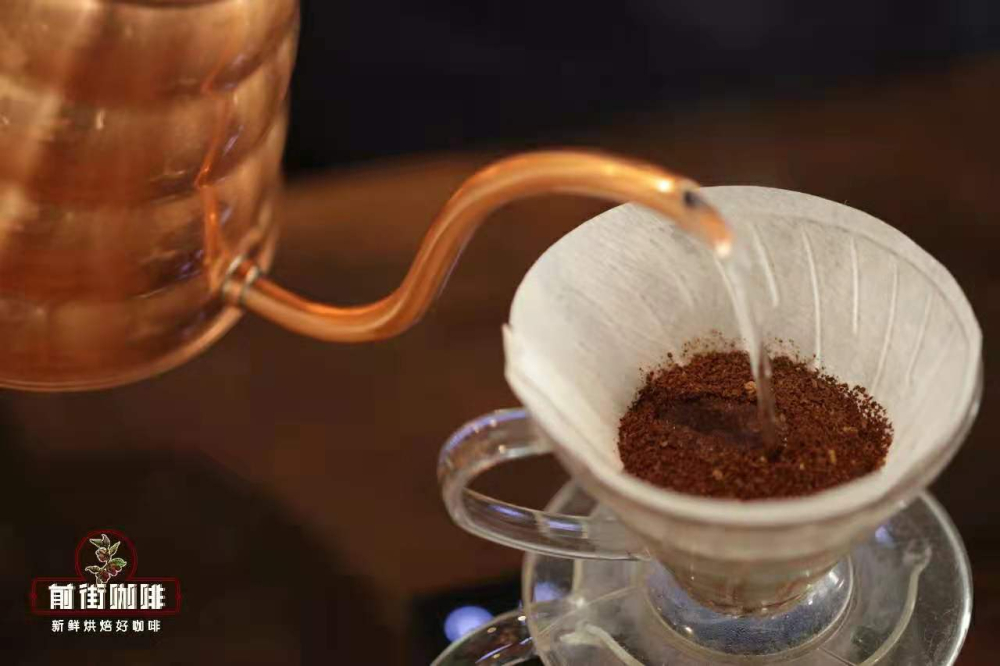
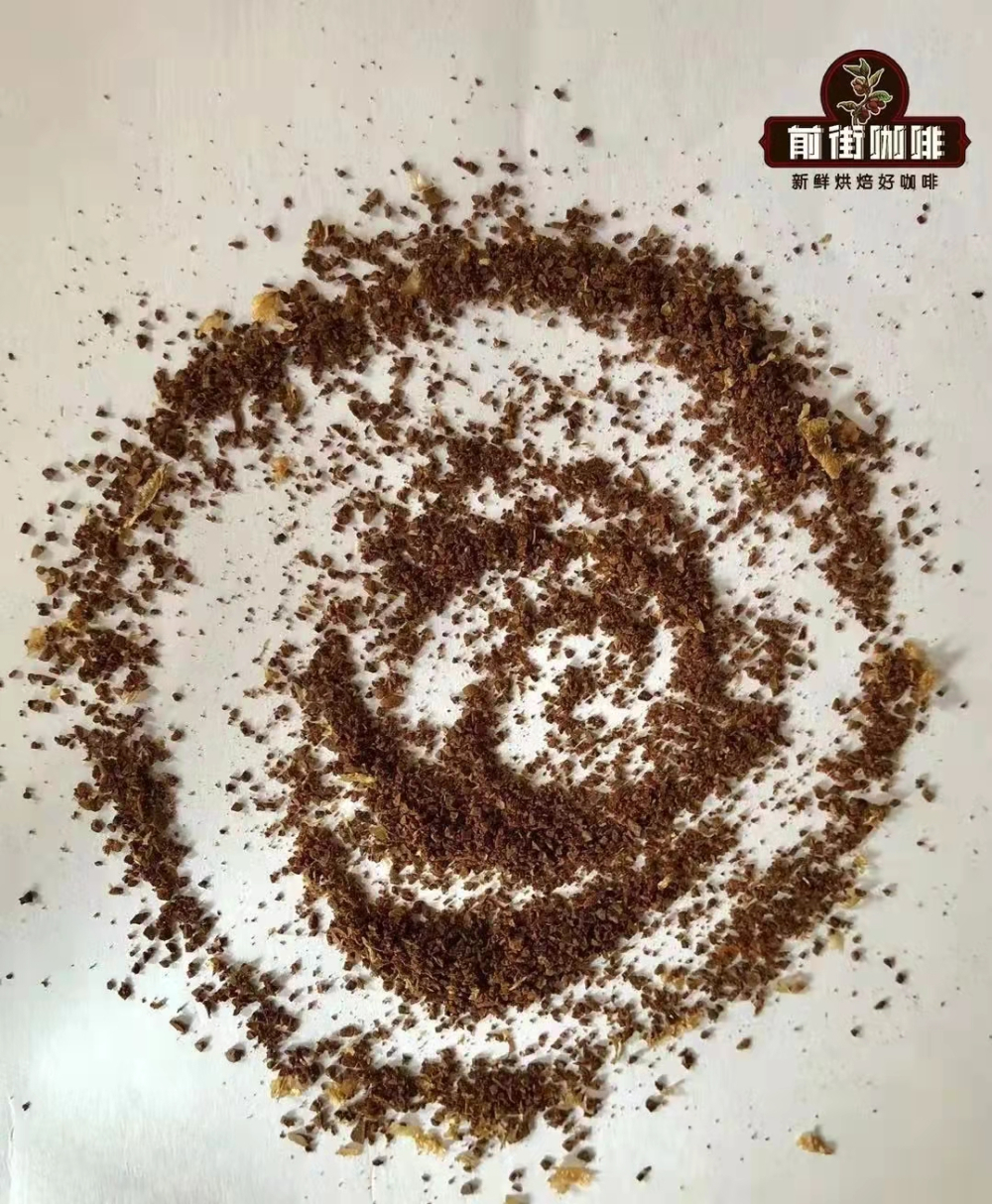
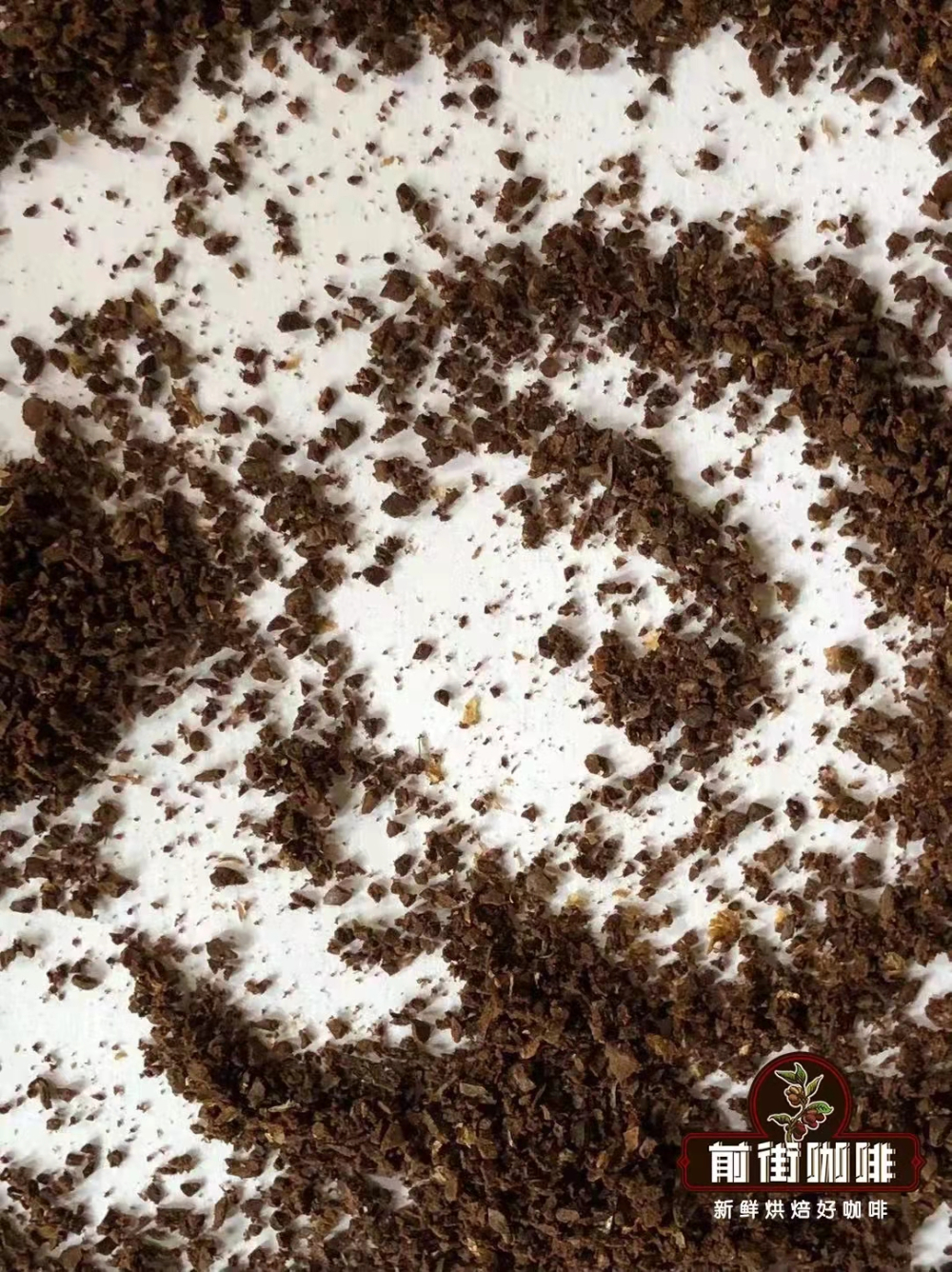
The standard grind size for pour over coffee depends on the roast level of the beans. Taking commonly available freshly roasted beans as an example, medium-light roasted beans usually exhibit pronounced acidity and have caramelized compounds that are more difficult to extract. For such beans, it is recommended to use a medium-fine grind (approximately 80% of particles passing through a 0.85mm No. 20 sieve, with a texture similar to fine sugar). This grind size slows down the water flow rate, allowing more time for the release of acidic, sweet, and caramel flavors, resulting in a more balanced taste. The recommended water temperature is between 90–91°C; too high a temperature can over-extract bitterness, while too low may lead to incomplete extraction and a thin flavor.
On the other hand, medium-dark roasted beans have lower acidity, greater body, and already contain a relatively rich amount of caramelized compounds. In this case, it is recommended to use a medium-coarse grind (again tested with a 0.85mm sieve, with about 70% passing through, and a particle feel similar to coarse sugar). This grind size speeds up water flow, avoiding the bitterness caused by over-extraction, and allows the coffee to retain a sweet, full-bodied profile while maintaining a refreshing layered sensation. The recommended water temperature is controlled between 88–89°C; too high may cause bitterness and astringency, while too low can result in a dull flavor.
How can you confirm the actual grind size of your coffee? It is recommended to use the sieving method for testing. The specific steps are as follows: first weigh out 10 grams of coffee beans, grind them at your estimated grind setting (e.g., the coarseness feel of fine or coarse sugar), then pour the coffee grounds into a 0.85mm No. 20 sieve, close the lid tightly, and shake it evenly from side to side until no more powder passes through. Weigh the sieved coffee grounds afterward—if the result is around 8 grams, it indicates a medium-fine grind; if around 7 grams, it’s a medium-coarse grind. If the pass-through rate is too high, adjust the grind to be coarser; if too low, make it finer. If you don’t have a sieve tool, you can also assist in judgment by observing the water flow speed: fast water flow usually means the grounds are too coarse, while slow flow may indicate they’re too fine.
Different brewing methods also vary in their grind size requirements. For common methods such as pour over, siphon, and American drip, the general sieve throughput rates are roughly: cold drip > pour over/siphon (around 80%) > American drip (75–80%) > cupping (70–75%) > French press (65–70%). Understanding these reference values can help you adjust your grind settings according to the actual brewing method.
The grind size for espresso is distinctly finer. Since espresso extraction typically occurs under 9 bars of high pressure and the entire process often lasts no more than 30 seconds, an extremely fine grind is needed to ensure sufficient flavor compounds are released within a short time. Taking the common Faema 900N grinder as an example, its grind size usually ranges between 1.8 and 2.0, but the actual value is fine-tuned based on the beans’ rest state, weather conditions, and the final flavor outcome.
For instance, using 20 grams of coffee grounds, setting the grind to 1.8, and aiming to extract 40 grams of coffee liquid within 27–28 seconds, this 1:2 coffee-to-water ratio helps fully present the coffee’s layers, while the relatively fast flow rate also highlights the beans’ inherent aroma and dark chocolate notes. In practice, it’s recommended to flexibly adjust the grind and extraction parameters according to the bean variety characteristics and personal taste preferences.
Although the moka pot is a home-use device, its working principle is similar to espresso, generating about 1.5 to 3 bars of pressure, so its grind size requirement falls between that of pour over and espresso machines. It is recommended to use coffee grounds with a particle size of about 0.3 to 0.55mm, slightly coarser than standard espresso grind. To judge whether the grind is appropriate, observe the extraction: if the grounds are too coarse, the coffee may pour out too quickly, even in a fountain-like manner; if too fine, the water may boil but the coffee fails to flow smoothly, in which case you should turn off the heat immediately to avoid over-extraction or burning.
As for suitable coffee bean varieties for the moka pot, it is recommended to choose medium-dark or medium-roasted beans, which help bring out a richer taste and moderate crema. For example, a blend combining Costa Rican honey-processed beans, Ethiopian heirloom varieties, and Colombian beans can showcase a soft acidic-sweet profile, coupled with intense aroma and a dense mouthfeel, making it highly suitable for moka pot extraction. During actual use, you can further fine-tune the grind and tamp pressure according to personal preference to find the combination that best suits your taste.
The above content is compiled by CoffeeHunters, a coffee news website.


