








Introduction:The French press is a staple brewing tool in many coffee enthusiasts' homes, beloved for its simplicity and rich flavor. This article will delve into the extraction principles of the French press, covering everything from suitable coffee bean types, grind size, coffee-to-water ratio, to adjustments in water temperature and steeping time—guiding you step-by-step to master the optimal brewing parameters. It also offers tips on using the Starbucks French press, helping you brew a well-balanced, crema-rich cup of coffee at home.
Thanks to its ease of use and bold flavor, the French press has become a daily favorite for many coffee lovers. This full-immersion brewing device retains coffee oils through its metal filter, delivering a richer and more layered mouthfeel. However, to brew an outstanding cup of French press coffee, every step—from selecting the right beans, controlling grind size, setting water temperature, to managing steeping time—requires careful attention. This article will detail the types of coffee beans suited for the French press, the practical standards for coarse grinding, and provide a complete brewing guide, including how to use the Starbucks French press, so you can easily get started and enjoy a professionally brewed immersion coffee.
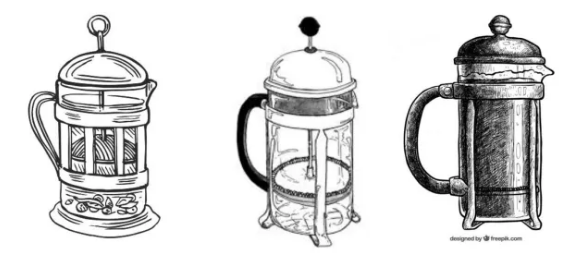
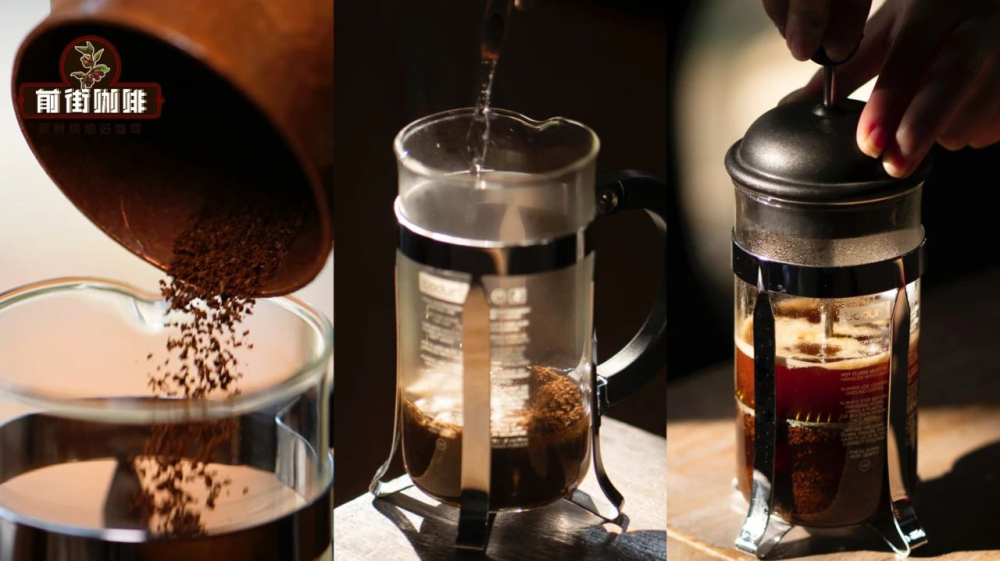
For those new to pour over or immersion brewing, the French press is an ideal entry point. Its usage is similar to making tea: add coffee grounds, pour hot water, stir gently, and then press down the filter to separate the grounds—the process is simple and intuitive. As the French press uses full immersion, the coffee grounds and hot water have ample contact time, and the metal filter design helps retain more natural oils, resulting in a fuller and more robust cup. However, because fine particles can pass through the filter, those sensitive to coffee sediment may need to use it with caution.
The French press offers high brewing flexibility—you can adjust water temperature, grind size, and steeping time based on personal preference. The key is to find the right combination of parameters to fully showcase the unique flavors of the coffee beans. Once you’re familiar with the basic process, you can tweak the brewing method to suit your taste preferences.
First and foremost, choosing the right coffee beans is crucial. Due to the longer steeping time in a French press, light-roasted beans tend to release too much acidity, which can mask their floral and fruity aromas and light body. In contrast, medium to dark roasted beans better highlight the strengths of the French press, bringing out pronounced sweetness and warm notes like caramel and chocolate.
For beginners, it’s recommended to start with medium to dark roasted single-origin beans, such as Indonesia’s Golden Mandheling. Carefully selected, these beans are uniform in size, and after medium to dark roasting, they emit rich aromas of spices, caramel, and dark chocolate. They offer a full-bodied texture and plenty of crema, making them highly suitable for French press brewing. If you prefer a brighter, fruitier profile, you might also opt for blends that combine honey processing and washed methods, delivering notes of citrus, rose, and berries. When milk is added, these can even take on a sweet, strawberry gummy-like flavor.
In terms of grind size, the French press recommends a relatively coarse grind, similar in texture to small gravel or roughly the size of coarse sugar. A too-fine grind can lead to over-extraction, and fine particles may pass through the metal filter into the coffee, resulting in a muddy mouthfeel and heavy sediment. According to common recommendations, you can aim for a 70% extraction rate using a Chinese No. 20 standard sieve—this coarseness helps reduce the risk of over-extraction while still allowing ample flavor extraction. It’s important to note that the metal filter holes in a French press typically range between 80 to 300 microns, and overly fine powder can leak through, affecting the overall clarity of the cup. If you wish to experiment with a finer grind, it’s advisable to shorten the steeping time accordingly to avoid flavor imbalance.
The coffee-to-water ratio is another key factor influencing coffee strength and mouthfeel. A commonly recommended starting point is 1:15—that is, 15 grams of coffee grounds to 225 milliliters of water. At this ratio, the coffee concentration is around 1.1% to 1.2%, suitable for most palates. If you prefer a stronger flavor, you can maintain this ratio or slightly increase the amount of coffee grounds until you find your ideal balance.
Water temperature control is equally critical. Without a thermometer, you can let boiled water sit for about 45 seconds, bringing it to approximately 90°C. However, for more precise flavor adjustment, it’s recommended to use a temperature-variable gooseneck kettle or a thermometer. Generally, medium to dark roasted beans are best brewed with water between 89–90°C, while medium to light roasted beans can be brewed with water heated to 92–94°C to better extract their flavor compounds. Since the French press relies on static immersion rather than continuous agitation like pour over, slightly higher water temperatures can help improve overall extraction efficiency.
Steeping time is usually set between 3 to 5 minutes, adjusted flexibly according to roast level. Overly dark roasts steeped beyond 5 minutes can turn bitter and astringent, while lighter roasts steeped under 3 minutes may not fully express their flavors. As a beginner, starting with a 4-minute steep is recommended, then adjusting based on actual taste.
Here’s the complete French press brewing process: First, prepare your preheated French press and coffee grounds. It’s recommended to begin with a small amount of hot water (about twice the weight of the coffee, e.g., 15 grams of coffee to 30 milliliters of water) for a pre-infusion bloom, lasting around 30 seconds. This helps evenly awaken the coffee grounds. After a gentle stir, pour in the remaining hot water, place the plunger on top but do not press down yet, and let it steep for about 4 minutes. Finally, slowly press the plunger all the way down and carefully pour out the coffee, avoiding disturbing the settled grounds at the bottom. If you feel excessive resistance when pressing, the grind may be too fine; if there’s almost no resistance, the grind may be too coarse—use this feedback to adjust your grind size in future brews.

The above content is compiled by CoffeeHunters, a coffee news website.


