







Introduction:Among Arabica coffee varieties, Typica is one of the most iconic classic cultivars, boasting a long history and distinctive flavor characteristics. This article delves into the origins of Typica, its cultivation challenges, and its flavor profile, while also extending to introduce various Arabica beans suitable for different roast levels — offering diverse options such as medium-dark, medium, and medium-light roasts, along with practical recommendations to help coffee enthusiasts find the most suitable beans based on their taste preferences.
As the mainstream variety in specialty coffee, Arabica has a diverse range of sub-varieties, among which Typica is one of the oldest and most representative. To understand Typica, we must start with the three original species of coffee: Arabica, Robusta, and Liberica. Most of the specialty coffee commonly found on the market comes from Arabica, and beans from well-known regions such as Blue Mountain and Yirgacheffe also belong to this variety family. Compared to Robusta, which is often used in instant coffee or commercial blends, Arabica offers more refined flavors and aromatic complexity.
Typica is the earliest Arabica branch introduced from Yemen to India, Indonesia, and Central and South America, renowned for its original and elegant qualities. Its beans are usually large and slender with a pointed shape, though regional differences have led to some evolutionary variations with more oval or slightly smaller shapes.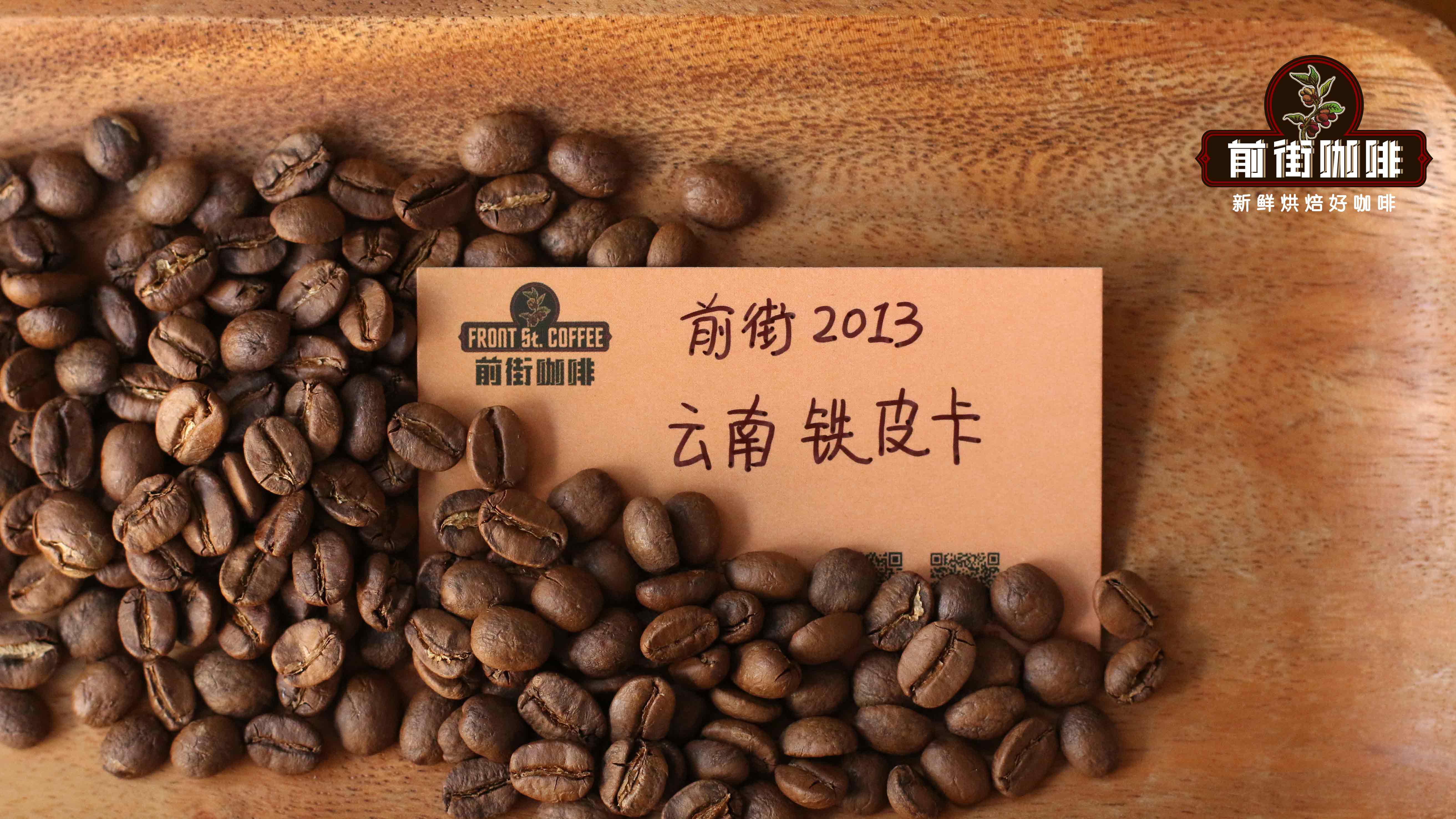 Its most notable characteristic is its balanced and gentle flavor, with mild acidity that is not overly sharp, making it quite approachable for those who do not prefer strong acidity. However, if grown at altitudes below 1,000 meters or in higher temperature environments, Typica can easily develop woody or cardboard-like off-flavors. In addition, it has weak resistance to diseases and yields relatively low — these are major challenges in its cultivation.
Typica is also referred to as "small-bean coffee." Although it possesses a classic and gentle flavor, due to its strict cultivation requirements and limited yield, it is generally priced higher than typical Arabica varieties. Its place of origin is Ethiopia and southeastern Sudan, and it is also one of the earliest widely cultivated Arabica variants in the Western Hemisphere. Though the plant is vigorous in growth, it is sensitive to sunlight and thrives in high-altitude, shaded environments — for example, it performs well in Hawaii’s volcanic terrain. The top leaves of Typica exhibit a unique reddish-copper color, earning it the nickname "red-top coffee." If you want to experience Typica grown at high altitudes, look out for options with pronounced floral and fruity notes.
In fact, many well-known Arabica varieties, including some highly popular mutations, have been derived from Typica through mutation or improvement. Different growing environments, post-harvest processing methods, and roast levels can greatly influence the final flavor profile — and this is part of the charm of Arabica’s diversity.
For readers who prefer medium-dark roasts, we recommend trying the classic Indonesian Mandheling flavor, such as the wet-hulled processed Golden Mandheling. This method enhances the concentration and layering of flavors, bringing out complex aromas of herbs, spices, and subtle woodiness, setting it apart from the often monotonous bitterness of typical dark roasts. These beans undergo multiple rounds of manual and mechanical sorting to remove defective ones, making their sweetness and body more pronounced. They are suitable for brewing with a moka pot, pour over, or French press, and can also serve as a base for SOE or Americano lattes.
If you prefer the balanced expression of a medium roast, the Yellow Bourbon variety from Brazil, such as the Queen Estate single-origin beans, is a worthwhile option to explore. Although Brazilian coffee often gives the impression of being grown at low altitudes, with high yields and smooth flavors, Yellow Bourbon from specific sub-regions and carefully processed can reveal more layered characteristics. In addition to the classic Brazilian notes of nuts, cream, caramel, and roasted peanuts, this bean also offers a sweet finish and lingering aftertaste. It is suitable for brewing with a pour over, French press, moka pot, or home coffee machine, delivering a stable and enjoyable taste.
For those who enjoy medium-light roasts and are drawn to fresh, fruity, and floral profiles, Ethiopian Hambela Washed (also known as “Huankui” or “Huankui Grade 1”) is a top consideration. This sun-dried bean from the Sidamo region is famed for its intense tropical fruit aromas, often weaving together notes of berries, mango, jackfruit, and citrus, along with distinct floral tones and creamy sweetness. It has won the TOH green bean competition. With its bright flavors and rich layers, it is ideal for brewing via pour over, cold brew, or as an SOE — making it a great choice that combines taste and value.
Additionally, the washed beans from the Gedi Ding Ding cooperative in Ethiopia’s Yirgacheffe region are also an excellent option for fans of medium-light roasts. These beans are graded as G1 and processed using the washed method, emphasizing a clean and bright flavor profile that highlights layers of lemon, orange, green tea, and delicate white floral notes. Gedi Ding Ding village, as one of the many processing stations in Yirgacheffe, is known for its refined post-harvest techniques. Suitable for brewing with a pour over, drip bags, or cold brew, it showcases its refreshing and zesty characteristics.
Whether you’re a fan of the full-bodied richness of medium-dark roasts or someone who loves the floral and fruity notes of medium-light roasts, by understanding the characteristics of Typica and other Arabica sub-varieties, as well as the appropriate roast levels, you can more precisely choose the coffee beans that suit your taste and enjoy the unique flavors of each cup.
The above content is compiled by CoffeeHunters, a coffee news website.


