







Introduction:The AeroPress is an innovative coffee brewing device that combines immersion and pressure. It’s easy to use and clean, making it ideal for both home and travel. This article delves into its structural design, six key advantages and limitations, and details essential extraction parameters such as water temperature, grind size, and coffee-to-water ratio. Using Costa Rica Mozart coffee beans as an example, we’ll guide you step-by-step through the inverted method to master AeroPress brewing techniques and extract a coffee with clear layers and distinct flavors.
The AeroPress is an innovatively designed coffee tool that skillfully merges immersion and pressure brewing methods, producing clean-tasting coffee with moderate intensity through simple operation. Its straightforward structure and portability make it suitable not only for everyday home use but also for travel. This article starts with the AeroPress’s design philosophy and structural principles, introduces its six standout features and potential limitations, and explains key parameter settings such as water temperature, grind coarseness, and coffee-to-water ratio. Finally, we’ll use the inverted method with Costa Rica Mozart beans to demonstrate the full process and flavor profile, helping you brew professional-grade coffee easily at home.
The AeroPress’s extraction mechanism is distinctly different from standard pour-over methods. It combines the immersion concept of a French press, the paper filtration of pour-over, and the pressure extraction of espresso, creating a unique brewing logic. Simply mix hot water and coffee grounds evenly, then use the plunger to apply air pressure, forcing the coffee through the filter cap for quick extraction—resulting in a clean, bright cup with minimal sediment. By adjusting grind size and water volume, you can even achieve an intensity similar to espresso.
The AeroPress was invented in 2005 by Alan Adler, a man with multiple academic backgrounds. As an engineer, physicist, and Stanford University lecturer, he grew tired of the complexity of electric coffee machines and time-consuming pour-over processes. After numerous trials, he created this seemingly simple yet highly functional device. Its integrated paper filtration system effectively removes coffee grounds and impurities, avoiding the sludgy mouthfeel common with French presses while delivering a cleaner, less bitter drinking experience. This innovative design quickly gained popularity among coffee enthusiasts.
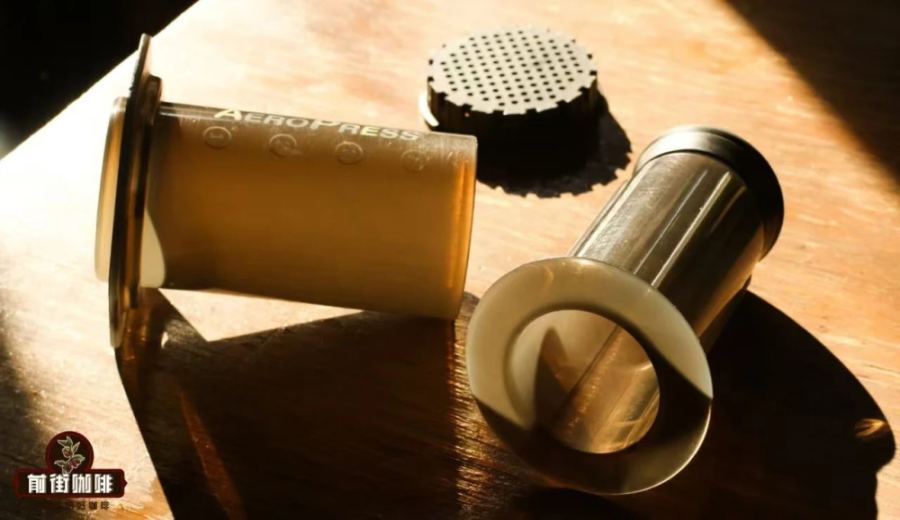
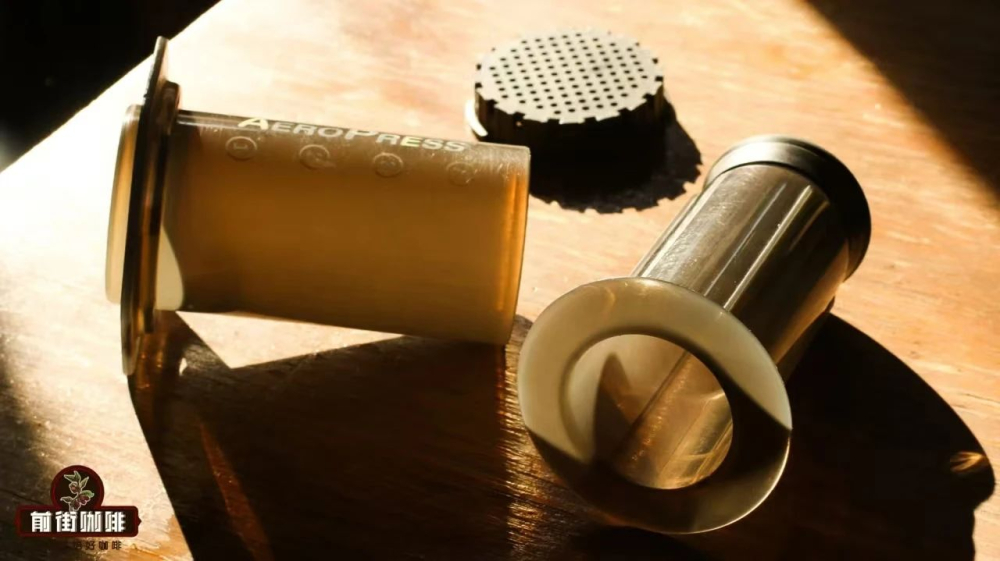
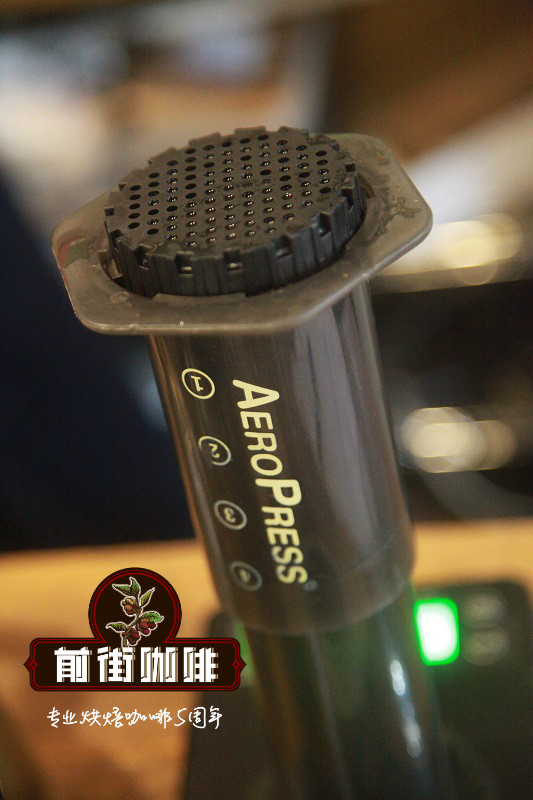
The AeroPress mainly consists of three parts: the chamber, filter cap, and plunger cylinder, all in a compact and practical design. It requires paper or metal filters and comes with accessories like a funnel, scoop, and stirring stick for precise control. This modular setup is not only portable but also offers flexible brewing options, whether at home or abroad.
Many coffee beginners love the AeroPress for countless reasons. First, it has almost no learning curve—just add water, pour in coffee, stir, and press. Second, it’s affordable; the basic set including paper filters usually costs under $300 NTD. Opting for a metal filter, though an extra cost, is reusable, preserves more oils and delicate flavors, and is more eco-friendly. Third, its small size and durable plastic material make it perfect for travel. Fourth, the entire brewing process takes just minutes—start once the water boils, and you’ll have a cup in about a minute. Additionally, the coffee it produces has clear, layered flavors, highlighting the unique characteristics of single-origin beans. Lastly, cleaning is quick and simple: just unscrew the filter cap, pop out the puck-like coffee grounds, rinse, and you’re done—far easier than cleaning a French press.
Of course, the AeroPress has some limitations. For instance, it’s recommended for only 1–2 cups per brew, making it less ideal for sharing. Also, its utilitarian design lacks flashy aesthetics, which might not appeal to those prioritizing looks. However, its medical-device-like appearance also carries a unique industrial charm that many design enthusiasts appreciate.

To brew great coffee with the AeroPress, mastering a few key parameters is crucial. First is water temperature, ideally between 88°C and 92°C, adjustable based on the beans’ roast level and flavor profile. Second is grind size, recommended to be similar to standard pour-over—too fine risks over-extraction, leading to bitterness and fine particles, while too coarse may under-extract, resulting in sourness. Lastly, the coffee-to-water ratio: a golden 1:15 ratio balances strength and flavor. Ratios too high or too low can disrupt overall taste balance.
Here’s a practical example: we used Costa Rica Mozart beans, known for their pronounced sweetness and fruity aromas. In pour-over, they often showcase notes of raisin, osmanthus, candied fruit, and white chocolate, suitable for various methods like cold brew, pour-over, French press, and even iced drip. For this session, we used the AeroPress inverted method with these parameters: 18g coffee, ground to 90% through a #20 sieve (equivalent to setting 7 on an EK43s grinder), 1:11 coffee-to-water ratio (about 200ml total water), 90°C water temperature, and extraction via inversion.
Here’s how it’s done: First, assemble the plunger and chamber, pre-press the plunger to around mark ④, then invert the entire setup. Next, add the measured coffee grounds and pour an equal amount of hot water, starting the timer immediately. Stir gently in circles for about 10 seconds to ensure even saturation. Then, attach the filter cap with pre-wetted paper, place the receiving vessel underneath. After about one minute, flip the entire unit and slowly press the plunger down to extract the coffee steadily. This inverted brewing process yields coffee with distinct layers—vibrant pink floral notes and ripe berry aromas upfront, followed by sweet orange, cream, raisin, and candied fruit on the palate, and a smooth chocolatey finish. The overall cup is impressively balanced.
The above content is compiled by CoffeeHunters, a coffee news website.


