







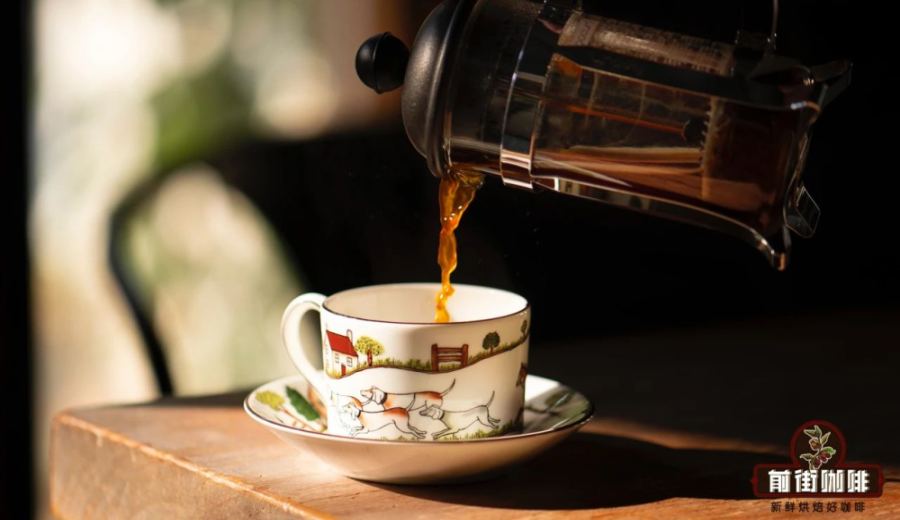
Introduction:The French press is a popular choice for many coffee beginners due to its simplicity and rich flavor. Through immersion brewing, it delivers a fuller body and more robust flavor layers compared to pour over. This article delves into the brewing principles of the French press, the characteristics of coffee beans that suit it, common flavor profiles, and provides practical brewing tips and parameter settings to help you brew a smooth and captivating cup of French press coffee the right way.
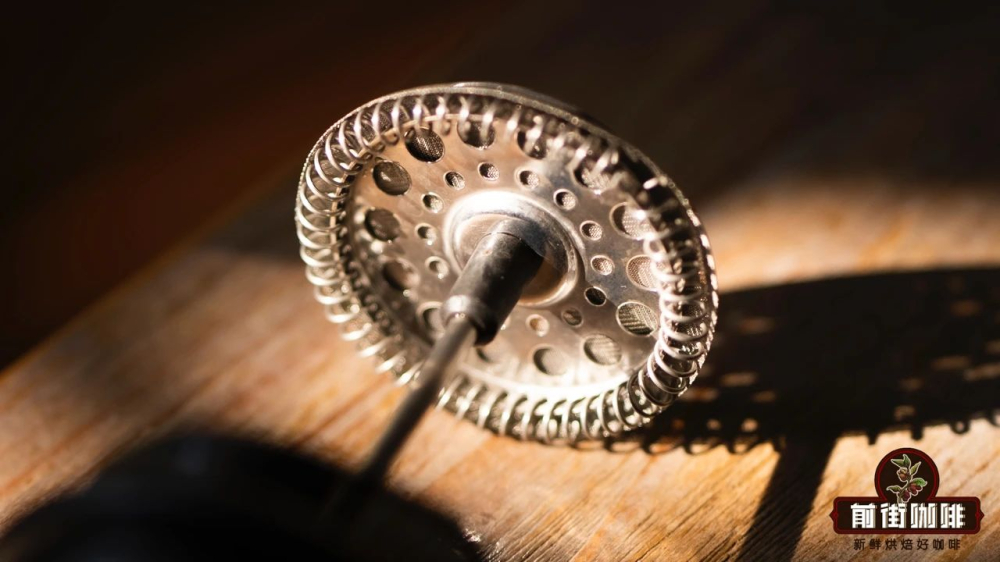
The French press has a simple structure, consisting of a heat-resistant glass carafe and a plunger with a metal filter. Originally designed for brewing tea, it was later discovered to be well-suited for coffee extraction as well. The charm of this tool lies in its ease of use — there's no need for precise water flow control or advanced techniques. By mastering just a few key elements — coffee grind size, water temperature, coffee-to-water ratio, and steeping time — you can consistently brew flavorful coffee.
The brewing principle of the French press is immersion, which means combining a fixed amount of hot water with coffee grounds and letting them steep together for a period of time, allowing the soluble flavor compounds in the coffee to naturally dissolve into the water. During this process,steeping time is the most critical influencing factor.It is generally recommended to keep it around 4 minutes, with water temperature maintained between 88°C and 91°C, using a medium-coarse grind (approximately 68% passing through a #20 sieve) to match the immersion brewing method.
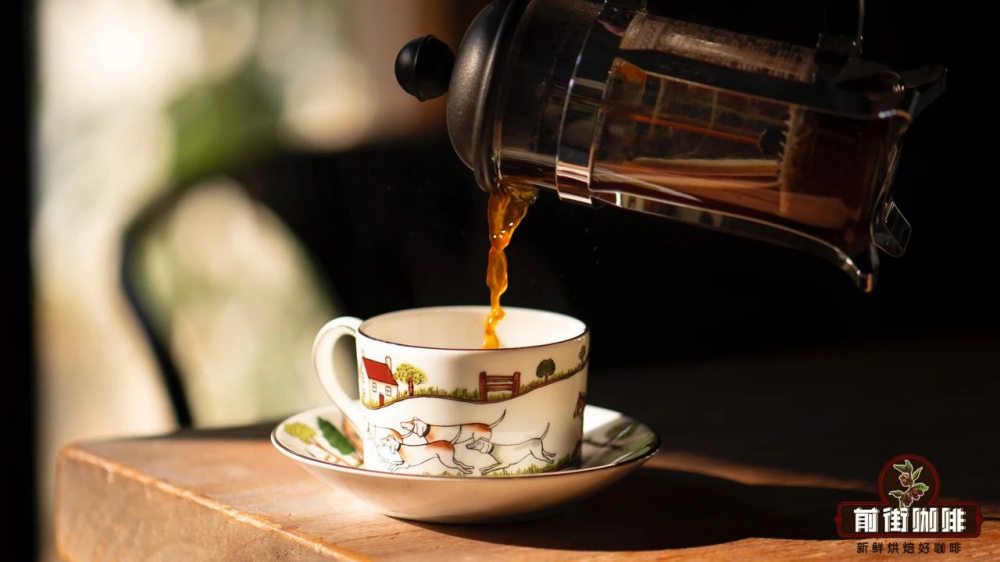
Some may worry that prolonged steeping could lead to the extraction of unwanted flavors. In reality, as long as the time is controlled — usually not exceeding 6 minutes — over-extraction won’t occur. It’s important to note that due to the limited insulation properties of the French press’s glass material, the water temperature will naturally decrease over time, which is why 4 minutes is considered the ideal brewing duration. After steeping, it’s recommended to gently press down the filter and pour the coffee into your cup as soon as possible to avoid continued extraction from residual heat, which could result in overly strong flavors.
Compared to pour over coffee, the most distinctive feature of the French press is its ability to retain more coffee oils and sediment. Thanks to the metal filter with larger pores, not only does it allow for smoother coffee flow, but it also preserves a rich amount of coffee oils. These oils significantly contribute to the body and smoothness of the flavor.You might notice a slight glossy layer of oil floating on the surface of the coffee.This is one of the reasons why French press coffee has such a rich mouthfeel. In contrast, pour over coffee uses high-density paper filters that remove most of the oils, resulting in a cleaner taste but also reducing the complexity of flavors.
Additionally, the immersion brewing method of the French press is closer to professional cupping methods, maximizing the restoration of the original flavor characteristics of the coffee beans while minimizing the influence of human operation on the flavor. During the French press process,the variables that affect the final flavor are mainly just three: grind size, water temperature, and steeping time.Unlike pour over, which requires consideration of factors such as pouring technique, water flow height, and filter design, the French press is much easier to control, making it ideal for beginners to practice with.
So, what types of coffee beans are suitable for the French press? Generally speaking, medium-dark to dark roasted blends or single-origin beans perform well, especially those with pronounced fruity notes, noticeable sweetness, or chocolate and nutty profiles. If you enjoy coffee that is bold, full-bodied, and layered, the French press is an excellent choice.
For actual brewing, here is a set of tested reference parameters: use 15 grams of coffee grounds with 225 milliliters of 90°C hot water, achieving a coffee-to-water ratio of 1:15. Set the grind size to medium-coarse (similar to medium-coarse island coffee, about 68% passing through a #20 sieve). First, preheat the French press by pouring a small amount of hot water to rinse the interior, then discard the water. Next, add the coffee grounds, quickly pour in the hot water, and gently stir to ensure the grounds are evenly saturated. Then cover with the lid but do not press the filter yet — let it steep for 4 minutes. Once the time is up, slowly press the filter down to about one-quarter of the way into the carafe to prevent fine particles from rising, and finally pour the coffee into your cup to enjoy.
The coffee brewed this way typically features distinct dried fruit and fermentation aromas. On the palate, it tastes as vibrant as berry juice, accompanied by complex notes such as orange blossom and raisin. The acidity is bright with natural sweetness, and the overall profile is balanced and layered. If you’re looking for a simple yet effective tool that highlights the rich flavors of coffee, the French press is definitely worth trying.
The above content is compiled by CoffeeHunters, a coffee news website.


