







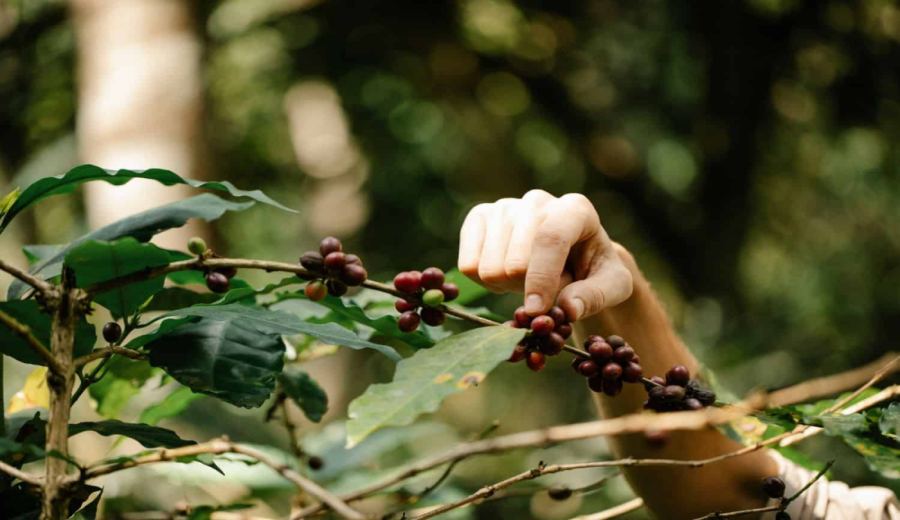
Introduction:Tiger Mandheling comes from around Lake Tawar in Aceh Province, Sumatra, Indonesia. With its distinctive rich body and intense spicy notes, it has become a must-try choice for specialty coffee enthusiasts. This article delves into the terroir of its growing region, the secrets of the wet-hulling processing method, and explores the characteristics of varieties such as Catimor and Typica. You’ll also learn how to bring out its captivating layers of cedar and creamy dark chocolate through pour over techniques.
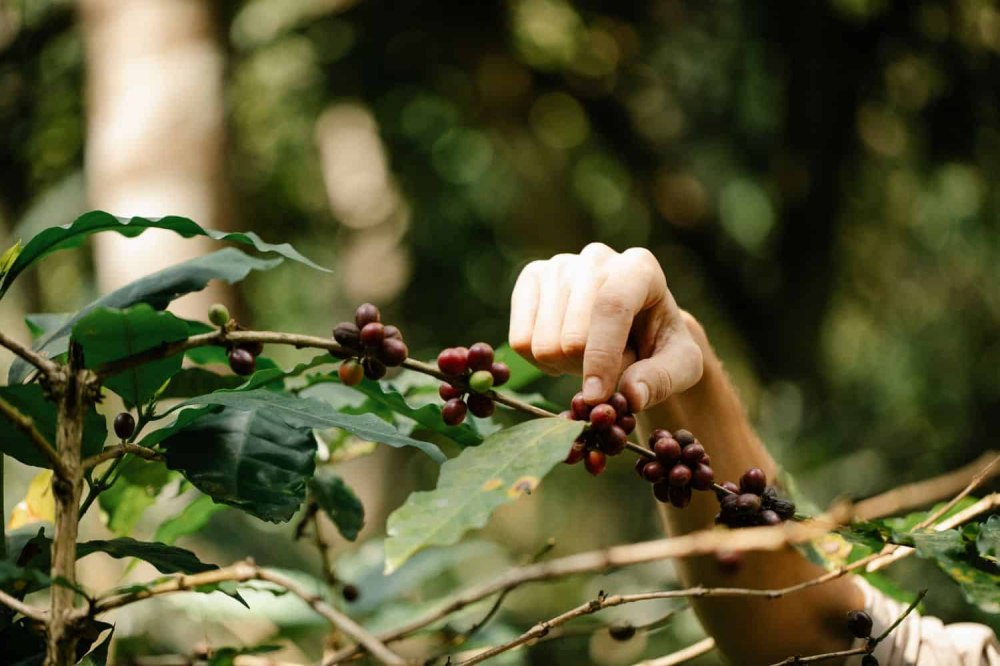
Indonesia is one of the world’s major coffee-producing countries, with Sumatran Mandheling being an internationally renowned classic. As a premium selection from Sumatra, Tiger Mandheling originates from the area around Lake Tawar in northern Aceh Province. Nestled in the Gayo highlands, this region boasts fertile volcanic soil and abundant rainfall, providing ideal conditions for coffee tree cultivation.
However, due to its remote location, local coffee farming started relatively late, only beginning on a larger scale around 1924. Most of the farming is done by traditional smallholder farmers using shaded cultivation methods without pesticides, resembling nearly organic farming practices. This natural environment and farming approach directly influence the final flavor profile of Tiger Mandheling.
Speaking of the name “Mandheling,” it actually originated from a misunderstanding. It’s said that Japanese soldiers asked locals what kind of coffee they were drinking, but due to the language barrier, the locals misunderstood the question as asking for the name of their tribe and answered “Mandheling.” The name stuck and became synonymous with Sumatran coffee, unexpectedly boosting its international fame.
The reason Tiger Mandheling is called “Tiger” is not only for branding imagery but also reflects its strong and bold flavor character. These beans are required to have a defect rate below 4% during grading, with bean size reaching at least screen size 17, and they must exhibit a unique aroma reminiscent of traditional Chinese medicine. Such stringent standards give Tiger Mandheling a highly recognizable presence in the market.
Indonesia’s overall climate is tropical rainforest, with humidity levels maintained between 70% to 90% year-round and annual rainfall reaching up to 2000 mm. Frequent typhoons make traditional sun-drying methods difficult. To accelerate the processing and maintain economic efficiency, local farmers mostly use the wet-hulling method (Giling Basah). This involves first removing the fruit pulp through washing, then briefly sun-drying the beans while still in their parchment to reduce moisture content to 20%–24%, after which the parchment is removed. This process can easily damage the surface of the beans, resulting in the so-called “horse hoof” or “goat hoof” beans. Though slightly higher in defect rate, this method imparts a bold, heavy, and uniquely characterful flavor profile.
The main varieties planted for Tiger Mandheling include Catimor (Caturra), Typica, and a small portion of Sidikalang. These varieties, under suitable microclimates, display clear citrus or lemon notes, clean acidity, and a naturally sweet aftertaste. The overall mouthfeel is balanced, often accompanied by complex flavors such as cream, dark chocolate, caramel, and nuts—making it highly suitable for drinkers who enjoy bold and rich profiles.
The appearance of Tiger Mandheling green beans is typically green with a yellowish tint, with round and plump shapes, good uniformity, and relatively high moisture content. This also means extra attention needs to be paid to dehydration and temperature control during roasting. Medium to dark roasts are generally recommended—not only to reduce overly high acidity but also to enhance body and layered complexity, while preserving unique notes like cedar.
During roasting, since Tiger Mandheling is a soft bean from a medium-altitude region, special care is needed during the initial dehydration phase. It’s advised to extend the dehydration time and reduce the heat to avoid astringent or sour notes. Around first crack, careful adjustments to heat and air damper are necessary to prolong caramelization, further improving sweetness and clarity. Typically, it is recommended to drop the beans about 4 minutes after the start of first crack, or roughly 20 seconds before second crack begins, to achieve optimal extraction potential.
Want to brew Tiger Mandheling at home and bring out its full flavor? It’s recommended to use a KONO filter cone, which is designed to simulate the rich extraction effect of a cloth filter, especially suited for medium to dark roasted beans. The grind size is suggested to be medium-coarse, with a 20-mesh standard sieve passing rate of about 70%. Use a 1:15 coffee-to-water ratio, 15 grams of coffee, and water temperature around 87°C to help highlight the cedar aroma and bold body of the coffee.
For specific brewing steps: first, spread the coffee grounds evenly in the filter cone without excessive shaking to facilitate proper blooming. In the first stage, slowly pour 40 grams of water for blooming for about 30 seconds, during which the coffee bed will gradually expand like a hamburger. Then, in the second stage, pour 120 grams of water in a steady circular motion from the center outward, avoiding vigorous stirring. Finally, pour 100 grams of water in the last stage, and stop extraction once all the coffee has dripped through. Total brew time should be around 2 minutes to enjoy a Tiger Mandheling with a full and layered flavor.
The above content is compiled by CoffeeHunters, a coffee news website.


