







Introduction:The French press is the starting point for many coffee beginners stepping into the world of pour over brewing. Not only is it easy to operate, but it also consistently extracts richly flavored black coffee. This article will delve into the historical background and basic structure of the French press, and provide a detailed breakdown of the four key factors that affect extraction quality: grind size, water temperature control, coffee-to-water ratio, and steeping time. It also offers specific suggestions for different roast levels and helps you find the brewing method that suits you best, along with some cleaning and multi-use tips.
If you want to easily brew a rich and aromatic cup of black coffee at home, the French press is definitely one of the most accessible and easiest-to-use options. This 19th-century invention is actually quite similar to brewing tea—just a few simple steps, and in minutes you can enjoy a cup of coffee with a solid body, making it perfect for busy or convenience-focused coffee lovers.
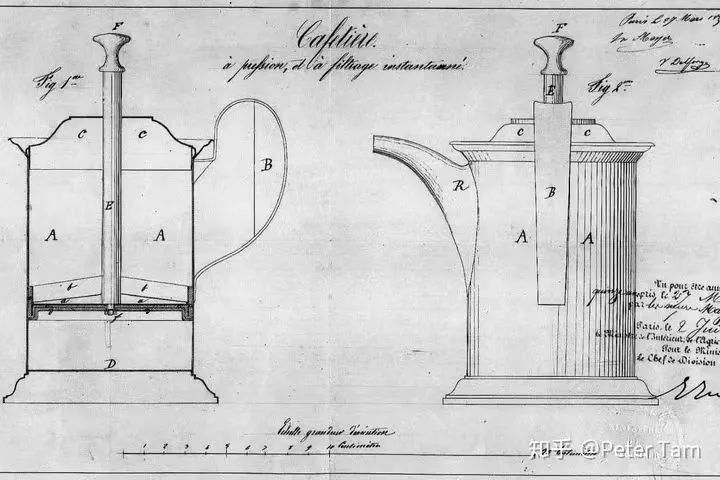
The origins of the French press can be traced back to France in the 1850s, when inventors Mayer and Delforge designed the first "piston-filtered coffee device" and applied for a patent. However, the initial product had issues because the filter screen couldn’t remain level when the plunger was pressed down, causing fine coffee particles to leak through and affecting the taste, which led to a lukewarm market reception at first. It wasn’t until the 20th century, when Italians improved the design by adding a spring mechanism to the filter system, significantly enhancing stability and filtration performance, that the device truly gained popularity and evolved into the familiar form we know today.
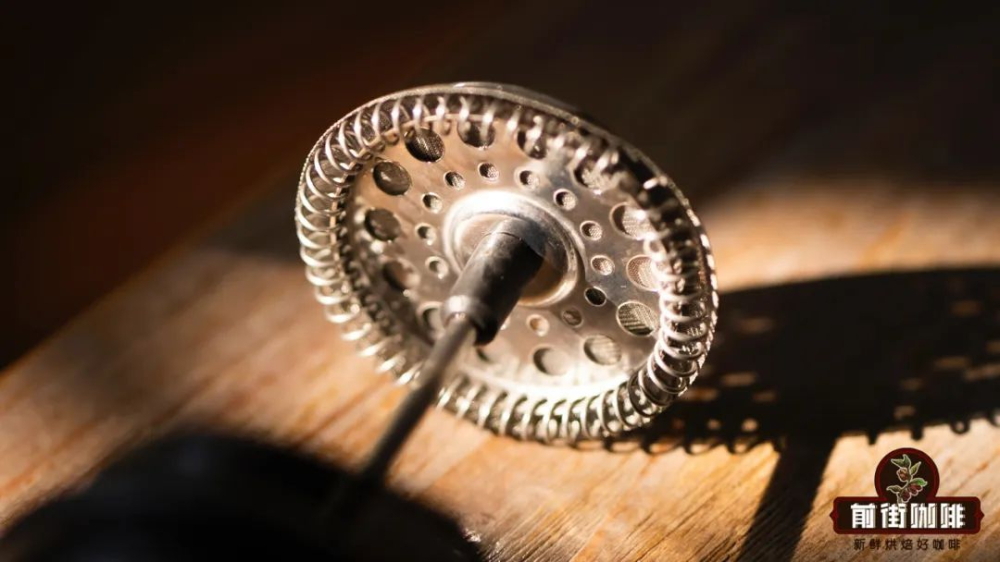
The basic structure of a French press is very simple, mainly consisting of a metal carafe and a built-in metal filter screen and spring-loaded plunger. The operation process is also very intuitive: add coffee grounds, pour in hot water, let it steep, press down the plunger, and then pour and enjoy. It may seem straightforward, but many users often complain that their coffee turns out either over-extracted or full of sediment. In reality, the issue is often not the technique, but rather the settings of key parameters.
First, let’s talk aboutGrind Size. Many beginners often hear the advice to use a “coarse grind,” and indeed this is the standard choice for a French press. Taking the common #20 sieve as an example, with a filtration rate of about 70%, the resulting particle size is roughly similar to that of coarse sugar, which is the ideal range for immersion brewing in a French press. Although a finer grind can bring out a fuller body and more intense flavors, it also comes with the risks of over-extraction and sediment, especially since extremely fine particles can pass through the metal filter and into the coffee liquid, affecting overall clarity and smoothness. If you prefer a stronger flavor, you can try adjusting slightly finer, but it’s still recommended to stick mainly with a coarse grind to reduce the chance of mistakes.
Next isWater Temperature Control. Since the French press uses a single pour and steeping method without any stirring or multiple infusions like pour over, slightly increasing the water temperature can help improve overall extraction efficiency. Generally, it’s suggested to set the temperature about 1–2°C higher than the usual pour over range. For medium to light roasted beans, a water temperature of around 92–94°C is recommended; for medium to dark roasted beans, it’s better to lower it to 89–90°C to avoid extracting too many bitter compounds.
As forCoffee-to-Water Ratio, this directly affects the strength and intensity of the coffee. The most commonly used and beginner-friendly golden ratio is 1:16, which means 1 gram of coffee grounds to 16 milliliters of water. This yields a coffee concentration of about 1.1–1.2%, offering a balanced taste without being too thin. If you prefer a stronger flavor, you can try a 1:15 ratio, which results in a richer and more robust cup, suitable for those who enjoy a bolder taste profile.
Finally, there’sSteeping Time. Since the French press doesn’t involve manual stirring, extraction mainly relies on the combination of time and temperature. Based on practical testing, for medium to light roasted beans, a steeping time of around 4 minutes is recommended. This allows the fruit acids and layered flavors to fully develop without over-extracting. For medium to dark roasted beans, which have more intense flavors and are prone to releasing bitterness, it’s better to shorten the time to about 3.5 minutes. This yields a smoother and rounder taste while avoiding unwanted off-flavors.
Taking all these parameters into account, it’s recommended that beginners start with a combination of “medium-coarse grind, 1:16 coffee-to-water ratio, 93°C water temperature, and a steeping time of 4 minutes (for medium-light roasts) or 3.5 minutes (for medium-dark roasts),” and then make gradual adjustments based on actual flavor results to find the brewing method that best suits your personal taste.
After using the French press, it’s essential to pay attention toCleaning and Maintenance. Because the metal filter has relatively large holes, it can easily retain coffee oils and fine particles after use. If not cleaned promptly by disassembling the parts, it may produce oxidation flavors and affect the purity of flavors in subsequent brews. It’s recommended to thoroughly disassemble the plunger, filter, and carafe after each use, rinse them separately with clean water, and if necessary, use a soft brush to assist in cleaning, ensuring that every corner is free of residue.
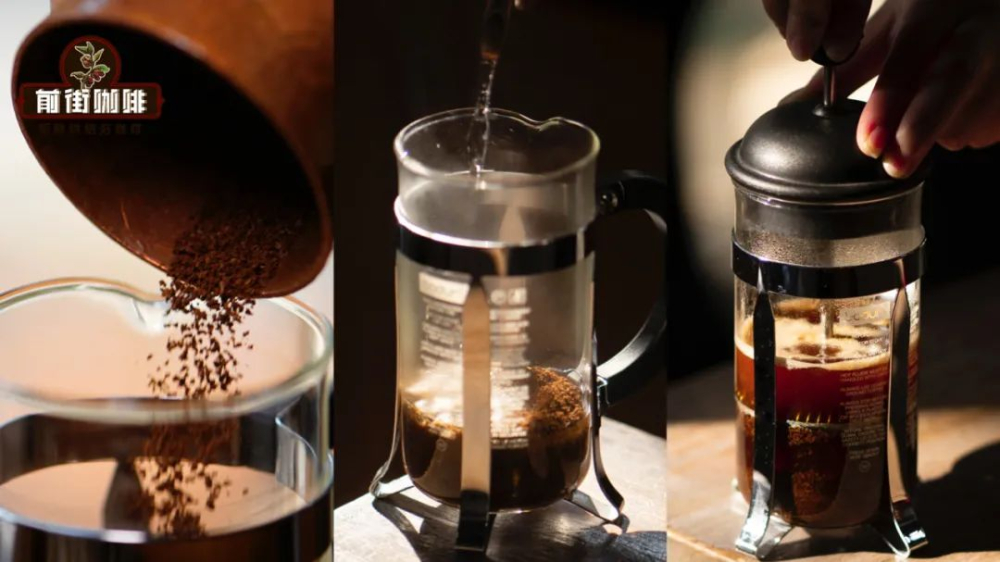
It’s worth mentioning that besides brewing coffee, the French press is also a very practical tool for steeping tea, and can even be used to froth hot or cold milk, adding more possibilities to your daily beverage preparation. Coupled with its affordable price and ease of use, it’s a highly worthwhile and practical tool for both coffee beginners and anyone seeking convenience.
The above content is compiled by CoffeeHunters, a coffee news website.


