








Introduction:Cold drip coffee, with its unique low-temperature slow extraction process, delivers a smooth mouthfeel and low acidity, making it a popular choice in summer. This article delves into the science behind why cold drip coffee is not acidic, details its extraction process and key parameters, and provides practical brewing tips. It also compiles pricing ranges for common cold drip products on the market and a guide to selecting coffee beans, helping readers master comprehensive knowledge from bean selection to brewing and craft their ideal cold drip flavor.
Thanks to its low-temperature slow extraction technique, cold drip coffee presents a flavor profile distinctly different from hot-brewed coffee. It has a rich, silky mouthfeel with a pronounced sweet aftertaste, and more importantly, significantly reduced sourness and astringency. What flavor secrets are hidden in coffee extracted slowly through ice water over a long period? Why can it still exhibit rich layers in a low-temperature environment without obvious acidity? This article will fully dissect the production principles and key elements of cold drip coffee, and provide practical advice on bean selection and pricing, enabling coffee enthusiasts to master the essentials from ingredient selection to brewing.
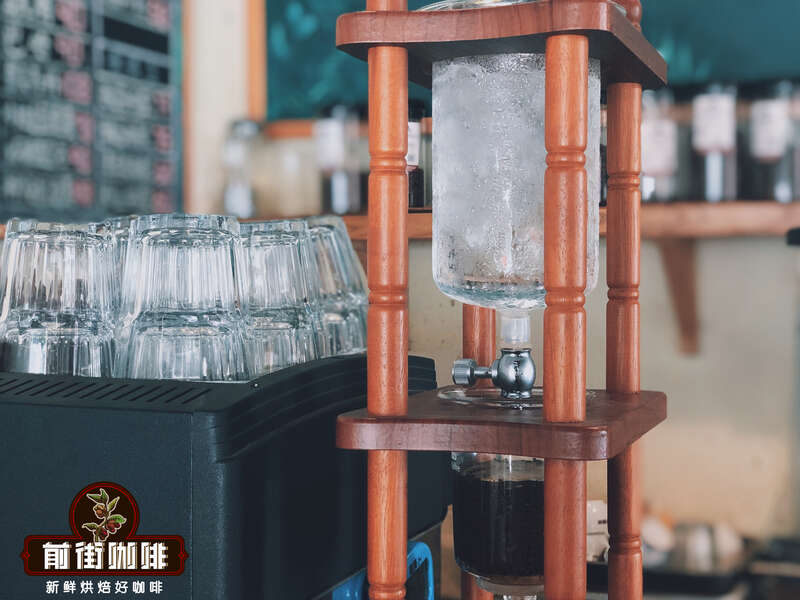
The history of cold drip coffee dates back to the Dutch colonial period, hence it is also known as Dutch-style drip coffee. Unlike traditional hot water brewing methods, the cold drip technique relies on ice water slowly permeating through a bed of coffee grounds, gradually releasing flavor compounds over an extended period. This extraction method usually takes 6 to 8 hours or even longer, during which water drips at a controlled rate, allowing the coffee grounds to continuously release their essence in a low-temperature environment.
The core extraction principle of cold drip coffee lies in the precise control of compound solubility in a low-temperature environment. At low temperatures, tannic acids and high-molecular-weight substances that tend to cause astringency are less likely to dissolve, while floral, fruity aromas and sugar compounds are better preserved. After prolonged ice water extraction, if the coffee liquid is allowed to rest appropriately, subtle oxidation reactions may occur, leading to the development of a rounder and fuller mouthfeel. Notably, because this process does not involve high-temperature treatment, the release of caffeine is relatively low as well.
In terms of equipment operation,regulating the dripping rate is crucial,with a steady flow of 30 to 60 drops per minute generally recommended—roughly equivalent to about 7 drops every 10 seconds. Most commercially available cold drip devices come equipped with adjustable valves, allowing users to fine-tune according to coffee grind size and desired concentration.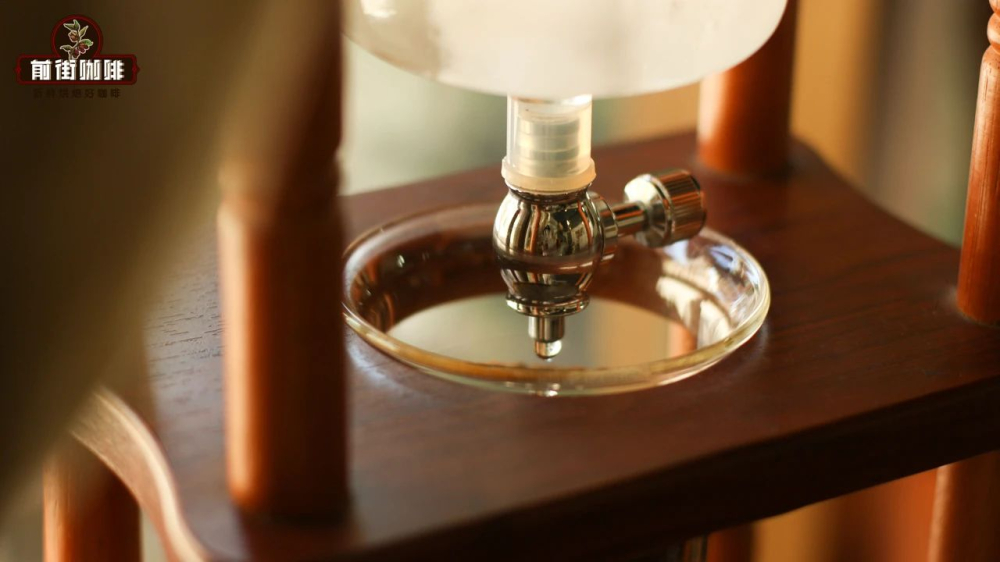
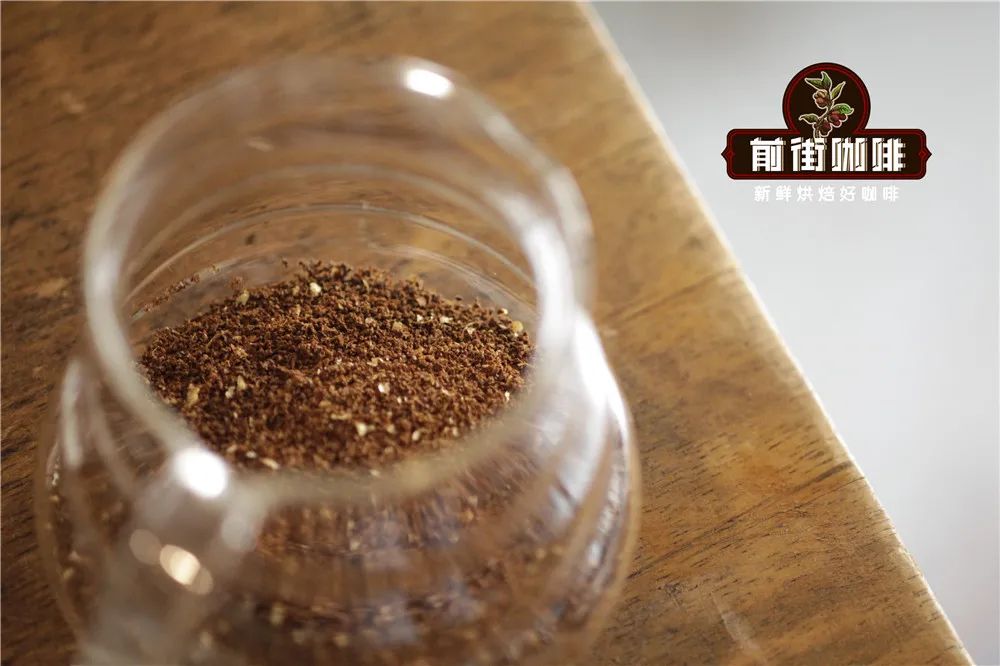
Regarding the setting of the coffee-to-water ratio,a range of 1:10 to 1:12is considered the golden zone, ensuring sufficient extraction without over-concentration. In practice, it is recommended to use a grind slightly finer than that for pour over, with a reference benchmark of 75–85% passing through a standard #20 sieve—roughly similar in texture to fine granulated sugar. Grinding too fine may lead to excessive channeling, resulting in over-extraction and bitterness; grinding too coarse may cause the water to flow too quickly, leading to under-extraction.
The pre-treatment steps before brewing are equally important:Moistening the coffee bedensures smooth water flow at the start of extraction. It is recommended to evenly spray room-temperature purified water over the grounds and gently press to shape them. Placing filter paper on top of the coffee bed also helps distribute moisture evenly, preventing localized over-extraction or uneven extraction.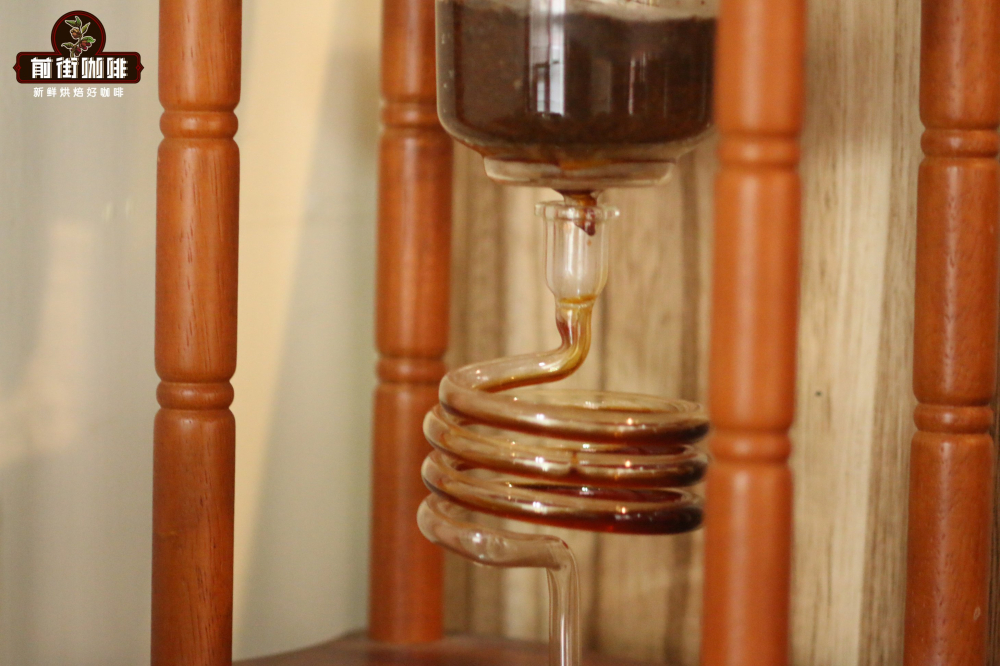
As for post-brewing treatment, it is advised to let the finished cold drip coffee sit in the refrigerator for 12 to 24 hours. Although this stage is often mistakenly referred to as "fermentation," it is actually the release of carbon dioxide that facilitates the oxidation and fusion of flavor compounds. This process allows the subtle aromatic molecules originally adsorbed on the coffee bed to be released more fully, but note thatthe optimal flavor window is around 72 hours,and exceeding this period may lead to flavor degradation due to ongoing oxidation.
When selecting coffee beans,medium-light to medium roastswith fruity flavor profiles are particularly suitable, especially those with noticeable fermented or citrus notes. In practice, you might try Costa Rica’s Musician Series or Honduras’ wine barrel-processed beans, which can showcase unique aromatic layers under low-temperature extraction. If using a blend, it is recommended to adopt a strategy where one bean provides the aroma base and another enhances flavor characteristics, creating a richer taste experience.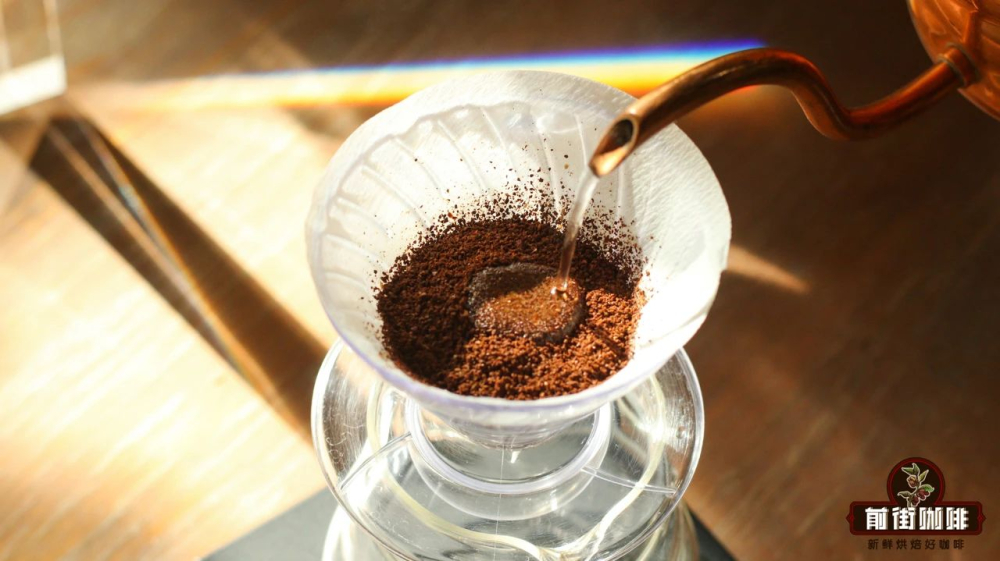
The above content is compiled by CoffeeHunters, a coffee news website.


