







Introduction:Honey-processed coffee from Costa Rica is widely loved for its sweet fruity aroma and rich mouthfeel. Among them, the Gesha blend from Mirasú Estate combines the advantages of multiple varieties, highlighting a layered profile of berries and honey notes through raisin honey processing. This article delves into the high-altitude origins, variety composition, and honey processing methods of this exceptional coffee bean, and provides professional pour-over parameters including water temperature, grind size, brew ratio, and pulse pouring techniques to help you easily brew a balanced, round coffee with floral and fruity sweetness.
Costa Rican coffee is renowned for its bright acidity and rich sweetness, which becomes even more pronounced with honey processing, showcasing a honey-like allure. Many coffee enthusiasts are often amazed by its smooth mouthfeel and complex layers upon first taste, and the Gesha blend from Mirasú Estate is a classic representative. This coffee, grown in the Tarrazú region, blends four varieties—Gesha, ET47, SL28, and MAICO—and through raisin honey processing, it exhibits highly distinctive berry aromas and a creamy-smooth texture.
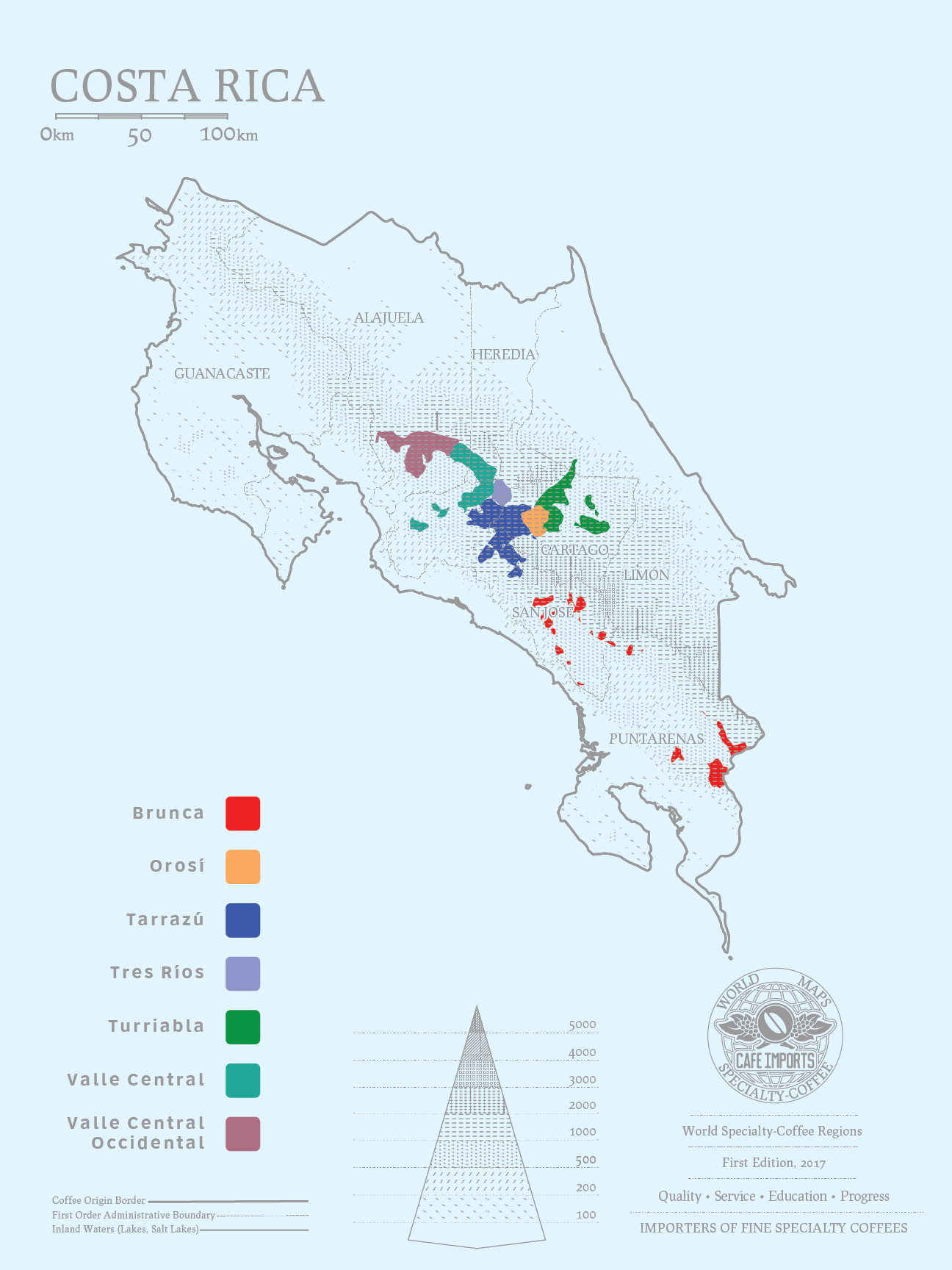
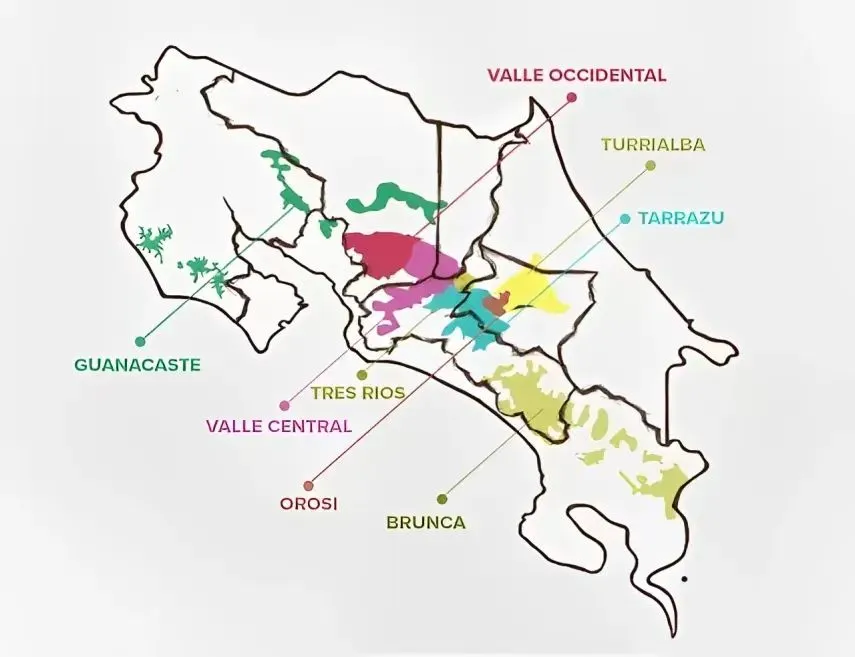
As one of the earliest countries in Central America to cultivate coffee, Costa Rica has a long history of coffee culture and industry development. The region’s fertile volcanic soil, combined with high-altitude terrain and stable microclimates, creates numerous micro-environments ideal for growing specialty coffee. The central plateau generally sits between 1200 and 1600 meters above sea level, with the harvest season running from November to March each year. The coffee produced here typically features prominent cocoa and nut tones, alongside lively acidity and delicate aromas. Among the many regions, Tarrazú stands out as a focal point for specialty coffee enthusiasts due to its exceptional geographical conditions and refined processing techniques.
Located south of the capital San José, Tarrazú is one of Costa Rica’s most iconic specialty coffee regions. Notable farms such as La Minita Tarrazu, though producing only about 72,600 kg annually, are famed for their exceptional quality. The La Minita estate has been managed by the British McAlpine family for over three generations, who insist on chemical-free cultivation and rely on manual harvesting and sorting to ensure every bean meets high standards. Coffee from this area generally offers rich chocolate notes, nutty aromas, and a smooth mouthfeel, making it a top recommendation among baristas for pour-over brewing.
The Mirasú Estate Gesha blend introduced here is grown at an altitude of 1700 meters in Costa Rica and uses raisin honey processing. Its variety composition is 50% Gesha blended with 50% ET47, SL28, and MAICO. Although this blend combines multiple beans, they all come from the same estate, thus still qualifying as a single-origin specialty coffee. Though small in scale, Mirasú Estate is personally managed by Esteban Sanches and his family, who are committed to building their own small wet-processing facility and emphasize quality control from the planting stage. They believe that only healthy coffee trees can produce truly premium beans.
In terms of variety, Gesha contributes elegant floral and citrus notes, while ET47 and SL28 add unique sweetness and complex fruit character. SL28, in particular, though low-yielding, showcases intense citrus, dark plum, and berry flavors thanks to its Bourbon lineage, which gives it copper-colored leaves and pea-shaped beans. MAICO adds structural stability and a full body. This blend design preserves the vibrant aromatics of Gesha while enriching the cup with diverse fruit flavors and a solid body.
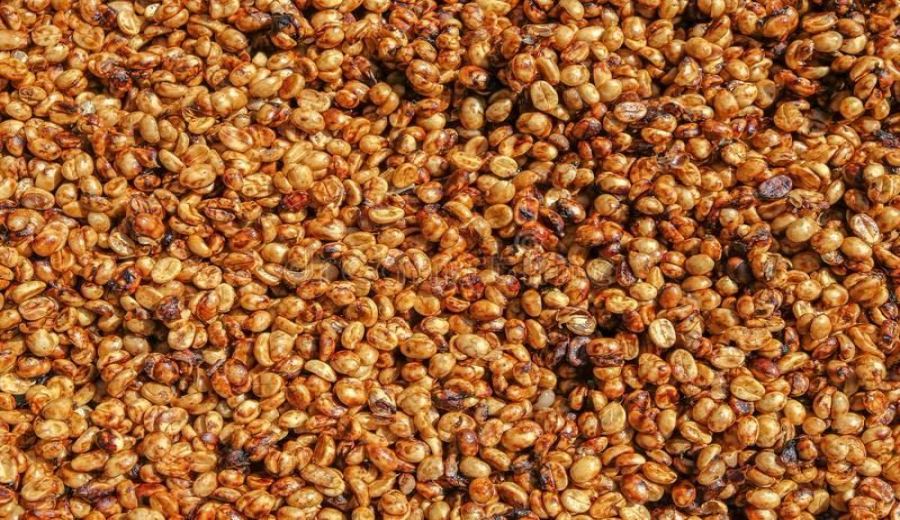
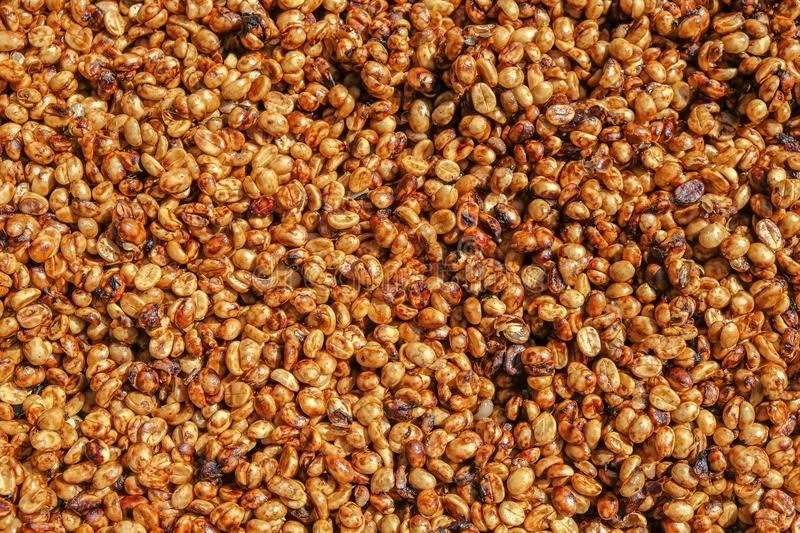
Raisin honey processing is one of the highlights of this coffee. This method retains 100% of the mucilage and processes the beans similarly to how raisins are dried—without washing off the mucilage. Instead, it precisely controls drying time and environment to allow the mucilage to naturally ferment and penetrate the seed, imparting intense sweetness and fermented aromas. The process includes: floating harvested cherries in water tanks to remove defective beans, then placing whole coffee fruits on raised beds to dry for at least three days before removing the outer skin but keeping the mucilage, followed by a long and even drying period. Frequent stirring is required to ensure consistent drying and to avoid under- or over-fermentation, ultimately achieving a bright acidity akin to white wine paired with rich sweetness.
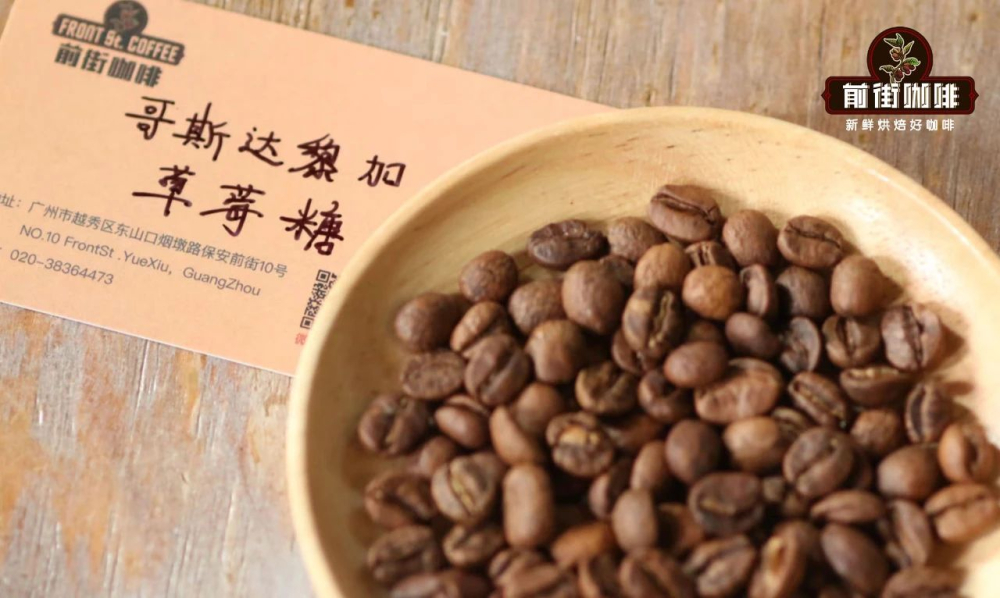
This coffee brand opted for medium-light roasting for this Costa Rican Tarrazú Gesha blend to highlight its floral and fruity notes along with fermented sweetness. The roast was performed using a Yangjia 800N semi-direct-fire roaster with a charge of 300g. Suggested roast curve: preheat to 200°C, then drop to 175°C for charge-in; initial heat at 120, air at 3, with a turn-around around 1’32”; at 114°C maintain heat, adjust air to 4; at 6’15” yellowing begins and enters the drying phase, reduce heat to 100 at 140°C; at 9’00” drying completes, with bean surface showing wrinkles and black spots—pay attention to aroma changes before first crack; at 10’25” first crack starts, fully open air, continue roasting for 1’30” after first crack, and drop at 193.5°C.
Cupping data shows that this coffee was evaluated within 8–24 hours post-roast using a 200ml ceramic cupping bowl, with water at 94°C, grind passing 70%–75% through a #20 sieve, brew ratio 1:18.18 (11g coffee to 200ml water), and immersion time of 4 minutes. Dry fragrance presents distinct dried fruit and berry notes, while wet aroma emits floral and berry sweetness. Flavor profile includes raisin, berries, nuts, and creaminess, with pronounced sweetness and bright acidity.
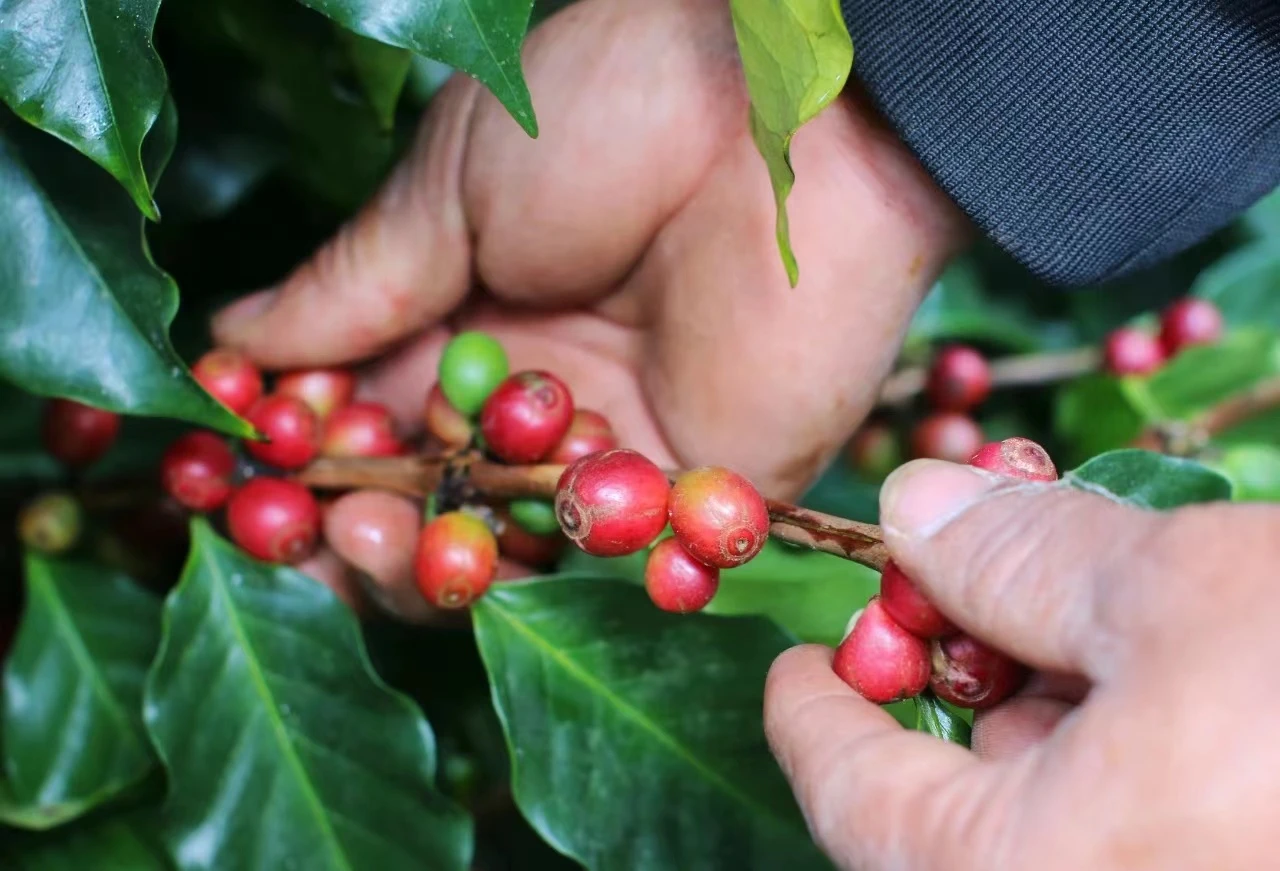
Recommended pour-over parameters: water temperature at 90–91°C, grind size around EK43s setting 10 (fine sugar size), brew ratio 1:15, coffee dose 15g. Without a sieve, observe pour speed—fast indicates too coarse, slow may mean too fine. Brewing method suggested in three pours: first pour 30g water for a 30-second bloom, then pour 95g (total ~125g) within about 1 minute; when water level drops to 2/3 of the coffee bed, pour remaining 100g (total ~225g) over ~1’40”. Total brew time around 1’55”–2’00”, then remove the filter. Under these parameters, the coffee clearly expresses jasmine floral notes, strawberry, and raisin sweetness, with a candy-like berry aftertaste and a creamy, nutty finish. Mouthfeel is as smooth as butter.
The above content is compiled by CoffeeHunters, a coffee news website.


