








Introduction:To brew a rich and aromatic espresso at home, selecting the right coffee beans and mastering the correct extraction parameters are essential. This article will delve into how to choose suitable coffee beans for making espresso, introduce the characteristics of common blends and single-origin beans, and provide a detailed breakdown of key extraction steps such as dose, ratio, and time. It will also explain the formation of crema and the impact of bean freshness, helping you go from bean selection to brewing with ease.
Espresso can be considered the foundation of most coffee beverages, whether it’s Americano, latte, cappuccino, flat white, or mocha—they all start with this small shot of espresso. If you also want to try replicating this classic drink at home, in addition to equipment, bean selection and brewing methods are the keys to success. This article will approach the topic from three aspects: types of coffee beans suitable for espresso, recommended blend and single-origin choices, and a comprehensive guide covering dose, extraction ratio, time, and operational details. It will also explain the principles behind crema formation and the importance of freshly roasted beans, and finally includes a practical recipe for an iced Americano to help you master every step with confidence.
 The reason why espresso has become a flagship beverage in coffee shops is due to its intense and layered profile, which serves as the core of almost all other coffee drinks. However, making a satisfying cup of espresso at home with home equipment is not as simple as using just any bag of coffee beans. The first question is: which type of coffee beans should we choose to make espresso?
The extraction conditions for espresso are quite demanding, requiring extremely fine grind size, high water temperature, and high pressure. This results in highly concentrated flavor compounds and relatively intense stimulation to the taste buds. Therefore, using light-roast single-origin beans—which typically have bright flavors but are more one-dimensional—can easily lead to overly sharp extraction results. Not only will subtle aromas not be highlighted, but the coffee may also taste harsh. Additionally, since coffee beans are agricultural products, even beans from the same region can vary in flavor each year due to differences in climate and soil. For this reason, many professional shops opt for blends, leveraging the complementary strengths of beans from different regions to achieve more stable and balanced espresso profiles across batches.
If you prefer a bold, full-bodied flavor with deep layers, it’s recommended to try a classic Italian blend composed of Brazilian, Indonesian, and Vietnamese beans. This blend is dark roasted, which fully brings out the coffee’s richness and balances bitterness with sweetness. Under appropriate pressure, it easily forms a fine and velvety crema, delivering solid performance whether enjoyed straight or with milk in a latte. Additionally, if you enjoy an espresso with fruity and sweet notes, you can opt for a blend that combines Costa Rican honey-processed beans, Ethiopian heirloom beans, and Colombian beans. These blends often yield a gentle sweet-and-sour profile reminiscent of strawberry taffy after extraction, while still retaining the characteristic crema and rich body of espresso.
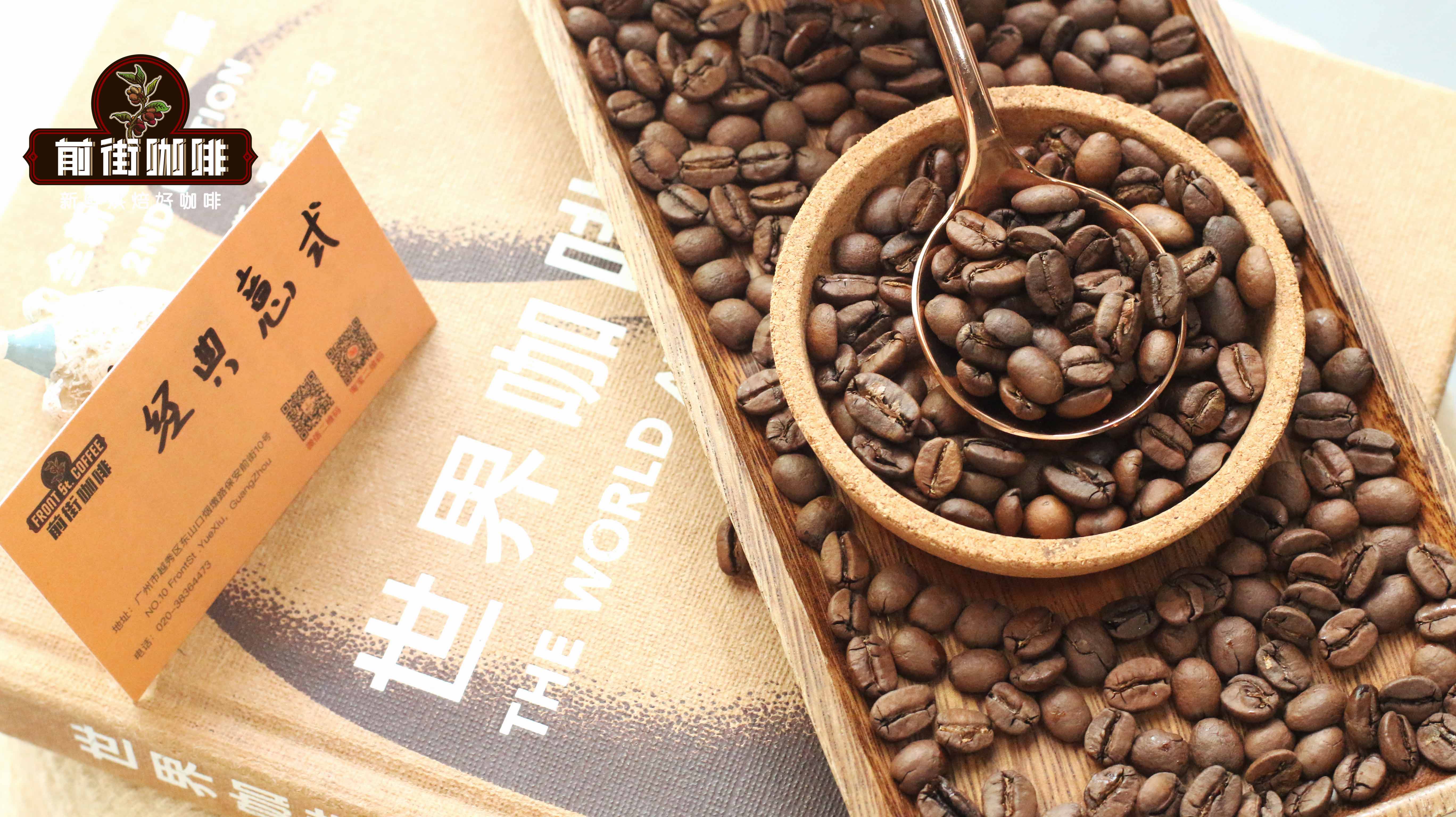 When it comes to extraction, common questions include: how much coffee powder should be used? What is the coffee-to-water ratio? How long should the extraction time be? Taking a standard double-shot portafilter as an example, it is recommended to use about 18–20 grams of coffee powder, though 20 grams is commonly used in practice. The extraction ratio is typically set to 1:2, meaning 20 grams of coffee powder yields 40 grams of espresso. As for extraction time, slight adjustments are made based on the flow rate of the powder, with a recommendation of 20–35 seconds, and 28–30 seconds being the optimal range to achieve a balance of flavor and strength. If the time is too short, under-extraction may occur, resulting in weak flavors; if it exceeds 35 seconds, over-extraction may happen, leading to pronounced burnt and bitter notes.
Before starting the extraction, it’s recommended to thoroughly dry the portafilter basket to avoid residual moisture affecting the distribution of the coffee grounds. Then, use a grinder to grind the required amount of coffee and measure it precisely to 20 grams using an electronic scale. To ensure even extraction, you can use a distributor to evenly spread the coffee grounds, then apply vertical pressure with a tamper to compact the coffee puck. This step is very important for stabilizing the flow rate and ensuring consistent extraction performance.
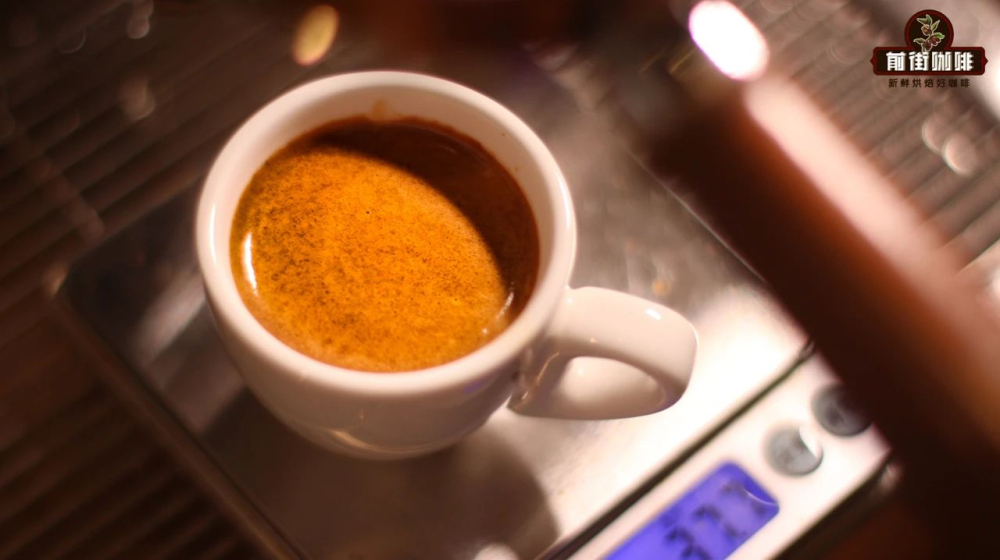 Before beginning the extraction, you may run water for 1–2 seconds to preheat and rinse the group head, which helps with preheating and clears any leftover coffee residue. Place the cup for collecting the espresso on the electronic scale, tare it, and position it under the group head. Securely place the portafilter and start the extraction. Observe the process: when the coffee reaches 40 grams in weight and the time is around 30 seconds, you can stop the extraction. Note that daily humidity and bean conditions vary, so it’s advised to fine-tune the dose, grind size, and extraction time according to actual conditions.
The finished espresso can be enjoyed as is, and it’s recommended to have a glass of water on hand to cleanse your palate, which helps distinguish its layers of crema, acidity, sweetness, and body. If the flavor feels too intense, you can adjust the concentration to your liking by adding water or milk. A simple and refreshing iced Americano recipe is also recommended: prepare a 300 ml cup, add 90 grams of ice cubes and 180 ml of cold water, then pour in 40 ml of double-shot espresso. Stir gently and enjoy. This cold drink features fresh floral notes and a subtle hint of strawberry taffy sweetness, complemented by mild acidity from orange and raisin, making it perfect for summer.
Finally, it’s worth mentioning the formation of crema. This golden, fine, and fluffy foam mainly comes from the carbon dioxide released by freshly roasted beans under high-pressure extraction conditions. Therefore, using coffee beans roasted within 5 days not only ensures the quality of the crema but also allows you to experience the fullest and most vibrant coffee flavors. Mastering these key points will let you enjoy a professional-grade espresso experience at home.
The above content is compiled by CoffeeHunters, a coffee news website.


