








Introduction:Jamaica Blue Mountain and Panama Geisha represent the pinnacle of classic balance and vibrant fruity expression, respectively. This article delves into the characteristics of these two top-tier coffee beans by examining their dry fragrance, wet aroma, cupping flavors, and the balance of acidity, sweetness, bitterness, and body. It also provides practical tasting advice to help you find the bean that best suits your preferences.
In the world of specialty coffee, Jamaica Blue Mountain and Panama Geisha are often seen as symbols of two extremes: one renowned for its steady balance, the other for its dazzling fruity aromas. Whether you’re looking for a coffee that embodies traditional flavors or one that offers a burst of layered fruitiness, this comparative analysis will offer you clear guidance.
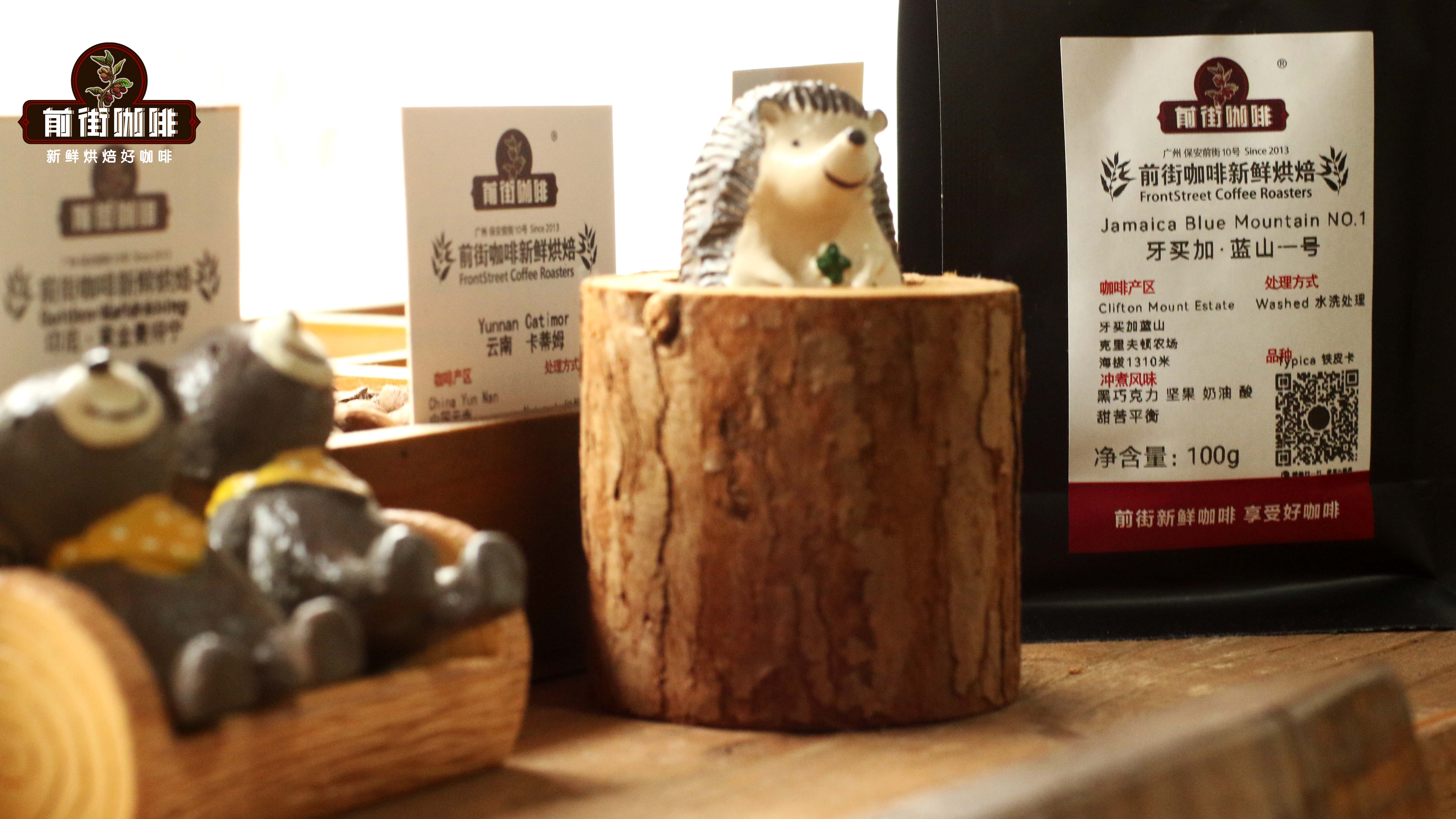
Let’s start with the sense of smell. In the dry fragrance stage, Jamaica Blue Mountain emits rich notes of dark chocolate, nuts, and black sugar, exuding a low-key yet solid texture, as if an experienced barista is quietly grinding the beans. In contrast, Panama Geisha’s dry fragrance is noticeably more vibrant, with a mix of fruity wine-like aromas and the sweetness of peaches—like opening a freshly uncorked fruit brew, its first impression is simply stunning.
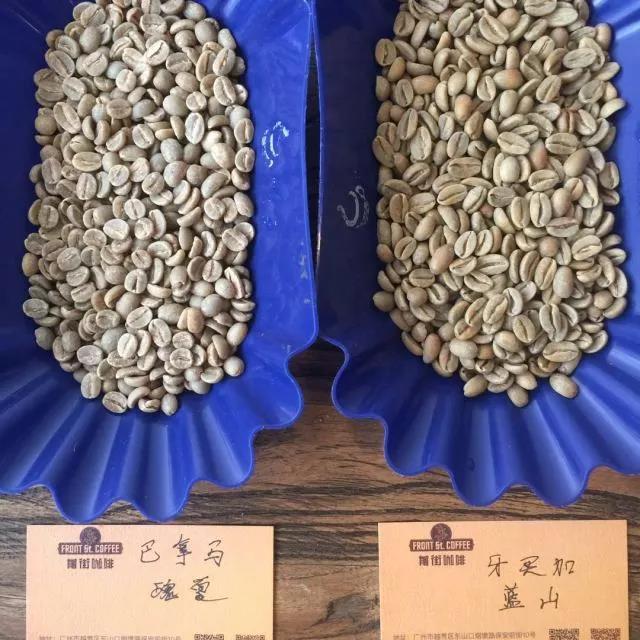
As we move into the wet aroma and cupping stages, the differences become even more pronounced. The wet aroma and suction flavors of Jamaica Blue Mountain are dominated by chocolate, nuts, cream, and black sugar, with a gentle and elegant acidity and almost no perceivable bitterness. The overall profile is highly balanced, occasionally revealing subtle fruity notes, but never overpowering. This flavor profile has made Blue Mountain the “gold standard” for many coffee enthusiasts—not biased in any direction, yet deeply intriguing.
On the other hand, Panama Emerald Red Label Geisha offers a sensory feast in its cupping flavors. Aromas of coffee flowers, strawberries, peaches, citrus, bergamot, and more layer on top of each other, paired with the sweetness of dark berries and a hint of fermentation, finishing with a richness reminiscent of black tea. Geisha’s acidity is bright and dynamic, with abundant sweetness. Although its overall balance is slightly lower than that of Blue Mountain, its explosive flavor and layered complexity often leave a lasting impression after just one sip.
From an actual drinking experience perspective, Jamaica Blue Mountain is well-suited for those who prefer traditional, understated flavors or are new to specialty coffee. It is highly stable and can deliver consistently high performance whether brewed via pour over, siphon, or French press. It is recommended to use a medium-light roast, with a grind size around medium-fine (similar to granulated sugar), and water temperature controlled at 90-92°C to highlight its black sugar and nut base.
Panama Geisha, on the other hand, is the ideal choice for flavor explorers. Its bright acidity and complex fruitiness are particularly well-expressed when brewed with a higher water temperature (around 93-94°C) and a medium-coarse grind (similar to sea salt grains) using the pour over method, fully releasing its floral and fruity notes. If you enjoy coffee with vivid fruit flavors, distinct layers, and even a hint of fermentation, Geisha is the undisputed choice.
In summary, Jamaica Blue Mountain stands as the “pure representative” in the hearts of many coffee connoisseurs with its classic balanced flavors, while Panama Geisha wins the favor of those seeking fresh and exciting experiences with its explosive fruitiness and dynamic sweetness-acidity interplay. No matter which style you lean toward, understanding their characteristics will allow you to choose the cup that best matches your palate with greater precision.
The above content is compiled by CoffeeHunters, a coffee news website.


