







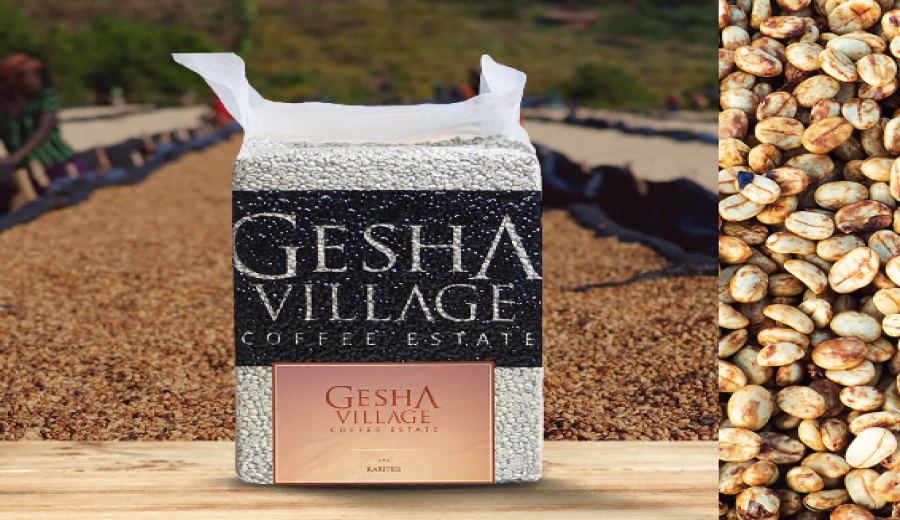
Introduction:Gesha coffee is often mistakenly thought to be a Panamanian exclusive, but it actually originates from Ethiopia. This article delves into the varietal background, cultivation history, and rigorous grading system of the Red Label Gesha from Gesha Village, analyzing its natural processing characteristics, roasting and pour-over parameters, as well as detailing its flavor profile and market reference prices to help readers fully understand the traits and brewing essentials of this high-end specialty coffee bean.
When Gesha (Geisha) is mentioned, many people immediately think of the high-altitude coffees from Panama, renowned for their distinctive white floral, tea-like, and honeyed sweetness. However, the origins of the Gesha variety can actually be traced back to the Gesha Forest in southern Ethiopia. Located in the Bench-Maji region, Gesha Village Coffee Estate is one of the very few top-tier farms today that focuses exclusively on cultivating the Gesha variety and is also one of the birthplaces of this legendary coffee.
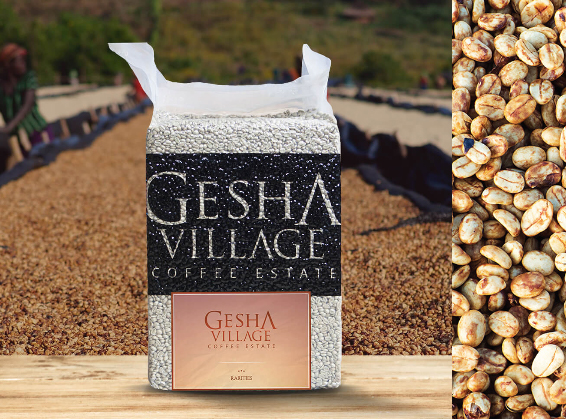
Gesha Village exclusively grows the Gesha variety and has a complete regional grading and quality control system. Among them, the Red Label Gesha is a clearly positioned and cost-effective grade within the estate, suitable for coffee enthusiasts who want to experience Gesha flavors without purchasing high-priced auction lots. This article will take you in-depth into this highly acclaimed Ethiopian specialty coffee, covering everything from its varietal origins, estate history, processing methods, roasting and pour-over recommendations, to its actual flavor performance and price references.
The Gesha variety was first discovered in the 1930s in the Gesha Forest of Ethiopia, originally just one of many wild coffee varieties in the area. After several transfers, this coffee variety was taken to the Tropical Agricultural Research and Higher Education Center (CATIE) in Costa Rica in the 1950s under the designation T2722. It wasn’t until the 1970s that it was introduced to Panama, where it rose to fame in the 2004 Best of Panama (BOP) competition, becoming the focus of the global specialty coffee industry.
Although genetic testing shows that the current Panamanian Gesha is not as closely related to its Ethiopian ancestors as initially thought, this does not diminish the potential and uniqueness of Ethiopian Gesha itself. In fact, the Gesha grown at Gesha Village is derived directly from the native variety of the local forest and has been carefully selected and cultivated, resulting in a distinctive flavor profile.
The story of Gesha Village began in 2007 when documentary filmmaker Adam Overton and his photographer wife Rachel Samuel were in Ethiopia filming a coffee-themed documentary for the Ethiopian government. They visited the Bench-Maji region near the border with South Sudan in the country’s southwest. There, they discovered the Gera Coffee Forest, rich in biodiversity, which inspired their dream of creating their own coffee estate.
In 2009, through the introduction of renowned coffee expert Willem Boot, the Overtons decided to return to Ethiopia to find the original birthplace of the Gesha variety. Eventually, they found the Gori Gesha forest in the Bench-Maji region, believed to be the closest to the original Gesha, and officially established Gesha Village Estate in 2011. This large 475-hectare farm is located about 12 miles from the original Gori Gesha forest, at an altitude between 1909 and 2069 meters, with a cool, foggy climate — the perfect environment for growing high-quality Gesha.
Gesha Village is vastly different from the typical Ethiopian smallholder model. Not only is it large in scale, but it also has its own washed processing facility and laboratory. More importantly, the entire estate is planted exclusively with the Gesha variety and is divided into eight blocks based on microclimate and altitude to precisely manage quality and flavor. After its first harvest in 2015, the estate launched its first micro-lots via auction in 2017, with the highest price reaching $85 per pound, setting an auction record for African coffee beans at the time.
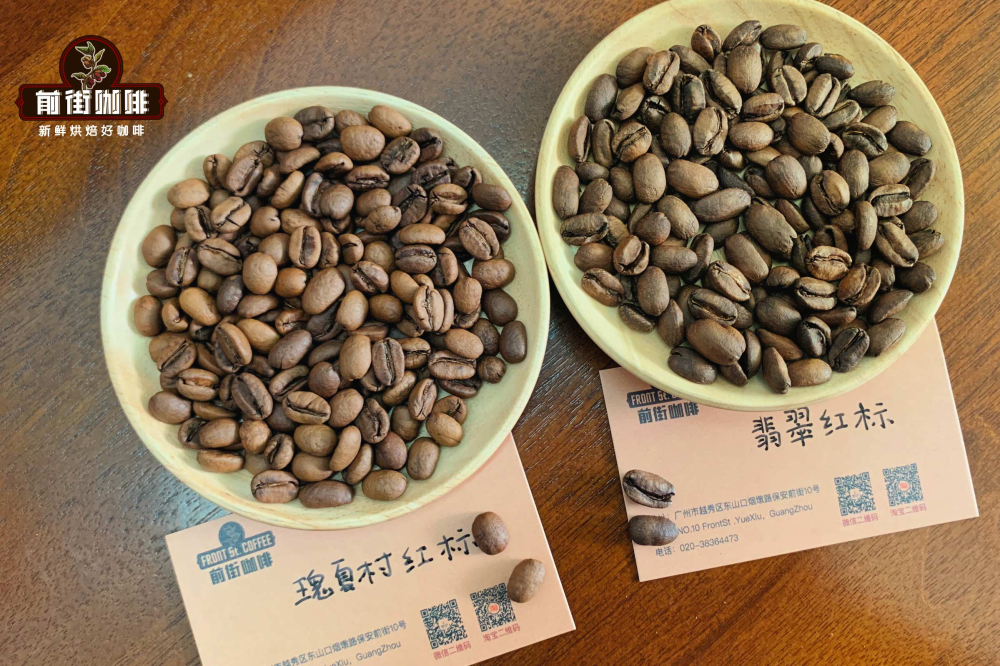
Internally, Gesha Village categorizes its coffee into multiple grades based on quality and processing methods, including Auction Grade, Gold Label, Red Label, Green Label, and CHAKA. Among them,the Red Label Gesha is a relatively more affordable grade, requiring a score of at least 88 points from the Specialty Coffee Association (SCA) and exhibiting clear, typical flavor characteristics of Ethiopian Gesha Village. These coffees typically possess bright acidity, rich fruit tones, and soft floral notes. Though slightly less complex overall than the Gold Label, they still offer high drinking value.
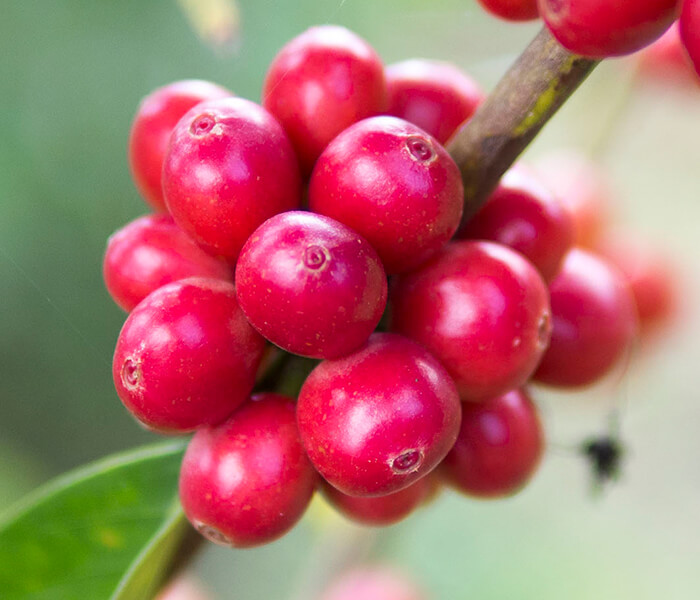
A certain channel offers the Gesha Village Red Label Gesha,grown in the Bench-Maji region at an altitude of approximately 1909–2069 meters, with the Gori Gesha variety and processed using the natural (sun-dried) method. During the natural processing, harvested coffee cherries are first floated to remove impurities, then placed on raised African beds in thin layers to sun-dry, with plastic covers used to regulate temperature and humidity. The total drying period lasts about 18 to 30 days, during which the cherries are frequently sorted to remove underripe and defective beans, ensuring a final product with intense and consistent flavors.
In terms of roasting, a certain roaster adopts a medium-light roasting strategy to preserve the bright acidity and complex fruit aromas of the Gesha beans. It is recommended to use a Yangjia 800N roaster, with an inlet bean temperature of around 160°C, adjusting the heat and air vent according to development time and yellowing point. First crack begins and continues for about 1 minute and 45 seconds, with the final drop at 197.5°C. This roast level highlights the citrus, floral, and sweet notes of Gesha, making it suitable for pour-over or drip brewing.
Recommended pour-over parameters are as follows: using a Hario V60 filter cone,water temperature around 91°C, coffee-to-water ratio 1:15, grind size at 80% passing through a Chinese No. 20 sieve (medium-fine grind). Suggested coffee dose is 15 grams, with the first step being 30 grams of water for a 30-second bloom, followed by slow pouring to 125 grams then pausing, waiting for the water level to drop before pouring to 225 grams to finish. Total extraction time is controlled to around 2 minutes. This parameter set fully showcases the layered profile and fruity notes of the Red Label Gesha.
Upon actual tasting, this Gesha Village Red Label Gesha often presentsflavors such as coconut, licorice, cream, chocolate, toffee, citrus, almond, and strawberry, along with pronounced fermentation aromas. The overall mouthfeel is rich and balanced, with bright yet non-aggressive acidity, and a wealth of nutty and caramel tones. The aftertaste is long-lasting and sweet, making it highly suitable for coffee lovers who enjoy a combination of fruity and floral notes.
In summary, the Gesha Village Red Label Gesha not only boasts a legendary lineage from Ethiopia but also offers stable quality and reasonable pricing. If you want to experience the charm of Gesha without committing to the high costs of auction-grade lots, the Red Label grade is a worthwhile entry-level choice. Whether for personal enjoyment or sharing, it showcases the finesse and depth of specialty coffee.
The above content is compiled by CoffeeHunters, a coffee news website.


