







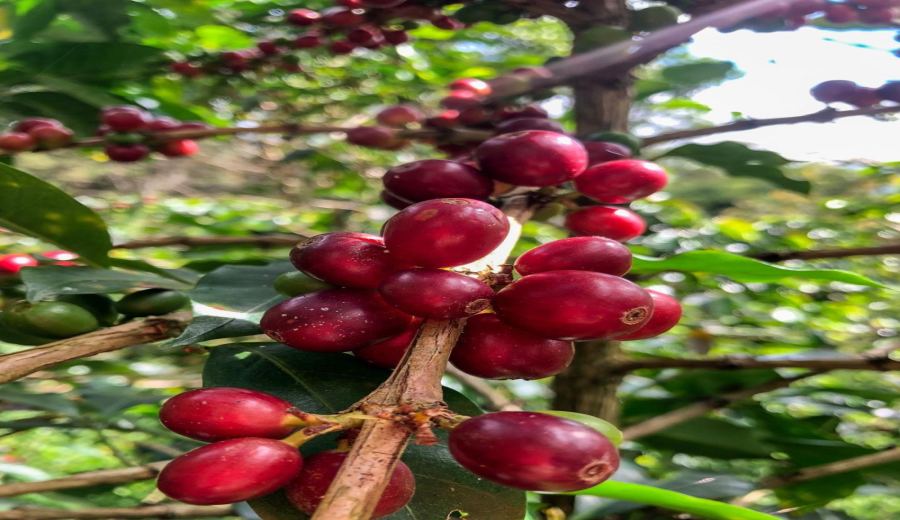
Introduction:Want to dive deeper into the allure of Colombian Cauca coffee? This article provides a comprehensive breakdown of the unique flavor profile of Cauca coffee—from its terroir and varieties to processing methods—and focuses on the high-altitude micro-region of Suarez, explaining how day-night temperature variations influence its balance of acidity and sweetness. It also includes roasting recommendations and practical pour over parameters to help you fully grasp the essence of this specialty coffee bean, from origin to cup.
Cauca Province in Colombia, a hidden coffee gem nestled in the southern foothills of the Andes Mountains, has carved out a niche in the global specialty coffee scene thanks to its exceptional geographical environment and refined flavors. This land not only nurtures numerous high-quality smallholder farms but has also captured international attention through the “Cauca Cup of Excellence” competition. This article will delve into the natural conditions, varietal composition, and processing techniques of the Cauca region, while taking readers into its most representative Suarez micro-region to explore how its high altitude and significant day-night temperature differences shape its captivating acidity and sweetness. Finally, we also offer expert roasting advice and practical pour over parameters to help coffee enthusiasts fully experience the essence of Cauca coffee—from green bean selection to brewing steps.
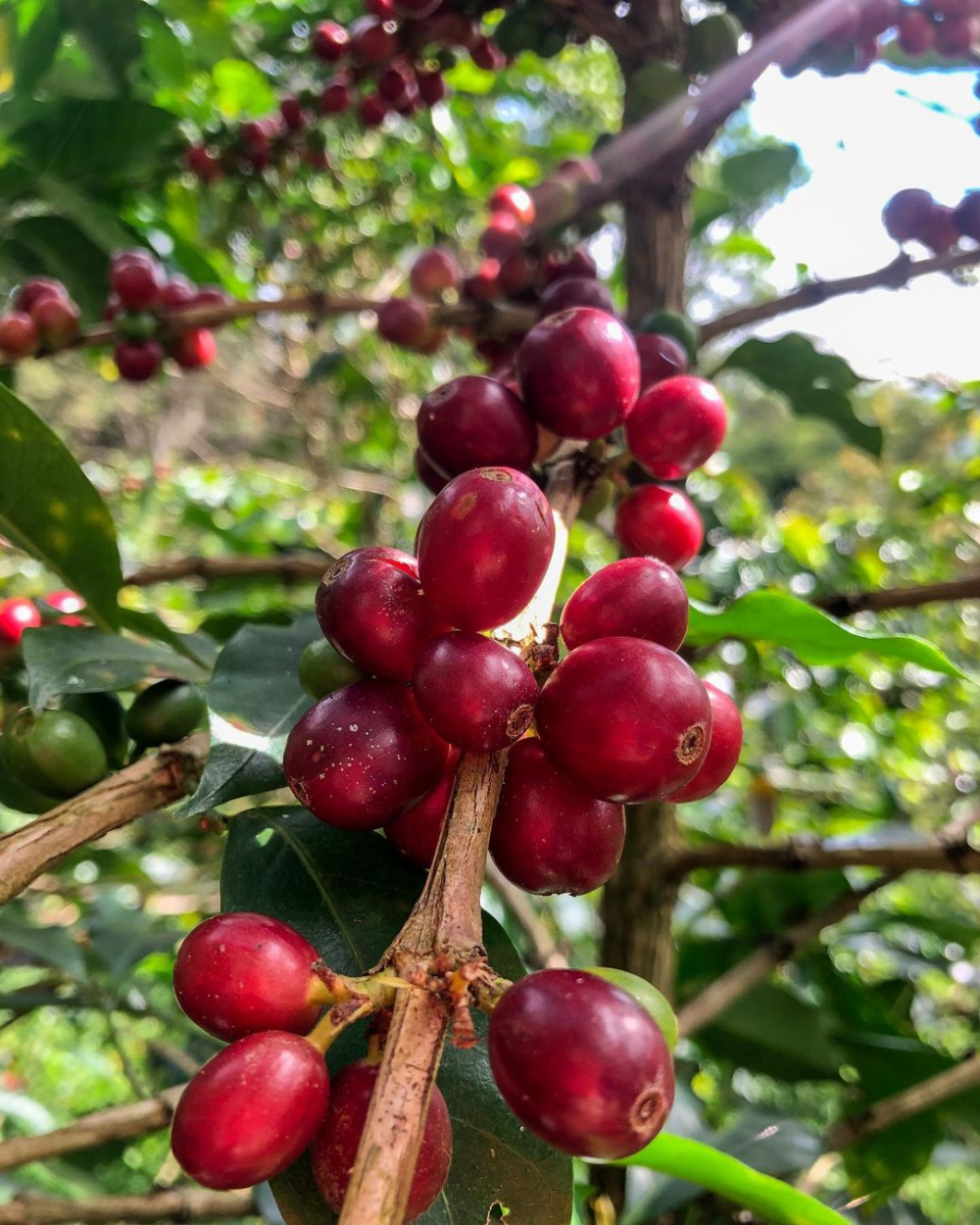
The Cauca region is located in the southwest of Colombia and stands alongside Nariño and Huila as one of the country’s three pillars of specialty coffee. With an average altitude of 1,758 meters—some areas even reaching up to 2,100 meters—along with volcanic soils and a distinct bimodal rainfall pattern (with the dry season concentrated in August and September, followed by the flowering and harvest seasons), it enjoys a stable and coffee-friendly microclimate. Notably, the region experiences significant day-night temperature variations—with daytime averages around 18°C and nighttime temperatures dropping to about 11°C. This temperature fluctuation helps the coffee cherries’ seeds mature slowly, allowing them to fully accumulate flavor compounds and develop pronounced acidity and rich sweetness.
Coffee farming in Cauca Province is predominantly carried out on small farms, with over 60% of cultivated land spanning less than one hectare, reflecting a strong family-run operation character. The main cultivated varieties include Typica (about 21%), Caturra (about 64%), and Castillo (about 15%). Among these, Caturra, due to its adaptability to high altitudes and disease resistance, has become the representative variety of the Suarez micro-region. In terms of processing methods, traditional washed processing still dominates, but in recent years, the low-water ecological processing system developed by the Colombian Coffee Research Center (Cenicafé) has gradually gained popularity. This technology reduces water pollution by over 90% and water usage by 95%, while maintaining the stability of cup quality.
Colombia’s coffee grading system primarily distinguishes beans by size, such as Supremo (17 mesh) and Excelso (14–16.5 mesh), but connoisseurs pay more attention to regional information. The country’s coffee-growing regions can be divided into commercial and specialty categories: commercial beans are mostly concentrated in central and northern areas, such as the well-known MAM region (Medellín, Amagá, and Manizales), where flavors tend toward bright fruity acidity with a Central American profile; whereas specialty beans mainly come from high-altitude southern regions, including Cauca, Villavicencio, Meta, Tolima, and Nariño provinces. These areas, benefiting from volcanic soils and high altitudes, often exhibit complex flavor profiles built on a caramel base with delicate berry aromas and clear acidity.
Exploring the characteristics of each region in depth, Antioquia was once thriving due to gold mining and later became an important coffee-producing area; Chocó, due to its remote location and poor transportation, mostly exports its coffee via neighboring Antioquia; Huila produces high-mountain beans rigorously selected by state-owned companies, ensuring consistent quality; Nariño, close to the equator with altitudes generally exceeding 2,000 meters, pushes the limits of cultivation while fostering unique flavors; Santander excels with low altitudes and the Typica variety; the Sierra Nevada mountains are renowned for their high-altitude specialty beans; Tolima, once affected by conflict, has in recent years been exporting high-quality coffee through smallholder cooperatives. And Cauca Province stands as the shining star among these remarkable regions.
The core coffee-growing areas of Cauca Province are centered around the cities of Inza and Popayán, with the Meseta de Popayán plateau providing a stable growing environment—surrounded by mountains that block Pacific moisture and southern trade winds, along with a single rainy season concentrated between October and December, resulting in a mild and distinct annual climate rhythm. The volcanic soils here are rich in minerals, providing abundant nutrients for coffee trees, while the average altitude of about 1,758 to 2,100 meters, combined with a 11°C day-night temperature difference, are key factors shaping the unique flavors of Cauca coffee: slowly maturing coffee beans accumulate more sugars and acidity precursors, ultimately delivering a cup with balanced mouthfeel, bright malic acidity, and pronounced caramel aroma.
The so-called “Cauca Best Cup” is a bidding event jointly organized since 2014 by American traders, local exporters, and the Colombian Coffee Growers Association, aimed at discovering and promoting smallholder specialty coffees from Cauca Province. The first edition attracted around 200 participating samples, and the following year the number more than tripled to over 500. The organizers conduct four rounds of rigorous cupping, first selecting the top 30, then having an international judging panel choose the top 12, which are finally opened up for global buyers to bid on during the event. This competition not only significantly boosts smallholder incomes but also encourages producers to invest in quality improvement, creating a virtuous cycle that drives the overall development of Cauca Province’s specialty coffee.
Focusing on the Suarez micro-region, this land surrounded by high mountains possesses a unique microclimate—towering peaks block Pacific airflows and southern trade winds, maintaining stable climatic conditions, along with ample sunlight and altitudes ranging from 1,758 to 2,100 meters, providing an ideal growing environment for the Caturra variety. Coffee in this area is primarily harvested between October and December and June and August. The Caturra variety demonstrates strong flavor potential in high-altitude environments, and when paired with local processing techniques, it ultimately yields a cup with balanced acidity and sweetness, and a rich layering of flavors.
For this Suarez micro-region Cauca coffee, a medium-dark roast is recommended to highlight its balanced and full-bodied texture, along with chocolate and nutty aromas. In actual roasting tests, using a Yangjia 600g semi-direct-fire roaster, the charge temperature was set at 200°C, with initial flame adjusted to 160°C and the damper opened to 3. The turnaround point occurred at 1 minute and 37 seconds, after which flame and damper settings were gradually adjusted: at 5 minutes and 15 seconds, when the bean surface turned yellow and grassy notes faded, entering the drying phase, the flame was reduced to 140°C and the damper adjusted to 4; at 8 minutes and 55 seconds, drying was completed, and the flame was further reduced to 185°C. At 9 minutes and 10 seconds, the bean surface showed ugly wrinkles and black speckles, with the first crack prelude becoming evident—closely monitoring the first crack onset (approximately starting at 9 minutes and 17 seconds). To prolong caramelization and soften fruit acidity, roasting continued for 2 minutes and 50 seconds after the first crack ended, finally dropping the beans at 199.4°C, resulting in a rich aftertaste and full-bodied mouthfeel.
Recommended pour over parameters are as follows: grind size is suggested to be medium-fine (such as BM 6–7 or equivalent), with a brew ratio of 1:15, and water temperature controlled at 90–92°C. The first step involves pouring 30g of water for the bloom (for about 30 seconds); the second step is to pour in stages up to 125g; the third step continues pouring up to 225g to complete the extraction (total time approximately 2 minutes and 30 seconds to 2 minutes and 45 seconds). Maintain a steady water flow and even circular pouring, avoiding over-extraction that leads to bitterness or under-extraction that affects acidity expression. These parameters fully showcase the bright malic acidity, caramel sweetness, and nutty-chocolatey finish of the Suarez Cauca coffee.
The above content is compiled by CoffeeHunters, a coffee news website.


