








Introduction:Gain an in-depth understanding of the fundamental differences between Robusta and Arabica, the two dominant coffee species, from their flavor profiles, growing conditions to market positioning. Whether you’re a beginner or a coffee enthusiast with specific flavor preferences, this comprehensive analysis will help you find the right choice for your taste.
In the world of specialty coffee, Arabica and Robusta are undoubtedly the two most commonly cultivated commercial varieties. Among them, Arabica accounts for about 70% of the global coffee market, while Robusta makes up the remaining 30%, often perceived as the “inferior” option. But is Robusta really that bad? In reality, these two types of coffee beans differ greatly in flavor characteristics, adaptability, and cultivation costs. This article will delve into their actual performance in terms of chemical composition, roasting reactions, and extraction results, using real-world applications as examples to help readers make more informed choices based on their own taste preferences.

When we perform dark roasting, Robusta can release more abundant oils, which is one of the reasons why many professional baristas add a small amount of it to espresso blends. For example, some espresso blends designed to create a thick crema and full-bodied texture may include around 10% Robusta to enhance the overall oil layering and mouthfeel richness. In practice, this proportion helps improve the body of the coffee and brings a thicker aroma persistence. When such blends are properly extracted, a fine layer of golden oil will float on the surface, accompanied by distinct nutty and chocolatey aromas. Although the taste is noticeably bitter, the aftertaste is smooth, the bitterness fades quickly, and the finish is refreshing and long-lasting.
When it comes to the commonly seen coffee varieties on the market, the vast majority of consumers encounter only Arabica and Robusta. Among them, Arabica is widely favored for its rich flavor layers, whereas Robusta has much lower visibility. But this doesn’t mean Robusta is without value—in fact, it even holds irreplaceable advantages in certain applications. Next, we’ll start with their basic characteristics, cultivation conditions, and market demand to analyze in detail the practical differences between them in terms of flavor, cost, and adaptability.
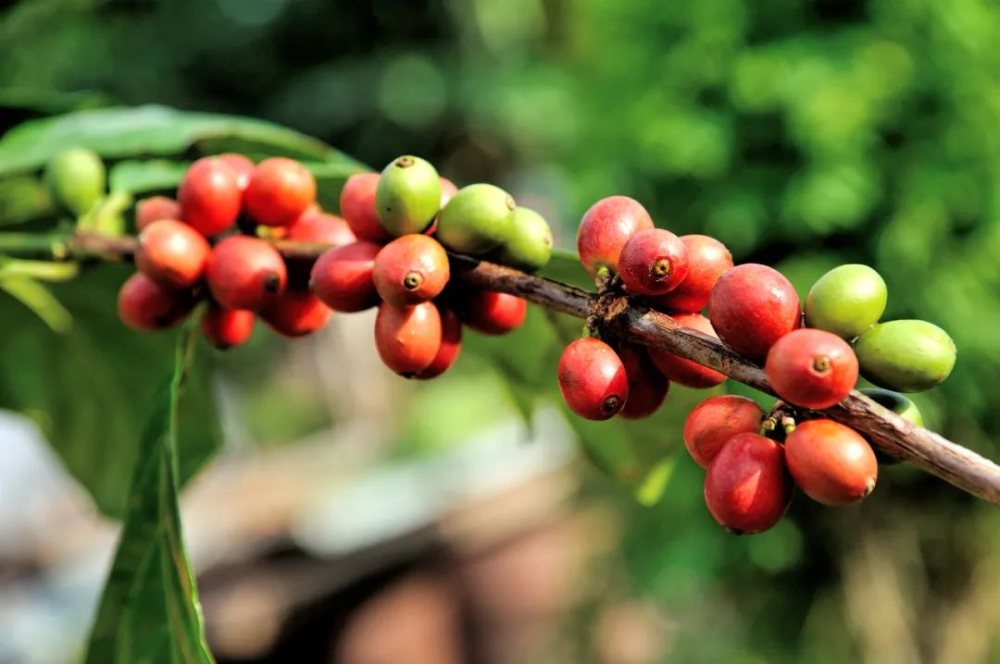
First, coffee belongs to the Rubiaceae family, and its fruit is commonly known as the coffee cherry, each typically containing two coffee seeds, which are what we commonly refer to as coffee beans. A single coffee tree yields about 0.9 kilograms of green beans per year. Currently, although there are hundreds of coffee varieties worldwide, the ones that are truly commercially cultivated on a large scale are mainly concentrated within the Arabica and Robusta lineages, with Arabica accounting for about 70%.
Coffee trees are extremely particular about their growing environment and generally need to be planted within the “coffee belt” between the Tropic of Cancer and the Tropic of Capricorn. These regions usually feature stable high temperatures, abundant rainfall, good sunlight, and well-drained soil. Currently, over 70 countries and regions around the world are located in this zone, including Brazil, Colombia, Ethiopia, Indonesia, as well as China’s Yunnan and Hainan. Each area, due to its unique microclimate and altitude, produces coffee with distinctive flavors.
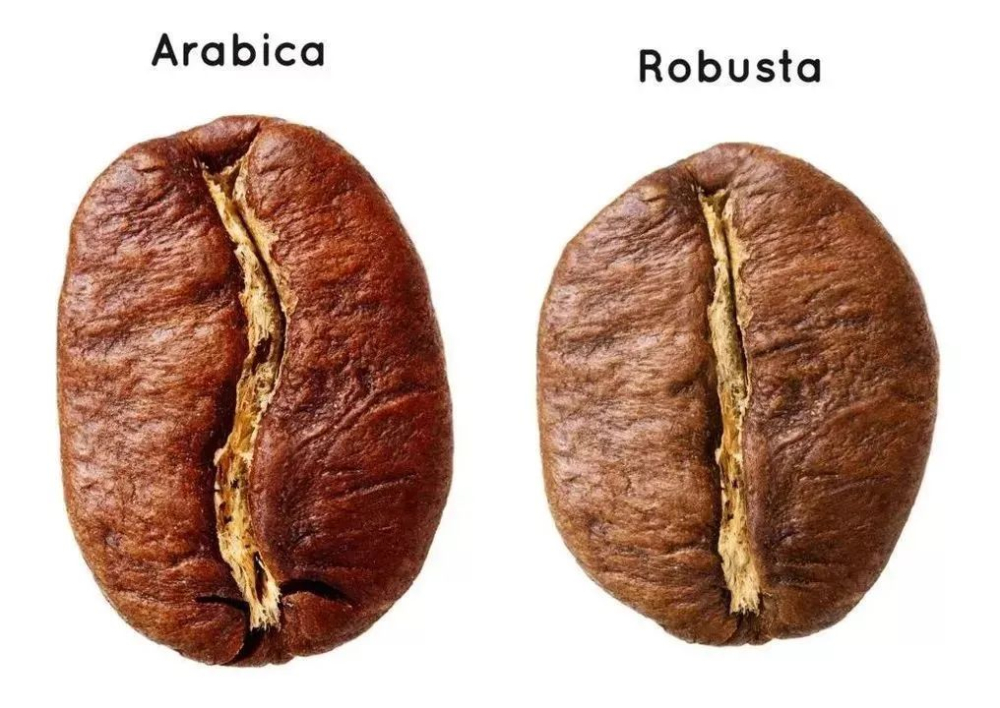
The reason Arabica has become the market mainstream is largely due to its elegant aroma and diverse flavor expressions. Benefiting from cultivation environments at high altitudes and volcanic soils, Arabica typically exhibits pronounced fruity acidity, floral notes, and sweetness, with a soft and delicate mouthfeel that aligns more closely with the aesthetic trends of modern specialty coffee. From a chemical composition perspective, Arabica contains about twice the sucrose content of Robusta, and these sugars convert into various aromatic compounds during roasting, giving the coffee richer sweetness and complex layers. For example, some renowned specialty beans like Panama Geisha are celebrated for their unique citrus-honey tones and tea-like qualities, making them representatives of Arabica’s premium flavor profile.
In contrast, Robusta is known for its high caffeine content, typically ranging between 2.7% and 4%, nearly double that of Arabica. Caffeine itself is a natural defense compound that effectively resists pests and diseases, which is why Robusta excels in disease resistance and adaptability. It can tolerate high temperatures, drought, cold, and high humidity, and can also grow at low altitudes, significantly lowering cultivation barriers and management costs. Additionally, Robusta generally yields more per plant than Arabica and is better suited for mechanical harvesting. These factors make it an ideal choice for commercial mass production, and its price is therefore relatively more affordable.
However, Robusta also has clear weaknesses. Due to its higher chlorogenic acid content—a major contributor to coffee’s bitterness and astringency—Robusta can easily present harsh bitterness and earthy flavors if not properly processed or lightly roasted. Its flavor spectrum mostly consists of subdued notes like nuts, peanuts, and grains, and unless subjected to dark roasting or special processing, it often struggles to showcase stunning complexity. For this reason, Robusta is commonly found in dark roasted espresso blends, instant coffee, or industrial raw materials.
As for Arabica, although it delivers excellent flavor performance, its growing requirements are extremely demanding. In addition to needing cultivation at elevations above 800 meters, it also requires stable microclimates and good drainage. The large day-night temperature variations in high-altitude areas help coffee cherries accumulate more flavor compounds, thereby enhancing aroma intensity and layering. However, such regions are often rugged, making planting, harvesting, and management more difficult, leading to relatively higher production costs.
Faced with these two major coffee varieties, how should consumers choose? In fact, both Arabica and Robusta have their strengths—the key lies in identifying the type that best suits your taste needs. For those who prefer bright acidity, fruity and floral notes, Arabica is undoubtedly the top choice; whereas if you prioritize a rich mouthfeel, full body, and a caffeine boost, using a moderate amount of Robusta or blends with a high Robusta ratio can also be a practical strategy.
In practical applications, many espresso blends adjust their formulations by adding small amounts of Robusta to enhance the coffee’s oiliness and intensity. Moreover, for budget-conscious consumers or those who prefer a bold flavor, pure Robusta or high-Robusta blends are also highly cost-effective options. No matter which you choose, understanding their characteristics is the key to truly appreciating the diverse charm of coffee.
The above content is compiled by CoffeeHunters, a coffee news website.


