








Introduction:Delve into the historical roots, geographical advantages, and regional characteristics of Colombian coffee—from the core MAM regions to the refined single origins of the Huila volcano. This article details washed processing methods and the role of the FNC association, and provides practical V60 pour over parameters and flavor profiles to help you better understand how to select and brew a Colombian bean with balanced sweetness.
Colombia is not only the world’s largest exporter of high-quality washed Arabica coffee but also one of the few origin coffees renowned by its country name. Since its introduction by Jesuit missionaries in the 18th century, the country’s coffee industry has developed over a century to become a vital pillar of the national economy, generating up to $2.4 billion in annual export revenue, accounting for about 7.7% of the country’s total exports. Yet, facing threats from coffee leaf rust and climate change, Colombia still maintains its position as the world’s third-largest coffee producer, thanks to its favorable natural environment and well-established industry structure.
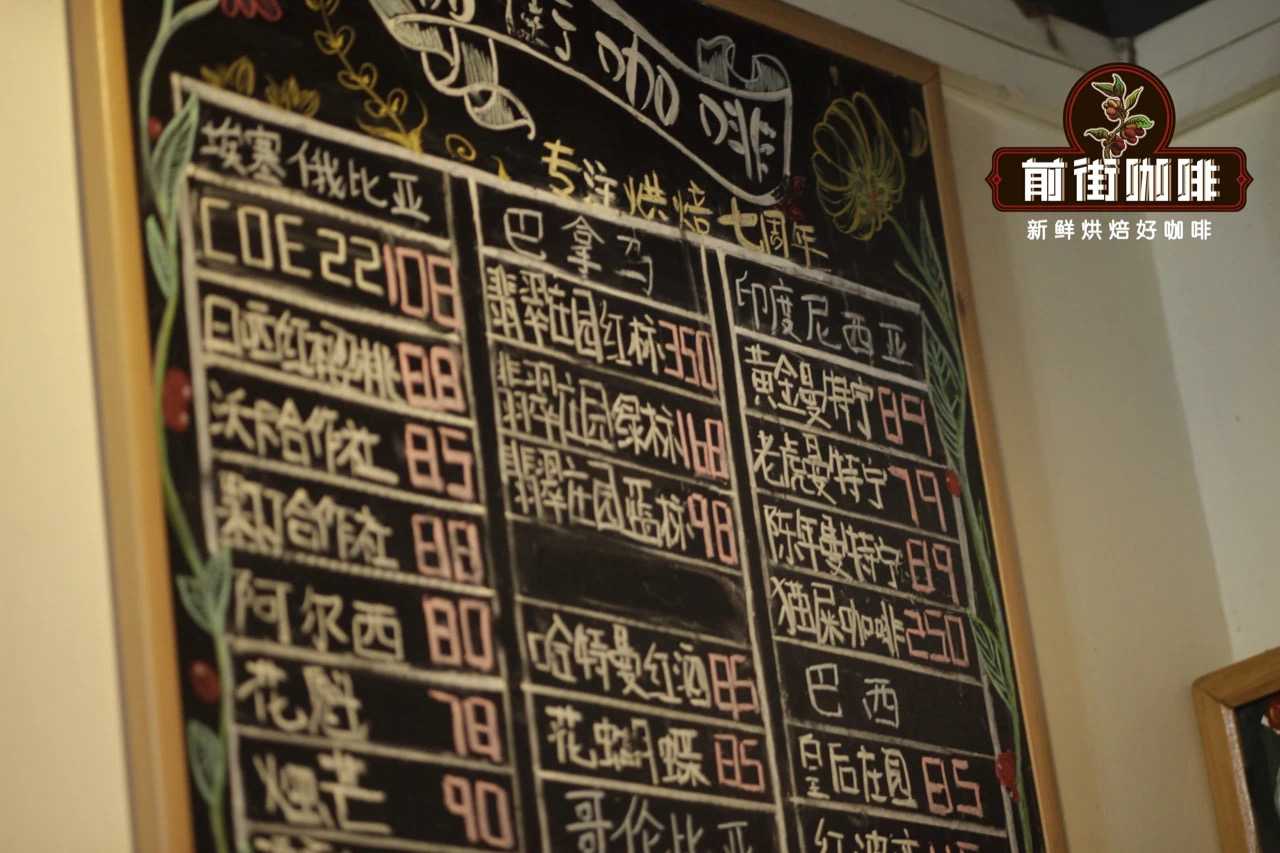
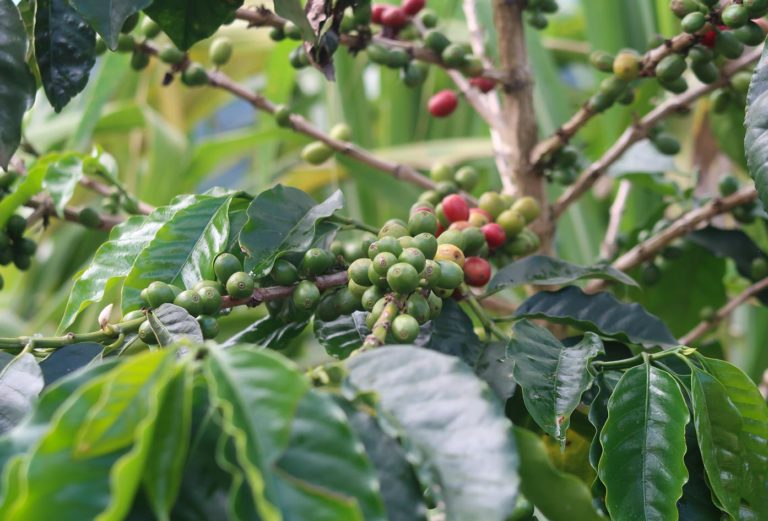
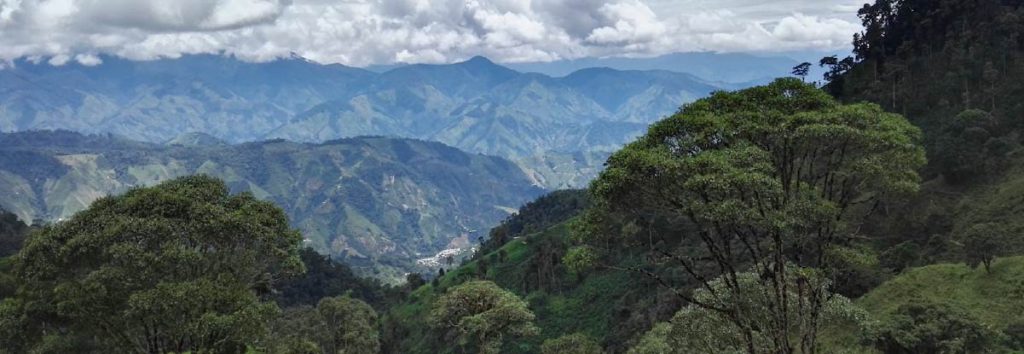
Coffee cultivation in Colombia is primarily concentrated in the three major mountain ranges of the Andes, which offer mild and humid climates, enabling multiple harvests throughout the year. The country is home to approximately 2.7 billion coffee trees, over 60% of which are planted in modern farms, while the rest are scattered across traditional smallholder farms. This region not only avoids the frost threats common in neighboring Brazil but also benefits from unique geographical advantages—boasting rich microclimates and convenient dual maritime access, bordering both the Atlantic and Pacific Oceans, which contribute to its global market competitiveness.
Among the many producing regions, the MAM trio—comprising Medellín, Armenia, and Manizales—are celebrated for their high quality and altitude, with Medellín particularly praised for its plump beans and balanced acidity and sweetness. Additionally, the Eastern Mountains area, including Bogotá and Bucaramanga, produces coffee with rich flavor complexity, thanks to stable yields and special microclimates. Among these well-known regions, Huila stands out as a representative of Colombia’s specialty coffee, owing to its unique geography and natural conditions.
The Huila region is situated on the flank of the Andes, near Colombia’s second-highest peak—Nevado del Huila volcano. This area not only features fertile volcanic soil but also enjoys a humid climate and moderate altitude, allowing coffee to be harvested year-round. Such conditions yield Huila coffee with a rich yet delicate flavor profile, making it a top choice for many coffee enthusiasts as a single origin.
The development of Colombia’s coffee industry owes much to the efforts of the National Federation of Coffee Growers (FNC). Established in 1927, the FNC is a private organization that shoulders the responsibility of industry regulation and quality control, and represents the government in coordinating various industry policies. Beyond setting production and export standards, the FNC actively invests in technological research, farmer education, infrastructure, and marketing, serving over 540,000 coffee farming households and ranking as one of the world’s largest agricultural NGOs. Thanks to the FNC’s efforts, Colombia not only ensures consistent coffee quality but has also built a strong reputation in the global market.
In terms of processing methods, washed processing is prevalent in Colombia, especially among small and medium-sized farms. Farmers use specialized machinery to remove the coffee cherry’s skin and pulp, then place the mucilage-covered parchment beans in tile tanks or containers for around 24 hours of fermentation. Once the mucilage naturally loosens, the beans are thoroughly washed with clean water and finally spread outdoors to dry naturally. In case of rain, temperature-controlled dryers set at around 50°C are used until the moisture content meets the standard, ensuring the stability of green bean quality.
Taking a medium roast washed bean from the Huila region as an example, it showcases the typical balanced flavors of Colombian coffee. It is recommended to use a V60 filter for pour over brewing, with water temperature controlled at 91°C, a water-to-coffee ratio of 1:15, using about 15 grams of coffee ground to a fineness where 75% passes through a Chinese No. 20 sieve. During brewing, start with a 30-second bloom using 30 grams of water, then pour in a slow circular motion until reaching 125 grams for the first pour. After the water level drops, continue pouring to 225 grams to finish, with a total extraction time of about 2 minutes.
The brewed Huila coffee delivers a rich taste of dark chocolate and caramel sweetness upon the first sip. As the temperature cools, citrusy acidity gradually emerges, resulting in a refreshing yet layered flavor—a highly representative Colombian washed single origin that is perfect for everyday enjoyment.
The above content is compiled by CoffeeHunters, a coffee news website.


