







Introduction:Want to dive deeper into the unique flavors of Central and South American coffee regions? This article will take you on a journey through the key producing countries from Brazil to Panama, exploring the characteristics of their coffee beans—including representative varieties, how common processing methods influence flavor, and how to identify different flavor profiles using the flavor wheel. Whether you’re just starting out or searching for your next pour over bean, this comprehensive regional guide will help you build a clear mindset for selecting beans.
Many beginner coffee drinkers, when tasting for the first time, often only perceive a single note of bitterness or simple aroma. But in reality, the world of single-origin coffee is far richer and more diverse than imagined. From the richness of Brazil to the floral and fruity notes of Panama’s Geisha, each region harbors unique terroirs and processing techniques that create a wonderfully varied spectrum of flavors.
Central and South America, as one of the world’s most important coffee-producing regions, includes countries such as Brazil, Colombia, Honduras, Panama, Costa Rica, Guatemala, Peru, Ecuador, Jamaica Blue Mountain, and Bolivia. These regions not only have their own distinctive characteristics, but different processing methods—such as washed and natural—also directly influence the final flavor direction of the coffee.
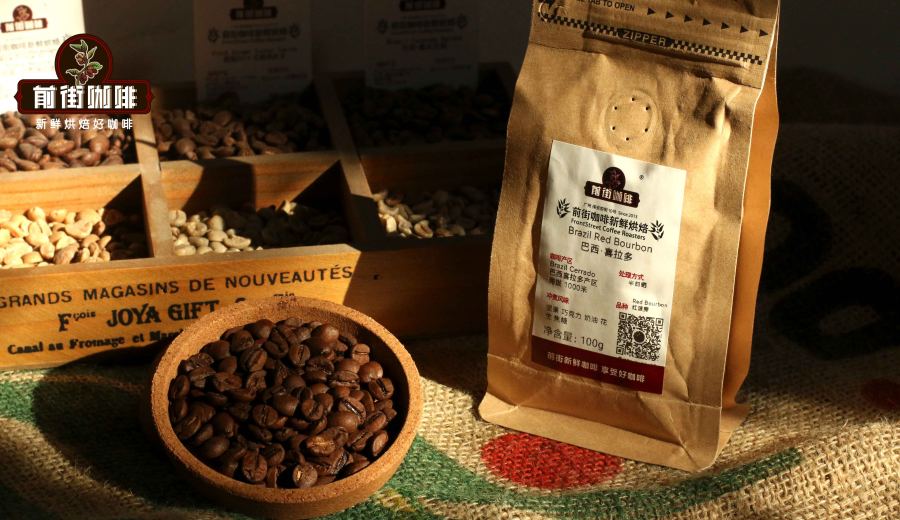
Take Brazil, for example. As the world’s largest coffee producer, its beans are known for their bold and rich profile, often featuring lingering notes of chocolate and nuts. Brazilian Santos coffee is a classic base for blends and is suitable as a foundation bean for espresso blends. Colombia, on the other hand, is famed for its mountain-grown coffee produced at high altitudes, with smooth mouthfeel and balanced acidity and sweetness. The Huila region, in particular, produces premium beans that often exhibit distinct caramel and berry notes.
Honduras, once limited by processing technology and equipment, did not enjoy a high international reputation. However, in recent years, it has made significant progress in processing techniques and quality control. The country’s highland and premium highland coffees are mainly grown at elevations between 1,000 to 2,000 meters. Medium roasting can highlight their sweetness and aroma, making them ideal for beginners looking to explore the layered flavors of Central and South American coffee.
When it comes to Panama, one simply cannot overlook its world-renowned Geisha variety. Grown in high-altitude microclimates such as Boquete, Geisha is celebrated for its bright floral, citrus, and tea-like flavors. In particular, the green-labeled Geisha from the Esmeralda Estate is a dream coffee for many enthusiasts. However, Geisha demands extremely high standards in cultivation and processing, resulting in scarce production and high costs.
Costa Rica is well-known for its honey processing method, which involves retaining part of the fruit mucilage during sun drying, imparting a richer sweetness and balanced acidity to the beans. The volcanic soil and high-altitude environment of the central plateau give the coffee a structured body, bright acidity, and distinct layers. Tarrazú and the Central Valley are its representative regions.
Guatemalan coffee is distinguished by its intense aroma and unique roasted notes. Regions such as Huehuetenango and estates like El Injerto often produce beans with rich cocoa and spice tones, notable acidity but well-balanced, making them suitable for those who enjoy complex flavors.
The coffee of Peru and Ecuador is often characterized by organic cultivation and mild acidity. Peruvian coffee typically offers notes of chocolate, cream, and herbs, making it a good balanced choice for blends or pour over. Ecuador, due to its varied altitudes and microclimates, showcases diverse profiles ranging from berries to sweetness, with Manabí being a major producing province.
Jamaica Blue Mountain coffee, though rare in production, is considered by many to be synonymous with premium coffee. Its washed processing and strict grading system result in an excellent balance of acidity, sweetness, and bitterness, with a clean aftertaste. Blue Mountain No.1 grade beans are highly sought-after by collectors and coffee aficionados alike.
Finally, although Bolivia’s development has been slower due to transportation limitations, its high-altitude environment produces coffee that often features deep fruity and floral notes. In particular, the Java variety cultivated at high altitudes exhibits intense blackberry and chocolate flavors.
Understanding the characteristics and differences of these regions can not only help you choose beans that better suit your taste preferences, but also make it easier to discern the subtle variations on the flavor wheel during tasting. Whether you’re just starting out or already have some experience, this comprehensive guide to Central and South American coffee regions will be your best companion in exploring the world of single-origin coffee.
The above content is compiled by CoffeeHunters, a coffee news website.


