








Introduction:Want to understand the true essence of Colombian coffee? This article delves into renowned regions such as Huila in southern Colombia, covering everything from geography and climate, micro-lot production, to the Caturra variety and washed processing methods. It reveals the sources of the region’s balanced acidity and rich body. We also break down practical V60 pour over parameters and brewing techniques to help you fully showcase the nutty, dark chocolate, and caramel notes of Huila coffee.
Colombian coffee has long been a significant part of the global specialty coffee scene—not only due to its innovative processing methods that frequently spark discussion, but also because its traditional regions continue to preserve captivating native flavors. Among the many regions, those in the south—Huila, Cauca, Nariño, and Tolima—stand out thanks to their high altitudes and volcanic soils, producing classic coffees with distinct acidity layers and full bodies. These areas are not only major contributors to production volume but also key to understanding the authentic essence of Colombian coffee.
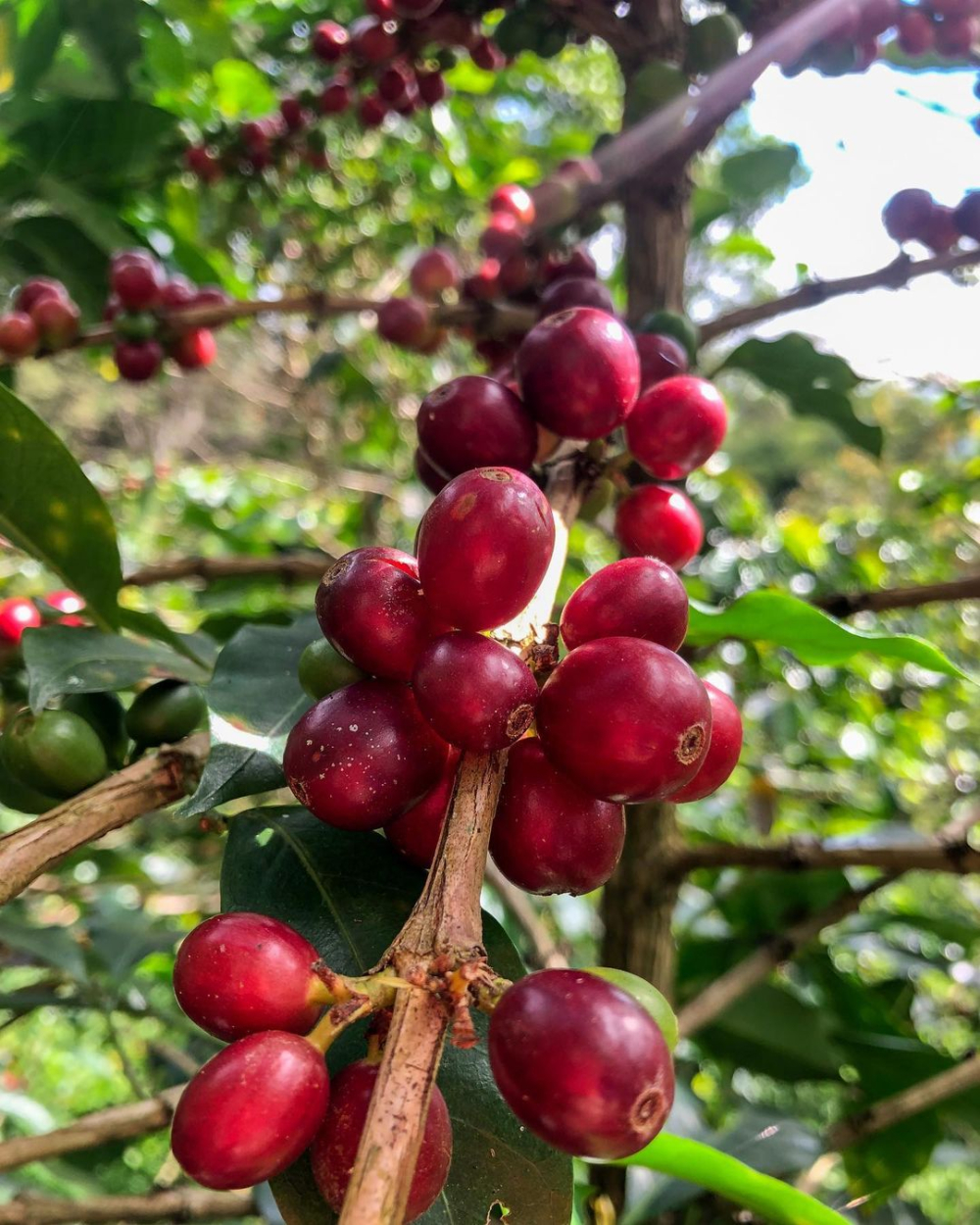
Located in the northwest of South America between 3°N and 8°N latitude, Colombia enjoys a tropical climate. However, due to its highly varied topography, the climate differs significantly across regions. Combined with fertile volcanic soils and abundant rainfall, it remains suitable for coffee cultivation year-round. The average annual temperature ranges from 15.8°C to 20.5°C, while coffee-growing areas typically maintain temperatures between 18°C and 22.5°C. Such conditions allow coffee cherries to ripen slowly, accumulating richer flavor compounds, which contribute to the commonly found full body and bright acidity in Colombian coffee.
Southern regions such as Huila, Cauca, Nariño, and Tolima mostly sit at elevations exceeding 1,500 meters and serve as primary sources of Colombia’s specialty coffee. Among them, Huila Province is located at the southern end of the central mountain range, surrounded by mountains, with most plantations situated between 1,500 and 1,800 meters above sea level. Several important rivers converge here, ensuring ample water supply and creating a diverse microclimate. Smallholder micro-lot production is becoming increasingly popular in this area. By aggregating coffee from multiple producers and selecting through cupping, the region manages to preserve and highlight distinctive regional flavors.
Cauca Province is one of Colombia’s officially certified coffee origin regions, with an average elevation of 1,758 meters, and peaks exceeding 2,100 meters. The terrain is rugged and mountainous, dominated by the Andes Mountains, coupled with a pronounced single-peak rainfall pattern. This leads to a concentrated coffee flowering period, resulting in consistency and stability in quality for the following year’s harvest. Notably, Cauca experiences large diurnal temperature variations, with daytime averages around 18°C dropping to about 11°C at night. This temperature fluctuation helps coffee cherries more fully convert nutrients internally, giving the coffee stronger acidity and unique sweetness.
Nariño Province is located in southwestern Colombia, bordering the Pacific Ocean and Ecuador. The Andes Mountains run through the region, and most coffee plantations are found in high-altitude cloud forest zones between 1,600 and 2,300 meters. The volcanic soils are fertile, and although the beans produced here are relatively small, they are dense and have a vibrant green color. Due to limited production—only about 6,000 bags per year are considered premium selection grade—the rest is mostly acquired by international large-scale traders. It is a hidden gem region with great potential.
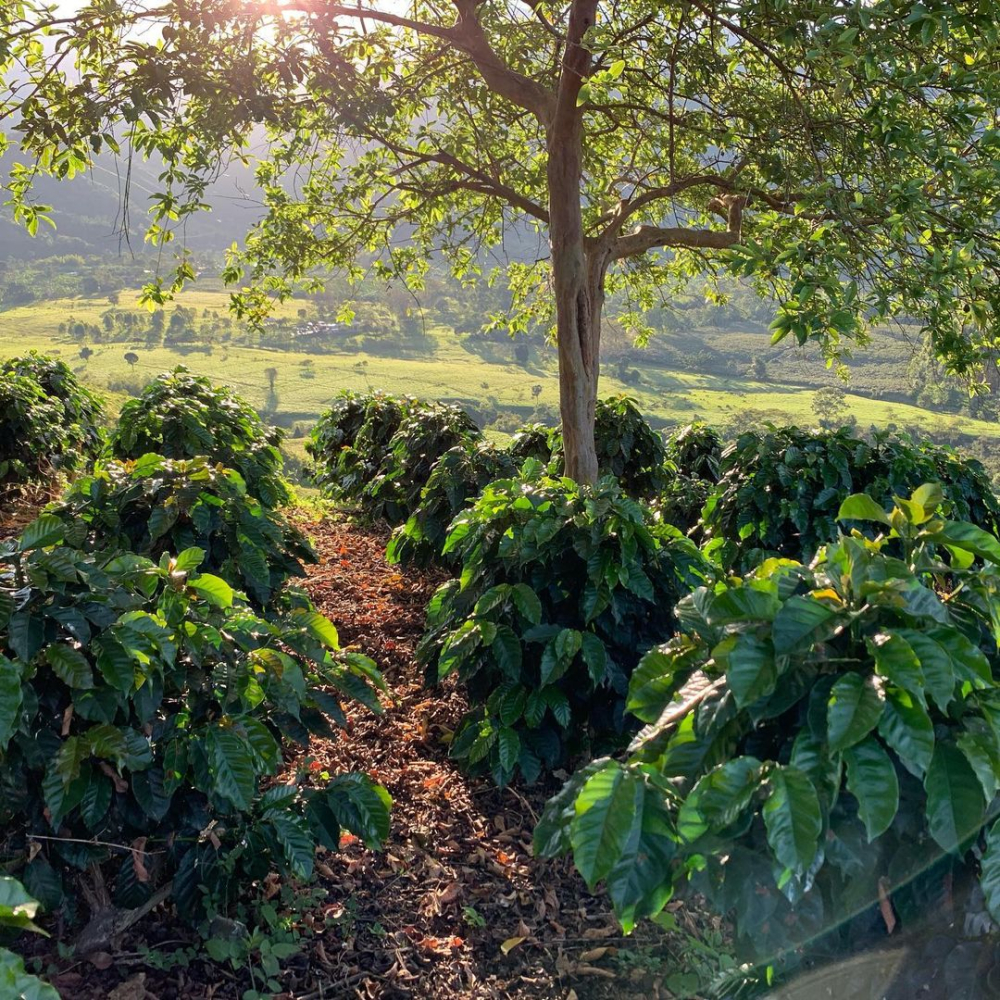
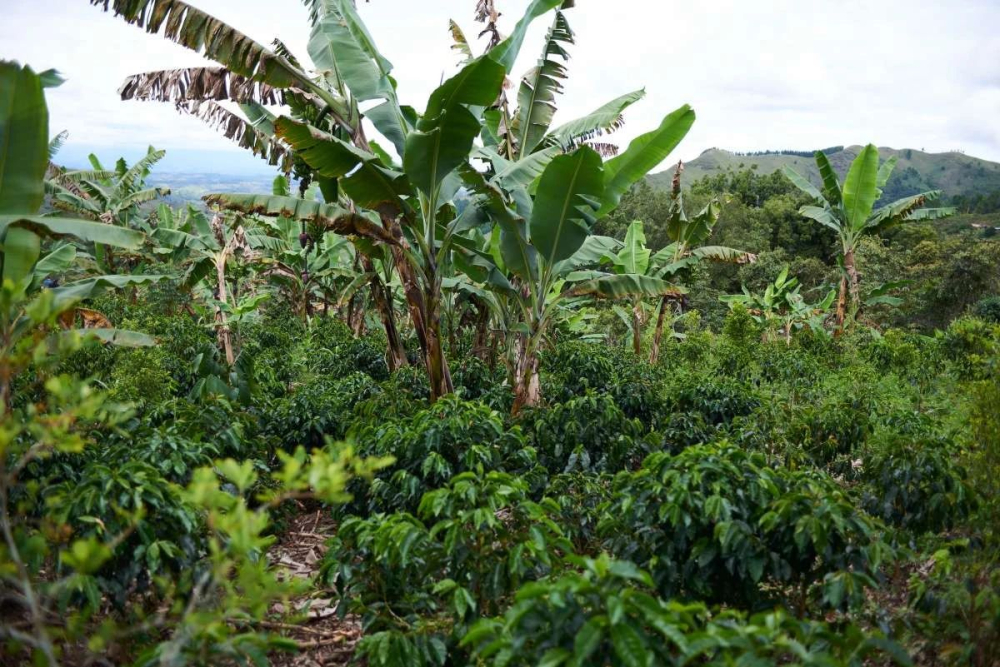
Tolima Province geographically neighbors Huila and Cauca, sharing a similar terrain dominated by the Andes and Cordillera mountain ranges, with the Magdalena River running through its center. Farms here are slightly larger, typically ranging from 10 to 15 hectares, and most operate under cooperative models where farmers deliver fresh cherries to shared processing facilities. Some smallholders choose to process their daily harvest themselves. Tolima coffee often features a balanced and full-bodied taste, with subtle notes of spice and nuttiness.
Colombia’s coffee planting history dates back to 1808, when a priest introduced it from the French Antilles via Venezuela. Today, it is the world’s second-largest coffee producer, yielding 13 million bags annually (each bag weighing 60 kg). To maintain quality, Colombia established the National Federation of Coffee Growers (FNC) in 1927, responsible for industry regulation, technical support, and market promotion. Its contributions to stabilizing coffee quality and exports have been outstanding.
To experience the most original flavor profile of Colombian regions, washed-process everyday beans are a great choice. A certain coffee brand’s selected Huila washed beans use the locally dominant Caturra variety, which originated as a natural mutation of Bourbon in Brazil. Though the trees are shorter with slightly weaker disease resistance, they are high-yielding and adaptable, widely planted across Central and South America. The washed process—removing the pulp, fermenting to remove the mucilage, then rinsing with clean water and sun-drying—highlights the coffee’s cleanliness and pure flavor expression, with bright and layered acidity.
For this Huila washed bean, the roast focuses on highlighting nutty, dark chocolate, and caramel aromas. The roaster chose to extend the development time during the medium roast stage. The charge temperature was 185°C, with first crack development lasting about 3 minutes, and drop temperature reaching 202°C. Through precise control of heat and airflow, the bean’s flavors achieved optimal balance.
For brewing, the V60 filter cone is recommended. Its large holes and spiral ribs enhance extraction efficiency and flow rate control. Suggested parameters are: water temperature 90–91°C, grind size similar to fine sugar (approximately EK43s scale 10, 80% passing through a #20 sieve), brew ratio 1:15, with 15 grams of coffee. The pour over steps are as follows: start with a 30-second bloom using 30 grams of water, then pour 95 grams (total ~125 grams), wait until the water level drops to two-thirds of the coffee bed before adding another 100 grams (total ~225 grams), and finish dripping within 2 minutes. This brings out prominent nutty and dark chocolate notes, with soft fruit acidity and caramel sweetness in the mid-palate.
In summary, southern Colombian regions like Huila excel with their high altitudes, volcanic soils, and micro-lot production. Their washed beans fully express the region’s delicate acidity structure and rich body. Whether for coffee tasting or daily brewing, understanding regional characteristics, variety backgrounds, and correct extraction parameters will allow you to more deeply appreciate the true charm of Colombian coffee.
The above content is compiled by CoffeeHunters, a coffee news website.


