







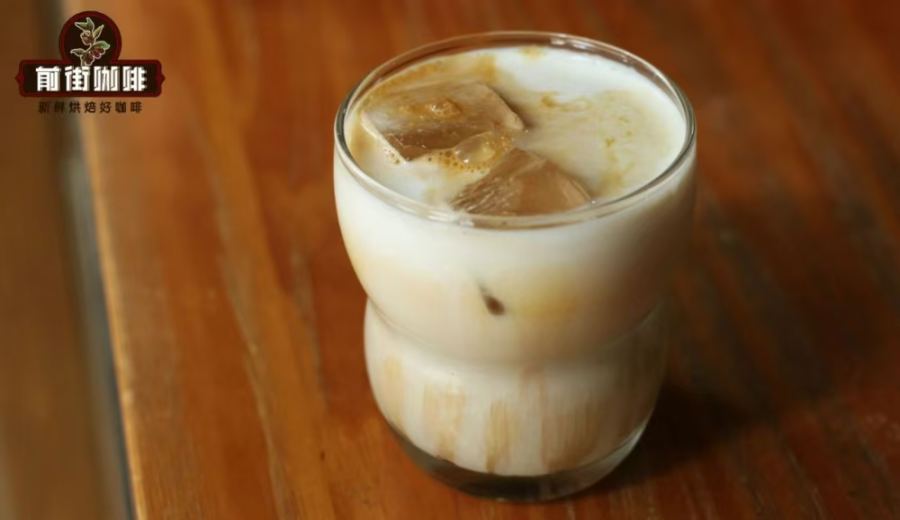
Introduction:Are you curious about how to make a Spanish Latte? Why do some people love adding condensed milk to their coffee? This article dives deep into the unique recipe of the Spanish Latte—from the choice of base coffee, the ratio of condensed milk to fresh milk, to how it compares with Vietnamese iced drip coffee and Café Bombón—helping you master this rich yet balanced coffee beverage. Whether you want to recreate it at home or understand its cultural background, you’ll find it rewarding.
Modern café menus are becoming increasingly diverse. To cater to different tastes, many baristas add milk or syrups to traditional coffee. Among these, using sweetened condensed milk is not common but has deep cultural roots in certain regions. Do you know the origins and characteristics of this pairing?
In Vietnam, the aroma of coffee fills the streets. The country primarily uses Robusta beans, which are roasted dark with a rich body, often featuring pronounced bitter and grainy notes. Unlike Europe’s preference for fresh milk, Vietnamese people favor sweetened condensed milk to balance the intense bitterness of the coffee. This classic combination is known as "ca phe sua da," or Vietnamese iced drip coffee.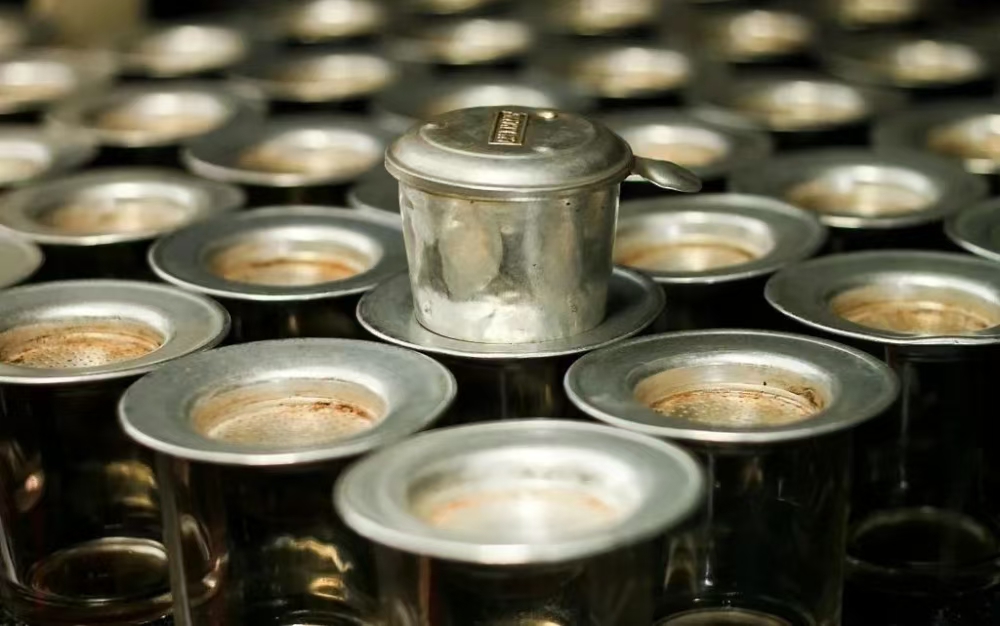
When you order a Vietnamese drip coffee, the staff usually puts the milky-white condensed milk in the cup first, then sets up the drip filter and slowly pours hot water. The coffee drips down by gravity, and they often provide a small spoon for stirring. Once the condensed milk and black coffee are fully mixed, the sweetness and bitterness reach a perfect harmony, resulting in a rich coffee with a sweet aftertaste.
Not just in Vietnam, Spain in Europe also has a tradition of pairing coffee with condensed milk. This drink is called "Café Bombón." As the name suggests, it consists of an espresso shot and an equal amount of condensed milk, often served in a clear small glass to showcase the striking black-and-white layered look.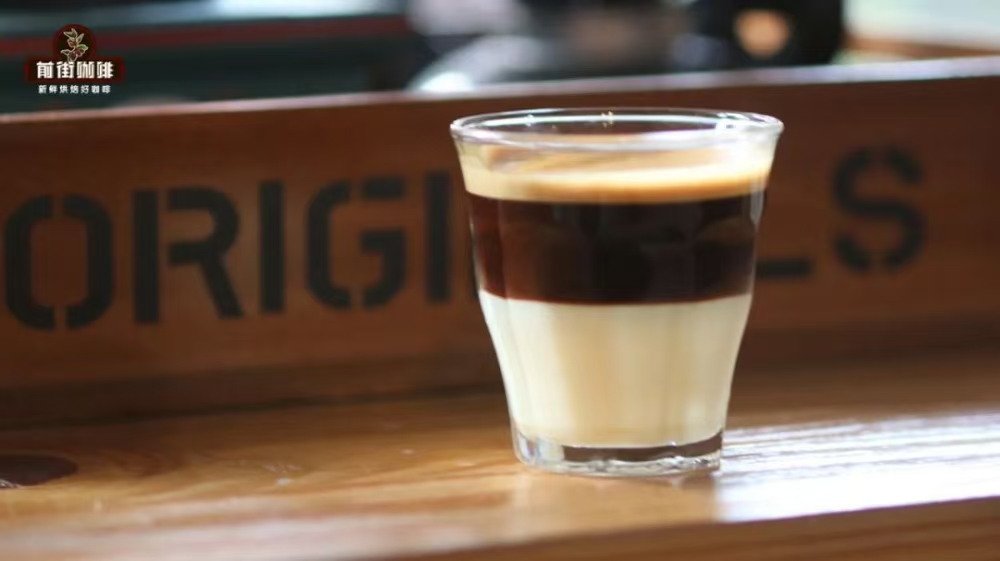
Some cafés have actually made this drink, using a glass of about 90 to 120 milliliters, pouring an amount of condensed milk equal to the espresso—for example, 40 grams of coffee liquid paired with 40 grams of condensed milk. Since condensed milk is denser, it doesn’t mix naturally with the espresso when poured in, creating a distinctive “black-and-white layering” effect. When sipped, the bold coffee meets the sweet, creamy condensed milk, resulting in a thick, smooth texture—somewhat like the curious combination of herbal jelly with condensed milk.
In recent years, the “Spanish Latte,” which combines coffee, fresh milk, and condensed milk, has become popular in cafés worldwide, often being a go-to choice for coffee enthusiasts looking to try something new. This drink is essentially a traditional latte with the addition of condensed milk to enrich its overall flavor profile.
So, what’s the difference between a Spanish Latte and a regular latte? Simply put, the Spanish Latte also uses espresso as its base, but in addition to fresh milk, it includes condensed milk. The sweetness of the condensed milk softens the bitterness of the coffee, making it more approachable even for those not used to strong coffee flavors.
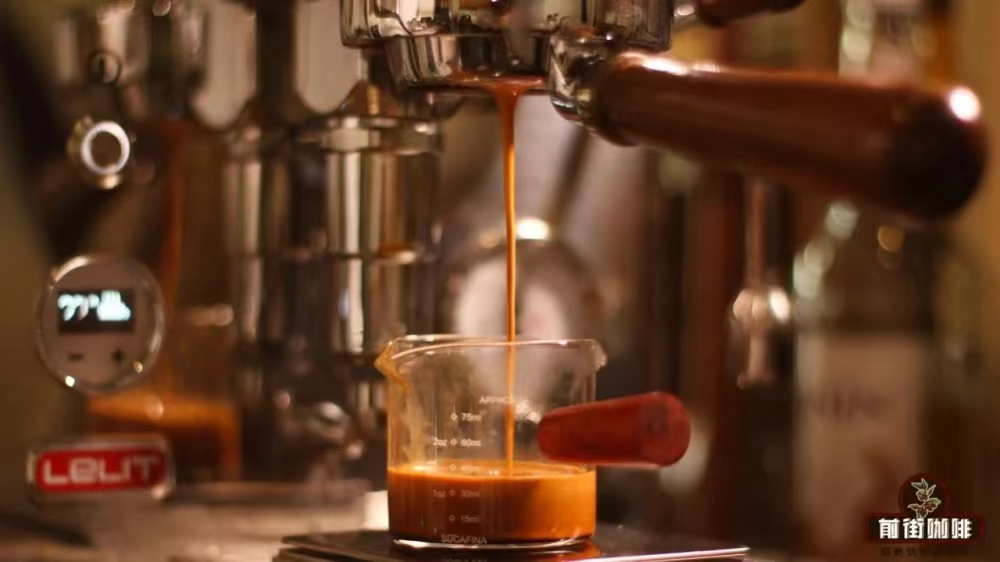
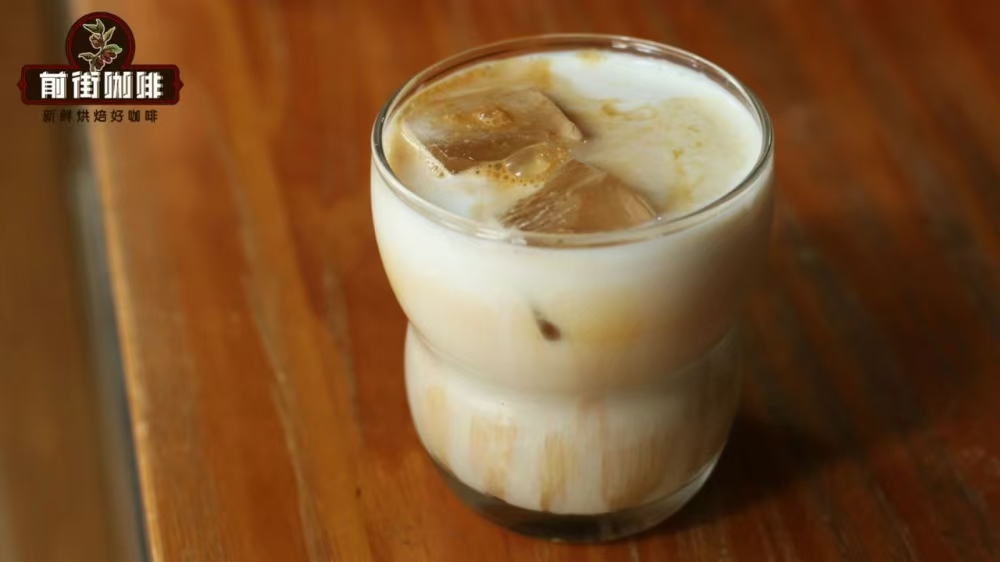
Making a Spanish Latte isn’t complicated. First, extract about 40 milliliters of espresso, then add 10 grams of condensed milk to the cup and stir well. Next, heat the fresh milk to 55–65 degrees Celsius—a temperature range that preserves the milk’s aroma and silky texture—then slowly pour it into the coffee. For a cold version, start by adding about 75 grams of ice cubes and 200 milliliters of iced milk to the cup, then pour the espresso mixed with condensed milk on top, and stir before enjoying.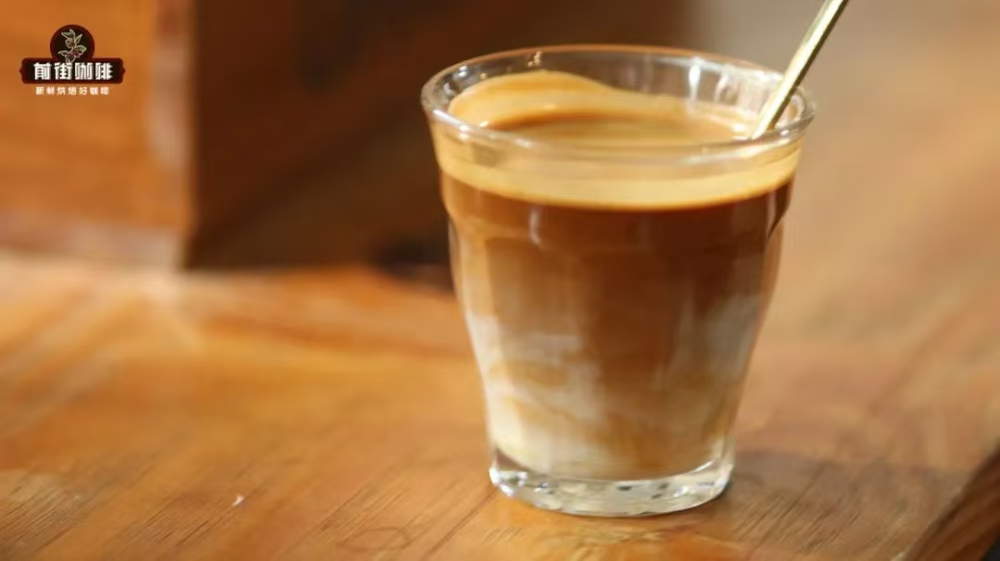

It’s worth noting that although both the Spanish Latte and Vietnamese drip coffee or Café Bombón use condensed milk, their overall flavors and mixing ratios differ in subtle ways. The Spanish Latte uses fresh milk as a buffer, which softens the sweetness of the condensed milk so it’s not overly cloying, while also enhancing the drink’s complexity. This combination evokes the sweet-and-bitter balance of Vietnamese drip coffee, but differences in coffee bean selection and brewing methods create a distinctly unique flavor profile.
When tasting it, since it’s made with house-roasted blends—commonly including sun-dried Ethiopian Red Cherry and Honduran sherry cask beans—the resulting espresso offers complex flavors like vanilla, cream, whisky, and berries. Paired with fresh milk, the texture resembles vanilla chocolate milk, and the added sweetness of the condensed milk makes the overall experience smoother and more layered. Whether hot or cold, this Spanish Latte delivers a rich yet smooth coffee experience, allowing you to enjoy not only the aroma of the coffee but also the perfect pairing of condensed milk and milk.
The above content is compiled by CoffeeHunters, a coffee news website.


