








Introduction:On a hot summer day, many people turn to a cup of coffee to perk themselves up, yet they often find iced Americano too bitter. This article takes an in-depth look at how to make iced latte—from its ingredients, step-by-step process, to adjusting ratios and mastering details—to guide you through crafting a smooth and flavorful iced latte. It also compares the characteristics of iced latte and iced Americano, helping coffee beginners find their ideal first choice and answering the common question: is iced latte too bitter?
During the peak of summer, if you’re looking for a refreshing yet energizing drink, iced latte is undoubtedly a top choice for many. But do you know how it’s made? Its basic composition is surprisingly simple—just three elements: espresso, milk, and ice. With the right ratio and proper steps, you can easily whip up a well-balanced iced latte.
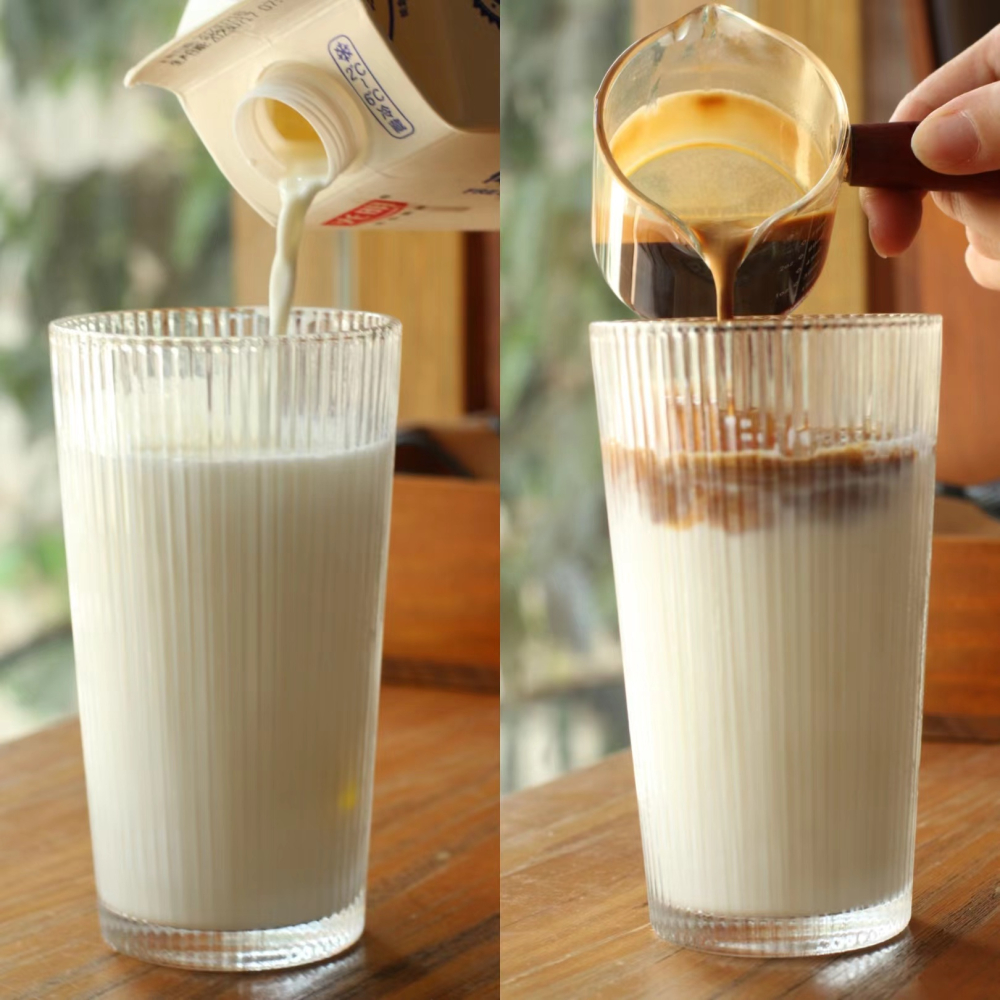
Basic Recipe for Iced LatteThe recipe includes 40 grams of espresso liquid, 150 milliliters of fresh milk, and about 75 grams of ice. This is a well-tasted and highly recommended reference proportion. First, place the prepared ice and milk into the cup, then proceed with the espresso extraction. This method not only keeps the drink cool but also prevents over-extraction due to high-temperature brewing, which can lead to unwanted bitterness.


When making espresso, it’s recommended to use a double-shot portafilter with around 20 grams of coffee grounds, extracted at a 1:2 ratio—that is, yielding 40 grams of espresso. The extraction time should be maintained between 26 to 32 seconds. This duration extracts the coffee’s aroma and sweetness fully without pushing into over-extraction, which can cause burnt or bitter notes. Under 20 seconds often results in a weak flavor, while exceeding 35 seconds tends to bring out unpleasant bitterness.

Before extraction, remember to dry the portafilter and grind the required amount of coffee beans evenly using a grinder. Place the coffee grounds on an electronic scale and measure precisely to 20 grams. Then, use a distribution tool to spread the grounds evenly, followed by leveling and tamping them with a tamper—pressing down vertically and uniformly to ensure stability during extraction. Though this step may seem simple, it significantly impacts the smoothness and flavor balance of the final brew.

Before starting the extraction, run water for 1 to 2 seconds to wet the group head, which helps clear any residual coffee grounds and maintain equipment cleanliness. Then, place the cup for collecting the espresso on the scale and tare it. Securely attach the portafilter to the group head and begin extraction. Once the scale shows 40 grams, stop the extraction immediately, then quickly pour the espresso into the cup already containing ice and milk. This sequence demands fluidity and speed to preserve the optimal flavors of the coffee.

To elevate your iced latte further, choosing the right coffee beans is essential.Espresso BlendsOften deliver rich aromas of nuts, chocolate, and toasted bread, with dark roast blends particularly enhancing the complexity of overall flavor. It’s recommended to opt for bold, oily blends that can boost the body and complement the sweetness of milk. For those who prefer a milder taste, medium roast blends can offer a smoother experience.
Aside from the coffee beans,the choice of milk is equally important.It’s advisable to use fresh whole milk with high protein content—not only does it improve milk foam stability, but it also makes the overall texture creamier and the aroma more pronounced. In practical testing, a combination of 40 grams of espresso with 150 milliliters of fresh milk has received widespread praise, though you can fine-tune the ratio based on personal taste to find your ideal flavor balance.

Lastly, keep in mind a few details that can affect the final result. For instance, whether the espresso extraction is even and free from channeling (where uneven water flow leads to over- or under-extraction in parts), as these factors directly impact the ultimate flavor of the iced latte. Additionally, it’s best to complete the entire process swiftly to prevent too much ice melt or a rise in milk temperature, both of which can alter the mouthfeel and flavor profile. Master these key points, and you’ll be able to enjoy a professional-grade iced latte at home with ease.

In summary, not only is the iced latte relatively easy to make, but its smooth, mellow character—without being overly intense—also makes it an excellent entry point for coffee beginners. In contrast, iced Americano, lacking the softening effect of milk, presents a more straightforward and often bitter flavor, which may pose a greater challenge for newcomers. If you’re just beginning your coffee journey, why not start with a homemade iced latte to experience the delightful harmony between coffee and milk?
The above content is compiled by CoffeeHunters, a coffee news website.


