








Introduction:Want to make a great-tasting iced latte at home? Though an iced latte may seem simple, it actually involves a lot of know-how — from selecting the right coffee beans and milk, to getting the ratio and steps just right. This article will guide you through how to choose the ideal coffee beans and milk, master the golden ratio of milk to coffee, and share key techniques during the brewing process, so you can easily make a well-layered, balanced-flavor iced latte.
An iced latte may look like just three simple steps — “add ice, pour milk, pour coffee” — but making a truly delicious version requires a deeper understanding of the ingredients and details. Even the most basic iced drink can showcase vastly different flavor profiles based on ingredient choices and ratio adjustments.

First and foremost, ingredient selection is key to determining the flavor quality of your iced latte. Many people assume that using a latte recipe alone will yield a similar taste, but in reality, differences in coffee beans and milk greatly affect the final texture and aroma. Especially across different cafés, even if they’re all called iced lattes, the flavors can vary widely — and that’s precisely because the base ingredients used are different.

The choice of coffee beans has a huge impact on the overall flavor direction of an iced latte. Generally speaking, common espresso blends bring out rich flavors of nuts and chocolate, while some highlight the sweetness and creamy texture of milk. For example, certain blend recipes emphasize caramel and vanilla notes, which pair excellently with milk and elevate the overall layered experience of the drink.

As for milk, there are over a dozen different brands and processing methods for common whole milk available on the market. Some have especially strong, rich milk flavors, while others are relatively light, with more noticeable watery characteristics. It’s recommended to choose a type of milk that complements rather than masks the coffee. Overly strong milk aromas can overpower the delicate flavors of the coffee, while overly light milk may make the entire drink taste thin and bland.
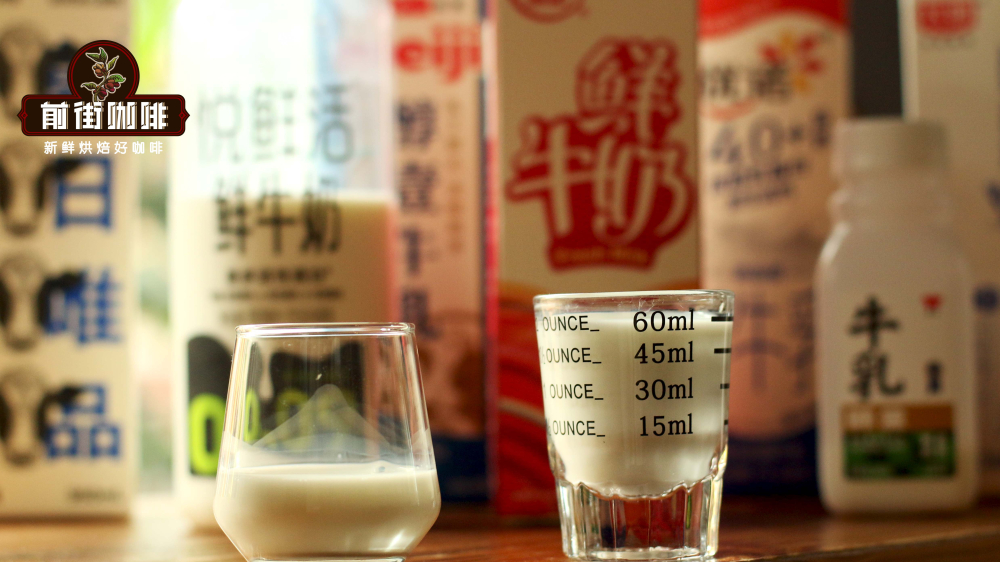
In terms of ratios, after actual testing and multiple adjustments, a commonly referenced combination is: 35 grams of espresso liquid, 250 milliliters of fresh milk, and 75 grams of ice cubes. This set of parameters is derived from real taste feedback and is not an absolute golden ratio, but it serves as a good starting point for beginners. Of course, users can also fine-tune according to personal preference — for example, those who prefer a stronger milk flavor can increase the proportion of milk. But be cautious: too much milk can easily mask the coffee flavor, and too many ice cubes may result in an overall diluted taste.
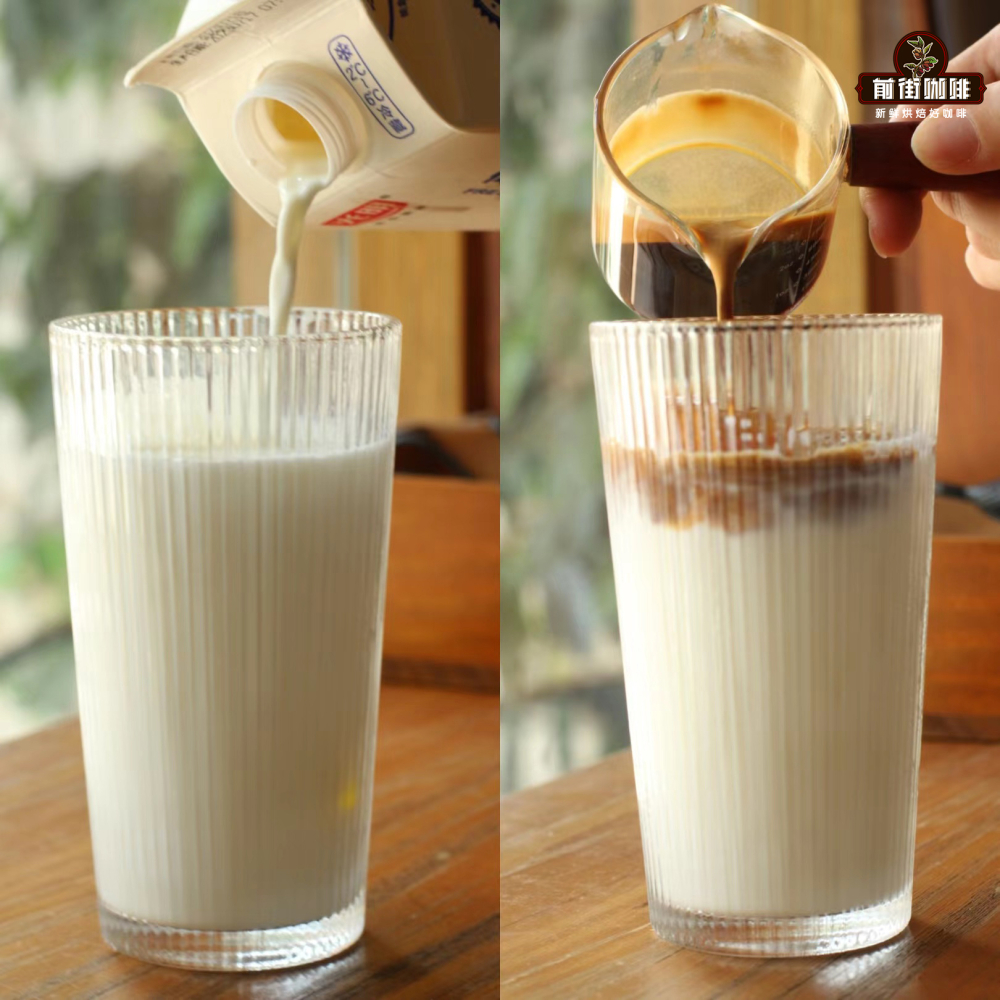
In practical operation, beyond ingredients and ratios, details are also crucial. The extraction quality of the espresso directly affects the final outcome of the iced latte. Common extraction issues such as channeling or improper time control can throw off the balance of coffee flavors. In addition, the process should be done quickly — try to minimize the time that ice and milk sit in the cup, and pour the coffee immediately after extraction to maintain the best texture and layering.

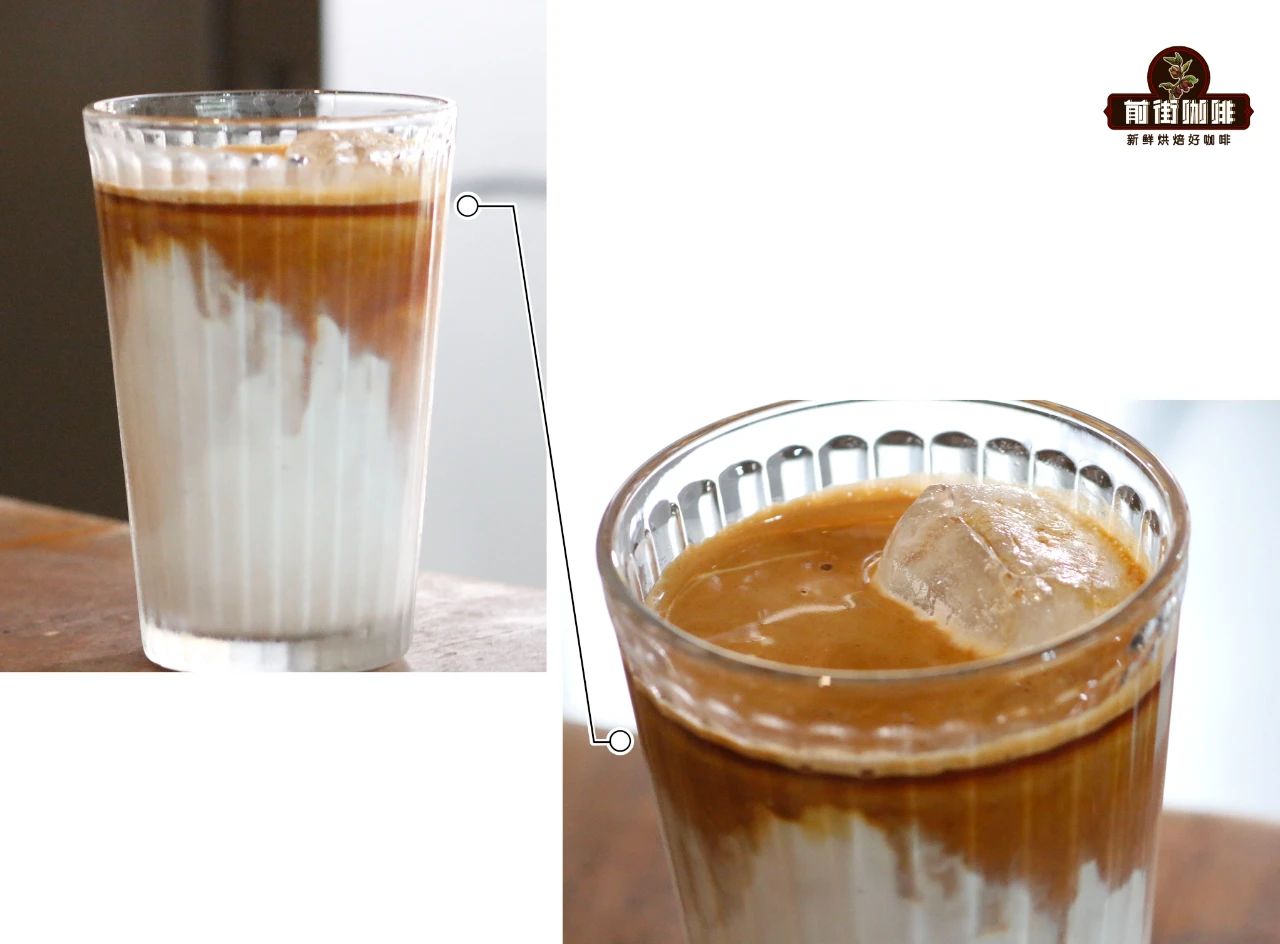
Additionally, freshly extracted espresso has a rich layer of crema on the surface. This crema not only impacts the aroma but also plays a role in how well the coffee and milk integrate. If left to sit for more than 30 seconds, the crema will noticeably diminish, affecting not only the visual gradient effect but also potentially resulting in a less rich coffee flavor and a monotonous overall drink. Therefore, it’s recommended to go from extraction to pouring into the cup in one smooth sequence to enjoy the best-flavored iced latte.
The above content is compiled by CoffeeHunters, a coffee news website.


