







Introduction:Caturra is a classic mutation of the Bourbon variety within the Arabica species. With its compact plant size, it is well-suited for dense planting and delivers outstanding flavor performance, making it one of the main cultivars in Central and North America as well as Central American coffee-growing regions. This article delves into the origins and evolution of Caturra, its varietal characteristics, and through practical examples, introduces the processing methods and optimal brewing techniques for Purple Caturra, guiding you from bean to cup to fully understand this cost-effective and flavorful coffee variety.
Caturra is an iconic natural mutation of the Bourbon variety within the Arabica species. Its most distinctive feature is its relatively short plant stature, allowing for high-density cultivation and the ability to thrive without shade, making it one of the economic pillars of coffee production in multiple Central American countries. This article will begin with the historical background and varietal traits of Caturra, and use a Purple Caturra from Colombia as an example to analyze its processing method and recommended brewing parameters, helping coffee enthusiasts gain a deeper understanding of this classic variety.
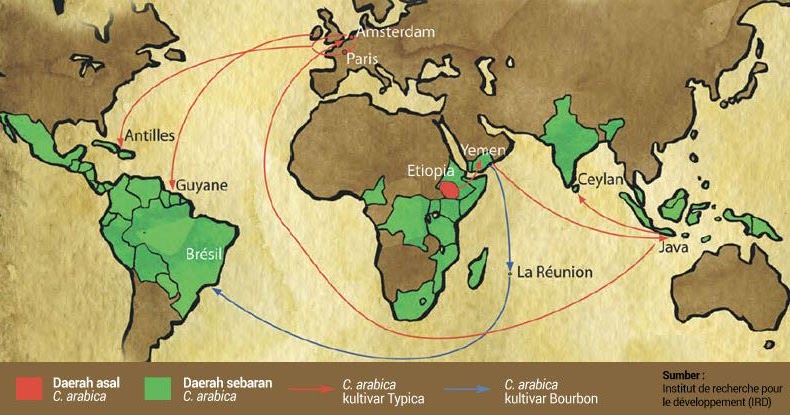
Caturra was first discovered in the early 20th century on plantations in the Brazilian state of Minas Gerais. Research indicates that this variety is a mutation of the traditional Bourbon variety, with genetic changes resulting in noticeably smaller tree size. Due to the reduced height, harvesting becomes more convenient for farmers, and the increased number of plants that can be grown per unit area leads to a significant boost in overall yield. The local indigenous people referred to it as “Caturra” in the Guaraní language, meaning “small,” and in some places it is also called “Nanico.”
Although Caturra was first discovered in Brazil, it did not receive official promotion there. Instead, it rapidly spread to various Central American countries by the mid-20th century. Starting in the 1940s, Caturra spread from Guatemala to Costa Rica, Honduras, and Panama, gradually becoming one of the dominant varieties in the region’s coffee cultivation. Even before 2008, Caturra accounted for nearly half of Colombia’s total coffee production, only slightly decreasing after the introduction of the leaf rust-resistant variety Castillo.
Another major advantage of Caturra is its high adaptability to environmental conditions. Generally, this variety thrives at altitudes between 700 and 1,700 meters, with higher altitudes often yielding better flavor profiles, though production may decrease accordingly. Additionally, Caturra is considered a so-called “sun-grown coffee,” meaning it does not require the protection of shade trees and can grow healthily even under direct sunlight. However, like its ancestor the Bourbon variety, Caturra also faces the issue of biennial yield fluctuations.
When it comes to the flavor profile of Caturra, its characteristics vary depending on the region and processing method, but overall, common flavor notes include bright acidity, citrus tones, red berry aromas, and moderate body. Many renowned specialty coffees, such as Panama’s Geisha, Colombia’s Rosas del Ecuador, Costa Rica’s Blueberry Estate series, as well as several popular beans from Honduras and Guatemala, list Caturra as part of their blend, highlighting its widespread presence.
Below, we take a Purple Caturra from the Huila region of Colombia as an example to deeply explore its regional background, processing techniques, and recommended brewing solutions.
This coffee bean is produced in the Huila province of Colombia. In recent years, the region has not only improved cultivation standards through collaboration with the National Federation of Coffee Growers but has also made significant progress in anaerobic and specialty processing methods, gradually establishing Huila coffee on the international market.
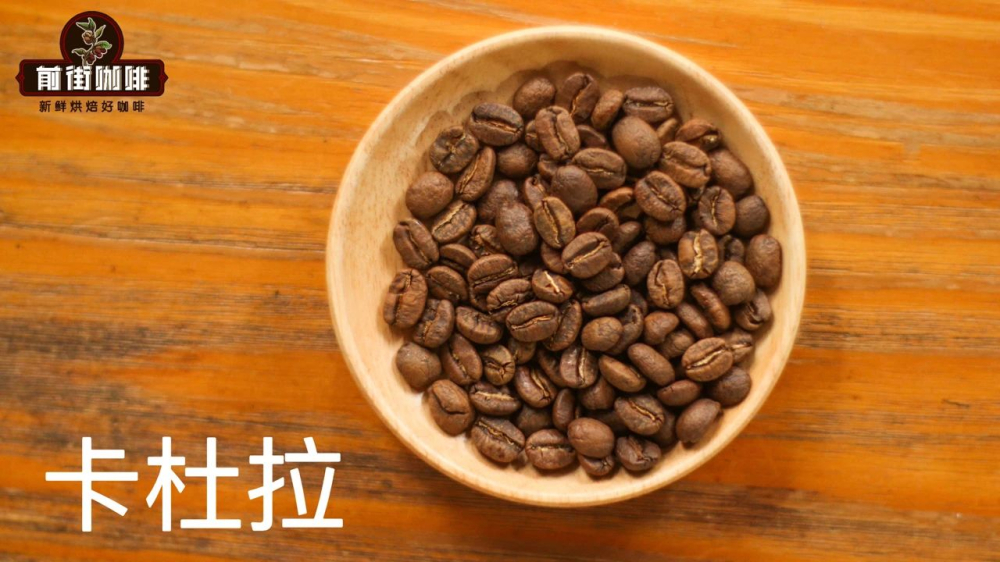
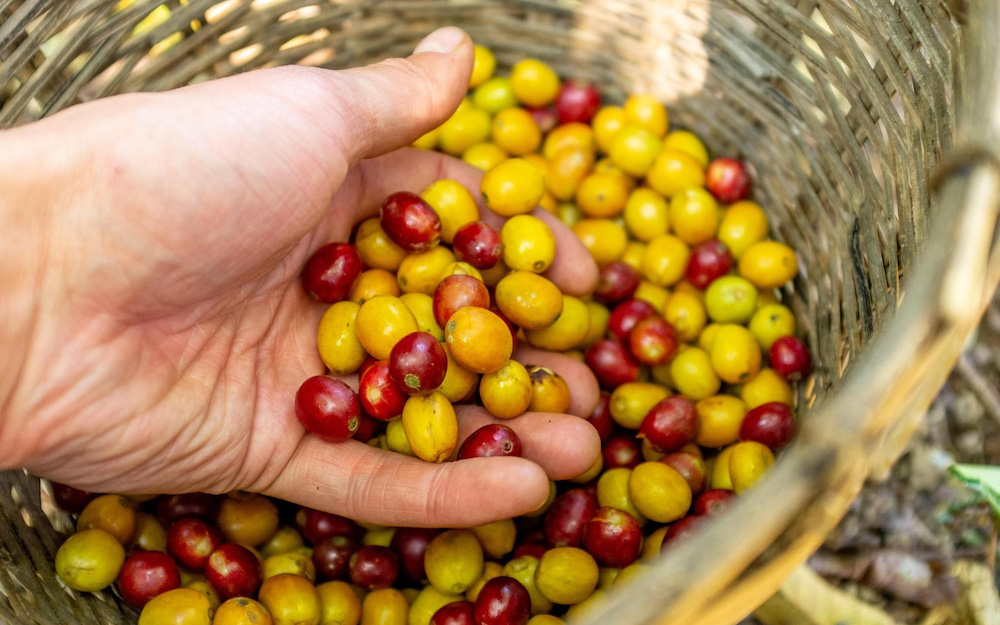
This batch of Purple Caturra comes from Finca Mont Blanc. Managed by owner Rodrigo Sanchez Valencia, this mountainous coffee farm spans approximately 18 hectares, situated atop hills around the city of Pitalito. The farm is equipped with complete wet processing and drying facilities, enabling precise quality control at every stage. Notably, this Purple Caturra is a rare mutation selected from over 20,000 coffee trees, with its top young leaves exhibiting a copper-purple hue and mature fruits appearing deep purple. It not only has a unique appearance but also possesses higher sugar content and disease resistance. It is understood that this variety survived the major leaf rust epidemic in 2012, demonstrating its strong resilience.
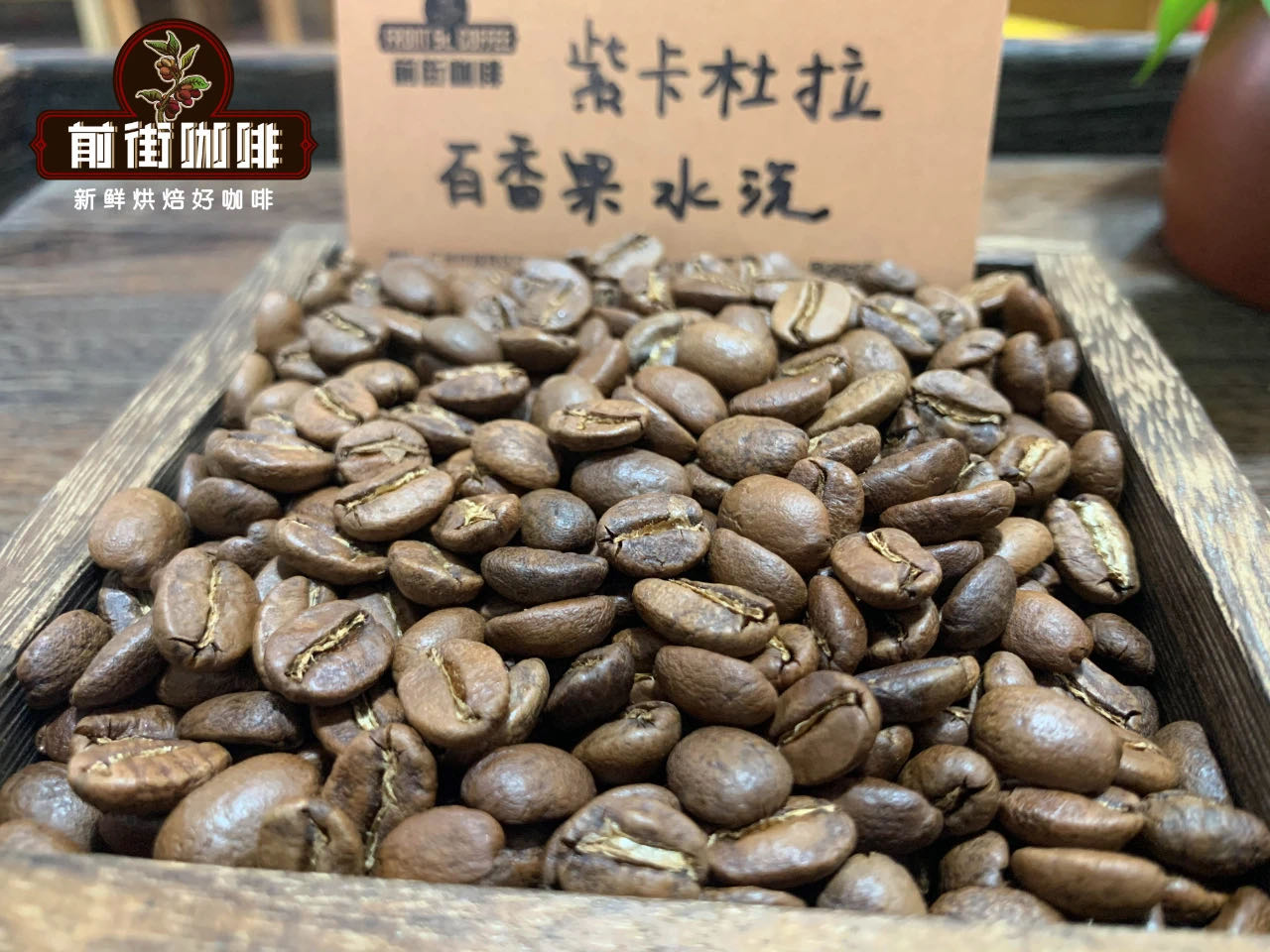
This Purple Caturra was processed using a passion fruit enzyme anaerobic washed method. Before processing, the farm first tests the Brix level of the coffee cherries, and when the sugar content is between 24 and 27 degrees, a washed process combined with fruit fermentation is chosen. The processing steps include removing the pulp and flesh, then fermenting the parchment coffee together with passion fruit in the initial stage. The high-sugar environment of the fruit fosters specific microbial strains, followed by sealed anaerobic fermentation for 28 to 2 hours. After fermentation, the beans are thoroughly rinsed with clean water, then dried using a solar dryer and shaded raised beds to ensure a rich and stable flavor profile.
For this passion fruit enzyme washed Purple Caturra, it is recommended to use a V60 dripper for pour over. Specific parameters are as follows: water temperature controlled at 90–91°C, coffee dosage around 15 grams, coffee-to-water ratio of 1:15, and grind size recommended as EK43s#10 (approximately 80% passing through a Chinese standard 20-mesh sieve). The brewing technique can follow the classic three-pour method: start with a 30-second bloom using 30 grams of water, then pour in a small circular motion until reaching 125 grams for the first pour, wait until the water level drops just before exposing the coffee bed, then pour again to 225 grams before stopping, and finally wait until the water level drops again just before exposing the coffee bed before removing the dripper. The total extraction time is approximately 2 minutes.
This brewing method fully highlights the unique flavors of Purple Caturra: during grinding, a rich raisin aroma can be detected, and after pouring water, clear floral and fruity notes emerge. Upon tasting, the distinct passion fruit acidity harmonizes with a gentle grape-like tartness, while the finish offers a honey-like sweetness. The overall flavor profile is layered, with a long-lasting and memorable aftertaste.
The above content is compiled by CoffeeHunters, a coffee news website.


