







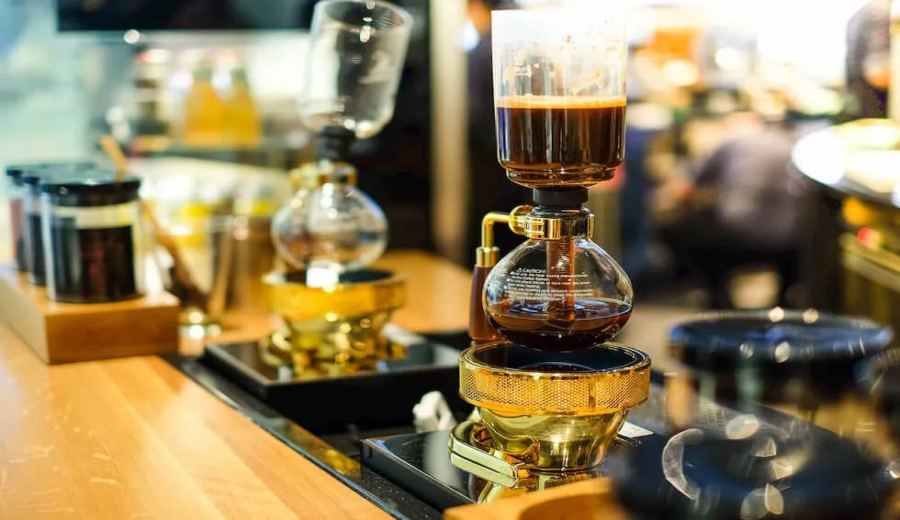
Introduction:The siphon (vacuum) pot, with its unique visual effects and brewing method, has become one of the go-to devices for many coffee enthusiasts. Whether you prefer rich and bold flavors or bright and fruity notes, as long as you choose the right coffee beans and master the correct siphon brewing techniques, you can brew a cup of coffee with standout flavor. This article will provide a detailed explanation of the structure and principle of the siphon pot, its operation process, suitable bean selection, and practical parameter recommendations to help you progress from beginner to advanced.
The appearance of the siphon pot is often compared to laboratory glassware. Its distinctive design not only gives off a scientific vibe but also embodies a unique logic for coffee extraction. This device, which uses pressure differences to move the coffee liquid upward and then back down, can deliver a cup of coffee with both layered complexity and full body. As long as you pick the right coffee beans and get familiar with the operational details, you can use the siphon pot to brew an impressive cup of black coffee.
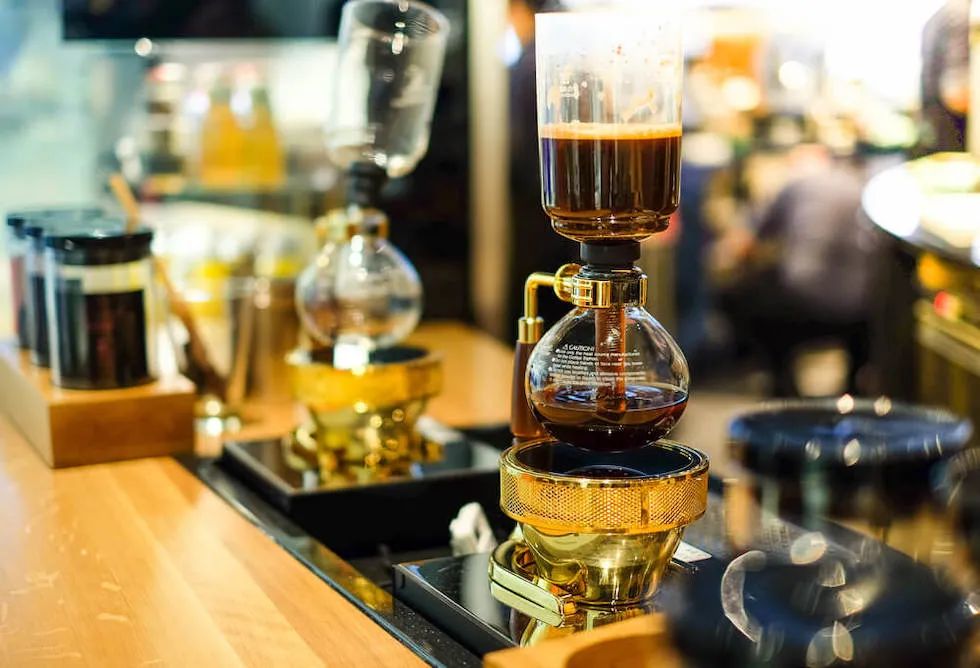
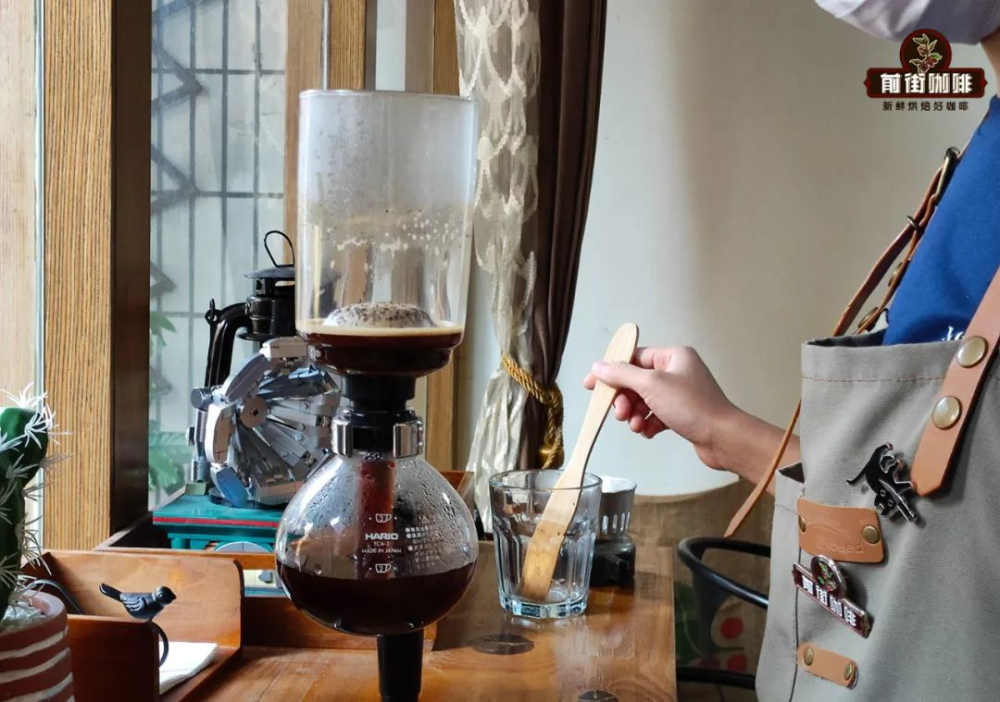
The siphon pot mainly consists of three main components: the upper chamber, the lower chamber, and the support stand. The lower chamber typically has a spherical shape that allows for even heating, while the upper chamber is cylindrical with a narrowed bottom and a slender tube, equipped with a heat-resistant gasket at the tube to ensure a tight seal between the upper and lower chambers during heating. When the lower chamber is heated, the water turns into steam, creating pressure that pushes the water up into the upper chamber to mix with the coffee grounds. Once the heat source is removed, the change in pressure causes the extracted coffee liquid to return to the lower chamber. The entire process is both ceremonial and technical.
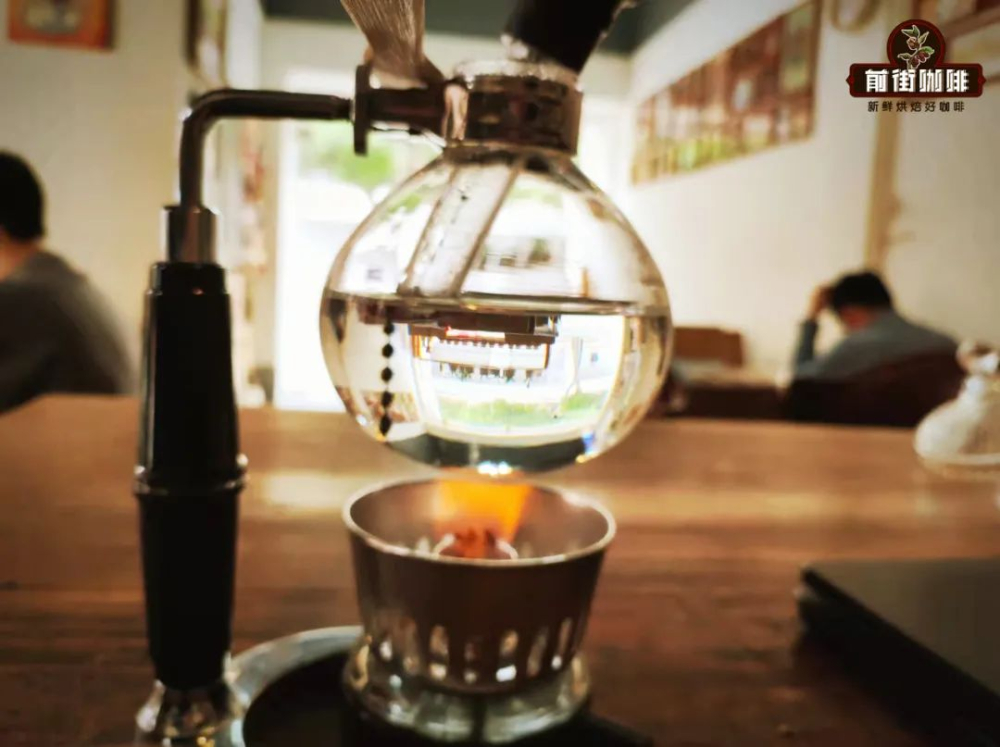
For heating tools, you can choose an alcohol lamp, gas stove, or halogen lamp, with the alcohol lamp often favored for home or small shop use due to its safety and ease of temperature control. The filtration methods include cloth (flannel) and paper — flannel retains more coffee oils, resulting in a smoother and richer mouthfeel, though it requires more effort to clean. Paper filters can remove finer impurities and oils, yielding a cleaner-tasting cup, ideal for those who prefer a lighter-bodied brew. In addition, the filter beads that come with the siphon pot not only prevent sudden boiling but can also help judge the water temperature through the surrounding bubbles — a small detail that should not be overlooked.
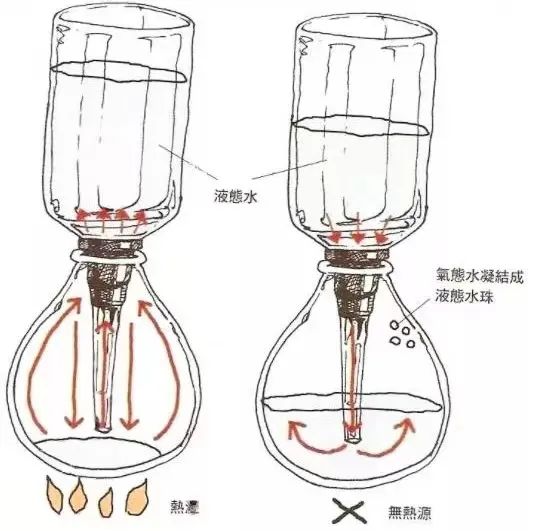
The core principle of siphon pot extraction lies in the use of pressure differentials. Heating the lower chamber causes the water to boil, and the steam pressure pushes the water up through the tube into the upper chamber where it mixes with the coffee grounds. After a period of immersion and stirring, the heat source is removed, causing the pressure to drop and prompting the brewed coffee liquid to naturally flow back down into the lower chamber, completing the extraction. The whole process takes about one minute and ten seconds to one minute and thirty seconds. Precisely managing each step and timing is key to influencing the final flavor.
In practice, it is recommended to control the water temperature at 88°C, with a grind size of approximately 90% passing through a #20 sieve — slightly coarser than medium-fine. The coffee dosage is set at 18 grams, paired with 180 milliliters of water, resulting in a coffee-to-water ratio of 1:10. This setup helps balance flavor and extraction rate. The specific process is as follows: first, pour warm water into the lower chamber, dry the outer wall, and ignite the heat source. Next, install the upper chamber and filter cloth. When fine bubbles begin to appear in the lower chamber, straighten the upper chamber to allow the water to rise to the top. After adding the coffee grounds, stir quickly in a clockwise direction from the outside toward the center for about 10 seconds to evenly blend the coffee and water. Around 40 seconds later, gently stir again for 5 seconds, then remove the heat source. You may also use a damp cloth to accelerate the return flow of the coffee liquid. The whole process requires good timing and attention to detail.
In the past, many people using the siphon pot preferred medium to dark roasted beans to achieve a bold and well-structured mouthfeel. Common choices included Brazilian, Indonesian, or certain Central American beans. However, with the rise of specialty coffee trends, the siphon pot can also showcase a wide range of flavors. As long as you understand the characteristics of the beans and adjust the appropriate parameters, it can also bring out bright fruity notes or layers of fermentation.
If you prefer a bright, tangy sweetness reminiscent of tropical fruits, try a naturally processed Yirgacheffe Red Cherry. This bean is sun-dried, preserving the full sugars of the fruit pulp, and exhibits distinct berry tones and fermented tea-like aromas. When brewed via siphon, the acidity becomes softer, and the flavor resembles fruit tea, with almost no noticeable bitterness — perfect for those who enjoy a refreshing taste.
For readers interested in rich fruitiness and fermentation notes, consider a Costa Rican Mozart. This bean is honey-processed with raisin notes, featuring high fermentation levels and pronounced sweetness. Brewing it with the siphon method brings out a full-bodied tropical fruit profile, with balanced acidity and sweetness, a round mouthfeel, rich layers, and a long-lasting aftertaste.
If you want to experience a floral and fruity siphon-brewed coffee, a natural-processed Huaguai is an excellent choice. Originating from the Guji Hambela region of Ethiopia, this bean, when medium-light roasted, fully showcases citrus and creamy strawberry aromas. It suits consumers who enjoy bright acidity and fresh floral notes, offering a unique siphon brewing experience.
The above content is compiled by CoffeeHunters, a coffee news website.


