







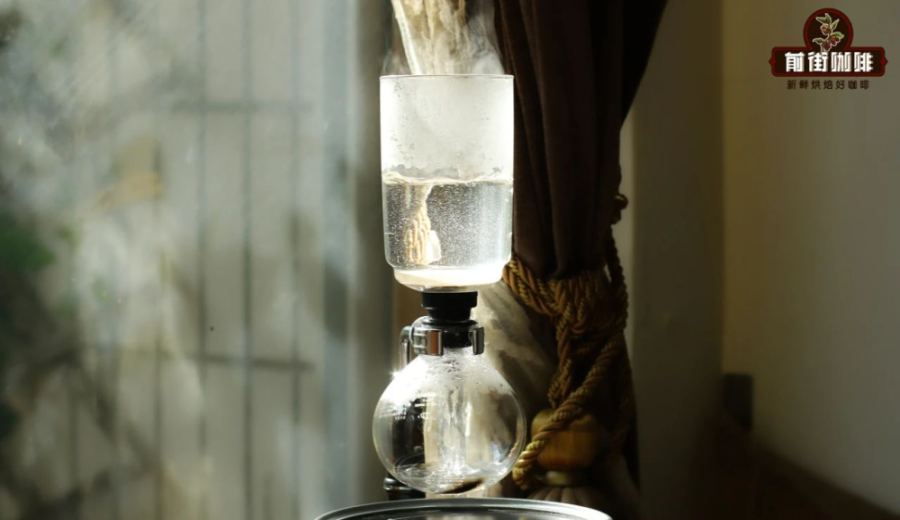
Introduction:Although siphon brewers are no longer mainstream, their unique extraction method and rich flavor still attract many coffee enthusiasts to try it themselves. This article delves into the structure of the siphon brewer, filter material selection, heating methods, grind size and coffee-to-water ratio, and details every step of the operation and precautions to help beginners get started quickly and allow experienced users to refine their techniques, taking you on an exploration of the brewing mysteries of siphon coffee.
The siphon coffee maker is a classic brewing device that combines scientific principles with craftsmanship. Although most coffee shops rarely offer it nowadays, it still has a steady following among coffee enthusiasts. This article will give you a comprehensive understanding of how a siphon brewer works, from its structure, filter material selection, and heat source pairing, to grind size, coffee-to-water ratio, and operation steps—analyzing key parameters one by one. Whether you're a beginner or an advanced user, you can gain practical guidance from it.
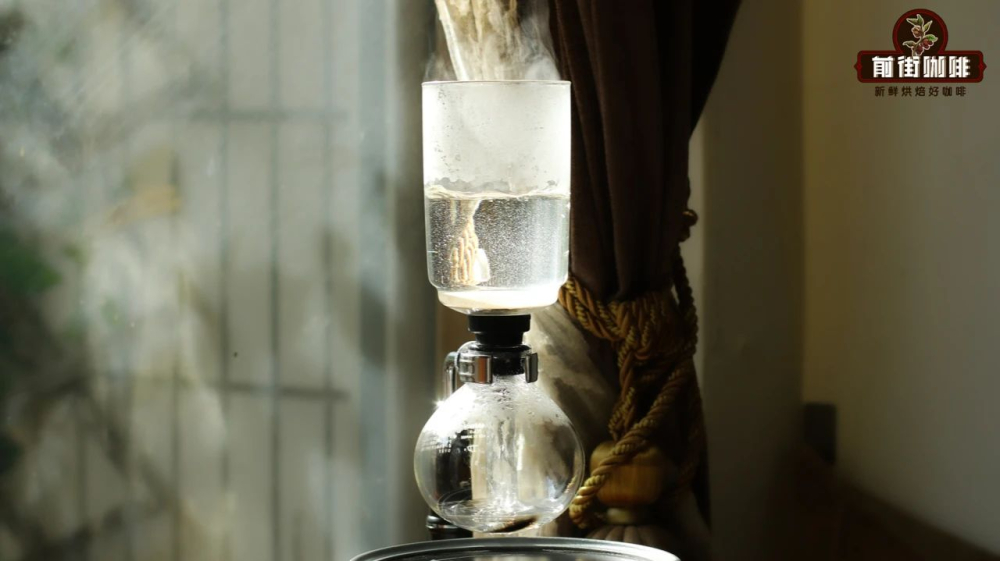 To this day, the design and operation of the siphon brewer still carry a strong vintage charm. Many coffee shops, due to efficiency considerations, only offer it as a specialty item rather than a daily option. However, if you’re eager to replicate that unique coffee flavor at home, the siphon brewer is undoubtedly a worthwhile investment. This article will guide you through every detail of siphon coffee in an easy-to-understand way.
Basic Structure of the Siphon Brewer
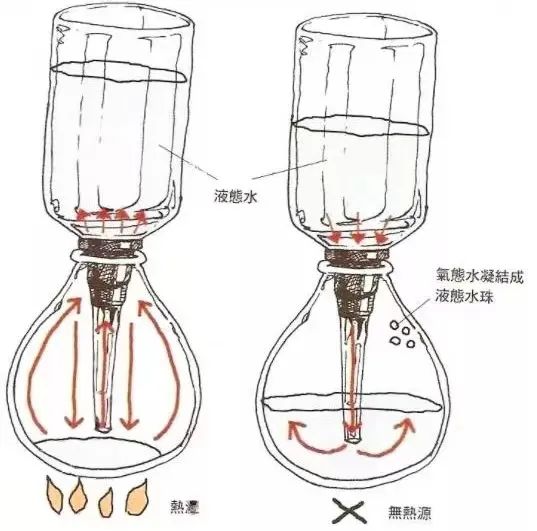
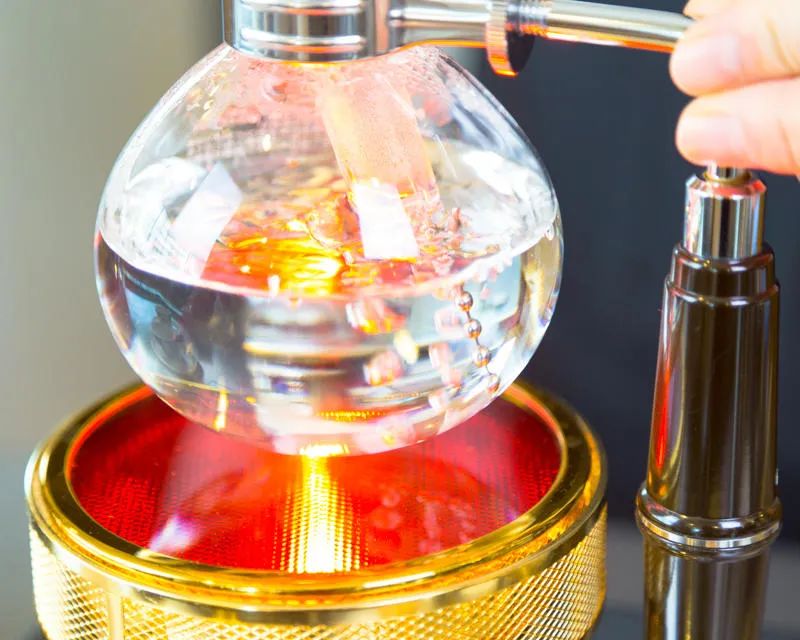
The siphon brewer mainly consists of three components: the upper chamber, the lower chamber, and the stand. The lower chamber is usually spherical in design, which helps distribute heat evenly during heating; the upper chamber is cylindrical, narrowing at the bottom and connected to a slender tube, with a heat-resistant rubber gasket at the narrow section. When the upper chamber is placed on top of the lower chamber, the gasket forms a sealed space. Once heated, the water in the lower chamber is pushed up to the upper chamber by steam pressure, fully interacting with the coffee grounds; once the heat source is removed, the brewed coffee liquid flows back down through the tube into the lower chamber, completing the entire process.

Filter Material Selection: Cloth or Paper?
To prevent coffee grounds from affecting the taste, siphon brewing requires the use of a filter. Common options include cloth filters (such as flannel) and round paper filters. Flannel is a traditional material, with the advantage of retaining more coffee oils, resulting in a richer and fuller flavor, but it requires more effort to clean and maintain; paper filters provide more thorough filtration, removing more fine impurities, including some oils, making them suitable for those who prefer a cleaner taste. If you occasionally brew at home and value flavor complexity, it’s recommended to prioritize a flannel filter.
Types of Heat Sources and Selection Recommendations
Common heating methods for siphon brewers include gas stoves, microwave ovens, and alcohol lamps. Gas stoves and microwave ovens both allow for precise control of heat, with quick and stable temperature increases, but they have higher costs and equipment requirements; alcohol lamps are more affordable, but have fluctuating heat and longer heating times. Regardless of which heat source you choose, the key is to familiarize yourself with its characteristics and adjust your technique accordingly. If conditions allow, a gas stove or microwave oven can provide a more stable brewing environment.
Coffee Grounds Addition Timing: Before or After Water Rises?
In the siphon brewing process, there are two schools of thought regarding when to add the coffee grounds: one is to add the coffee grounds before the water has fully risen into the upper chamber, and the other is to add them after the water has completely entered the upper chamber. The former may cause some coffee grounds to come into contact with hot water prematurely, leading to uneven extraction, while the latter allows for more precise control of the start of extraction. For beginners, it is recommended to adopt the post-addition method to reduce variables and make it easier to manage.
Grind Size and Coffee-to-Water Ratio Settings
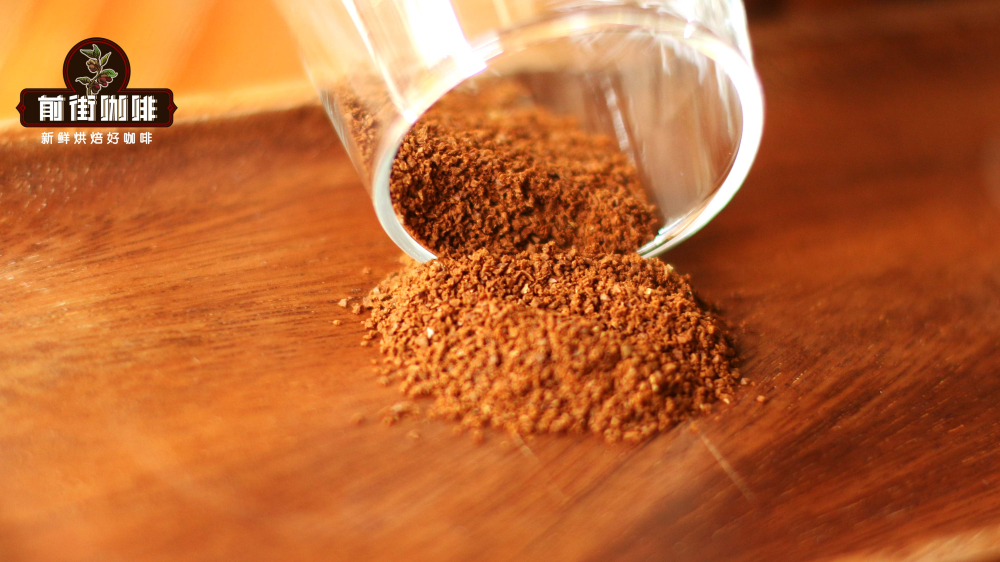
The grind size for siphon coffee should be finer than for pour over, generally recommended to use a 20-mesh sieve with about a 90% passing rate; for example, with an EK43s grinder, this corresponds to setting 9; when using a C40 hand grinder, it is recommended to set it to level 20. As for the coffee-to-water ratio, the common range is 1:10 to 1:12, with 1:12 being the golden ratio adopted by many. For a single serving, 18 grams of coffee grounds with 200 milliliters of water is a practical and easy-to-control benchmark.
Stirring Techniques and Key Operational Points
During siphon brewing, there are various stirring methods, including circular, cross, Z-shaped, infinity (∞), and tapping. For beginners, the tapping method is the easiest to master. The specific operation is: using the center of the stirring stick as the axis, tap the coffee grounds layer lightly at both ends in an offset manner to ensure even saturation and settling. This method is simple to learn and helps control the uniformity of extraction.
Brewing Time and When to Turn Off the Heat
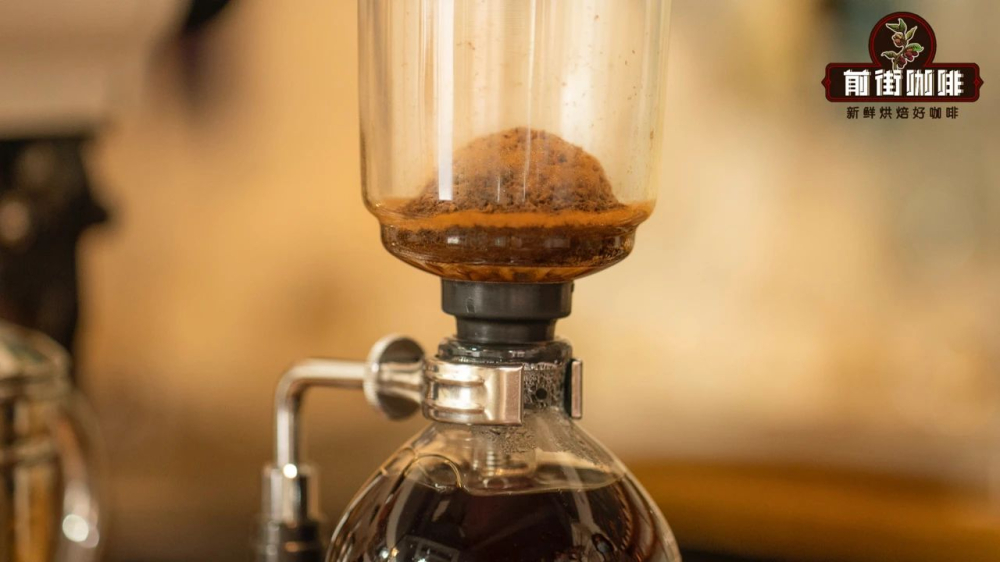
The recommended brewing time for siphon coffee is between 50 and 70 seconds. If using the post-addition method, timing should start when the coffee grounds are added; if using the pre-addition method, timing starts from the first stir. Mastering the right moment to turn off the heat is quite important—beginners are advised to use a timer to avoid over-extraction or under-extraction. Additionally, changes in aroma can also serve as an auxiliary judgment, though this requires experience to develop.
Complete Siphon Coffee Operation Process
Below is a commonly used siphon brewing procedure, reorganized with a practical focus:
- First, pour about 200 milliliters of hot water into the lower chamber, dry the exterior, and then start the heat source.
- Insert the upper chamber diagonally into the lower chamber, ensuring the bottom anti-explosion bead contacts the base of the lower chamber.
- When continuous droplets appear in the lower chamber, it indicates that the vacuum effect has begun to take effect. At this point, straighten the upper chamber and press it down firmly, waiting for the water to rise completely.
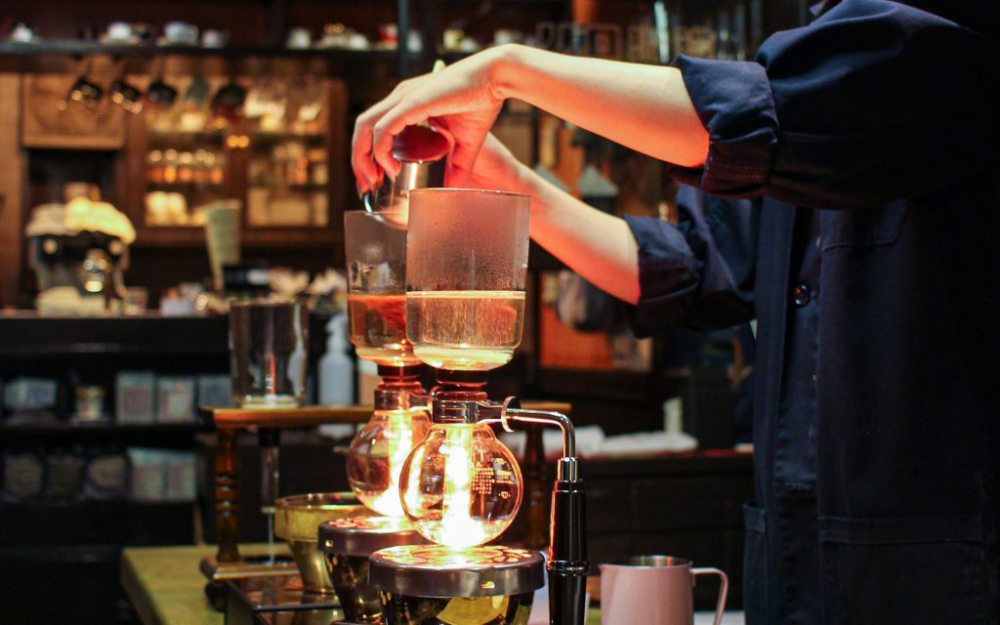
- Once the water has fully entered the upper chamber, add the coffee grounds and immediately start the timer. In the first stage, use the tapping method to press the coffee grounds into the water to ensure even absorption.
- At around 25 seconds, perform a second stir to clearly separate the coffee liquid into three layers: liquid, powder, and foam.
- At 50 seconds, stir again in the same direction, and turn off the heat at around 60 seconds, then wait quietly as the coffee liquid slowly flows back into the lower chamber.
Through the above steps, you will be able to brew a pot of siphon coffee with rich aroma and full-bodied taste. Although its operation is more complicated than pour over and requires cleaning the filter and equipment afterward, that unique layered flavor and immersive experience are exactly what many coffee lovers cherish.
The above content is compiled by CoffeeHunters, a coffee news website.


