







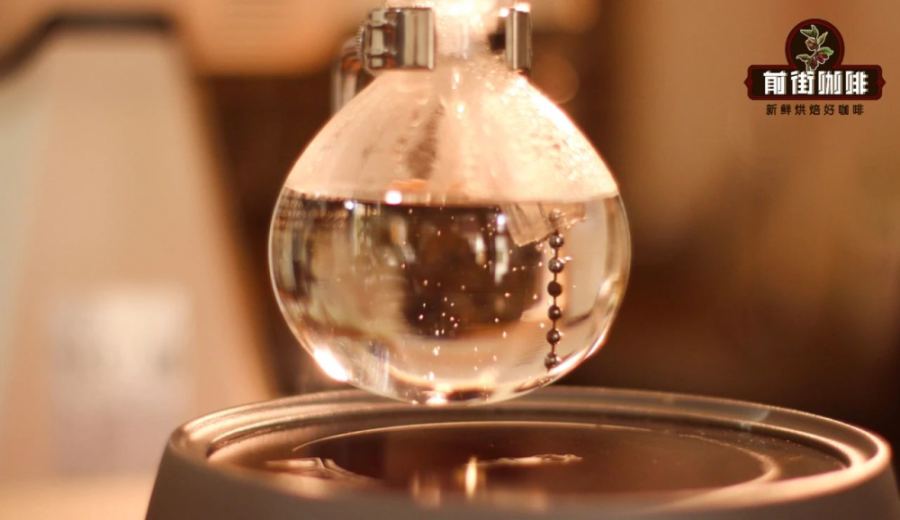
Introduction:The siphon brewing process is full of dramatic tension, not only a clever combination of chemistry and physics, but also capable of extracting coffee that is rich and concentrated in aroma. This article delves into the working principles of the siphon, helping you understand its unique flavor profile, and selects a variety of coffee beans suitable for different needs—from beginners to advanced users, and even those who prefer bold and intense flavors—to help you master the art of selecting beans and brewing techniques for siphon coffee.
When you walk into a café and see a barista skillfully manipulating two transparent glass flasks, moving up and down with precision that resembles a scientific experiment, it’s very likely they’re performing siphon extraction. This brewing method is not only highly visual, but also uses the steam pressure generated by heating to push hot water from the lower chamber up into the upper chamber where it meets the coffee grounds. Once the heat is turned off and the temperature gradually drops, a vacuum is created that draws the brewed coffee back down into the lower chamber through a tube, resulting in a cup of coffee with a full body and intense aroma.
However, one of the most common challenges people face when using a siphon for the first time is “which coffee beans should I choose?” An improper bean selection can easily lead to an overly bitter or noticeably sour and astringent cup, ruining the rich character that siphon coffee is known for. Therefore, understanding how the siphon works and the flavor profiles it’s suited for becomes key to successful brewing.
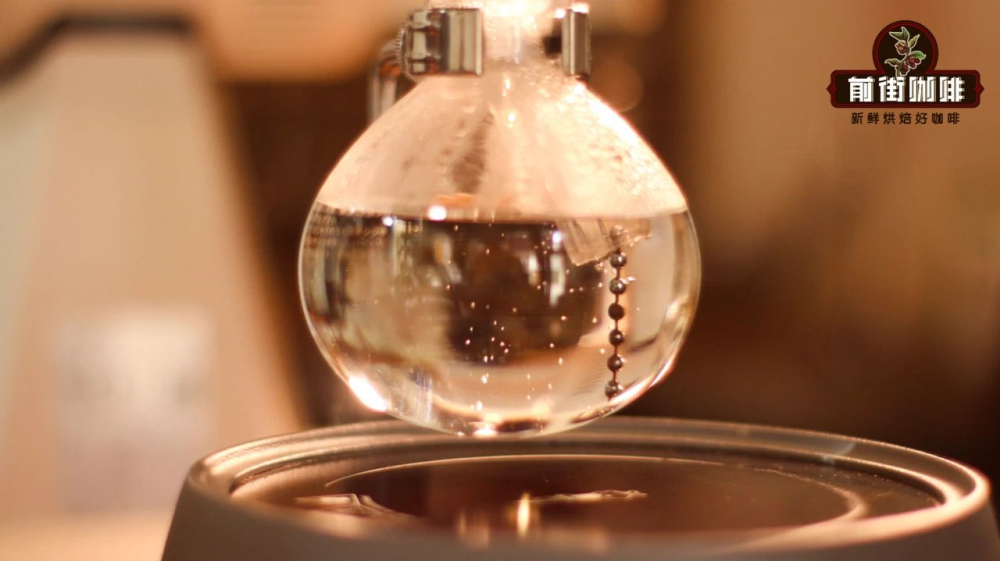
In English, the siphon is referred to as a “Siphon,” and sometimes also called a vacuum pot. Its operation is based on thermal expansion and contraction along with pressure differences: first, the water in the lower chamber is heated, causing steam to form and push the water level up into the upper chamber, where it mixes thoroughly with the pre-placed coffee grounds. When the heating stops and the temperature gradually cools, a vacuum forms in the upper chamber, causing the brewed coffee to be drawn back down into the lower chamber through the central tube. The entire process is not only visually interesting but also fully demonstrates the wonders of the siphon effect.
Compared to the clarity and layered characteristics of pour over coffee, coffee brewed with a siphon typically has a richer, fuller body with concentrated and long-lasting aroma. This type of coffee often provides a solid, rounded mouthfeel, making it ideal for coffee lovers who enjoy strong flavors and intense aromatic experiences.
To fully bring out the unique extraction characteristics of the siphon, it’s recommended to choose single-origin coffee beans with relatively balanced acidity and bitterness—nothing too extreme. This not only showcases the inherent flavor profile of the beans but also helps avoid unpleasant bitterness or overly sharp acidity caused by improper roasting or overly distinctive bean characteristics.

For those new to the siphon, it’s suggested to start with an “entry-level” option, such as a certain brand’s Bird of Paradise coffee beans. These beans are medium roasted, with a clear flavor profile featuring notes of nuts, cream, dark cocoa, and the sweetness of sugarcane. They are suitable for various brewing methods, including pour over, moka pot, French press, and, of course, they can also showcase the unique charm of the siphon. With a well-balanced flavor, these beans won’t become unpleasant under the high-temperature extraction of the siphon, making them an ideal choice for beginners.
If you wish to further explore the layered complexity and aromatic potential of siphon coffee, consider trying beans with rich floral and fruity profiles, such as Strawberry Candy and Sidamo. These two types of beans, when extracted at high temperatures, can release intense fruit aromas like passionfruit, grapes, berries, and apricots, offering drinkers a vibrant and lively taste experience. Especially for those who are less tolerant of bitterness and prefer fruity profiles, these beans can fully demonstrate the siphon’s strengths in aroma expression.
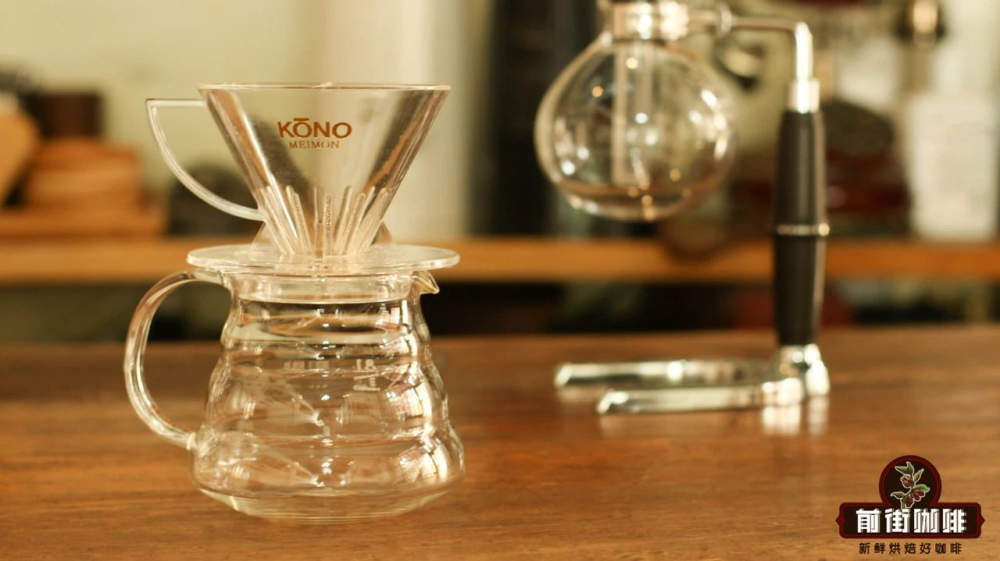
For those who prefer a rich, bold flavor close to that of black coffee, a certain brand’s PWN Golden Mandheling is the top choice. This renowned specialty coffee from Asia undergoes a rigorous selection process during the green bean stage, including three manual sorts and one machine sort, ensuring uniform bean size and stable quality. After medium-dark roasting, its flavors showcase intense notes of spices, caramel, cedar, and dark chocolate, with a full body and long-lasting aftertaste. It’s extremely well-suited for siphon extraction, which brings out its deep and layered aromas and tastes. It’s also a great option for coffee lovers who don’t enjoy prominent acidity.
In summary, the siphon is not just a brewing tool, but also a culinary art capable of showcasing the multifaceted flavors of coffee. By understanding its working principles and flavor expressions, and by selecting the right coffee beans, you’ll be able to easily recreate a café-quality siphon coffee experience at home.
The above content is compiled by CoffeeHunters, a coffee news website.


