







Introduction:Many coffee enthusiasts are curious about SOE (Single Origin Espresso) but also wonder if it’s truly superior to traditional blended coffee. This article delves into the core differences between SOE and espresso blends in terms of roasting, extraction, and flavor profile, explains why SOE tends to be more expensive, and provides practical extraction parameters along with four specialty coffee bean recommendations ideal for making SOE—helping you better understand the characteristics and selection tips of this coffee category.
Many friends who enjoy specialty coffee often ask: why do some cafés feature SOE (Single Origin Espresso) on their menus, yet rarely serve it as their main offering? The reason actually lies in the stability, flavor variability, and cost control associated with SOE. SOE is an espresso made from single-origin beans that can showcase unique regional characteristics. However, slight variations due to weather, processing methods, or roasting details can lead to slight differences in extraction results between batches, making it less stable than traditional blends.
So, what exactly is SOE coffee? Simply put, SOE stands for “single-origin espresso,” which means using coffee beans from a single origin, estate, or processing method, extracted under high pressure through an espresso machine. Compared to common dark-roasted blends that emphasize a rich, balanced bitterness and sweetness, SOE focuses more on highlighting the unique personality of its origin—such as bright acidity, fruity or floral notes—which are already quite prominent in pour-over brewing, but become even more concentrated and intense under high-pressure espresso extraction.
To brew a high-quality SOE, there are several key points to note. First, since SOE typically uses medium to light roasting to preserve regional characteristics, it has a higher density and slower water absorption rate compared to traditional dark-roast blends. As a result, extraction requires more precise adjustments, such as extending brew time slightly, using a finer grind, and sometimes increasing coffee dose to ensure sufficient extraction yield. Second, because SOE itself has a vivid flavor profile, when paired with milk or water, it’s advisable to adjust proportions appropriately to avoid having additives mask the coffee’s layers and subtleties.
Additionally, it’s important to note that SOE demands a higher overall quality of beans. The unique flavor traits of a single origin can be amplified, meaning the strengths become more prominent, but flaws are equally exposed. From roast profiles and grind size to extraction parameters, every step can influence the final flavor outcome, thus requiring more careful control of the entire process.
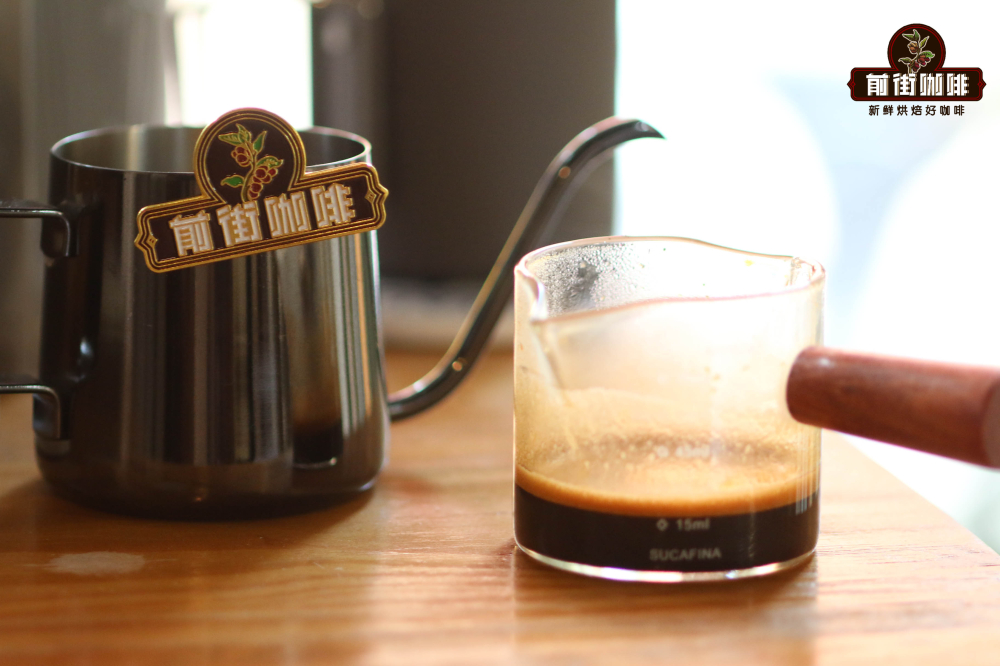
Taking a real-world example, one café once used yellow Bourbon beans from Brazil’s Queen Estate to make SOE. The specific parameters were: 20 grams of coffee grounds, extracting 40 ml of espresso, with a total brew time of about 27 seconds, using a Galileo Q18 grinder set to a 2.0 fineness level. Under these settings, the beans exhibited pronounced chocolate, cream, and nutty aromas, with a rich mouthfeel, moderate bitterness, and relatively high acidity—delivering a bold and layered profile overall.
So, why is SOE often more expensive than regular blends? Traditional espresso blends mostly use beans from different origins, processed with dark roasts to highlight consistent flavors like caramel, dark chocolate, and nuts. These beans are usually more affordable, highly stable, and suitable for large-scale use. In contrast, SOE emphasizes the flavor expression of a single origin, often selecting high-quality specialty beans with unique processing methods. Not only are the costs higher, but the distinctive flavors also demand more meticulous handling and extraction, hence the naturally higher retail price.
Next, let’s look at which coffee beans are suitable for making SOE. A certain brand recommends the following four high-quality single-origin beans, which not only have distinct flavors but also offer good extraction potential:
1. A certain brand’s Yirgacheffe Sun-Dried Red Cherry Coffee Beans: Originally designed for pour-over, these beans can also be used for espresso with adjusted grind size. The sun-dried process gives them rich berry and caramel aromas, with a balanced sweet and acidic profile. The crema is fine and pale yellow. When made into SOE and paired with hot milk, it brings out a honey-like sweetness.
2. A certain brand’s Ethiopian Sidamo Huika Coffee Beans: Grown at an altitude of 2300 meters in the Guji-Hambela region, these beans use local heirloom varieties and are sun-dried. The flavor profile includes tropical fruits, strawberries, citrus, and floral notes, featuring intense fruitiness and a smooth mouthfeel—perfect for coffee lovers who enjoy bright acidity.
3. A certain brand’s Costa Rica Musician Series Mozart Coffee Beans: Processed with anaerobic honey method, retaining the mucilage layer for sealed fermentation, resulting in high sweetness and complex fermentation layers. As a pour-over, it shows rose floral and raisin sweetness; as an SOE, it exhibits intense tropical fruit and fermented aromas, with a complex and dynamic flavor.
4. A certain brand’s Colombia Frontier Estate Geisha Coffee Beans: Sourced from the Huila region at an altitude of 1700 meters, these beans undergo double anaerobic sun-drying. The flavor is dominated by grapes, passionfruit, and citrus. As an SOE, it presents a refreshing grape juice character, ideal for those who prefer bright, sweet, and tangy profiles, particularly excellent as an iced drink.
In summary, SOE coffee, with its unique regional flavors and individualistic expression, has become a favorite among many specialty coffee enthusiasts. However, it also demands higher standards in roasting, extraction, and pairing. Choosing the right beans and fine-tuning parameters precisely are key to crafting a high-quality SOE. Whether you’re a barista or a coffee lover, understanding these nuances will help you better appreciate and evaluate the unique charm of every cup.
The above content is compiled by CoffeeHunters, a coffee news website.


