







Introduction:Robusta coffee beans are often seen as a "low-tier choice," but their bold flavor profile and high resistance to disease make them an indispensable part of the coffee industry. This article will delve into the varietal characteristics of Robusta, compare it with Arabica, and explore its practical applications in commercial espresso blends—helping readers gain a more comprehensive understanding of this commonly misunderstood coffee bean. Whether you’re a brewing novice or a coffee professional, you’ll find useful insights here.
In the global coffee market, Robusta and Arabica are undoubtedly the two major varieties, but their differences go far beyond appearance or price—they also manifest in growing conditions, flavor profiles, and uses. Renowned for its bold and full-bodied taste, Robusta is rarely used in most specialty coffee shops, yet it plays a pivotal role in espresso, instant coffee, and commercial blends. This article will provide a detailed analysis of Vietnamese Robusta’s characteristics, explore its comparison with Arabica, and introduce how to apply it in everyday coffee brewing through blending.
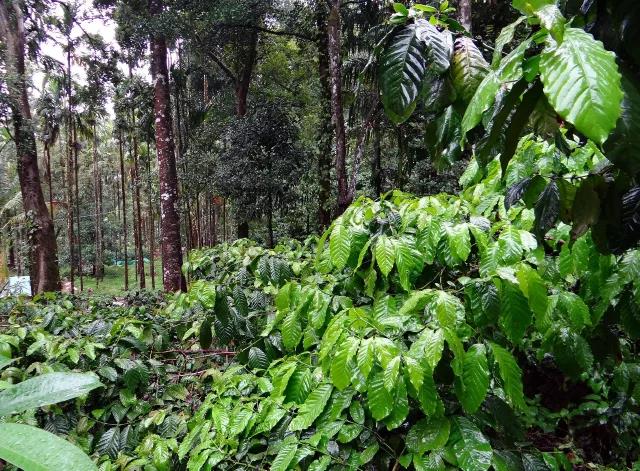
The variety of coffee plants is truly diverse, with each type not only differing in appearance but also producing beans with distinctly unique flavor profiles influenced by soil, altitude, and climate. Generally speaking, coffee is primarily grown in the "Coffee Belt" near the equator, where temperatures range between 15–25°C and rainfall is stable—providing the optimal environment for coffee trees. Based on bean size and characteristics, they can be broadly divided into two main categories: Arabica, known for its bright acidity and delicate flavors, and Robusta, which has larger beans, more pronounced bitterness, and higher caffeine content. Understanding these basics is the first step toward appreciating the diversity of coffee.
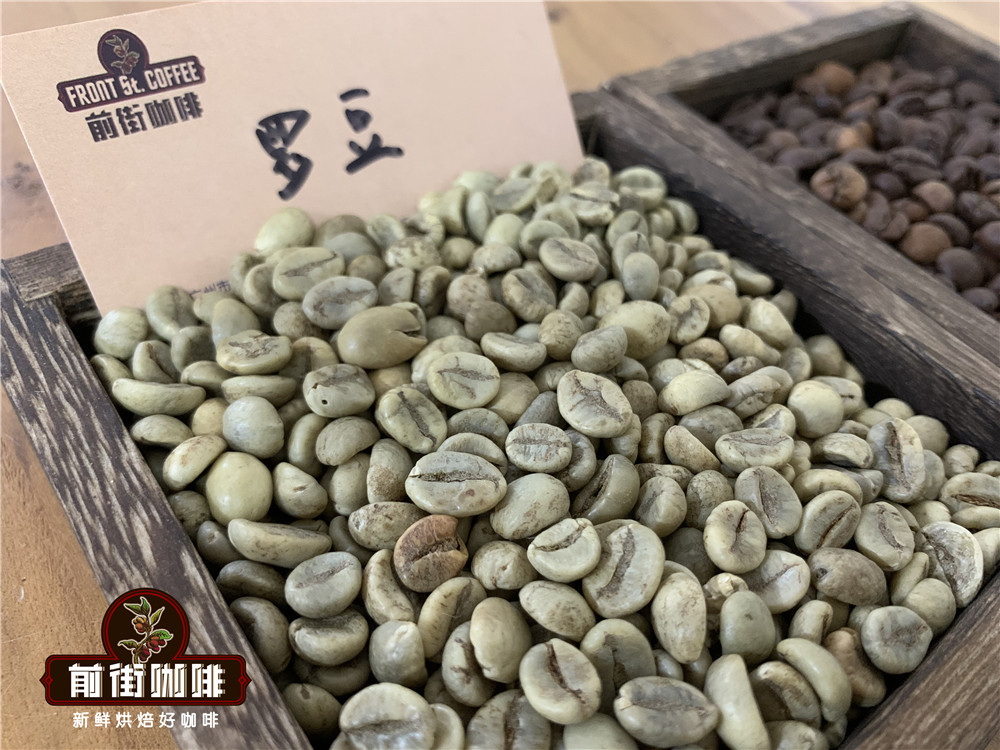
Many people wonder why Robusta is almost nowhere to be seen when walking into a coffee shop. The answer lies in the multiple differences between the two. First, their origins are completely different: Arabica originated in Ethiopia, Africa—a land that still harbors numerous wild varieties—while Robusta comes from the Congo region of West Africa, belonging to the Canephora species, and is currently the only widely cultivated and commercialized representative variety. In addition, their bean structures also differ significantly: Robusta is a "single-seed" type, with each fruit containing only one coffee bean, which is rounder in shape with a distinct C-shaped appearance and a clear midline resembling the number "1"; Arabica fruits usually contain two coffee beans per fruit, with flatter, oval-shaped beans and a C/S-curved midline, occasionally featuring single round beans as well.
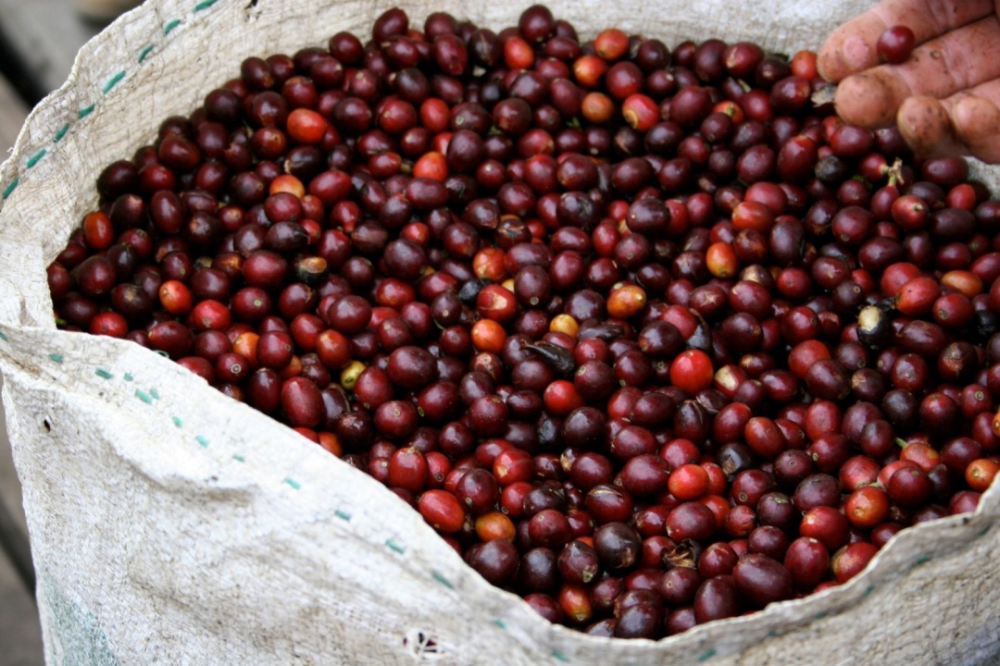
Beyond appearance, their adaptability to the environment also varies greatly. Arabica prefers high-altitude regions with cooler temperatures and significant day-night temperature variations—conditions that slow the growth rate of coffee beans and help accumulate flavor compounds, but also limit its planting range. In contrast, Robusta is far more adaptable to environmental conditions, thriving at low altitudes and in high temperatures. It not only grows quickly but also exhibits much stronger resistance to pests, diseases, and harsh weather, making it widely cultivated in places such as Vietnam, Brazil, India, and even Hainan, China. For this reason, Robusta has become the second most-produced coffee variety globally, after Arabica.
When it comes to caffeine content, there is another major difference. Arabica contains about 0.9% to 1.2% caffeine, with a higher proportion of fats and sugars, resulting in a typically refreshing, sweet taste, softer acidity, and rich flavor layers; whereas Robusta has a significantly higher caffeine concentration, ranging from 1.6% to 2.4%. This substance is itself a natural insect repellent, but it also brings a stronger bitterness, along with lower levels of lipids and sugars, resulting in a bolder, fuller flavor that often features notes of nuts, grains, or even earthiness.
Why is Robusta more resistant to disease? The key lies in its pollination method. Arabica is mostly self-pollinating, resulting in lower genetic diversity, so when faced with diseases such as leaf rust, it can easily lead to widespread infection. On the other hand, Robusta reproduces through cross-pollination, resulting in greater genetic variety and the ability to produce more adaptable offspring, enabling it to grow stably even in harsh environments. This is also why, in many areas plagued by pests and diseases, Robusta remains a staple crop.
In terms of flavor, Arabica, due to its growing environment and slower maturation process, accumulates richer aromatic compounds. Well-known varieties such as Typica, Bourbon, and Geisha often exhibit bright characteristics like floral, citrus, and honey notes; Bourbon, in particular, is known for its rich aroma, while Geisha is famed for its delicate floral aromas and gentle acidity. In contrast, Robusta, due to its fast growth and higher chlorogenic acid content, has a relatively monotonous flavor, often featuring earthy notes like nuts, peanuts, and hazelnuts, sometimes accompanied by noticeable soil-like or woody tones—this is also a primary reason why many people find it "not tasty" upon first taste.
However, Robusta is not without value. In fact, its bold flavor and rich crema (coffee oil) performance make it an important base for espresso. Many commercially available instant coffees use Robusta as the main ingredient, and when combined with sugar and creamer, they can still deliver a rich and full-bodied taste. In the professional field, many coffee brands also blend Robusta with other varieties to enhance the body and crema performance of the coffee. For example, blending Robusta with coffee beans from Colombia and Brazil—the latter providing nutty and cocoa aromas—can result in a more balanced overall flavor, making it highly suitable for Americano, latte, or even fruit-flavored specialty coffee.
In summary, although Robusta is often labeled as a "commercial bean" or "low-grade coffee," its unique flavor characteristics and practical value absolutely should not be overlooked. Whether you’re a beginner coffee enthusiast or a barista pursuing professional extraction, understanding the traits of Robusta can help you make smarter choices when selecting beans, blending, and brewing.
The above content is compiled by CoffeeHunters, a coffee news website.


