








Introduction:Yirgacheffe is one of Ethiopia’s most representative specialty coffee regions, renowned for its bright floral and fruity aromas and distinct acidity, making it an ideal starting point for many coffee beginners exploring single-origin coffees. This article delves into the unique geographical conditions of the Yirgacheffe region and the factors behind its flavor profile, while also providing a detailed guide on the correct brewing method for drip bags—including coffee-to-water ratio, water temperature control, and the optimal extraction process—to help you easily enjoy an authentic cup of Yirgacheffe at home.
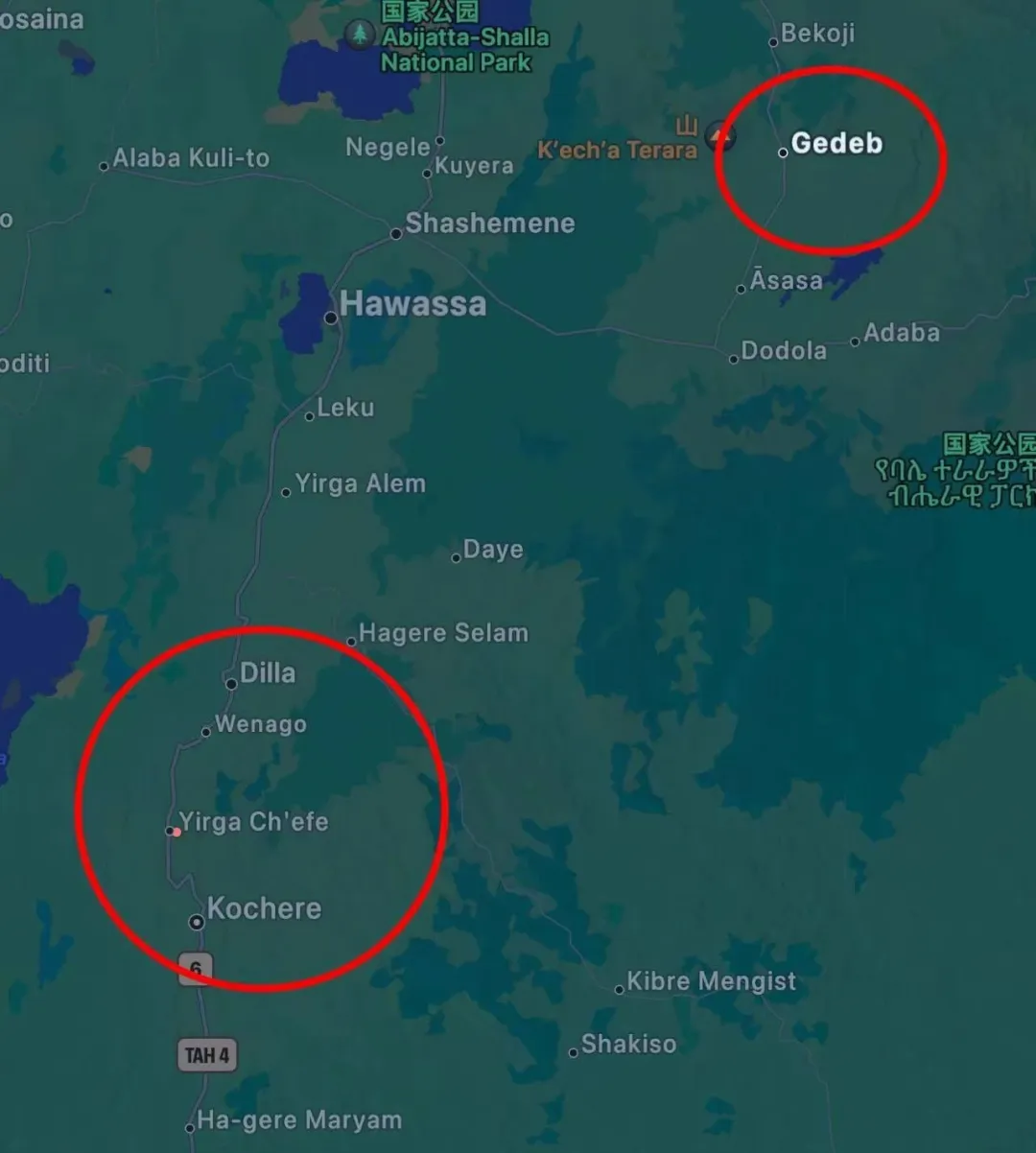
Among the many Ethiopian coffee regions, Yirgacheffe is undoubtedly one of the most well-known and widely loved. Not only does it boast a unique coffee flavor, but it also features distinctly recognizable floral, citrus, and tea-like notes, making it easy for those new to single-origin coffee to remember and appreciate this distinctive character. Located in the highlands of the southwest, this region is not only a significant source of specialty coffee but also officially separated from the Sidamo region in 2010 to highlight its unique flavor characteristics.
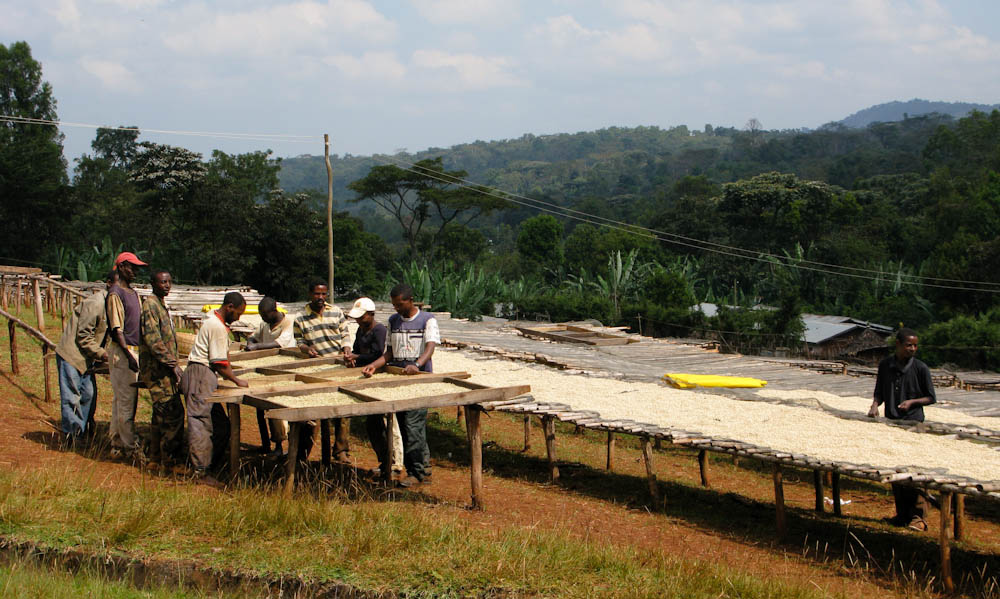
The uniqueness of Yirgacheffe is inseparable from its geographical location. The area is part of the Gedeo Zone, with altitudes generally ranging between 1,700 and 2,100 meters, representing a typical high-altitude cultivation environment. The large diurnal temperature variations brought by the high altitude, along with stable water sources and moderate temperatures (around 15–25°C) year-round, provide ideal growing conditions for Arabica coffee trees. Such an environment promotes slow ripening of the coffee cherries, allowing them to accumulate richer flavor compounds.

In the early days, Yirgacheffe was actually a small town under the Sidamo region, and its coffee showed no significant distinction from surrounding areas. However, with the rise of the specialty coffee trend and increasing market demand for coffees with bright acidity and complex aromas, Yirgacheffe stood out due to its distinctive floral and fruity notes. Many international buyers specifically sought out coffee beans from this region, prompting the Ethiopian Commodity Exchange to elevate it to an independent region in 2010. As a result, Yirgacheffe has become a globally recognized name among coffee enthusiasts.
If you want to get a preliminary taste of Yirgacheffe’s flavor charm, washed-process, medium-to-light roasted beans are a great entry point. These beans often exhibit bright citrus acidity, floral aromas such as white flowers or jasmine, along with a soft honey-like sweetness and a tea-like aftertaste. These characteristics make Yirgacheffe a beloved "entry-level specialty coffee" and a popular choice for pour over or drip bag brewing.
Brewing drip bag coffee is relatively simple, but there are still some details to pay attention to in order to fully showcase the delicate flavors of Yirgacheffe. First is the coffee-to-water ratio—1:15 to 1:16is recommended, meaning 10 grams of coffee grounds should be paired with 150 to 160 milliliters of water. This will yield a coffee liquid with moderate intensity and balanced acidity and sweetness.
For water temperature,it is advised to keep it around 90°C. If you don’t have a temperature-controlled kettle, you can let boiled water sit with the lid off for 2 to 3 minutes after turning off the heat to bring the temperature down to the appropriate range. Using water that is too hot can lead to over-extraction, resulting in bitter and astringent flavors; conversely, water that is too cool may cause under-extraction, leading to weak flavors.
During actual brewing, start by tearing open the drip bag along the “Open” mark, unfolding the two “ears” on either side, and hanging them on the edge of your cup. Then, pour a small amount of hot water just to wet all the coffee grounds—this step is called “bloom” and should last about 10 to 15 seconds. The purpose is to awaken the coffee grounds and release carbon dioxide. After blooming, begin the main pouring. It is recommended to pour in a circular motion, moving from the inside out and then from the outside in, maintaining a steady water flow. Observe the descent of the coffee grounds layer and pour in stages as needed until the total water volume reaches the target.
The entire process should ideally be completed withinabout 1 minute. Extending the brewing time too much may lead to over-extraction. Since drip bag coffee uses pre-ground beans, the volatility of its aroma is higher, so it is recommended to drink it as soon as possible after brewing to enjoy the best flavor experience.
Additionally, it’s worth noting that although commercially available drip bags usually indicate recommended coffee amounts and brewing methods, you can also make slight adjustments to the coffee-to-water ratio based on personal taste preferences. For example, those who prefer a stronger flavor can opt for a 1:14 ratio, while those who prefer a lighter taste can increase the water amount to 1:17. Small adjustments like these can help better match your drinking habits.
In summary, Yirgacheffe is not only one of the representatives of Ethiopia’s specialty coffee but also an ideal choice for many coffee beginners to explore single-origin coffees. By understanding its regional background, flavor characteristics, and mastering the correct brewing techniques for drip bag coffee, you can easily enjoy a high-quality cup of coffee with bright acidity, floral and fruity aromas, and a tea-like aftertaste at home. Whether it’s to energize your morning or unwind in the afternoon, a perfectly brewed cup of Yirgacheffe can add a unique coffee experience to your daily routine.
The above content is compiled by CoffeeHunters, a coffee news website.


