







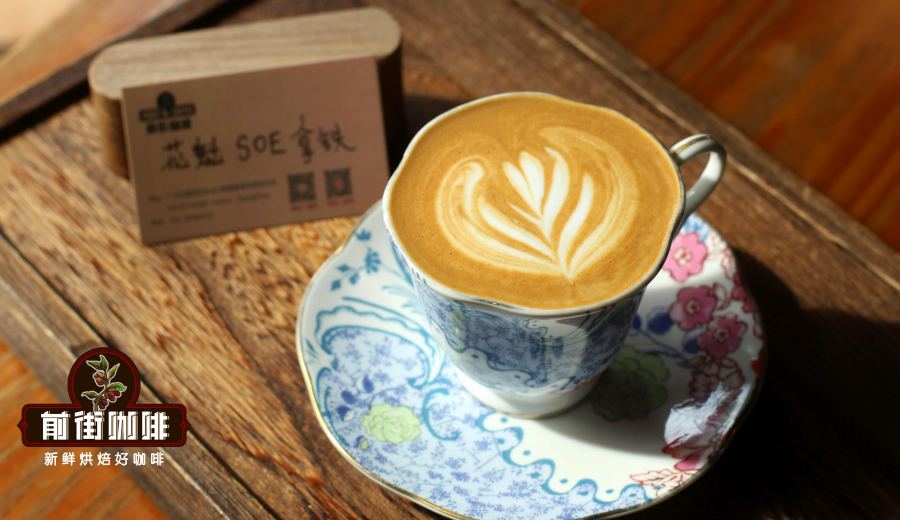
Introduction:As a new trend in specialty coffee, how does SOE (Single Origin Espresso) differ from traditional single-origin coffee? This article delves into the differences between the two in terms of origin selection, roasting techniques, and extraction methods, and explores how appropriate roast levels and recipe design can highlight the unique flavors of coffee. Whether you're a pour over enthusiast or an espresso aficionado, you can gain insight into the essence of SOE here.
In recent years, SOE (Single Origin Espresso) has gradually become a hot topic in the specialty coffee scene. SOE refers to espresso extracted using coffee beans from a single origin, brewed under high pressure of 9BAR or more with an espresso machine. Although it shares the concept of "single origin" with single-origin coffee, the two differ greatly in presentation, roasting strategy, and flavor expression. Single-origin coffee is often brewed via pour over, focusing on showcasing the terroir characteristics of the beans; whereas SOE must withstand the high-pressure, high-temperature extraction environment, challenging how to still present clear and layered origin traits under pressure and hot water.
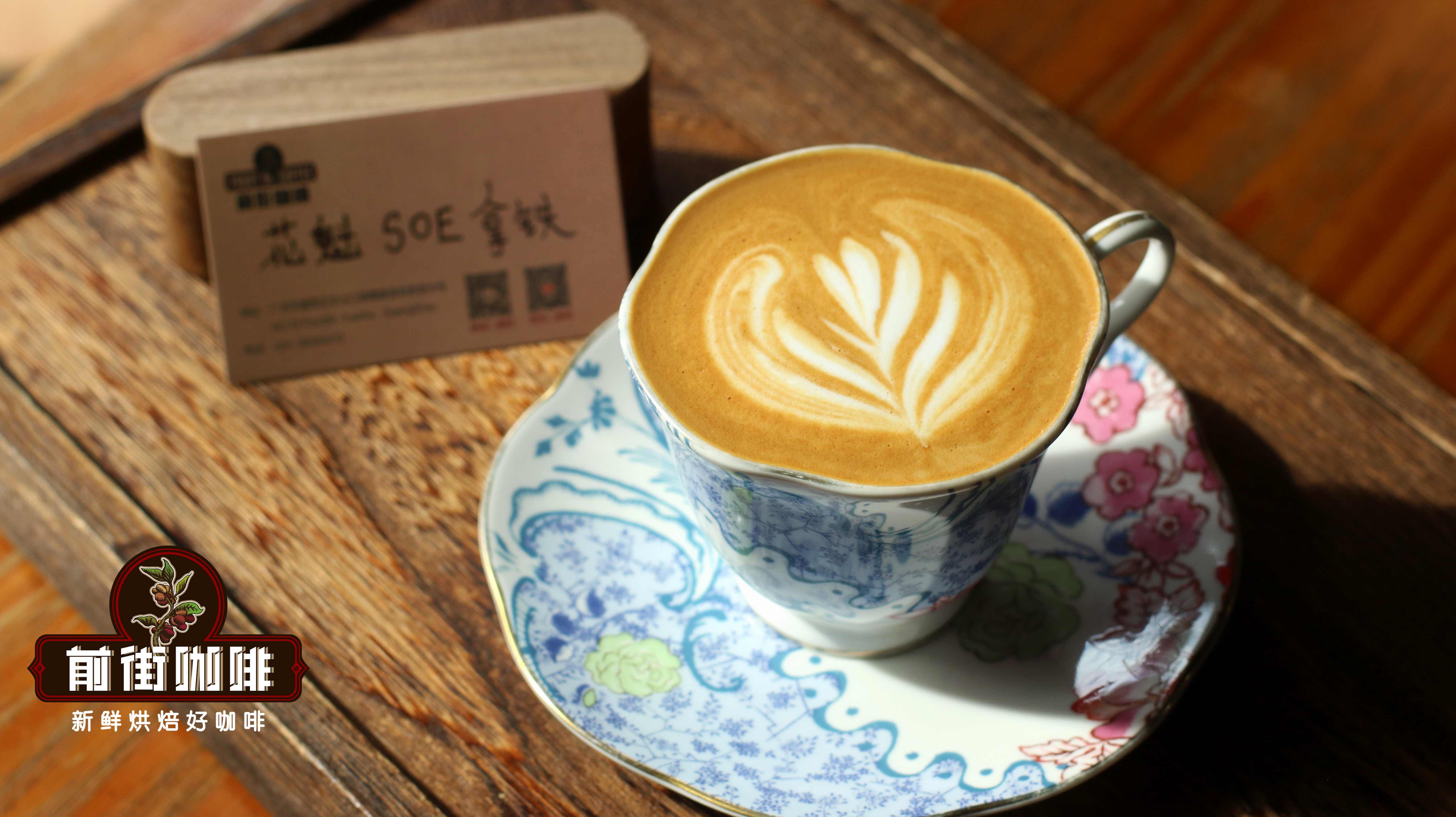
The core of SOE lies in its commitment to a "single origin," which is also its primary commonality with single-origin coffee. However, single-origin coffee is usually presented via pour over, allowing drinkers to savor the bean’s native flavors; SOE, on the other hand, is designed specifically for espresso machines and must endure extraction pressures of 9BAR or above. As consumer acceptance of "single origin" espresso blends grows, more and more coffee enthusiasts are beginning to favor this simplified yet distinctly flavorful coffee experience.
To determine whether a bean can become an excellent SOE, in addition to its performance during cupping, what's even more crucial is how it performs when actually extracted as espresso and whether it meets the standards of espresso production. Nowadays, simplified recipes have become mainstream, indicating that consumers have gradually come to accept that coffee should exhibit seasonal variation—this is also one of the core indicators of a successful SOE.
In the development trends of specialty coffee, roasters are no longer fixated on blending multiple beans to pursue rich and stable flavors. The previously common practice of blending seven or even over ten types of green beans has now been replaced by leaner compositions. When the number of "components" in a blend decreases, the influence of each individual origin bean is amplified, and any change can noticeably alter the final flavor. Therefore, the modern roasting trend for SOE places more emphasis on consistency of "philosophy" rather than simply pursuing uniformity of flavor. In other words, the focus is on how to faithfully represent the seasonal characteristics of that origin, and on that basis, maintain a consistent core flavor profile in the espresso blend.
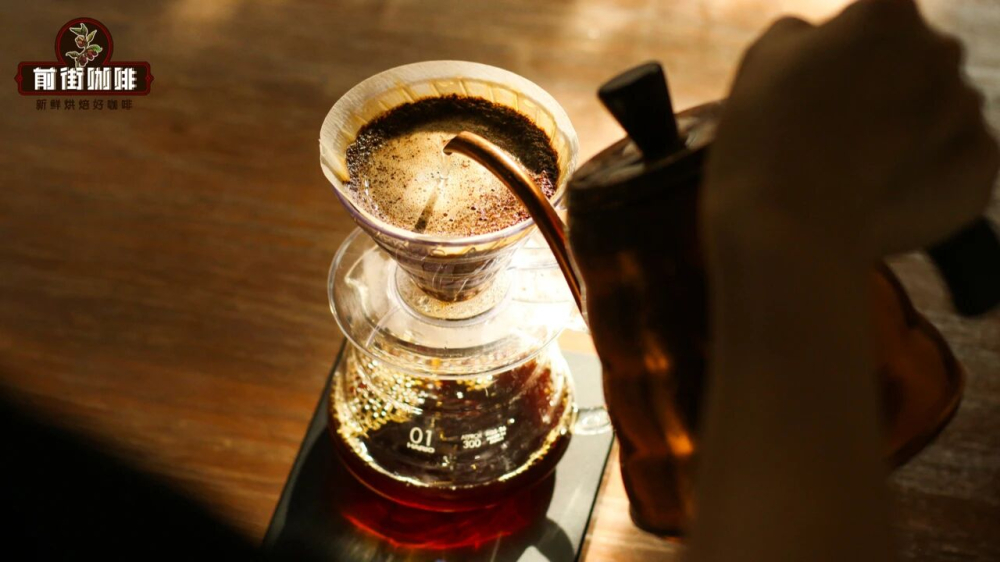
Many excellent SOEs, in fact, do not fall short in flavor expression compared to single-origin coffee. The difference lies in the fact that the roasting method for SOE needs to be adjusted according to the characteristics of the espresso machine. Given that espresso machines extract at pressures exceeding 9BAR, with near-boiling water and extremely fine grind sizes, under-roasting can easily lead to uneven extraction, sharp acidity, or even splattering issues; over-roasting, on the other hand, can mask the original delicate flavors of the origin, leaving the coffee with nothing but a singular burnt bitterness and carbonized taste. Thus, mastering the appropriate roast level is one of the keys to a successful SOE.
For example, if using a single-origin bean with prominent floral and fruity notes to make SOE, a medium-light roast is typically chosen to preserve its bright acidity and fruity qualities. Take the honey-processed Hua Kui coffee bean, for instance—when roasted appropriately, it can deliver a fresh, sweet-tart profile reminiscent of strawberries and passionfruit, flavors that can be clearly expressed in an SOE as well. When brewed via pour over, such beans may showcase more nuanced layers, but in an SOE, they can present a rich and vibrant fruitiness under pressure extraction.
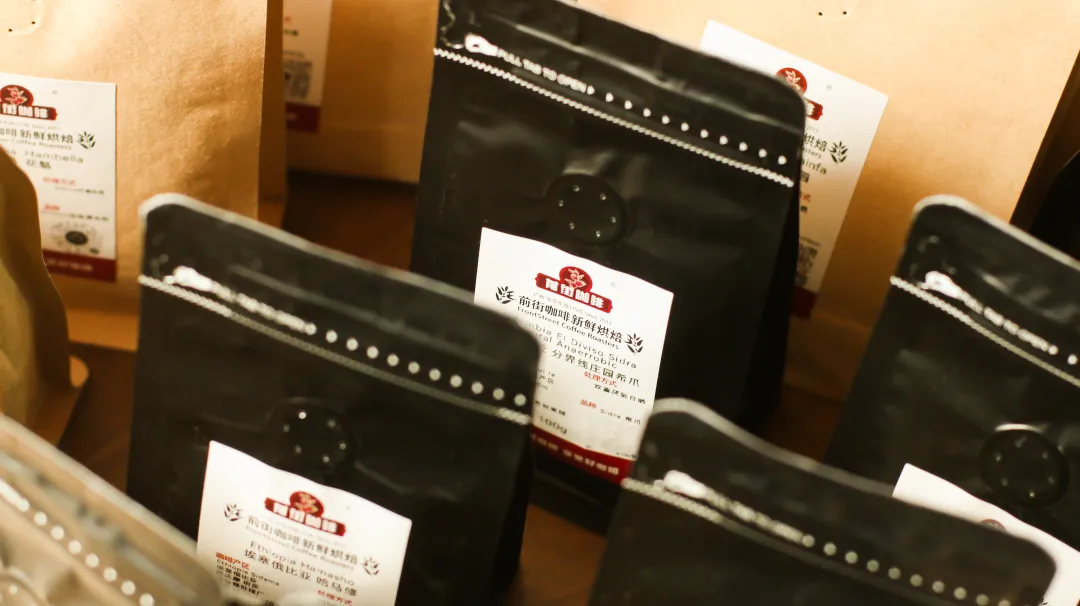
On the other hand, if selecting a single-origin coffee bean characterized by chocolate and nutty tones, a slightly darker roast is recommended to bring out intense roasty aromas and a full-bodied mouthfeel. For example, the coffee beans from Brazil’s Queen Estate, when given an appropriately dark roast, can exhibit sweet notes of creamy peanut and dark chocolate—very appealing to coffee lovers who enjoy a bold profile. Such beans, in an SOE, can deliver a stable, full-bodied sensation under high-pressure extraction, along with a long-lasting aftertaste.
In summary, although both SOE and single-origin coffee emphasize the flavor characteristics of a single origin, they each have their unique aspects in terms of extraction method, roasting strategy, and final expression. The challenge of SOE lies in how, within the high-pressure, high-temperature environment of espresso extraction, it can still authentically present the seasonal flavors of the origin while meeting the standards of espresso production. For roasters, this is not only a test of technique but also a profound demonstration of their understanding and expression of coffee flavors.
The above content is compiled by CoffeeHunters, a coffee news website.


