







Introduction:Wet hulling is a unique coffee processing method exclusive to Indonesian coffee, giving Mandheling its low acidity and richly bold character. This article delves into its differences from the washed process, breaking down seven key steps from pulping and semi-drying to wet hulling and parchment removal, while also explaining the origin of the signature "hoof-shaped" bean appearance. Practical roasting and pour over parameters are included to help you grasp the flavor essence and processing secrets of this classic Southeast Asian bean.
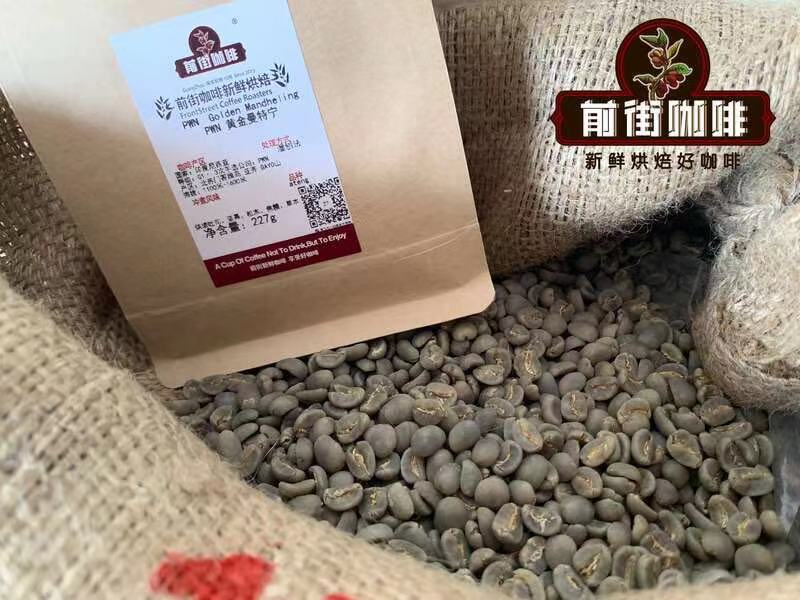
Wet hulling, known locally in Indonesia as Giling Basah, is a green coffee processing method unique to Southeast Asian coffee-growing regions and is often categorized as a semi-washed technique. Its most distinctive feature is that, unlike the washed process which retains the parchment layer for sun drying, wet hulling removes the parchment layer mechanically when the beans are only partially dried, before completing the final drying stage. This unique procedure results in Indonesian Mandheling being low in acidity, full-bodied, and distinctly herbal and spicy in flavor, along with developing a characteristic "hoof-shaped" exterior — a common non-defect phenomenon caused by mechanical pressure on the semi-dry beans during hulling, which often leads to bean cracks resembling hoof prints.
Indonesia’s adoption of wet hulling is closely tied to its humid and rainy climate. Sun drying requires prolonged exposure to sunlight, which is difficult to maintain consistently in such a high-humidity environment; while the washed process ensures cleanliness, it may not fully showcase the rich and intense flavors typical of Southeast Asian beans. Wet hulling, through hulling after partial drying, not only adapts to climatic constraints but also inadvertently creates the distinctive body and spice complexity of Mandheling, becoming a hallmark processing method for Indonesian coffee.
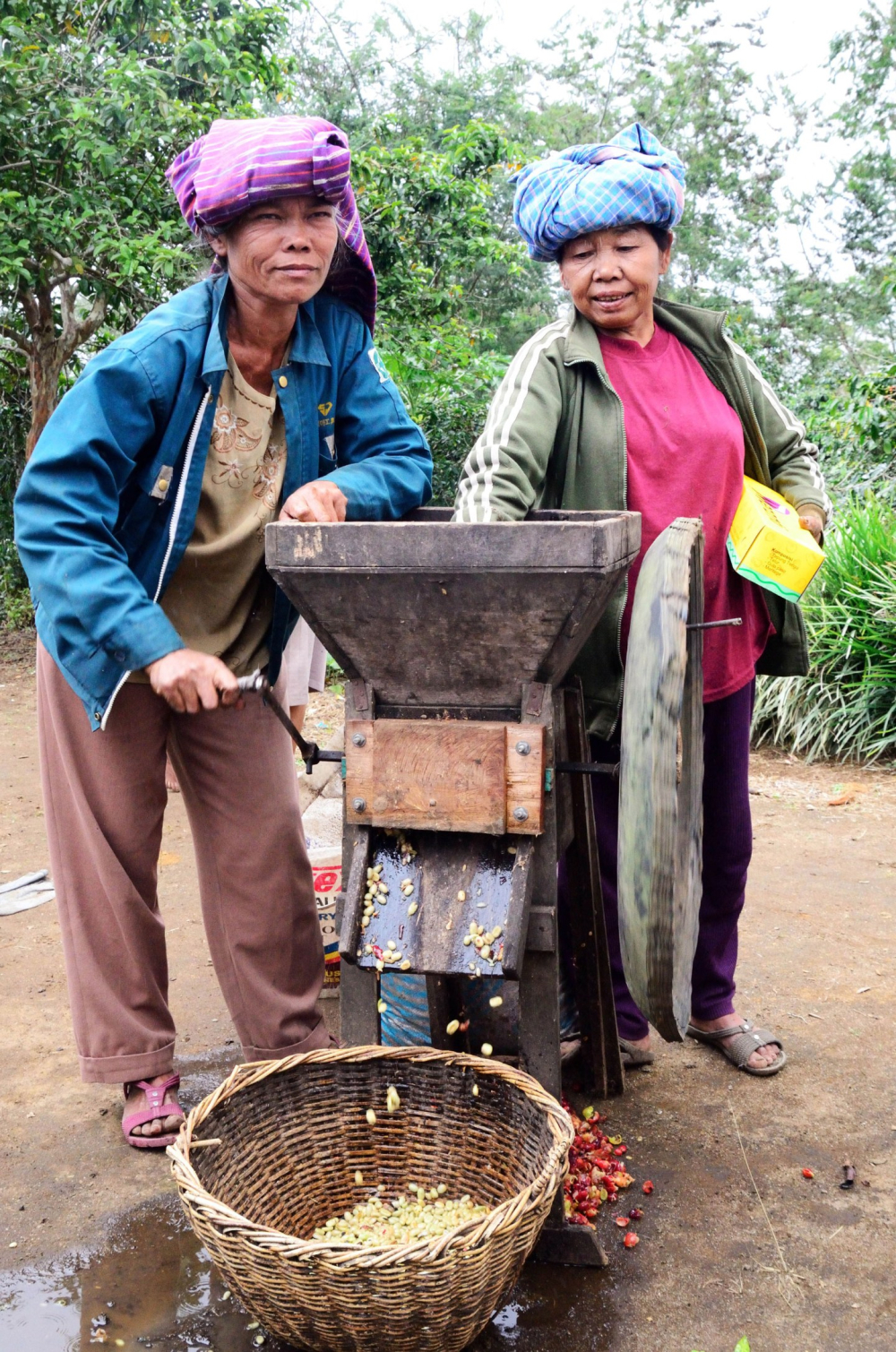
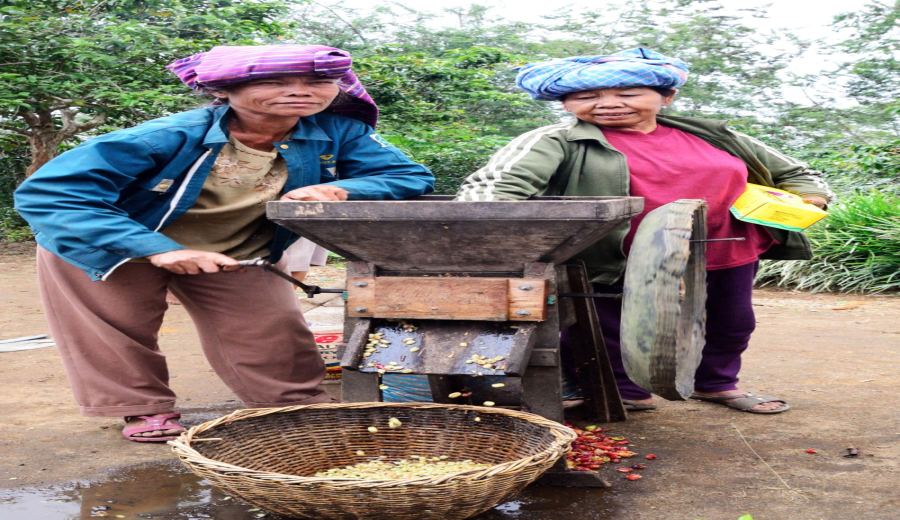
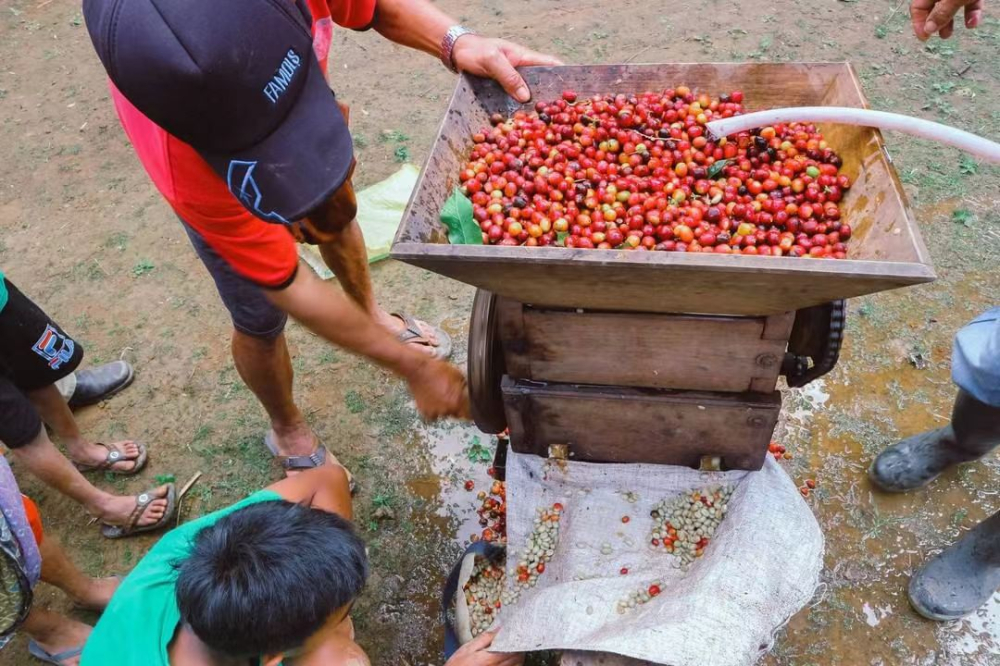
The complete wet hulling process can be divided into seven key steps. The first is "pulping / de-pulping": freshly harvested coffee cherries must be processed quickly, and smallholder farmers in Indonesia typically carry out initial pulping at home, removing the skin and some of the fruit pulp to lay the foundation for subsequent fermentation. This is followed by the "washing" stage, where the depulped beans are soaked in water for 1 to 2 hours to remove residual mucilage through friction, ensuring a clean surface.
The third step is "initial drying": the washed beans undergo their first sun drying at the farm, with moisture content gradually reduced to between 20% and 35%, at which point the beans still retain a certain level of humidity. The beans after initial drying are sent to market for sale, at which stage the mucilage layer has not yet solidified and remains sticky — this is a unique intermediate product of the wet hulling process. The beans then move to the "collection" phase, where they are gathered and transported to processing facilities for further processing.
At the processing facility, the beans undergo "secondary drying" to further reduce the moisture content to approximately 18% in preparation for hulling. The crucial sixth step, "wet hulling," takes place here: the semi-hard beans, after secondary drying, are fed into a hulling machine to remove the mucilage and parchment layers. The key difference from the washed process is that wet hulling removes the hull before the beans are fully dry, whereas traditional washed processing retains the parchment until just before export. This step directly affects the concentration and stability of the final flavor profile.
The final step is "final drying and storage": the hulled beans are sun dried again to precisely control the moisture content at 11%, meeting safe storage and transport standards. The dried green beans are bagged and stored, awaiting shipment to markets around the world. It is worth noting that wet hulling-processed green beans often exhibit the "hoof-shaped" appearance, which is due to cracks formed by mechanical pressure during hulling of semi-dry beans — a normal phenomenon and not a defect, so consumers can purchase with confidence.
Mandheling processed by the wet hulling method has a distinct and easily recognizable flavor profile. Professional reviews often describe it as "low acidity, full-bodied, with prominent herbal and spicy notes." The acidity is soft and non-irritating, the mouthfeel is silky and thick, accompanied by herbal and clove-like spice notes typical of Southeast Asia, with occasional chocolate and caramel undertones in the finish. However, due to the higher variability in humidity during semi-drying and the influence of mechanical handling, its quality consistency is slightly lower compared to the washed or natural processes. It is recommended to choose products graded as G1 and that have undergone multiple hand sorting when purchasing.
Taking the renowned PWN Golden Mandheling from Gayo Mountain, Aceh, Sumatra as an example, grown at altitudes of 1100–1600 meters with the Ateng variety, combined with wet hulling processing, it achieves the classic flavor profile of Southeast Asian beans. When roasting, note that high-moisture green beans should have the chaff collector closed immediately upon entering the roaster for a 30-second preheat, then gradually adjust the air intake and heat once the beans turn a light green color, maintaining appropriate ventilation after first crack, with a target moisture content of 11% being ideal. For pour over, it is recommended to use a KONO filter, with a brewing temperature of 88°C, a 1:15 coffee-to-water ratio, and a grind size with 65% undersize at 0.85mm sieve, using a pulse pouring method to extend the contact time between water and coffee grounds. This effectively extracts layered flavors of nuts, spices, and licorice, delivering a clean and full-bodied drinking experience.
The above content is compiled by CoffeeHunters, a coffee news website.


