








Introduction:Coffee flavors vary by region, ranging from Brazilian nut notes to Ethiopian floral aromas—each origin has its own unique charm. This article delves into the world’s top ten renowned coffee-producing countries, including Brazil, Indonesia, Colombia, and more. It explores representative beans such as those from the Queen Estate, Mandheling, and Sidamo, analyzing their flavor profiles and processing methods to reveal how different regions cultivate distinct specialty coffees.
Coffee, alongside tea and cocoa, is one of the world’s three most beloved beverages. Its popularity stems not only from its energizing effects but also from the rich diversity of flavors across origins. From Brazil’s rich, nutty tones to Ethiopia’s fruity and floral notes, and Jamaica Blue Mountain’s balanced elegance, each region crafts its own coffee identity. This piece will guide you through the globe’s top ten coffee-producing nations, diving into the flavor profiles and processing techniques of classic beans like Brazil’s Queen Estate, Indonesia’s Mandheling, and Colombia’s Sidamo, broadening your understanding of specialty coffee.

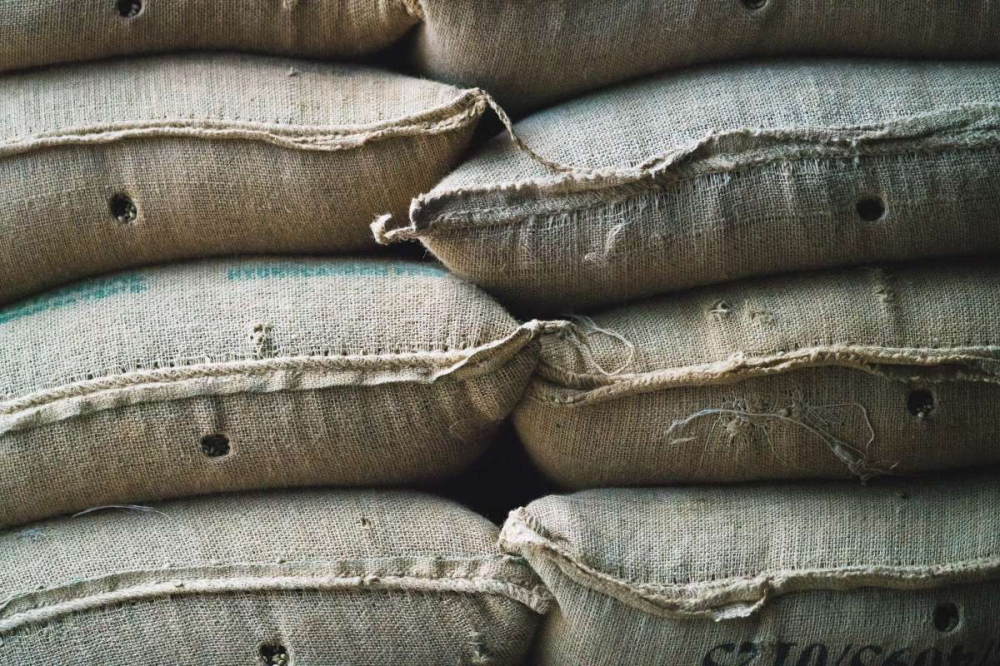
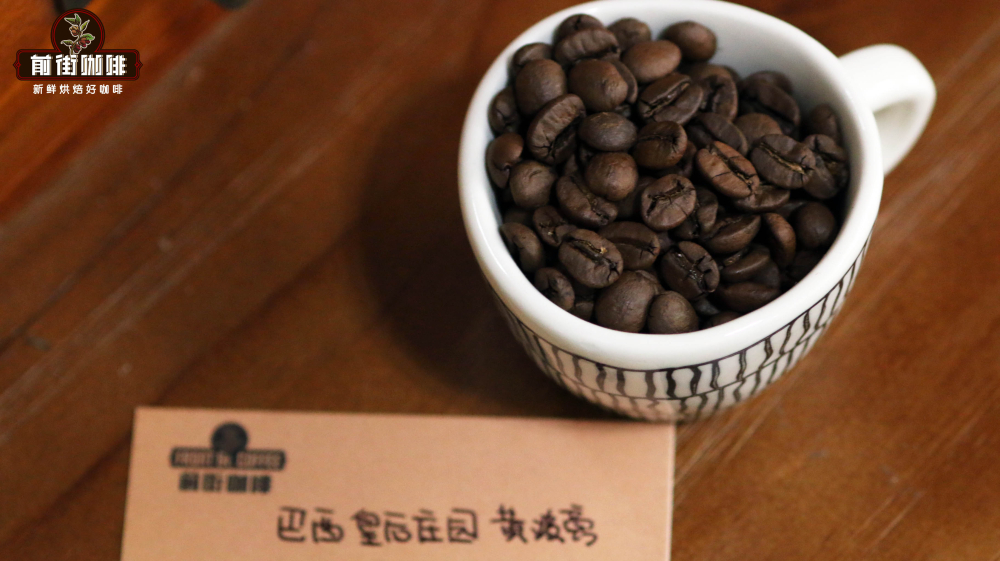
Unquestionably the foremost coffee-producing nation, Brazil accounts for one-third of global output, primarily cultivating Arabica varieties. Brazilian coffee is commonly medium-roasted, known for its full-bodied, balanced profile with low acidity and moderate sweetness, making it ideal as a blend base. The Queen Estate is a flagship of Brazilian specialty coffee, having won numerous COE awards over seven years—including more than twelve honors—and even claiming the championship in 2004. The estate insists on hand-picking and employs the pulped natural process: fruits are washed to remove the outer skin, briefly fermented, then sun-dried. It mainly grows the rare Yellow Bourbon variety, with standout sweetness and flavors of roasted nuts, cocoa, and sugarcane-like aromas.
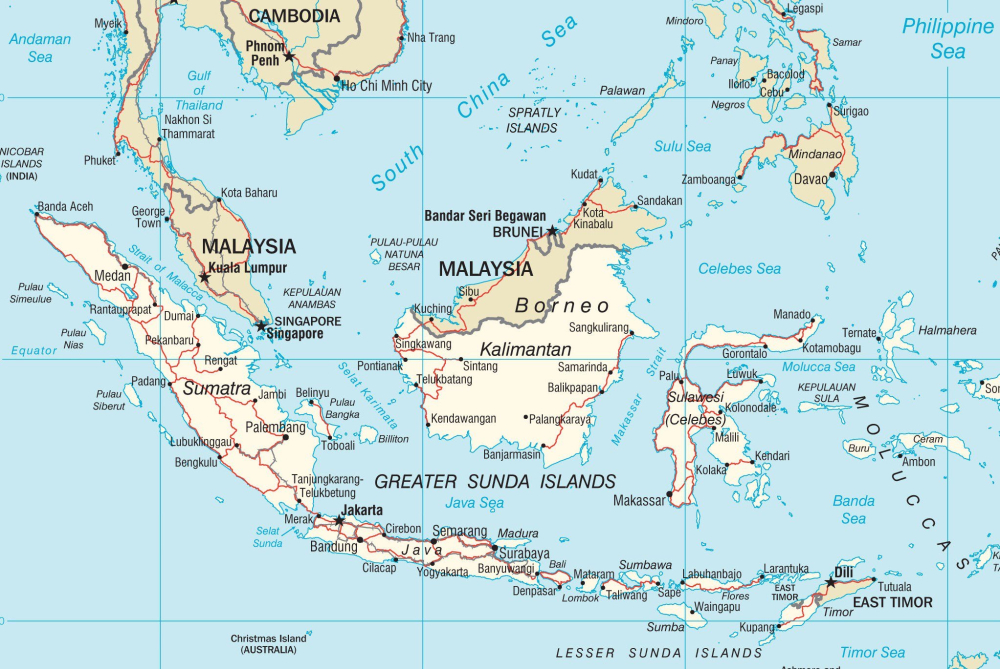
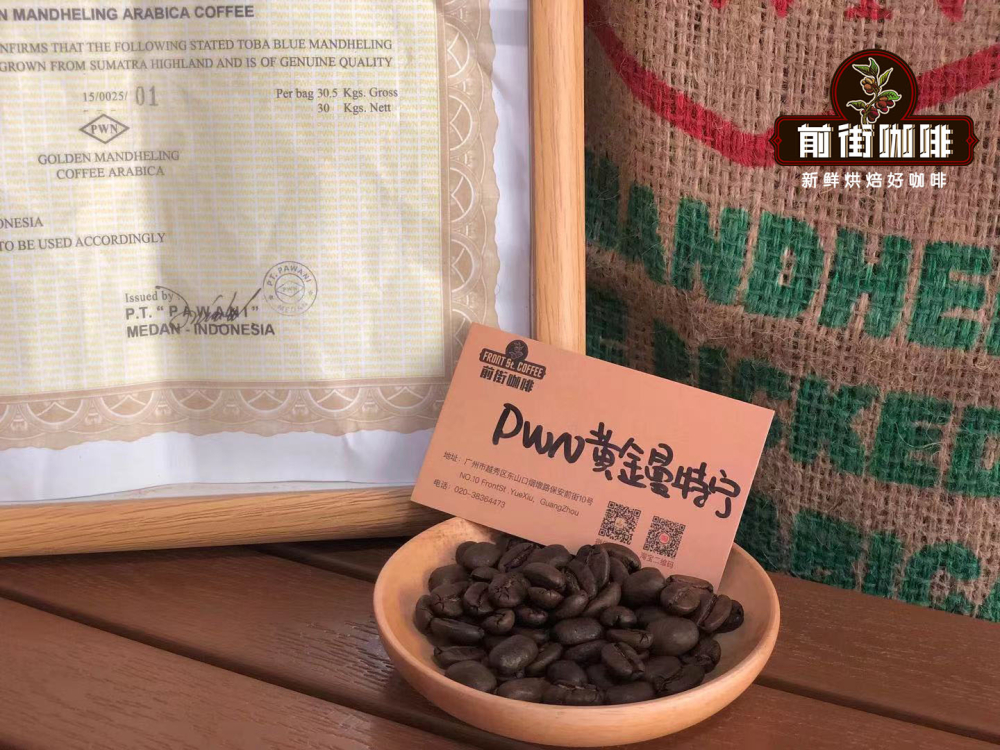
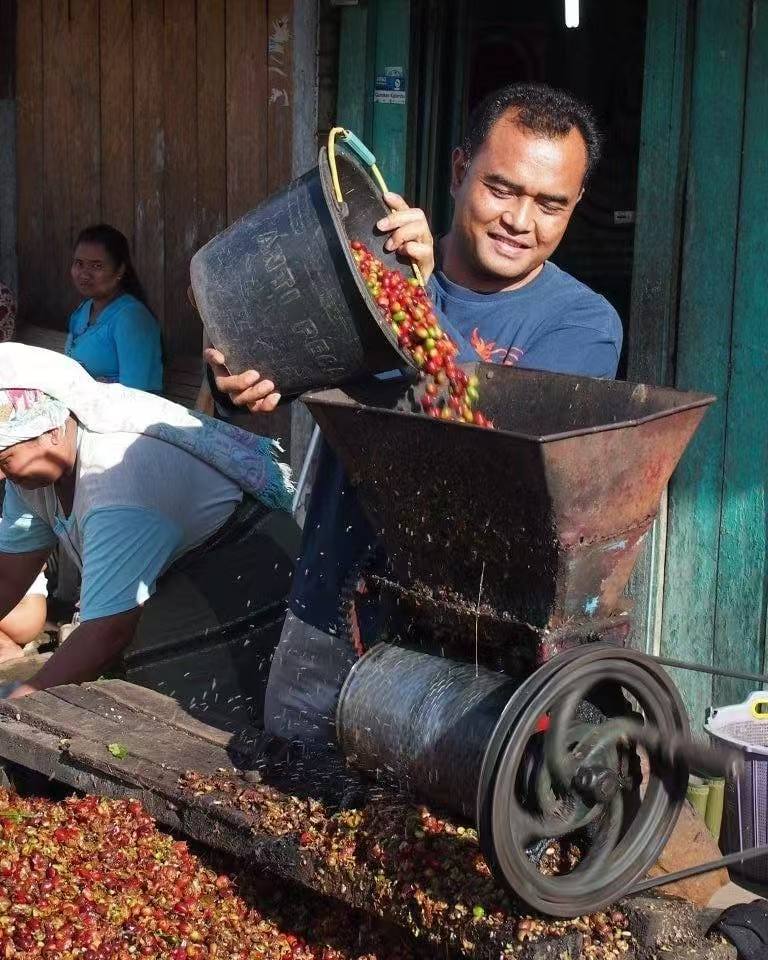
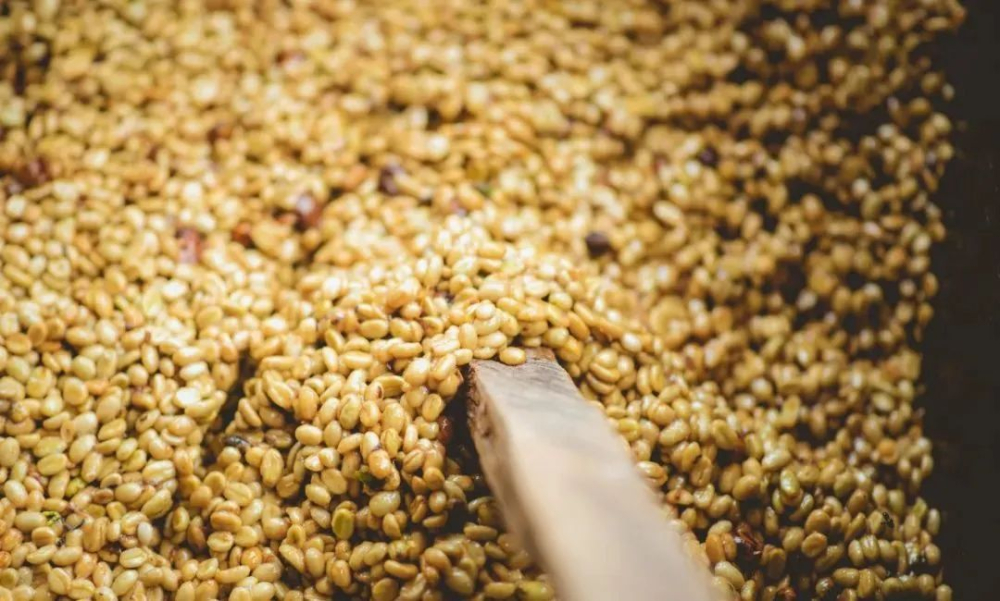
Indonesia is Asia’s largest coffee-producing region, with notable areas including Java, Sumatra, and Sulawesi. Its most iconic Mandheling coffee is famed for its bold, rich mouthfeel—though its appearance may be unremarkable, its flavor is unforgettable. Indonesia uses a unique wet-hulling process: after floatation to remove impurities, the fruit pulp is stripped, leaving mucilage for short fermentation, followed by sun-drying to 20–24% moisture content. The parchment is then removed and drying continues to 12–13%. This method leaves beans semi-dry and prone to compression, forming the characteristic “elephant ear” shape that contributes to Mandheling’s thick, bold texture.
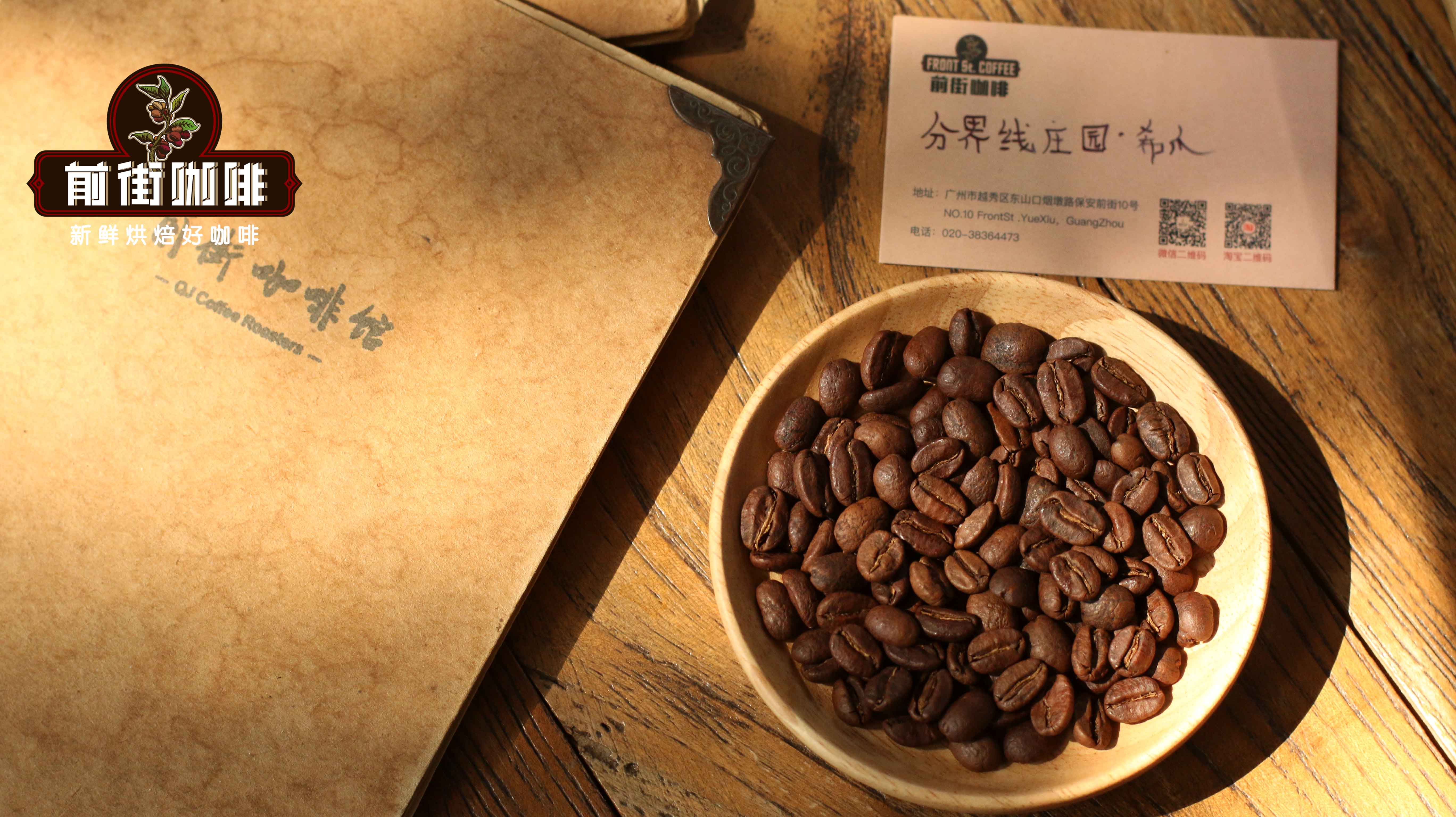
Colombia, the world’s fourth-largest coffee producer, offers mild, balanced flavors with lingering dark chocolate notes, often dubbed the “coffee gentleman.” Its main growing regions lie in the Andes Mountains, relying on manual harvesting. Colombian coffee is typically washed-processed, with Huila region beans showcasing classic nutty and chocolatey flavors, while the Boundary Line Estate’s Sidamo and Elephant Ear varieties emit tropical fruit aromas like passionfruit, grape, and apricot, offering rich layered complexity.
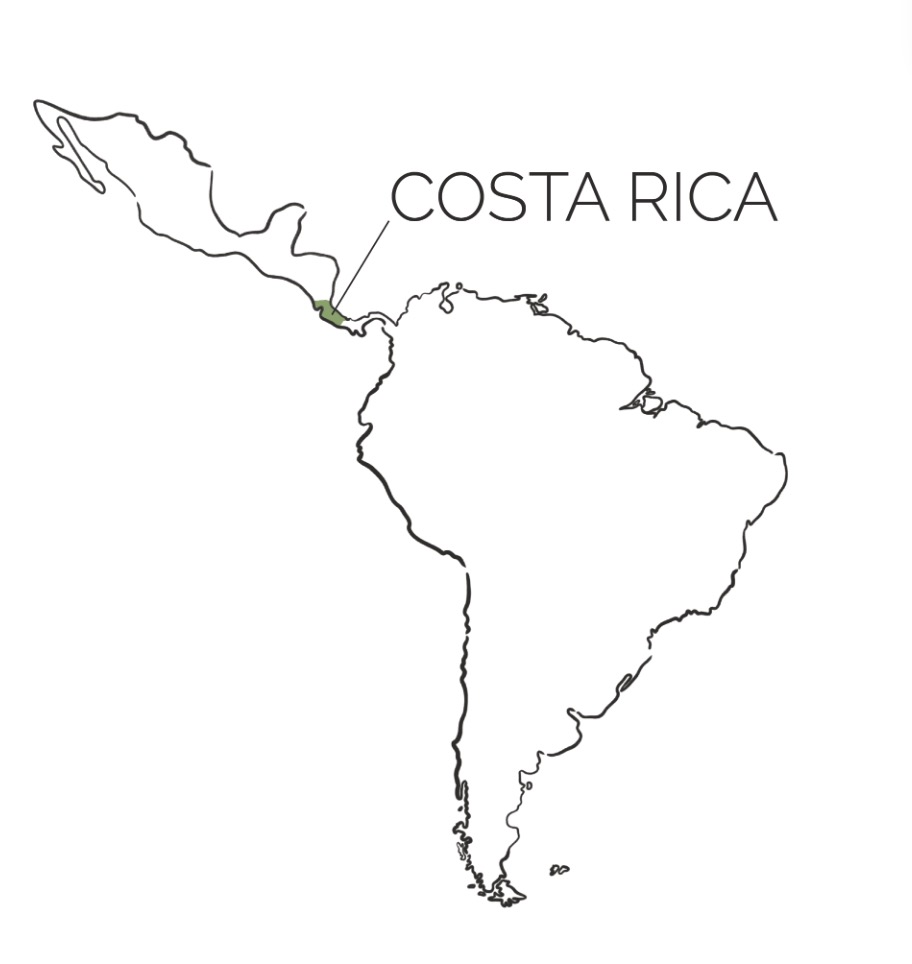
Costa Rica, Central America’s earliest coffee cultivator, boasts fertile volcanic soil and ideal climate conditions in its central highlands—a key specialty coffee hub. Local processing favors honey methods, retaining varying levels of mucilage to enhance sweetness and body, categorized into yellow, red, and black honey. Mozart employs raisin honey processing, highlighting sweet tropical fruit notes like Geisha, raisins, and pineapple, while Blackberry Coffee uses black honey to intensify fruity aromas, delivering luscious flavors of grape, citrus, and peach.
Ethiopia, the birthplace of coffee, relies on the crop for livelihoods of about 15% of its population, fostering a deep coffee culture. Home to tens of thousands of native varieties—mostly collectively called Ethiopian heirlooms—their specifics remain undisclosed due to protection policies. Notable regional offerings include Yirgacheffe, with white floral and lime notes; Red Cherry, featuring berry and fermentation aromas; and Huika, showcasing creamy strawberry and tropical fruit flavors, each with distinct character.
Though a later starter, Kenyan coffee stands out for its exceptional quality, celebrated for its bright, clean acidity reminiscent of cherry tomatoes. It primarily grows SL28 and SL34 varieties: SL28 delivers vibrant acidity with citrus and dark plum notes, while SL34 offers softer fruit flavors. Kenya employs the unique K72 washed process—three washes and 24-hour fermentation—to amplify acidity and brightness. Small Tomato beans, for instance, exhibit ripe tomato and floral notes, with lively acidity and a clean, refreshing mouthfeel.
Rwanda, straddling temperate and tropical highland climates, features western mountainous regions with high altitudes, significant diurnal temperature shifts, and fertile volcanic soil—ideal for coffee cultivation. Local processing mainly involves washing: floatation, depulping, mucilage fermentation, washing, and drying. Red Bourbon varieties, medium-light roasted, highlight floral and fruity aromas—citrus sweetness, berries, and apple acidity—with mid-palate honey sweetness and lingering almond and chocolate notes.
Jamaica Blue Mountain coffee is grown exclusively in the Blue Mountains at elevations of 1,000–1,700 meters, renowned for its clean, bright profile and perfectly balanced sweet, sour, and bitter notes. Traditionally washed-processed to maintain purity, some estates now experiment with sun-drying to expand flavor possibilities. Strictly limited to its origin, Blue Mountain coffee enjoys a unique status and market value.
Panama, though a newer coffee region, gained fame for its Geisha variety. The high-altitude areas of the Boquete Valley, influenced by airflow from the Caribbean Sea and Pacific Ocean, create diverse microclimates paired with volcanic soil—nurturing aromatic coffees. Boquete Geisha, washed-processed, showcases the classic Geisha profile: delicate aromas and layered complexity, an unmissable choice for specialty coffee enthusiasts.
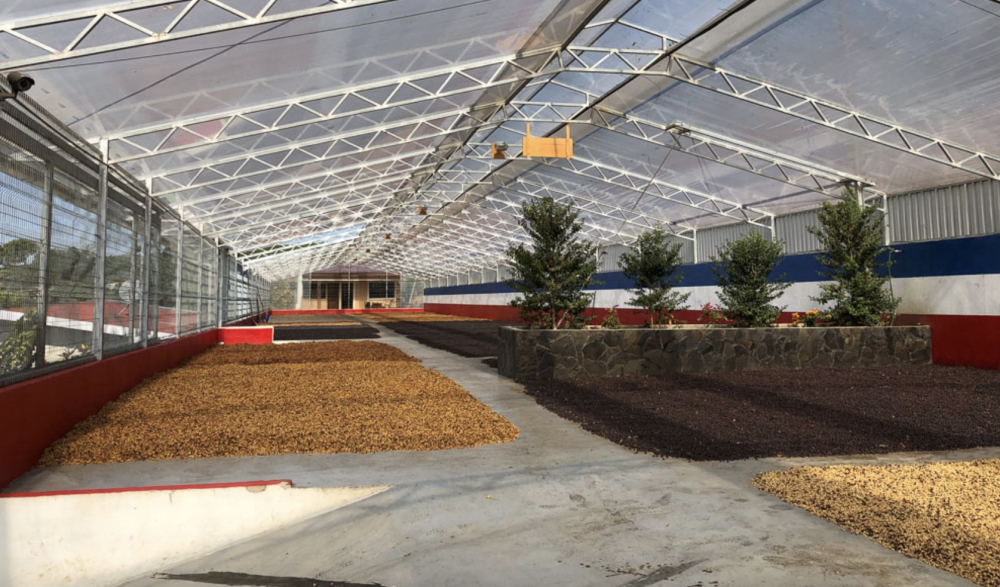
China’s Yunnan is an emerging coffee region, primarily cultivating the disease-resistant Catimor variety in areas like Lincang, Baoshan, and Pu’er. With its hot, rainy climate, washed processing is common: depulping, fermentation to remove mucilage, then sun-drying. The rare 2013 Typica variety offers nutty and brown sugar notes, providing an intriguing contrast to the dominant Catimor and delivering consumers a more diverse tasting experience.

The above content is compiled by CoffeeHunters, a coffee news website.


