







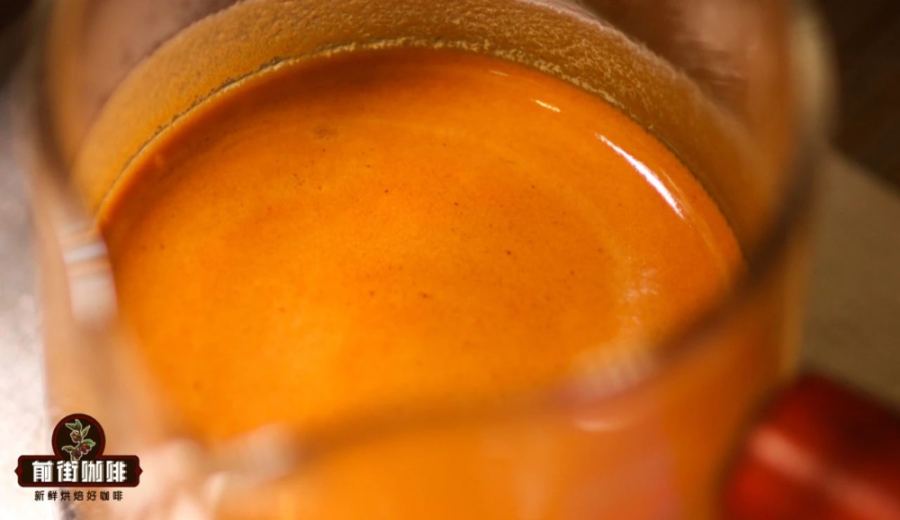
Introduction:The soul of an espresso lies in its golden crema with delicate tiger-stripe patterns. It not only affects the appearance but also dominates the overall flavor profile. How can you extract thick, aromatic crema at home? This article delves into the top ten key factors—from bean roast level, freshness, and variety selection to extraction pressure and equipment differences—and recommends three blends that have been tested to deliver excellent crema performance. Whether for home use or café operations, you’ll find a suitable choice.
Espresso is considered the essence of Italian coffee, and the golden crema floating on its surface is the key to its flavor and texture. Ideally, crema should be between 1 to 2 centimeters thick, with a rich roasted aroma and hints of dark chocolate. To successfully replicate such a satisfying shot at home, you need to master four core elements: coffee bean freshness, roast depth, extraction pressure, and coffee variety selection. Below, we break down ten key points in detail—from how to identify freshly roasted beans to the advantages of medium-dark roast blends, the pressure characteristics of different devices, and several highly recommended blends with rich crema and great value for money.
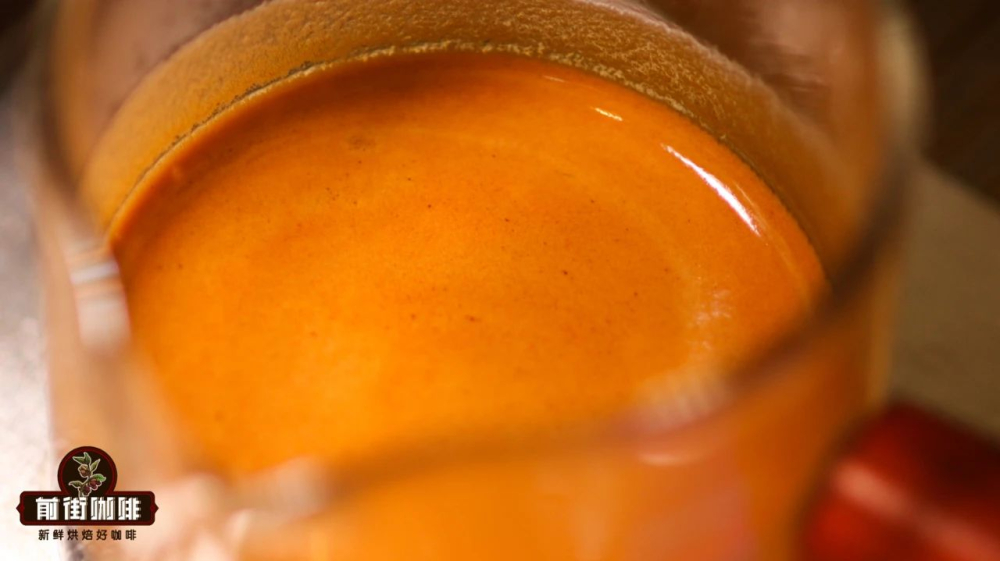
Espresso extraction is one of the most common brewing methods in the coffee world. It’s not only the first choice for many beginners but also the foundation of various classic coffee drinks. Whether it’s a sweet and smooth latte, a clean and rich Americano, or a creatively crafted specialty coffee, none of them would be complete without a high-quality espresso as the base. That’s why espresso is hailed as the “soul of Italian coffee,” and its crema is a direct representation of its flavor and quality. Ideal crema should exhibit a golden hue with fine tiger-striping, be about 1 to 2 centimeters thick, and exude a rich roasted aroma with notes reminiscent of dark chocolate. To make such an espresso at home, focus on four key details: coffee bean freshness, roast level, pressure control, and variety selection.
1. Coffee Bean Freshness Is Crucial
Crema forms primarily from the coffee bean oils encapsulating carbon dioxide gas. Therefore, the richness of the crema often reflects the freshness of the beans—fresher beans typically produce thicker and more long-lasting crema. When purchasing, opt for brands that clearly indicate the roast date (rather than the expiration date), and prioritize professional roasters, such as those that emphasize fresh-roasted, same-day shipping or guarantee roasting within 5 days. Additionally, once coffee beans are ground, their surface area exposed to air increases dramatically, causing volatile aromas and internal gases to dissipate quickly. It’s recommended to buy whole beans whenever possible to maintain optimal flavor and crema performance.
2. Dark Roast Helps Generate Crema
The darker the roast, the more porous the internal structure of the coffee bean becomes, while its flavor profile shifts from pronounced fruit acidity to caramelization reactions, releasing complex aromas such as hazelnut, butter, and chocolate. During this process, the beans accumulate a large amount of carbon dioxide. When hot water passes through at high temperatures, these gases are rapidly released in the form of tiny bubbles, forming what we see as crema. For beginners, it’s recommended to choose medium-dark roast blends, which often feature flavor notes like hazelnut, butter, caramel, and cocoa—not only rich in crema but also easier to work with.

3. Coffee Variety Affects Crema Performance
The physical and chemical properties of different coffee varieties directly influence the amount of crema produced. Generally speaking, Robusta varieties can produce more crema compared to Arabica. As a result, many professional blends incorporate a small amount of Robusta to enhance the crema layer and overall intensity. Some commercially available blends are based on this principle, creating espressos that are rich, bold, and crema-heavy—particularly well-suited for milk-based coffee drinks.
4. Extraction Pressure Is a Key Variable
The thickness of the crema is closely related to the pressure during extraction. The higher the pressure, the richer the crema layer tends to be. Commercial espresso machines typically offer a standard pressure of 9 bars, which can easily produce thick crema. While a moka pot only provides about 1.5 bars of pressure, it can still yield espresso with a decent crema layer when paired with freshly roasted blends, making it suitable for home or simple brewing scenarios.
In summary, to produce an espresso with an enticing golden crema either at home or in a café, it’s essential to pay attention not only to bean selection and storage but also to understand the impact of roast level, variety characteristics, and extraction equipment. By mastering these key factors, even beginners can gradually achieve professional-grade crema performance and flavor complexity.
The above content is compiled by CoffeeHunters, a coffee news website.


