







Introduction:Cold brew coffee, with its refreshing and smooth taste, has become one of the most popular coffee beverages in summer. This article delves into the brewing principles of cold brew, provides a detailed comparison of the flavor and process differences between nitrogen-infused cold brew and regular cold brew, and offers practical guidelines on coffee-to-water ratios, grind size recommendations, and steeping times. Whether you want to recreate professional-grade cold brew at home or choose the right coffee beans, you’ll find useful guidance here.
In recent years, cold brew coffee has sparked a trend among coffee enthusiasts. This coffee, extracted through prolonged steeping in cold water, is favored by many as a summer favorite for its delicate, silky texture and unique flavor layers. Compared to traditional hot water brewing, the cold brew process demands more patience and attention to detail—from equipment selection to parameter control—each step influencing the final flavor profile.
As the name suggests, cold brew coffee involves using room temperature or colder water to slowly extract flavor compounds from coffee grounds through extended steeping. Typically, the entire cold brew process takes12 to 48 hours, significantly longer than the time required for hot water brewing. This method not only preserves the coffee’s original aroma but also effectively reduces the release of tannins and impurities, resulting in a smoother and more palatable taste.
Cold brew coffee can be mainly divided into two types: immersion (cold steeping) and drip (ice drip). Although many consumers often confuse the two, there are actually notable differences in their processes and flavor presentations. This article will focus on the immersion-style cold brew commonly understood by most people, and compare it with nitrogen-infused cold brew to explore its unique characteristics, helping readers gain a more comprehensive understanding of this beloved coffee style.
The origins of cold brew coffee are varied, but the more credible account is thatit was invented by Dutch merchants in the 17th century. At the time, sailors unable to boil water to make hot coffee at sea tried steeping coffee grounds in cold water, unexpectedly discovering that this method could still produce decent flavors. Over time, this cold brewing method gradually gained popularity in Western countries, especially by the mid-19th century, when it became a common beverage for the military and long-distance voyages.
The modern popularity of cold brew coffee can be attributed toan American named Todd Simpson in the 1960s. During his travels in Peru, he was inspired by the local specialty cold brew coffee. Upon returning home, he designed the Toddy Cold Brewing System, which was later adopted by brands such as Starbucks and subsequently promoted to global markets.
To make a professional-grade cold brew coffee at home, you first need to prepare a basic set of tools. A grinder is essential—freshly ground coffee preserves the maximum amount of flavor compounds. If a grinder isn’t available, be sure to choose coffee powder labeled as freshly roasted. Additionally, an electronic scale and measuring spoons are used to precisely control the coffee-to-water ratio; it’s recommended to use an electronic scale that can measure down to1 gramfor best results.
The choice of container is equally important. The capacity of the cold brew bottle should be determined by the batch size, butit must have good sealabilityto prevent refrigerator odors from affecting the flavor. Filters, a server, and filter paper are used in the final filtration step to ensure the coffee liquid is clear and free of sediment. For a simplified process, using a cocktail shaker with good sealability is also a good option.
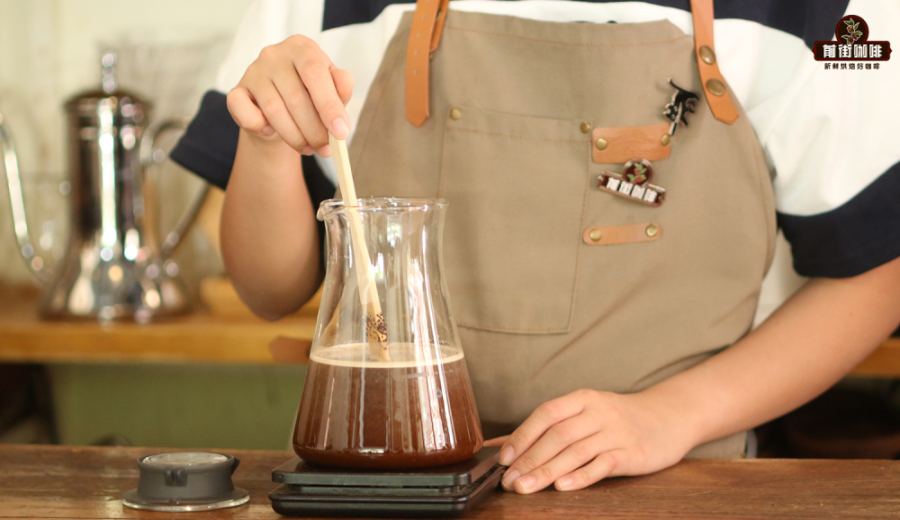
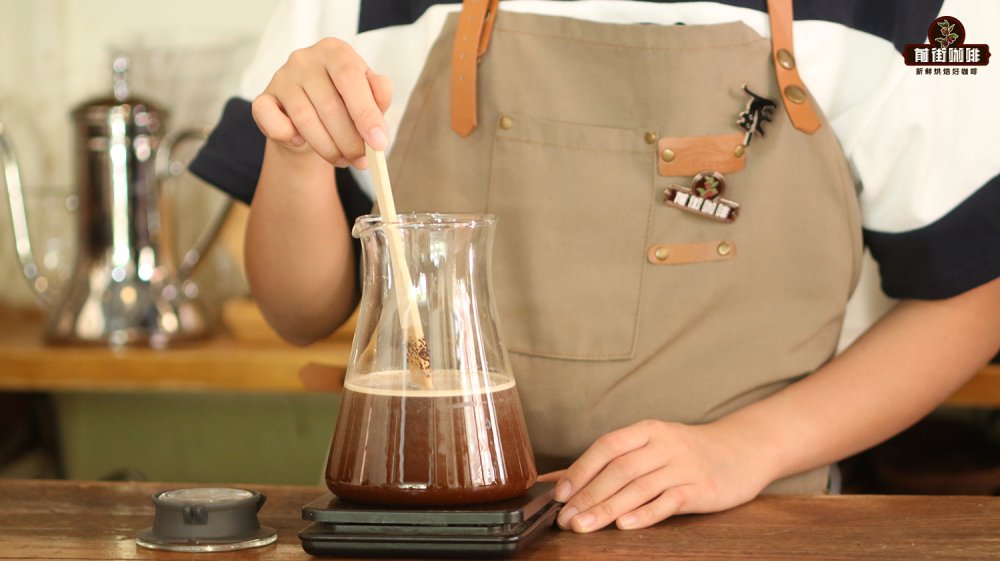
Next, we’ll walk through a practical example of making cold brew coffee. Take the Panamanian Flower Dance coffee beans as an example—this washed coffee from the Boquete region blends the Catuai, Caturra, and Geisha varieties, and features a distinct tea-like body, berry aromas, and jasmine notes. It’s recommended to grind the beans slightly coarser than standard pour over, roughly equivalent to40% passing through a Chinese Standard No. 20 sieve. This grind size helps avoid over-extraction during the long steeping process.
The coffee-to-water ratio follows a1:15golden ratio: 20 grams of coffee grounds to 300 milliliters of cold water are placed in a sealed bottle, gently shaken to mix, then refrigerated for 12 hours. It’s worth noting that if no filter bag is used to hold the coffee grounds, you’ll need to filter the liquid again with filter paper before drinking to ensure a clean taste.

As for nitrogen-infused cold brew, it involves infusing food-grade nitrogen into the finished basic cold brew to alter the texture and flavor profile of the drink. The addition of nitrogen creates a fine, creamy foam similar to that of dark beer, resulting in a smoother and more velvety mouthfeel. Meanwhile, subtle changes in pressure also affect how the aroma is released, typically delivering a softer and rounder drinking experience.
Compared to regular cold brew, the advantage of nitrogen-infused cold brew lies in its unique texture—its dense foam layer and silky flow make the drinking experience closer to craft beer. However, this treatment doesn’t significantly alter the core flavor profile of the coffee, but rather enhances certain textural qualities. For consumers who enjoy a delicate mouthfeel without sacrificing the original cold brew flavors, nitrogen-infused cold brew offers an excellent compromise.
The above content is compiled by CoffeeHunters, a coffee news website.


