








Introduction:The crema on the surface of an espresso is not just a visual highlight—it’s a crucial element that significantly influences overall flavor and mouthfeel. This golden to dark brown foam is actually the product of emulsified fats, trapped air bubbles, and carbon dioxide under high-pressure extraction. This article delves into the main factors that affect the thickness of crema, including coffee variety, roast duration, roast level, and equipment, and recommends several espresso blends ideal for those seeking rich crema effects, helping you master the secrets to crafting the perfect crema.
That delicate, golden-to-chocolate-colored foam atop an espresso shot—known as crema—is often the first thing people look to when judging whether an espresso is well-pulled. This layer of crema is not only related to the coffee’s appearance but also directly affects its flavor complexity and mouthfeel. How exactly is this crema formed? And what factors influence its thickness and texture? This article will explore the science behind it and offer practical bean recommendations to help you better understand how to extract the ideal crema layer.
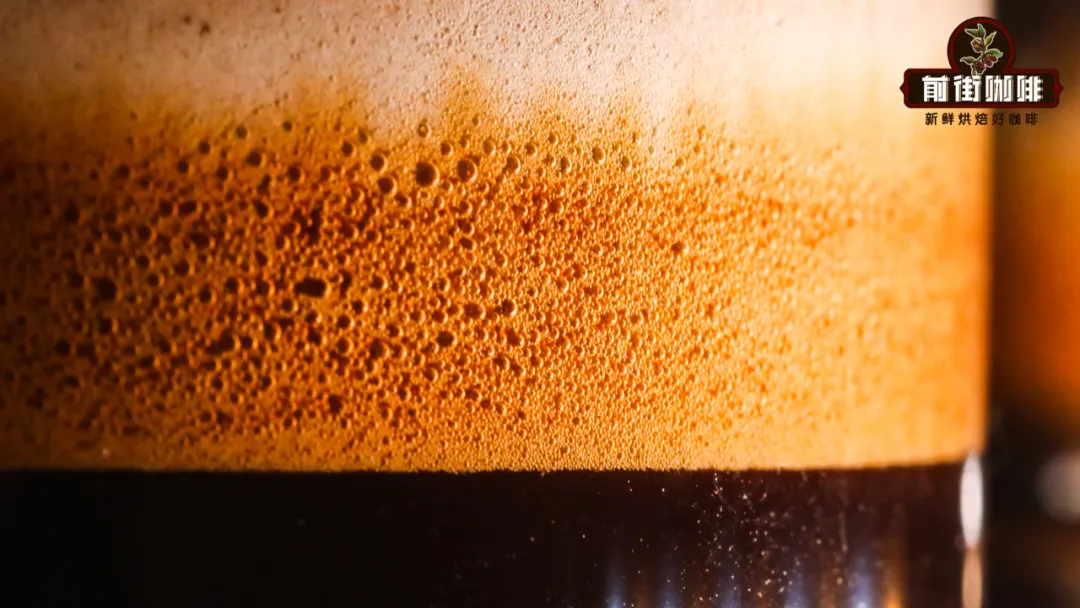
In simple terms, crema is a fine emulsion of bubbles formed when hot water (around 90–96°C) passes through tightly packed coffee grounds under high pressure (approximately 9 bars), extracting soluble compounds, natural oils, carbon dioxide, and air. The carbon dioxide primarily comes from gases produced during the roasting process; the fresher the coffee, the more carbon dioxide it releases, which in turn helps create a richer and more stable crema layer.
This crema usually displays a gradient of colors from light gold to dark brown. After extraction and once settled, the lighter crema floats to the top while the darker coffee liquid gradually sinks. The texture and stability of the crema often reflect multiple factors, such as the coffee bean variety, roast level, freshness, and extraction conditions.
Next, we’ll examine four key aspects that directly affect the thickness and quality of crema, helping you more precisely refine your extraction technique.
I. Coffee Variety: Arabica vs Robusta
Coffee beans on the market can generally be divided into two main types: Arabica and Robusta. Generally speaking,Arabica beans have a lower natural oil content, with flavors leaning toward bright acidity and complex layers, offering a clean taste with relatively low bitterness, making them ideal for single-origin enjoyment. In contrast,Robusta beans are richer in oils, often exhibiting aromas of nuts, caramel, wood, and even subtle grainy notes, with a bold and intense taste where bitterness and sweetness intertwine—making them a key component in many commercial espresso blends.
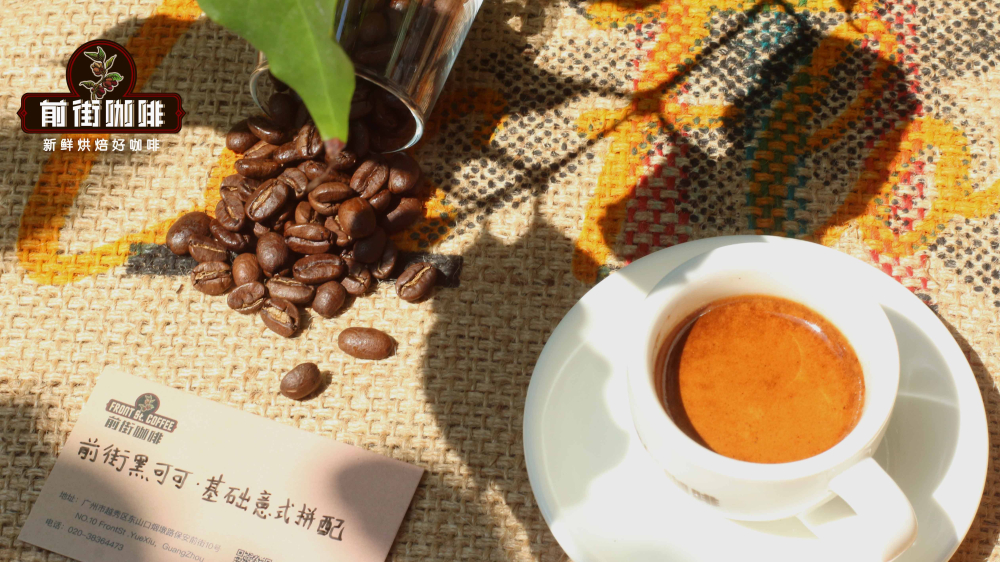
If you prefer an espresso with a thicker crema and bolder flavors, consider using a blend that contains a small amount of Robusta. Such blends can enhance the richness and stability of the crema while delivering a more intense taste. For example, a medium-dark roasted combination of Brazilian, Mandheling, and a moderate amount of Robusta often showcases flavors reminiscent of toasted bread, butter, and caramel, with fine crema and stable extraction—perfect for beginners trying it at home.
If your goal is to replicate café-quality espresso at home, opt for blends based on Brazilian and Colombian beans with a touch of Robusta. These combinations typically bring out complex nutty aromas, such as almond and walnut, along with smooth crema and a full-bodied yet low-acid profile. They offer great value and are also suitable for commercial use.
II. Roast Date: Freshness and Carbon Dioxide Balance
After roasting, coffee beans continue to release carbon dioxide, which is vital for crema formation. However, it’s important to note thatbeans that are too fresh (within 0–3 days post-roast)may contain excessive carbon dioxide, which can hinder the proper release of flavor compounds, leading to uneven extraction and potentially unstable crema. On the other hand,beans roasted more than 50 days agohave mostly released their CO₂, resulting not only in flavor loss but also thinner crema, negatively affecting overall taste.
It is recommended to use coffee beans roasted within4 to 50 daysfor making espresso. During this period, gas release is stable, allowing effective emulsification of oils while preserving full flavor expression. Ideally, beans should be shipped within 5 days post-roast to ensure they arrive with optimal aroma and extraction conditions.
III. Roast Level: Crema Performance Across the Spectrum
Roast level also has a noticeable impact on the texture and color of crema.Lighter roasts typically produce a crema that is lighter in color and more subdued, with larger bubbles and a looser structure; whereasdarker roasts, due to prolonged exposure to high heat, release more oils and internal compounds, resulting in a thicker, darker cremawith finer bubbles and greater longevity—commonly found in espresso-specific blends.
For example, dark-roasted Indonesian Golden Mandheling or certain high-altitude estate beans from Central and South America can yield rich and smooth crema layers, though care must be taken to avoid over-roasting. Excessive roasting not only leads to excessive oiliness but can also cause oils to seep and cling to machines or filters, or even oxidize in the air, compromising crema stability and overall flavor.
IV. Equipment Pressure and Extraction Conditions
To achieve the ideal crema, stable high-pressure extraction is key. Most home or entry-level fully automatic coffee machines, due to imprecise or unstable pressure systems, often fail to reach the optimal 9-bar extraction pressure. As a result, the crema may appear present but is structurally loose, with flavor and mouthfeel falling far short of true high-pressure extraction results.
Therefore, if you wish to pull thick, fine, and flavorful crema at home, it’s advisable to choose a semi-automatic coffee machine with stable pressure output. Ensure even tamping, proper grind size, and use fresh coffee beans with an appropriate roast level to truly unlock the potential of crema.
In summary, the crema layer of an espresso is not just a visual delight but also a reflection of flavor and extraction quality. From selecting the right coffee variety and managing roast dates, to controlling roast levels and ensuring proper equipment performance, each factor plays a critical role. By understanding these variables, you’ll be able to approach every espresso extraction with confidence and enjoy the allure of that golden, captivating crema.
The above content is compiled by CoffeeHunters, a coffee news website.


