







Introduction:Want to explore the unique flavors and brewing techniques of Costa Rican honey-processed coffee? This article provides an in-depth analysis of the Strawberry Sugar Geisha Blend from Mirasu Estate, covering everything from the terroir of the growing region, varietal characteristics, to the raisin honey processing method. It also offers a medium-light roast profile, professional cupping data, and practical pour over parameters to help you achieve the best extraction for this specialty coffee bean—known for its prominent sweetness and distinct berry aroma.
Costa Rican coffee has long been celebrated for its rich body, chocolatey notes, and delightful sweetness, with honey processing being a classic technique that highlights fruity aromas and sugar intensity. This article introduces a Strawberry Sugar Geisha Blend from Mirasu Estate, crafted using the raisin honey process to merge Geisha’s delicate floral notes with the berry tones of other varieties, resulting in intense strawberry, raisin, jasmine, and creamy mouthfeel. Whether you’re a pour over beginner or a coffee enthusiast seeking high-quality beans, you’ll gain deep insights into the characteristics and brewing essentials of this popular honey-processed coffee.
Main Coffee Regions of Costa Rica and Terroir Characteristics of Tarrazú
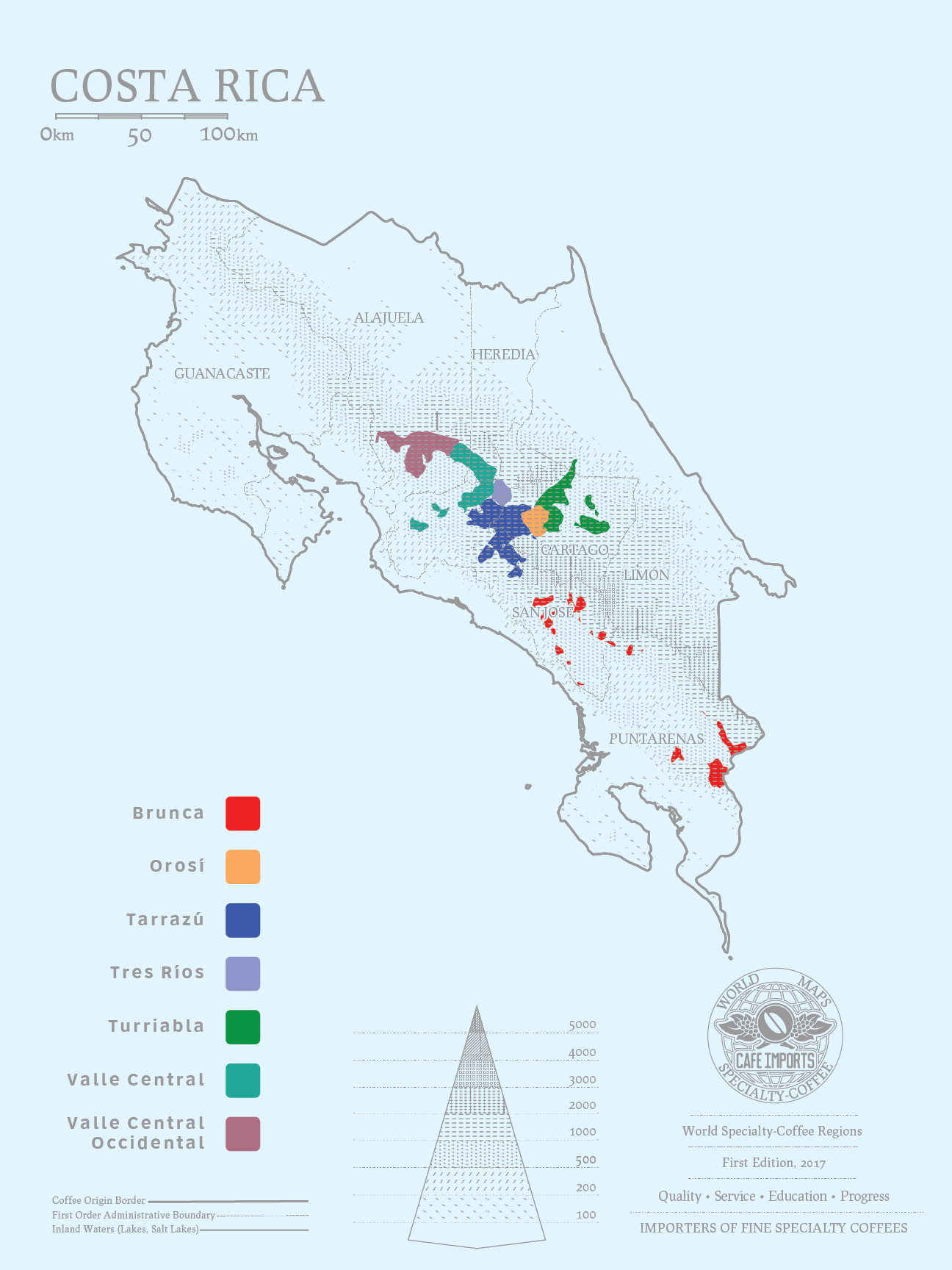
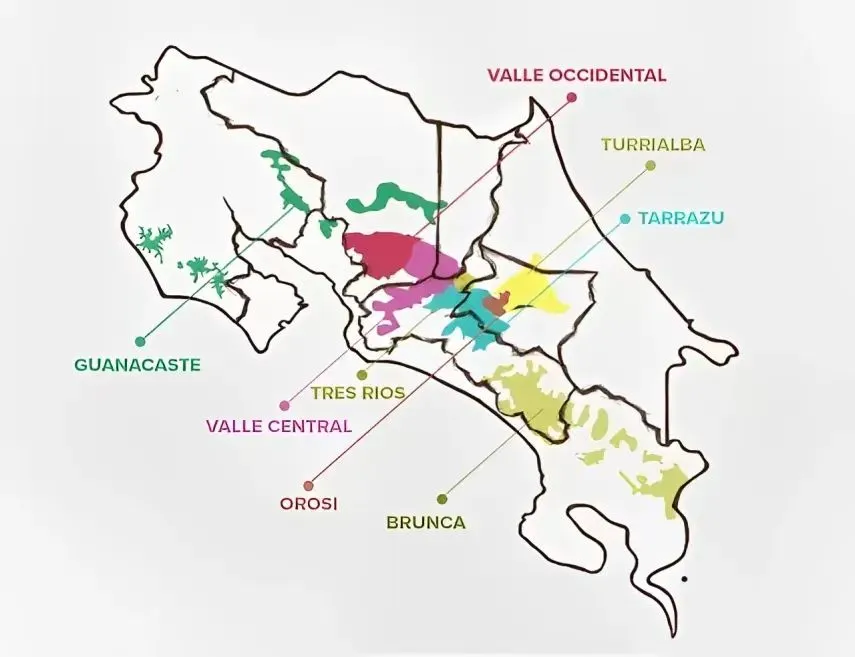
Costa Rica is one of the first countries in Central America to cultivate coffee. It boasts fertile volcanic soils and an ideal drainage system, particularly in the central plateau region at elevations of about 1200 to 1600 meters. The main harvest season runs from November to March each year. Among the country’s eight renowned coffee-growing regions, Tarrazú stands out as the most prestigious—not only for its stable production but also for its rich chocolate and nutty profiles, bright acidity, and elegant aromas. The microclimates and high-altitude volcanic soils of Tarrazú contribute to the coffee beans’ full body and outstanding balance.
Mirasu Estate: Commitment to Small-Scale Cultivation and Natural Processing
Although small in scale, Mirasu Estate is personally managed by Esteban Sanches and his family. Originally a member of a neighboring estate’s family, he started his own venture driven by his passion for coffee. He built small-scale wet processing equipment himself and firmly believes that the origin of the trees determines coffee quality. He emphasizes caring for coffee cherries with love, allowing the natural environment and careful human management to jointly shape every single bean. This attention to detail is also reflected in the high-quality honey-processed coffee produced by Mirasu.
Varietal Composition: Flavor Fusion of Geisha and Traditional Varieties
This Strawberry Sugar Geisha Blend consists of 50% Geisha and 50% ET47, SL28, and MAICO, all grown within the same estate, making it a single-origin blend. The Geisha contributes pronounced jasmine and floral notes, while ET47 and SL28 bring intense berry and citrus aromas due to their Ethiopian heritage. MAICO adds structure and complexity to the overall profile. This blending approach allows the coffee to retain the terroir characteristics of a single origin while showcasing a richer berry sweetness and complexity.
What Is a Single-Origin Coffee Bean? Does a Blend Count?
Even though this coffee is a multi-variety blend, because all the beans come from the same origin within Mirasu Estate, it is still considered a single-origin coffee bean. The term “single-origin” refers to beans from the same geographical origin, regardless of whether they are a mix of multiple varieties. Just like Ethiopian coffee, which often features natural hybrids, as long as the origin is singular, it is still regarded as single-origin. In contrast, blends usually refer to combinations of beans from different regions. This Mirasu blend is a carefully crafted selection of multiple varieties from the same origin.
Raisin Honey Process: The Key to Sweetness and Fermented Aromas
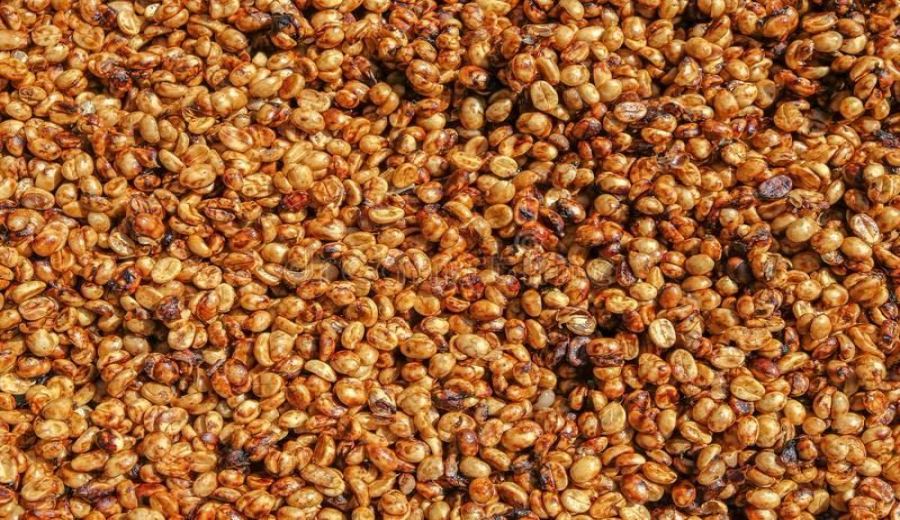
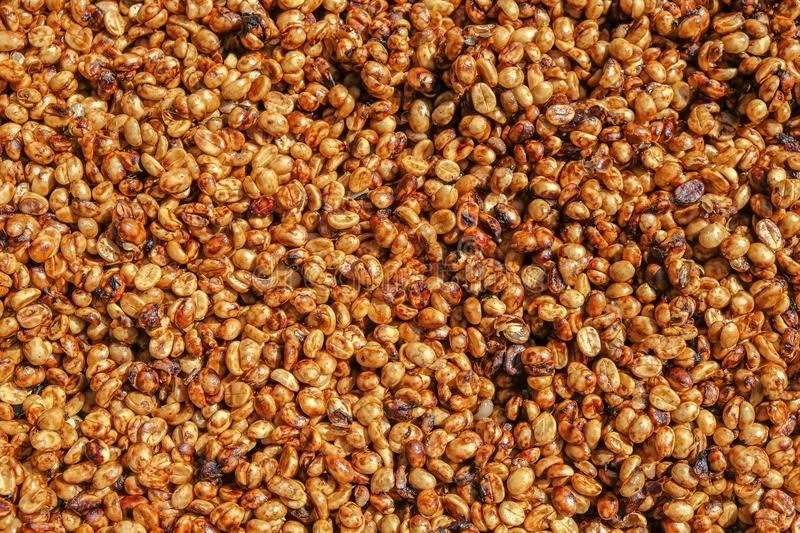
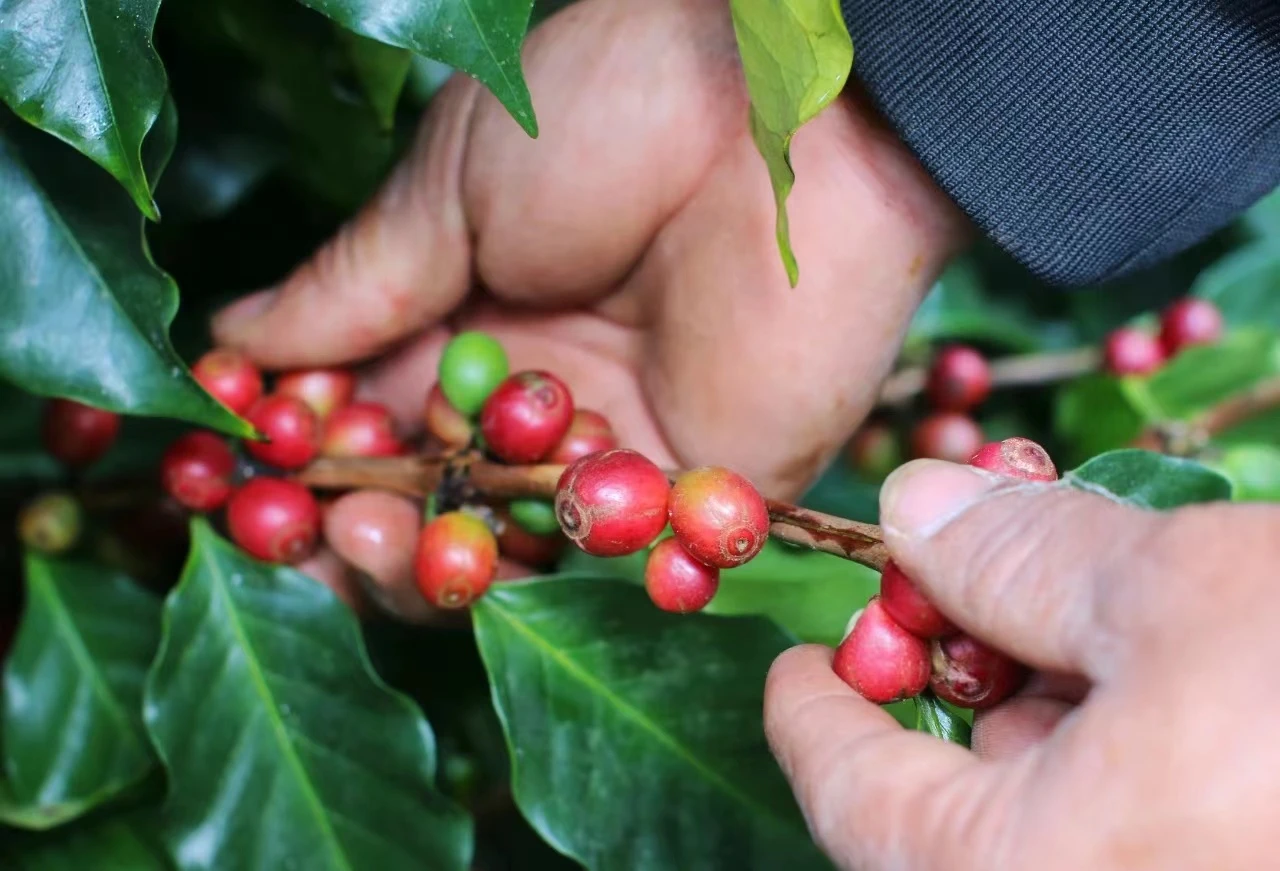
The defining feature of the raisin honey process is the retention of 100% mucilage without adding any extra water, requiring extremely precise control over time and temperature. On the day of harvest, the beans undergo floatation in water tanks to remove unripe or overripe beans. The parchment-covered coffee cherries are then dried on raised beds for at least three days before the outer skin is removed, leaving the intact mucilage layer to be sun-dried. This process requires frequent and even turning to prevent over-fermentation or uneven drying. Successfully processed raisin honey coffee often exhibits a layered complexity akin to white wine, with bright acidity and outstanding sweetness.
Roasting Recommendation: Medium-Light Roast to Highlight Floral Notes and Sweetness
To fully showcase the floral and fermented sweetness of this blend, a medium-light roast is recommended. Taking the Yangjia 800N semi-direct-fire roaster as an example, preheat the roaster to 200°C, with a charge temperature of 175°C, initial firepower at 120 and damper at 3. Adjust firepower and damper based on bean reaction, paying attention to the yellowing and first crack stages. The optimal drop temperature is recommended at 193.5°C, with a development time of about 1 minute and 30 seconds to preserve maximum fruity and floral characteristics along with clear acidity.
Cupping Data and Flavor Profile
Cupping was conducted within 8 to 24 hours after sample roasting, using 200ml ceramic cupping bowls. Water temperature was controlled at 94°C, grind size was set to 70%-75% passing through the SCAA standard 20-mesh sieve, with a brew ratio of 1:18.18 (11 grams of coffee to 200 ml of water). Cupping results showed that the dry aroma featured pronounced dried fruit and berry notes, while the wet aroma revealed rich floral and berry scents. The flavor profile included raisin, berry, nuts, along with a smooth, creamy mouthfeel.
Pour Over Parameters and Practical Extraction Tips
Recommended brewing parameters include a water temperature of 90-91°C, using EK43s ground to setting 10 (approximately the size of fine sugar), a brew ratio of 1:15, and a coffee dose of 15 grams. The grind size can be adjusted according to actual flow rate—if the water flows too fast, the grind may be too coarse; if too slow, it may be too fine. Pour over is suggested in three stages: the first stage involves pouring 30 grams of water for a 30-second bloom; the second stage adds water up to 125 grams over about 1 minute; the final stage adds 100 grams, bringing the total water to 225 grams, completed in about 1 minute and 40 seconds. Total extraction time should be controlled between 1 minute 55 seconds and 2 minutes to fully highlight the layers of strawberry, raisin, and nuts, while delivering a smooth, creamy finish.
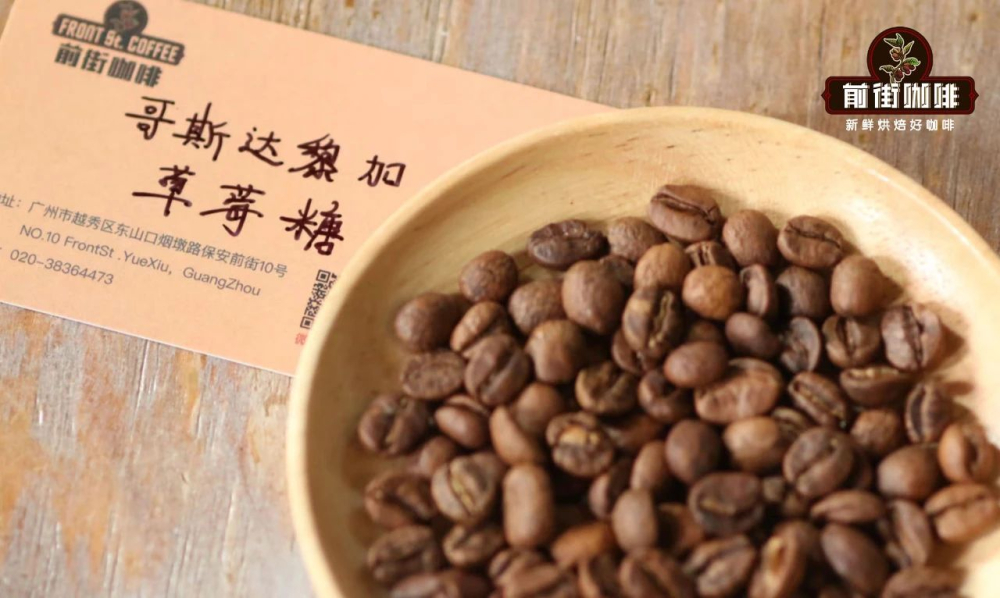
In summary, the Strawberry Sugar Geisha Blend from Mirasu Estate in Costa Rica, with its raisin honey processing and carefully selected varietal combination, showcases highly distinctive berry sweetness and gentle acidity. It is especially well-suited for coffee lovers who enjoy intense fruitiness and noticeable sweetness. By mastering the correct roast profile and pour over parameters, you can fully unlock the potential of this specialty coffee.
The above content is compiled by CoffeeHunters, a coffee news website.


