








Introduction:To understand the fundamental differences between Americano and Latte, one cannot overlook their common base—Espresso. This article delves into the extraction principles and drinking methods of Espresso, explores the techniques for pairing it with milk in a Latte, and provides a detailed analysis of the blend formulations and flavor profiles of four commonly used Italian-style espresso blends. It helps you grasp all the key elements of making a great cup of coffee, from bean selection to brewing parameters.
The difference between Americano and Latte actually stems from their shared foundation—Espresso. Simply put, an Americano is made by diluting Espresso with hot water, while a Latte uses Espresso as a base and is mixed with a large amount of milk. As a result, the two have significantly different flavor profiles. This article starts with the logic behind Espresso production, guiding you through its extraction essentials and drinking methods, then explains the process of making a Latte and the steaming techniques for milk. Finally, it further analyzes four common Italian espresso blends, including their formulation concepts and flavor characteristics, giving you a comprehensive understanding of the entire process of crafting a high-quality Italian-style coffee, from beans to the final cup.

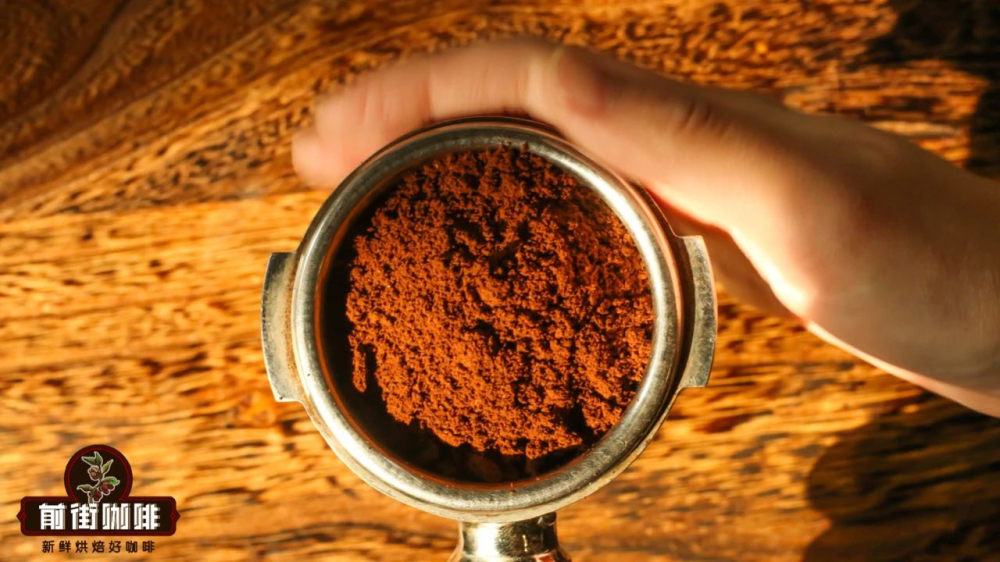
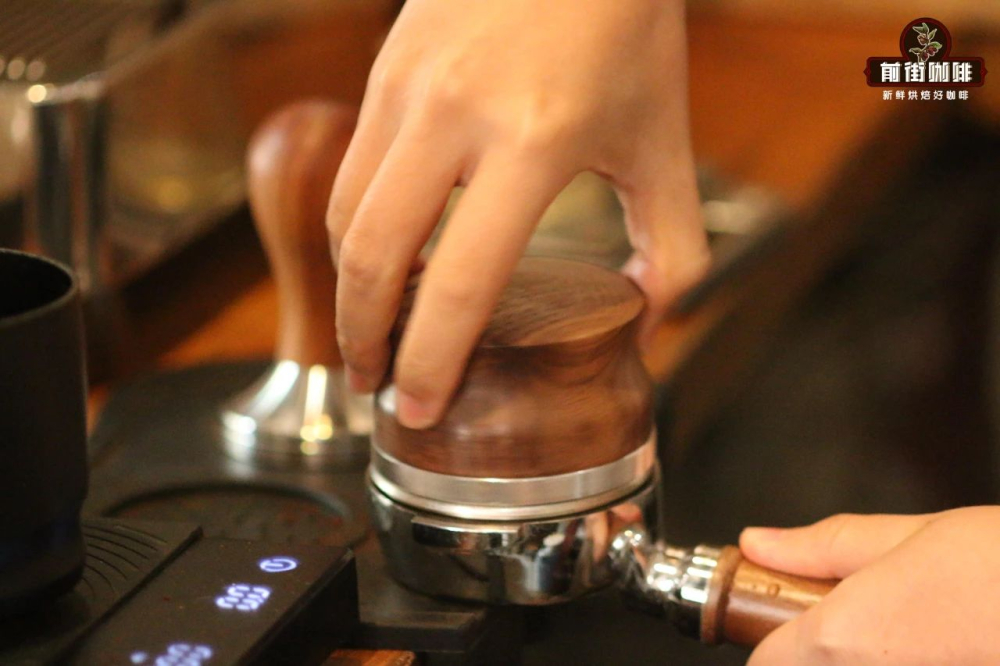
Espresso is both a type of coffee and a method of high-pressure extraction. In a professional espresso machine, nearly boiling hot water is forced through a compact bed of finely ground coffee under approximately nine atmospheres of pressure, extracting a small cup of concentrated coffee in a short time. This process is influenced by multiple factors, including dose, brew ratio, extraction time, grind size, water temperature, and pressure—all of which directly affect the final flavor and mouthfeel.
Espresso is not just a single beverage but also an important indicator for evaluating coffee quality and barista skills. It is commonly used as the base for other popular coffee drinks, such as Americano and Latte. As is well known, the modern Americano is made by mixing a shot of Espresso with hot water, so the extraction quality of the Espresso itself directly determines the final flavor outcome. It can be said that if the Espresso is not solid enough, it’s difficult for other coffee drinks based on it to achieve the desired state.
A standard shot of Espresso is about 30 milliliters in volume, extracted in an extremely short time. The finished liquid is topped with a layer of golden-brown, fine, and layered coffee crema—the so-called “Crema” we often hear about. This Crema is not only a visual delight but also carries most of the aroma, while the concentrated coffee itself provides the main taste experience, including the balance and layers of acidity, sweetness, and bitterness.

As for whether to add sugar to Espresso, there is no definitive answer. However, from the perspectives of health or tasting the original flavor, it is recommended to minimize or avoid adding sugar. In traditional Italian drinking habits, some people add a spoonful of white sugar to their Espresso as soon as it’s served, stirring and drinking it, which can slightly mellow the intense bitterness and enhance the potential fruity acidity and floral notes. But if you truly want to experience the multi-layered flavors of Espresso, it’s best to drink it straight—you might discover unexpected fruity, floral, or even wine-like aromas.
Compared to an Americano, a Latte is a milky coffee drink that contains a significant amount of milk. The word “Latte” means “milk” in Italian, so ordering a “Latte” in Italy will get you a glass of plain milk. A Latte, however, is a combination of Espresso and steamed milk, with a higher proportion of milk, so the overall flavor is dominated by milk, with coffee serving as a backdrop, delivering a milky flavor with coffee aroma.
Making a good-tasting Latte is actually not simple. From the choice of coffee beans and the quality of fresh milk, to extraction parameters and milk steaming techniques, each step affects the final texture and flavor. Generally, making a hot Latte involves three steps: first, extracting the Espresso; then, steaming the milk; and finally, combining the two and performing latte art. Among these, the texture and temperature control of the steamed milk are crucial—overheated or overly thick microfoam can negatively impact the overall mouthfeel.

When it comes to selecting espresso blends, the industry has introduced various blends tailored for Espresso use. These blends are typically composed of coffee beans from different origins, aiming to create a more balanced and layered flavor profile. Unlike single-origin beans that emphasize the unique characteristics of a specific region, espresso blends achieve harmony and stability in flavor through the complementary traits of different beans.
For example, the “Dark Cocoa Blend” is suitable for making both Americano and Latte. When used for an Americano, it showcases prominent wine-like notes, chocolate, and citrus acidity; when used as a Latte base, it brings out flavors of vanilla cream and liqueur-filled chocolate. Another blend, the “Premium Blend,” is mainly composed of Colombian and Brazilian beans in a 6:4 ratio. The Colombian beans provide gentle fruity acidity and a dark cocoa tone, while the Brazilian beans offer a stable, full-bodied foundation. This blend exhibits a pronounced dark chocolate flavor in the espresso, with a nutty aftertaste, making it suitable for various milk coffees or black coffee.


In addition, espresso beans on the market can generally be divided into two categories: single-origin espresso beans and blended espresso beans. The former usually emphasizes the unique characteristics of a particular region or variety, while the latter achieves a balance and consistency of flavor through the combination of multiple beans. For daily commercial or home use, blended beans are often the more practical choice, as they maintain stable performance under different brewing conditions.
Overall, from the base extraction of Espresso, to the proportion of milk pairing, to the selection of espresso blends and the design of roast flavors, every step influences the final outcome of the cup of coffee in your hand. Whether you prefer a bold black coffee or a creamy Latte, understanding these fundamental principles will give you a deeper appreciation and more informed choices when enjoying or making coffee.

The above content is compiled by CoffeeHunters, a coffee news website.


