







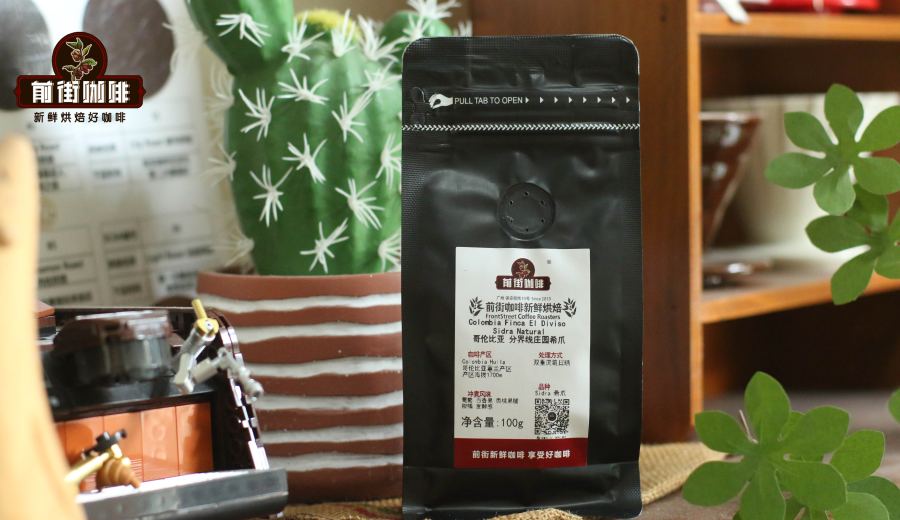
Introduction:An in-depth analysis of the unique flavor characteristics of Colombia’s five renowned specialty coffee regions—from washed processing to roast profiles, and pour over brewing parameters—provides practical advice to help coffee enthusiasts master optimal extraction methods. This article covers the Medellín, Santander, Huila, Cauca, and Nariño regions, guiding you through how varying altitudes and microclimates shape the multi-layered flavors of coffee, along with expert roasting and pour over techniques.
Blessed with both Atlantic and Pacific ports, Colombia is not only a major coffee exporter in South America but also renowned for its stable, high-quality specialty coffee. The country’s premium beans mainly come from the Eastern and Central Cordillera mountain ranges, as well as southern microclimates such as Huila, Cauca, and Nariño. This article will detail the flavor profiles of coffee from these five regions and offer roasted and pour over recommendations for washed beans, helping you better understand how to bring out each bean’s full potential.
Colombia’s geographic advantage makes it one of the few coffee-producing countries in the world with ports on both major oceans, not only reducing transportation costs but also significantly improving export efficiency. Among the country’s many coffee-growing areas, the Eastern and Central Cordilleras and the southern highlands, due to differences in altitude, slope orientation, and microclimates, produce specialty coffees with vastly distinct flavors. Among them, the five regions of Medellín, Santander, Huila, Cauca, and Nariño are key names that specialty coffee lovers must know.

In the central mountainous region of Colombia, Medellín, Armenia, and Manizales are the three most representative producing areas, collectively known as the “MAM Golden Triangle.” Among them, Medellín coffee is known for its plump beans, rich aroma, and moderate acidity, making it suitable for dark roasting to bring out a mellow sweetness. The Medellín beans exported by the FNC association are consistent in quality control and cleanliness, often commanding relatively higher prices, making them a top choice for many professional roasters.
Located in northern Colombia, the Santander province, though less well-known than other regions, is one of the country’s earliest coffee-growing areas and currently accounts for about 5% of national production. Coffee here is grown at altitudes of around 1400–1600 meters, and the climate conditions give the coffee a distinctive herbal freshness and strong aftertaste. Cupping data show that the coffee from this region has clear flavors, making it suitable for drinkers who enjoy fresh herbal notes.
Huila, located in southwestern Colombia, is one of the country’s top coffee-producing regions, accounting for about 12% of the nation’s total output. The area has several well-known sub-regions, with Caturra being the common variety, and washed processing being the predominant method. Huila coffee typically exhibits rich notes of nuts, dark chocolate, and caramel, with soft and layered acidity. In terms of cupping performance, its flavors are balanced and distinct, making it a popular entry-level choice for many pour over enthusiasts.
Cauca, also in southwestern Colombia, is an important region for the country’s coffee origin certification. With an average altitude of 1758 meters, some areas even exceeding 2100 meters, and a diurnal temperature variation of up to 11°C—with daytime averages around 18°C—these conditions help coffee cherries ripen slowly, accumulating more flavor compounds. Cauca coffee is known for its bright acidity and prominent sweetness, especially appealing to those who enjoy distinct fruit acidity and long-lasting aftertastes.
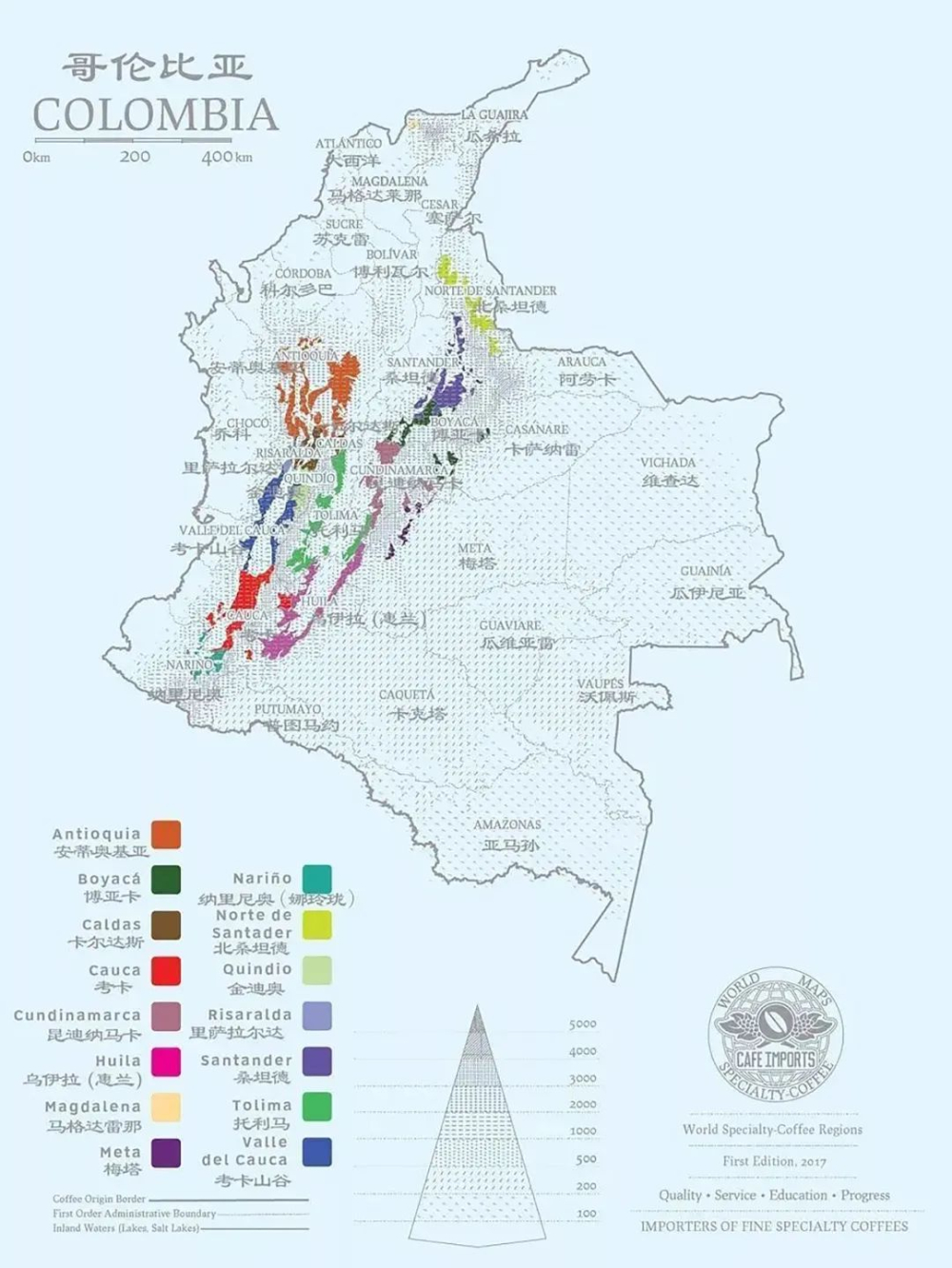
Nariño, the southwesternmost region of Colombia, may account for just 3% of national production due to its small size, but its extremely high altitudes (generally over 1600 meters, with some areas reaching 2300 meters), volcanic soils, and favorable microclimates make it a hidden gem for specialty coffee lovers. With year-round abundant sunlight and significant day-night temperature differences, coffee trees grow at a slower pace, leading to more uniform fruit ripeness. Nariño coffee often features berry, floral, and herbal aftertastes, with delicate and complex flavors, making it especially suitable for advanced drinkers seeking unique profiles.
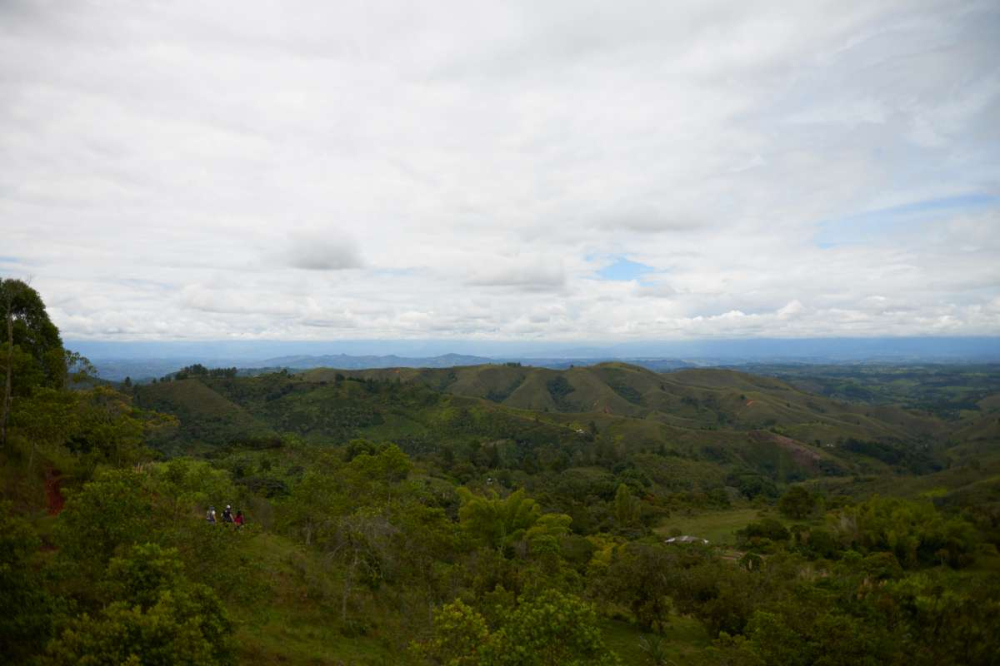
For washed coffee beans from the above regions, it is recommended to use a medium-fine grind (e.g., 80% passing through a 20-mesh sieve), brewed with water at 90–91°C. A 1:15 coffee-to-water ratio is used as a baseline. For example, coffee from the Nariño region can be brewed using a Hario V60 #01 filter, with a 30-second bloom using 30 grams of water, followed by incremental pouring to 125 grams and then 225 grams. The total brew time should be controlled between 2 minutes 00 seconds and 2 minutes 10 seconds to fully highlight its berry and floral notes.
The above content is compiled by CoffeeHunters, a coffee news website.


