







Introduction:To maintain stable extraction and rich flavor from a semi-automatic espresso machine, regular and proper maintenance is essential. This article focuses on models equipped with independent group heads, providing a detailed guide on routine cleaning, maintenance of the shower screen and portafilter, backflushing with a blind basket, deep descaling using cleaning powder, as well as periodic inspection and replacement of key components such as the shower screen, gaskets, and boiler. It also recommends several blends known for stable performance, helping you brew high-quality coffee at home or in a shop.
If an espresso machine is not properly maintained for an extended period, it not only affects extraction performance but can also gradually alter the flavor profile. This article focuses on semi-automatic espresso machines with independent group heads, systematically introducing basic exterior cleaning, daily maintenance of the shower screen and portafilter, backflushing with a blind basket, deep descaling with cleaning powder, and the regular upkeep of critical components like the shower screen, sealing gaskets, and boiler. It establishes a practical and actionable maintenance plan. Additionally, it compiles several blends with stable flavor profiles suitable for espresso extraction, providing reference options for both shop operation and home brewing.
If you notice that your coffee’s taste and aroma are not as good as before, it may be due to accumulated dirt inside the machine or reduced efficiency of certain components. In fact, by following the correct cleaning steps, these issues can be effectively avoided. The maintenance process below applies to semi-automatic espresso machines with independent group heads; fully automatic machines are not covered.
First, keeping the machine's exterior clean is the most basic habit. After each extraction, it is recommended to immediately wipe the exterior casing and drip tray with a dry cloth or paper towel to prevent coffee stains from accumulating, which can affect aesthetics and hygiene.
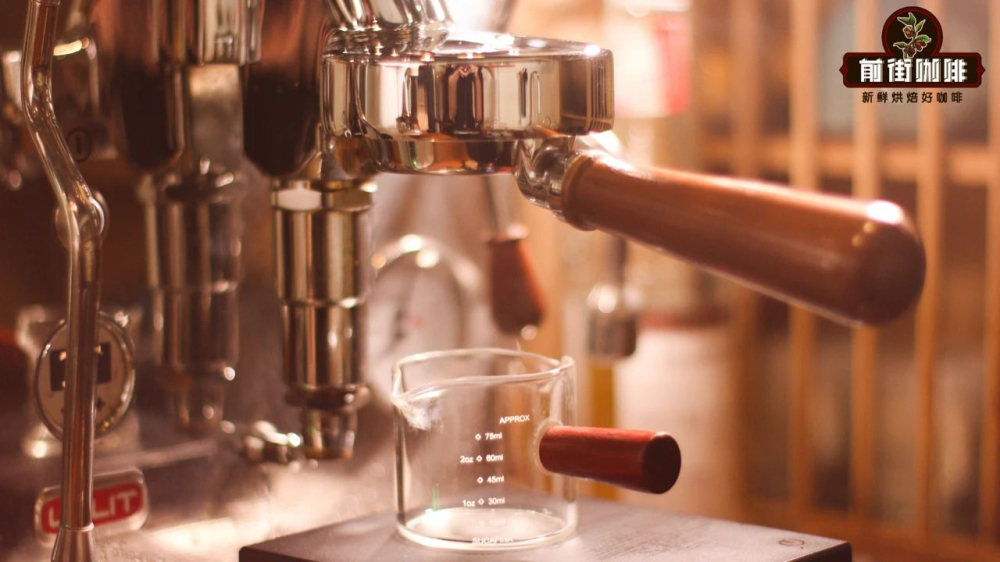
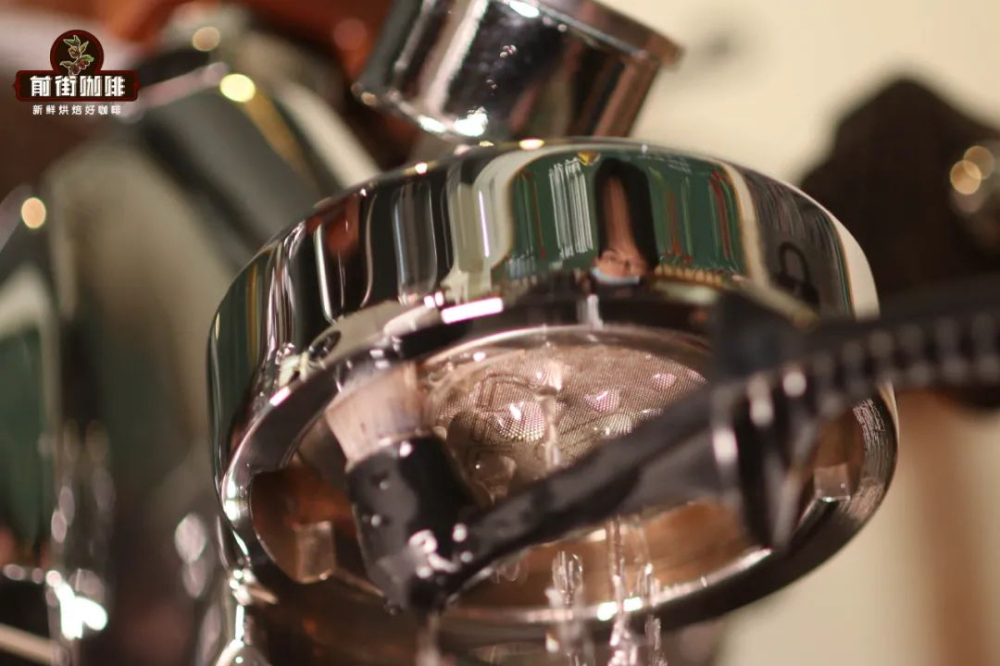
Next, focus on cleaning coffee residue from the shower screen. After each extraction, some fine coffee particles may remain on the surface of the shower screen. If not removed promptly, this can directly affect the flow rate and flavor of the next shot. It is recommended to briefly activate the group head after removing the portafilter, using the high-temperature water flow to rinse off any residue attached to the shower screen. If you notice that the water flow around the outer edge of the group head or near the gasket does not fully cover the area, use a soft-bristle brush to assist in cleaning and ensure no residue is left behind.

Cleaning the portafilter and filter basket is equally important, especially for bottomless or two-spout portafilters, whose internal structures are prone to accumulating oils and coffee residue. At the end of each business day, it is recommended to disassemble the filter basket and rinse the interior of the portafilter with hot water. If not cleaned promptly, residual oils and fine particles left overnight may produce odors and affect the quality of the next day’s extraction. If time permits, it is advisable to soak the interior of the portafilter in a mixture of hot water and 5 grams of espresso machine cleaning powder for about 30 minutes. This helps break down stubborn residues, followed by thoroughly rinsing with clean water.
To deeply clean the internal pathways of the machine, backflushing is a key step. Use a “blind basket” (a basket without holes) instead of your regular portafilter basket, attach the portafilter, and start the brew cycle to allow hot water to flush the internal pathways in reverse. Limit each backflush session to within 10 seconds and repeat it several times, discarding the accumulated water in the blind basket after each operation. Usually, the first 1–2 times will expel most of the remaining fine coffee particles. This action helps clear tiny residues that pass through the shower screen and enter the pathways, maintaining stable extraction pressure and flow rate.
If the espresso machine is used frequently, it is recommended to perform a cleaning powder backflush once a week; for home use where only 2–3 cups are brewed per day, doing it once a month is sufficient. During the process, place 3 grams of cleaning powder into the blind basket, attach the portafilter, and run the brew cycle for 10 seconds, then discard the water mixed with foam on the surface (note: there may still be residual cleaning powder in the blind basket). Repeat this process a total of 3 times to ensure the cleaning powder fully acts on the internal pathways. Then, rinse the blind basket clean, open the group head to release water, and drain the wastewater mixed with foam and residues until the water runs clear. Finally, perform 5 short (about 5 seconds) backflushes using the blind basket again, discarding the residual water after each rinse, and use a soft-bristle brush to clean the surface of the shower screen to ensure there is no blockage or buildup.
In addition to daily and periodic cleaning, it is also necessary to regularly inspect and replace key components. If the shower screen shows uneven water distribution, it is usually due to long-term accumulation of fine coffee particles causing blockages. It is recommended to remove and clean it every six months or replace it as needed. Similarly, pay attention to the sealing gaskets of the portafilter. If you notice that the portafilter is noticeably angled beyond 90 degrees when attaching it, it indicates that the gasket has hardened and lost elasticity, and should be replaced. Generally, gaskets have a lifespan of about 6 to 12 months, depending on usage frequency.
Lastly, the interior of the boiler can develop limescale deposits over time, especially in areas with non-purified water. Limescale can affect heating efficiency and the machine’s lifespan. If possible, use purified water for brewing. If you notice abnormal heating or reduced performance, contact a professional technician for descaling and maintenance. For new machines, it is recommended to schedule a comprehensive first-time maintenance after about 1–2 years of use to ensure long-term stable operation.
The above content is compiled by CoffeeHunters, a coffee news website.


